

Overpronation: Causes, Symptoms and Treatment

Key Takeaways
- Overpronation is a movement pattern, not a diagnosis on its own, and may or may not cause symptoms.
- It can contribute to foot fatigue, arch pain, ankle discomfort, and pain that travels up the leg.
- A clinician may assess posture, gait, footwear, and foot structure to understand the cause.
- Supportive shoes, orthotics, exercise, and activity adjustments often help reduce symptoms.
- Medical review is useful if pain is persistent, one-sided, worsening, or affecting daily walking.
Medically reviewed by the Acıbadem clinical team — August 19, 2026
Overpronation happens when the foot rolls inward more than expected during walking or running. It is often linked with flat feet, foot pain, and strain in the ankles, knees, hips, or lower back, but it is usually manageable with the right assessment and support.
Overview
Overpronation describes a foot motion in which the foot rolls inward more than expected after it touches the ground. A small amount of pronation is normal and helps the body absorb impact. The concern begins when the inward roll is excessive or continues too long, which can change how weight moves through the foot and leg.
For many people, overpronation is noticed during walking, exercise, or long days on the feet. It may be linked with low arches or flat feet, but the two are not identical. Some people with flat feet do not have symptoms, while others with apparently normal arches still overpronate.
In international patients, this problem is often first recognized when heel pain, arch discomfort, or recurrent ankle strain starts to interfere with travel, work, or sport. Because the causes can vary, the most useful approach is not simply to “correct” the foot, but to understand what is driving the movement pattern in that person.
Symptoms
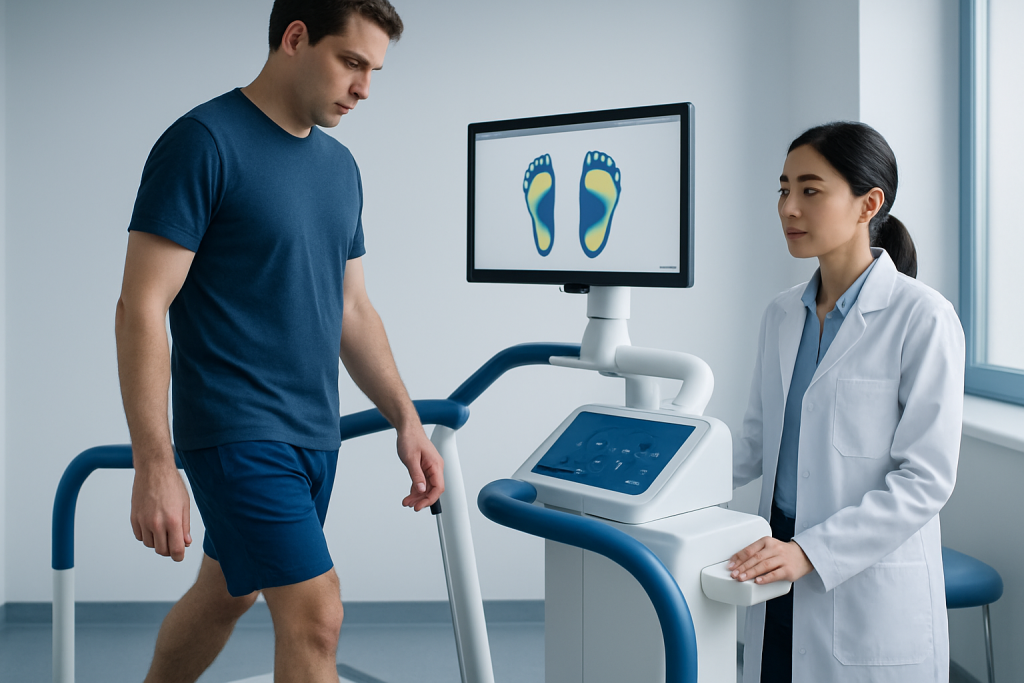
Overpronation does not always cause obvious pain. When symptoms do appear, they usually reflect the extra strain created by the altered foot position. People may notice that shoes wear down unevenly, especially along the inner edge of the sole.
Common symptoms can include:
- Arch fatigue or aching in the heel and sole
- Inner ankle or shin discomfort
- Knee pain, especially after long walks or runs
- Foot cramps or a feeling of instability
- Hip or lower back strain in some cases
Symptoms often become more noticeable with long periods of standing, brisk walking, running, or carrying luggage. If the discomfort is one-sided, severe, or associated with swelling or sudden inability to bear weight, it deserves medical attention rather than self-treatment alone.
Causes & Risk Factors
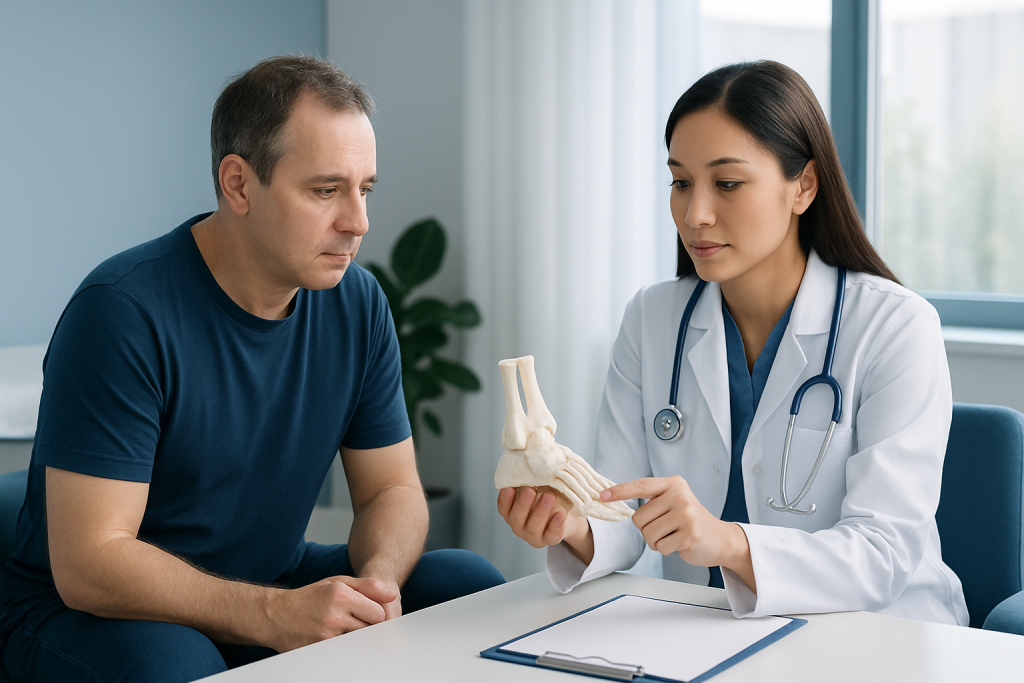
Overpronation is usually related to the structure and mechanics of the foot and lower limb. A flexible arch, flat feet, looseness in the ligaments, or an inward-rotating gait can all contribute. Sometimes the pattern is present from childhood; in other cases it develops gradually with age, weight changes, or repetitive activity.
Several factors may increase the likelihood of overpronation:
- Flat feet or low arches
- Loose or flexible joints
- Previous ankle sprains or foot injuries
- Running on hard surfaces or high training loads
- Footwear with poor support or significant wear
- Occupations that require prolonged standing or walking
It is also important to distinguish overpronation from other causes of foot pain, such as plantar fasciitis, tendon irritation, arthritis, or nerve-related problems. Those conditions can coexist, which is why a careful assessment matters.
Diagnosis
Diagnosis usually begins with a clinical conversation about symptoms, activity level, footwear, and any previous injuries. A clinician will often ask when the discomfort started, whether it changes with exercise, and whether the person has noticed uneven shoe wear or a difference in balance.
The physical examination may include observing the feet while standing and walking, checking the arch, ankle alignment, and movement in the knees and hips. In some cases, the clinician may assess the gait on a treadmill or look at how weight is distributed during stepping and squatting.
Imaging is not always necessary. If the symptoms suggest another problem, such as a tendon tear, stress injury, or inflammatory condition, X-rays, ultrasound, or MRI may be considered. The goal is to identify the mechanical pattern and also rule out more serious or overlapping causes of pain.
Treatment Options
Treatment is usually tailored to symptoms rather than the foot position alone. If overpronation is not causing pain or limitation, reassurance and monitoring may be all that is needed. When symptoms are present, the aim is to improve foot support, reduce strain, and restore comfortable movement.
Supportive shoes are often the first step. A shoe with a stable heel counter, adequate arch support, and a fit that matches the foot shape may reduce inward rolling. Some people benefit from over-the-counter orthotic inserts, while others need custom orthotics designed after a professional assessment.
Targeted exercises can also help, particularly when weakness in the foot, calf, or hip muscles contributes to the pattern. A physiotherapist may suggest strengthening, balance work, calf stretching, and gait retraining. In persistent cases, treatment may include temporary activity modification, taping, or management of a related condition such as tendon irritation or plantar fasciitis.
Medication is not used to “fix” overpronation itself, but short-term pain relief may sometimes be recommended for associated inflammation or strain. If symptoms are persistent or the alignment is part of a more complex foot or leg problem, an orthopedics or rehabilitation specialist may coordinate further care.
Prevention & Self-care
Not every case of overpronation can be prevented, especially when it is related to anatomy. Still, several practical habits can reduce discomfort and lower the chance of flare-ups. Paying attention to shoes is one of the most useful steps, particularly for people who walk or stand for long periods.
Self-care measures may include:
- Replacing worn-out shoes before support breaks down
- Choosing footwear with a stable base and good fit
- Building calf, foot, and hip strength gradually
- Increasing running or walking distance in stages
- Using supportive inserts if recommended by a clinician
- Taking breaks from prolonged standing when possible
For travelers, practical planning matters as well. Long airport walks, unfamiliar terrain, and carrying heavy bags can make symptoms more noticeable. Comfortable shoes, pacing, and a simple stretching routine during the journey can help the feet tolerate the extra load.
When to See a Doctor
Medical assessment is wise when foot or leg pain keeps returning, limits activity, or does not improve with simple shoe changes and rest. It is also important to seek evaluation if the arch appears to be collapsing over time, if one foot suddenly becomes much more painful than the other, or if walking begins to feel unstable.
A doctor should be consulted promptly if symptoms follow an injury, if there is swelling, redness, numbness, or inability to bear weight, or if pain is severe enough to disrupt sleep or routine movement. These features may point to a condition beyond overpronation alone.
For people traveling for care, a coordinated assessment can be especially helpful because it allows diagnosis, imaging if needed, and a treatment plan that accounts for follow-up after returning home. Acibadem Health Point’s multidisciplinary specialists and JCI-accredited hospitals diagnose and treat overpronation-related foot and gait problems for international patients in a structured, supportive way.
Living With Overpronation
Many people manage overpronation successfully once they understand what their feet are doing and what activities trigger symptoms. The condition is often less about a single “fault” in the foot and more about how the whole lower limb works together under daily load.
Good management usually combines practical support, movement training, and realistic expectations. Someone who enjoys running may not need to stop exercising; they may simply need a different shoe, a gradual training plan, and better strength around the ankles and hips. The same idea applies to travelers, workers on their feet, and older adults who want to stay active without aggravating pain.
When care is individualized, overpronation becomes a manageable biomechanics issue rather than a barrier to mobility. A clinician can help determine whether the main focus should be footwear, orthotics, rehabilitation, or treatment of a second problem that is amplifying the discomfort.
Frequently asked questions
Is overpronation the same as flat feet?
Not exactly. Flat feet can contribute to overpronation, but they are not the same thing. Some people with flat feet do not overpronate, and some people with normal-looking arches still do.
Can overpronation cause knee pain?
Yes, it can contribute to pain in the knee because foot mechanics affect how forces travel up the leg. Knee pain may also have other causes, so persistent symptoms should be assessed by a clinician.
Do orthotics cure overpronation?
Orthotics do not usually change the underlying foot structure, but they can improve support and reduce strain. They are most helpful when matched to the person's symptoms, footwear, and gait pattern.
Should people with overpronation stop running?
Not necessarily. Many runners continue safely with the right shoes, training adjustments, and strengthening work. A gradual return and professional guidance are useful if pain is recurring.
How is overpronation diagnosed?
It is usually diagnosed through a history and physical examination, including walking or standing assessment. Imaging is only needed if another injury or condition is suspected.
When is overpronation more than a minor annoyance?
It becomes more important when it causes repeated pain, limits walking, affects sport, or leads to worsening shoe wear and instability. In those situations, a medical review can help prevent symptoms from becoming chronic.
References
- American Academy of Orthopaedic Surgeons
- Mayo Clinic
- National Health Service
- American College of Foot and Ankle Surgeons
This article is for general information only and is not a substitute for professional medical advice. Please consult a qualified doctor about your individual situation.
Joint and spine care in Turkey — expert assessment & treatment
JCI-accredited · board-certified surgeons · reply within 24h
Add us as a Preferred Source to see more of our trusted health content across Google Search, AI Overviews and Discover.
More from the Health Library



Related Specialists

Prof. Dr. Ahmet Alanay
Orthopedic Surgery & Traumatology
Dr. Sinan Aksu
Orthopedic Surgery & Traumatology
Dr. Sirri Baştürk
Orthopedic Surgery & Traumatology
Prof. Dr. Korhan Özkan
Orthopedic Surgery & Traumatology