Your Eye Exam Results Before Surgery: Which Numbers Actually Change the Plan?

Key Takeaways
- Not every abnormal eye test result changes surgery; many findings are simply documented and monitored.
- Eye pressure, corneal measurements, retinal health, and signs of infection or inflammation are among the results that can alter the plan.
- The type of surgery matters, because cataract, LASIK, glaucoma, and retinal procedures rely on different preoperative numbers.
- A good pre-surgical eye evaluation also considers medications, medical conditions, and healing risks, not just a single test result.
- Patients traveling for eye care should bring prior records, ask for a clear written plan, and understand what follow-up will happen after they return home.
Medically reviewed by the Acıbadem clinical team — June 13, 2026
Before eye surgery, a few exam findings can affect timing, procedure choice, and follow-up. Understanding which measurements matter helps patients ask better questions and feel more prepared for treatment.
Overview
An eye exam before surgery is not just a formality. It is the step that helps the surgical team decide whether the eye is ready, which technique is safest, and whether anything should be treated first. For many patients, the numbers on the report are less important than what they mean for the next decision.
That matters even more for international patients, who may arrive with records from another clinic, have limited time for testing, or need a plan that works across time zones and follow-up visits. In that setting, the question is rarely “Is one result normal or abnormal?” It is usually “Does this result change the operation, the timing, or the recovery plan?”
Different eye surgeries depend on different measurements. A cataract procedure may be influenced by corneal shape and retinal health, while laser vision correction may depend heavily on corneal thickness and curvature. Glaucoma and retinal procedures bring their own set of numbers, so the same test result can matter a great deal in one situation and only a little in another.
Which eye exam numbers can change the plan
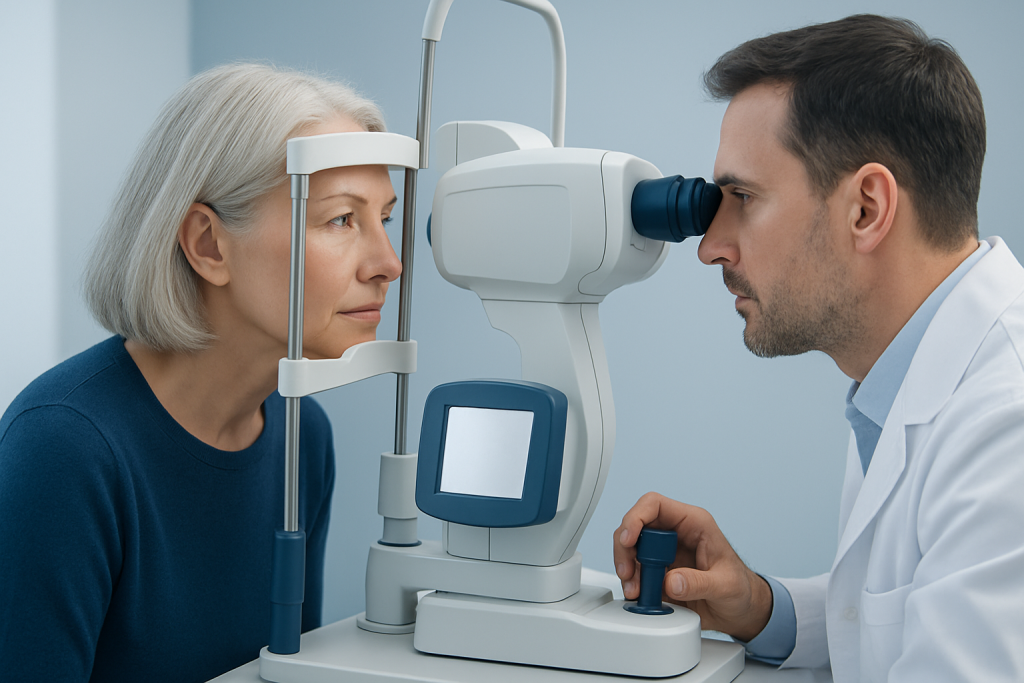
Several preoperative measurements may lead a surgeon to postpone surgery, choose a different procedure, or add extra precautions. The most common ones are not mysterious; they are the practical signs that the eye can heal safely and that the intended surgery matches the eye’s current condition.
- Eye pressure (intraocular pressure): High pressure may need treatment before certain operations, especially when glaucoma is part of the picture.
- Corneal thickness and shape: These help determine whether laser vision correction is appropriate and whether calculations for other surgeries are accurate.
- Retinal and macular findings: Swelling, tears, detachment, or diabetic changes can shift the surgical plan.
- Lens measurements: These are important for cataract surgery and help guide the lens implant choice.
- Pupil size and dilation response: These can affect the surgeon’s technique and the quality of the view during surgery.
One common source of confusion is that a number can be “outside the reference range” without making surgery unsafe. For example, a mildly unusual corneal reading may simply influence lens power calculations, while a major retinal problem may require treatment before any elective procedure begins. What matters is the pattern of findings, not one isolated value.
Another point patients often miss is that the plan can change because of a combination of results. A patient may have acceptable pressure but show signs of eye surface dryness, or a good corneal scan but an unstable retina. In preoperative eye care, the team looks at the eye as a whole rather than treating one test as the final answer.
Symptoms and signs that deserve attention

Some people schedule surgery because vision has changed slowly over time, while others are surprised when a routine exam reveals an issue that needs attention first. Either way, certain symptoms are worth mentioning before surgery, even if they seem minor.
Blurred vision, flashing lights, new floaters, eye pain, redness, light sensitivity, double vision, and sudden changes in reading or distance vision may point to problems that need a closer look. Dryness, burning, and a gritty feeling may not cancel surgery on their own, but they can influence recovery and comfort.
Patients should also report symptoms outside the eye that may matter for healing, such as uncontrolled diabetes, autoimmune disease, recent infections, or steroid use. A thorough preoperative history helps the team connect the exam results to the bigger clinical picture.
Causes and risk factors behind unexpected findings
Eye exam results can change because of age-related changes, chronic disease, prior surgery, or a condition that had not yet caused symptoms. In some cases, the eye has been compensating quietly for years, and surgery is the first time a detailed evaluation uncovers the issue.
Common risk factors include diabetes, high blood pressure, glaucoma, high myopia, previous eye injury, prior eye surgery, long-term contact lens wear, and inflammatory eye disease. Family history can also matter, especially for glaucoma and retinal disorders.
Travel and timing can be part of the story as well. Someone may arrive for surgery after a long flight, disrupted sleep, medication changes, or a recent illness. Those factors do not always prevent treatment, but they can affect tear film quality, pressure readings, or the decision to recheck a measurement before moving ahead.
How doctors interpret the results
The surgical team does not look at eye test numbers in isolation. They compare the findings with symptoms, the physical exam, imaging, and the purpose of surgery. The same reading may lead to a very different plan depending on whether the goal is cataract removal, vision correction, glaucoma management, or retinal repair.
For example, a corneal map that looks irregular may lead one patient to have a different type of lens implant, while another may be advised that laser correction is not the best fit. A retina that shows swelling may prompt treatment first, followed by a reassessment. Elevated pressure may lead to medication, a delay, or a change in surgical technique.
In practical terms, doctors usually classify results into three broad categories: findings that do not affect the plan, findings that change how surgery is done, and findings that require treatment before surgery can proceed. This approach helps reduce guesswork and keeps the discussion focused on safety and expected benefit.
Treatment options when the plan changes
If an eye exam result changes the surgery plan, that does not always mean the operation is cancelled. Often it means the team takes a more careful route. Treatment might begin with eye drops, inflammation control, dry-eye therapy, or a procedure to stabilize pressure or retinal health before the main surgery.
Some patients need a different surgical approach rather than a delay. A cataract patient with significant corneal irregularity may need more detailed measurements or a modified lens choice. A patient with glaucoma may be offered a procedure that addresses pressure at the same time as cataract surgery, depending on the overall eye condition.
For patients coming from abroad, clear coordination is especially important. They may need a plan that explains what can be done during one visit, what should wait, and which follow-up tests must happen after they return home. That conversation is part of treatment, not an extra step.
Prevention and self-care before surgery
Patients cannot control every measurement on the report, but they can improve the quality of the evaluation. Bringing a list of current medications, previous eye records, and any past surgery details helps the team avoid missing important clues. Contact lens users may be asked to stop wearing lenses for a period before certain measurements so the cornea can be measured more accurately.
Good eye surface care also matters. Following instructions about artificial tears, managing allergies, and avoiding eye rubbing can improve comfort and may make the tests more reliable. If a patient has diabetes, blood pressure concerns, or another chronic condition, keeping those conditions as stable as possible supports healing.
- Arrive with prior prescriptions, imaging, and surgery records if available.
- Tell the doctor about all medicines, including drops, supplements, and over-the-counter products.
- Report any recent infection, fever, cold, or flare-up of an eye condition.
- Ask how long to pause contact lenses before measurements.
- Clarify what follow-up will happen after returning home.
When to see a doctor
A surgeon or eye specialist should review any result that is unclear, unexpected, or linked to symptoms. Patients should also seek prompt medical attention for sudden vision loss, eye pain, new flashes or floaters, a curtain-like shadow, or a rapidly red and swollen eye. Those changes are not routine preoperative findings and deserve timely assessment.
Before elective surgery, it is reasonable to ask which results would actually change the plan and which ones are simply part of the record. That question helps patients understand the purpose of each test and reduces worry about numbers that sound alarming but may not be clinically meaningful.
For people seeking care across borders, a written summary in plain language can be especially helpful. Acibadem Health Point’s multidisciplinary specialists and JCI-accredited hospitals support international patients with diagnosis, surgical planning, and follow-up coordination for eye conditions, so the next steps are easier to understand and manage.
What to ask at the end of the pre-surgery visit
A short, focused conversation can make the whole process clearer. Patients often leave feeling more confident when they know which result matters most, whether anything needs treatment first, and how the surgeon expects healing to unfold.
Useful questions include: Which of my test results changed the plan? Is this surgery still recommended, or should anything be treated first? Will I need repeat measurements after dry-eye treatment, pressure control, or a short delay? What symptoms after surgery should prompt a call, especially if I will be traveling?
The goal is not to memorize every number on the report. The goal is to understand the few measurements that truly guide decisions and to leave with a practical plan that makes sense in the patient’s real life.
Frequently asked questions
Do all abnormal eye exam results delay surgery?
No. Some findings only affect how the surgeon plans the procedure or how closely the eye is monitored after surgery. Others need treatment first, especially if they involve infection, inflammation, high pressure, or retinal problems.
Which number is most important before cataract surgery?
There is no single number that decides everything. Lens measurements, corneal data, eye pressure, and retinal health all help shape the final plan, and the doctor looks at them together.
Can dry eyes affect pre-surgery testing?
Yes. Dry eye can make some measurements less reliable and can also affect comfort after surgery. Doctors may recommend treatment first so the readings are more accurate and the surface of the eye is healthier.
Why might I need repeat measurements?
Repeat testing can help confirm that an unusual result was not caused by tear film instability, contact lens wear, or a temporary eye issue. It also gives the team a steadier basis for choosing a surgical approach.
Should I bring old eye records to the consultation?
Yes, if they are available. Previous prescriptions, scans, and surgery notes can help the doctor compare changes over time and avoid repeating steps that are already documented.
What if I am traveling for surgery and my results are borderline?
The team may recommend extra testing, a short treatment period, or a different procedure rather than moving ahead too quickly. Clear follow-up planning is especially important when the patient will recover in another country.
References
- American Academy of Ophthalmology
- National Eye Institute
- World Health Organization
- Mayo Clinic
- NHS
This article is for general information only and is not a substitute for professional medical advice. Please consult a qualified doctor about your individual situation.