Numbness And Tingle In Feet

Key Takeaways
- Numbness and tingling in the feet are symptoms, not a diagnosis, and they can have several different causes.
- Nerve-related problems such as peripheral neuropathy are common, but circulation, spine, and metabolic issues may also play a role.
- A doctor may use a physical exam, blood tests, nerve studies, or imaging to look for the underlying reason.
- Treatment depends on the cause and may include managing an underlying condition, protecting the feet, and improving nerve health.
- Seek medical advice sooner if symptoms are sudden, one-sided, severe, or come with weakness, balance problems, or foot wounds.
Numbness and tingling in the feet can come from irritated nerves, circulation issues, vitamin deficiencies, or other medical conditions. A careful evaluation helps identify the cause and guide treatment, especially when symptoms are persistent or affecting walking.
Overview
Numbness and tingling in the feet often begins as a subtle change: a “pins and needles” feeling after sitting a long time, a patch of reduced sensation, or a foot that seems less responsive than usual. For some people it appears briefly and passes on its own. For others, it returns often or becomes a daily symptom that affects walking, balance, sleep, and confidence.
These sensations are not a diagnosis by themselves. They are signals that nerves, blood flow, or another body system may not be working as expected. In a health library setting, the most useful way to think about them is as a clue that deserves attention rather than alarm. The key question is not only where the tingling is felt, but also when it started, whether it is in one foot or both, and what other symptoms are present.
Because international patients may arrive after already trying home remedies or seeking advice in another country, a structured medical review is especially helpful. A good assessment usually looks beyond the foot itself and considers the whole picture, including medical history, medication use, travel, activity level, and conditions such as diabetes or back problems.
Symptoms
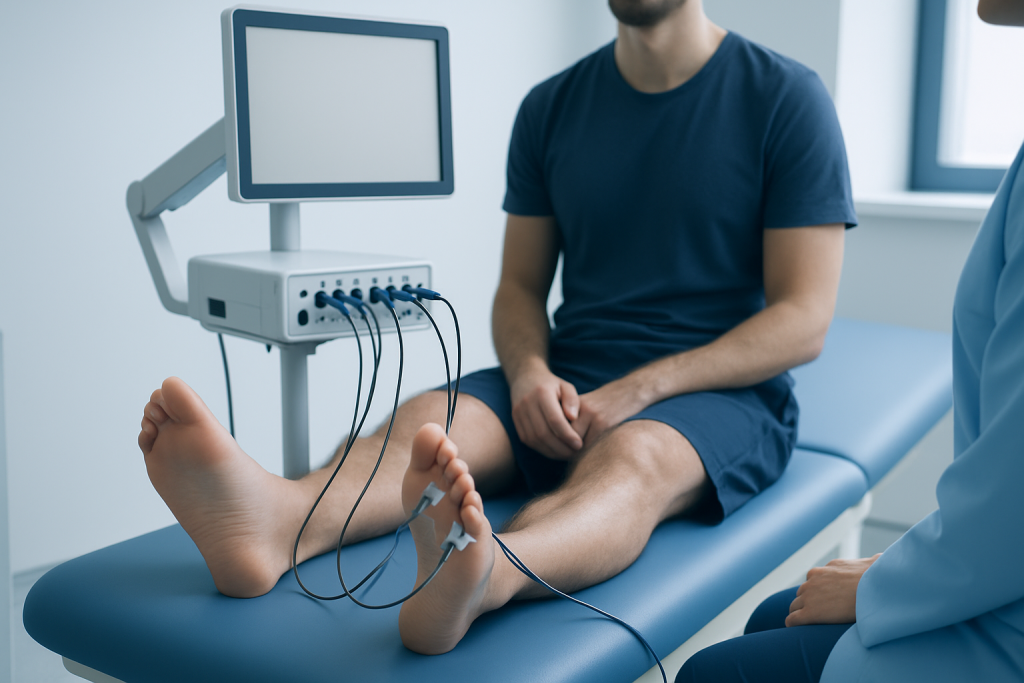
People describe foot numbness and tingling in different ways. Some feel a buzzing or prickling sensation, while others notice that the skin seems dull, as if wrapped in cotton. The feet may feel cold, burning, or unusually sensitive, and some people notice symptoms in the toes first before they spread upward.
Symptoms may stay mild or become more noticeable at night, after exercise, or after sitting or standing in one position for too long. In nerve-related conditions, symptoms can affect both feet in a similar pattern. In other situations, such as a pinched nerve in the lower back or an injury, the symptoms may be more clearly on one side.
- Reduced sensation in the toes, soles, or ankles
- Prickling, tingling, or “pins and needles”
- Burning, aching, or shooting discomfort
- Difficulty sensing temperature or small injuries
- Unsteadiness, especially in dim light or on uneven ground
When numbness reduces awareness of pressure or pain, people may not notice blisters, cuts, or footwear problems right away. That is why persistent symptoms should be taken seriously even if they do not hurt.
Causes & Risk Factors

One of the most common causes of numbness and tingling in the feet is peripheral neuropathy, a condition in which the nerves in the legs and feet are damaged or irritated. Diabetes is a well-known cause, but it is not the only one. Vitamin deficiencies, thyroid disorders, alcohol-related nerve injury, kidney disease, certain medications, infections, and autoimmune conditions may also affect nerve function.
Circulation problems can also create unusual sensations in the feet. When blood flow is reduced, feet may feel cold, tired, or numb. In some people, the cause is a compressed nerve from the lower spine, pelvis, hip, or leg. Pressure from tight shoes, prolonged cross-legged sitting, or repetitive activities may aggravate symptoms, although these factors alone do not explain every case.
Risk tends to rise when more than one factor is present. For example, a person with diabetes who also has poor footwear, smoking exposure, or back pain may have a higher chance of symptoms. Age can play a role as well, since some nerve and circulation problems become more common over time. Still, numbness is not something that should simply be accepted as “part of aging.”
Common contributors include:
- Diabetes or prediabetes
- Vitamin B12 deficiency or other nutritional problems
- Alcohol use disorder or heavy alcohol exposure
- Spinal disc problems or nerve root compression
- Peripheral artery disease and other circulation issues
- Autoimmune, kidney, thyroid, or infectious diseases
Diagnosis
Diagnosis usually starts with a careful conversation. A doctor will want to know when the symptoms began, whether they are constant or intermittent, whether both feet are affected, and whether there is pain, weakness, back discomfort, or changes in balance. The history often reveals important clues, especially when symptoms are linked to diabetes, recent illness, new medication, or alcohol use.
The physical examination may include testing sensation, reflexes, muscle strength, coordination, and circulation in the legs and feet. Depending on the pattern of symptoms, the doctor may also check the spine and evaluate whether a particular nerve distribution is involved. This helps distinguish between nerve damage, nerve compression, and vascular causes.
Blood tests are commonly used to look for treatable contributors such as diabetes, vitamin deficiency, thyroid disease, inflammation, or kidney problems. If needed, nerve conduction studies or electromyography may be ordered to assess how well the nerves and muscles are working. Imaging, such as an MRI of the spine, may be helpful when a pinched nerve or structural problem is suspected.
For international patients, records from previous clinics, medication lists, and recent test results can make diagnosis faster and more precise. Bringing these details helps the care team avoid repeating unnecessary steps and focus on the most relevant possibilities.
Treatment Options
Treatment depends entirely on the cause. When symptoms are linked to diabetes or another long-term illness, the first goal is to improve control of the underlying condition. If a vitamin deficiency is found, it is corrected. If a medication appears to be contributing, the prescribing doctor may consider an alternative. When a compressed nerve is involved, treatment may focus on reducing pressure, easing inflammation, and improving movement.
Some people need symptom-focused care while the underlying cause is being addressed. This may include measures to improve comfort, protect sensation, and reduce the risk of injury. If pain is present, a doctor may recommend nerve-targeted pain management, but the exact choice should always be individualized. The safest approach is to avoid self-medicating without medical guidance, especially when there are other health conditions or multiple medicines involved.
In selected cases, rehabilitation or physical therapy can support balance, gait, and strength. If the issue is related to the spine, orthopedic or neurology input may be helpful. If circulation is a concern, vascular evaluation may be needed. The best outcomes often come from coordinated care rather than a single isolated test or prescription.
Possible treatment approaches include:
- Managing diabetes, thyroid disease, kidney disease, or other underlying conditions
- Correcting vitamin or nutritional deficiencies
- Adjusting medications when appropriate
- Physical therapy or rehabilitation for balance and mobility
- Treatment for nerve compression or spine-related problems
- Foot care and protective strategies to prevent injury
Prevention & Self-care
Not every cause of foot numbness can be prevented, but there are sensible steps that may lower risk or reduce worsening. For people with diabetes or prediabetes, steady medical follow-up and blood sugar management are especially important. For others, maintaining good nutrition, limiting alcohol, and addressing chronic medical conditions can support nerve health.
Daily habits matter because feet with reduced sensation are easier to injure. Comfortable shoes, regular skin checks, and attention to cuts, blisters, or pressure points can prevent small problems from becoming larger ones. People who travel for treatment should also plan for movement breaks on long flights or drives, because prolonged immobility can aggravate discomfort and stiffness.
Self-care should be practical and safe, not experimental. If a person has numbness, it is wise to avoid walking barefoot on hot, cold, or rough surfaces, since sensation may not fully warn of injury. If symptoms are ongoing, keeping a brief log of timing, triggers, and associated signs can help the doctor identify a pattern more quickly.
- Wear well-fitting, supportive footwear
- Inspect feet daily for redness, blisters, or wounds
- Keep up with follow-up for diabetes, thyroid, or other chronic conditions
- Maintain balanced nutrition, including important vitamins
- Limit alcohol and avoid tobacco exposure
- Seek prompt care if symptoms change quickly or affect walking
When to See a Doctor
It is reasonable to seek medical advice when numbness or tingling lasts more than a short time, keeps returning, or interferes with walking, sleep, or daily activities. Evaluation is especially important if the symptom is new and there is no clear explanation, or if it is happening in both feet and gradually worsening. A non-urgent appointment can still be very worthwhile, because early diagnosis may help prevent progression.
Some situations deserve faster assessment. Sudden numbness on one side, new weakness, a foot that becomes pale or very cold, severe back pain with leg symptoms, or trouble controlling bowel or bladder function should be assessed promptly. The same applies if numbness is paired with a wound that does not heal, repeated falls, or major changes in balance.
For patients traveling from abroad, it is helpful to plan follow-up before returning home, especially if tests or treatment will need to continue. Acibadem Health Point’s multidisciplinary specialists and JCI-accredited hospitals can diagnose and treat numbness and tingling in the feet for international patients, with coordinated care across neurology, endocrinology, orthopedics, rehabilitation, and other relevant services.
Frequently asked questions
Is numbness and tingling in the feet always caused by nerve damage?
Not always. Nerve problems are common, but circulation issues, vitamin deficiencies, spine conditions, and other medical concerns can also cause similar symptoms. That is why the cause should be identified rather than assumed.
Can diabetes cause foot numbness before someone is diagnosed?
Yes, it can. Some people first notice tingling or reduced sensation before diabetes is discovered, especially if blood sugar has been elevated for some time. A medical evaluation can help determine whether blood sugar testing is needed.
Should both feet be affected if the cause is neuropathy?
Often, but not always. Many neuropathies affect both feet in a fairly symmetrical pattern, yet one-sided symptoms can happen with nerve compression, injury, or spine-related problems. The pattern itself offers useful clues to the doctor.
Does tingling in the feet go away on its own?
Sometimes it does, especially if it was caused by temporary pressure on a nerve or an awkward position. If symptoms keep returning, persist for days or weeks, or become more noticeable, they should be medically reviewed.
What tests are commonly used to find the cause?
Doctors often start with a physical exam and blood tests. Depending on the findings, they may order nerve studies or imaging of the spine. The exact tests depend on the symptom pattern and the suspected cause.
Can foot numbness affect balance?
Yes. Reduced sensation in the feet can make it harder to feel the ground clearly, which may affect stability, especially in the dark or on uneven surfaces. Balance-focused rehabilitation can sometimes help if the underlying cause is being treated.
References
- National Institute of Neurological Disorders and Stroke
- Mayo Clinic
- American Academy of Neurology
- National Institute of Diabetes and Digestive and Kidney Diseases
- Merck Manual Professional Edition
This article is for general information only and is not a substitute for professional medical advice. Please consult a qualified doctor about your individual situation.
Explore treatments in Turkey — costs, top hospitals & a free quote
JCI-accredited · board-certified surgeons · reply within 24h
Add us as a Preferred Source to see more of our trusted health content across Google Search, AI Overviews and Discover.