Subclinical Hypothyroidism

Key Takeaways
- It is diagnosed through blood tests, not symptoms alone.
- Many people do not need immediate treatment, but follow-up is important.
- Pregnancy, thyroid antibodies, and higher TSH levels can change management decisions.
- Symptoms, if present, are often subtle and overlap with many other conditions.
- A doctor may recommend repeat testing, observation, or thyroid hormone therapy depending on the overall picture.
Subclinical hypothyroidism is a mild thyroid condition in which blood tests show an elevated TSH level while thyroid hormone levels remain within the normal range. Many people have no symptoms, but monitoring is important because the condition can change over time or affect health in specific situations.
Overview
Subclinical hypothyroidism is a laboratory finding that suggests the thyroid is under strain, even though the body’s thyroid hormone level is still in the normal range. The most common pattern is a mildly elevated thyroid-stimulating hormone (TSH) with normal free thyroxine (free T4). In everyday life, this often means the condition is quiet enough that a person may feel completely well.
That quietness is part of why it is called “subclinical.” It does not always cause obvious illness, but it is still worth noticing because thyroid function can shift over time. Some people remain stable for years, while others develop overt hypothyroidism later. Others may never need treatment and only require periodic monitoring.
For international patients, this diagnosis often appears during routine screening, a fertility workup, a pre-pregnancy check, or an evaluation for vague symptoms such as tiredness or weight changes. Understanding the result in context matters more than reacting to a single number on a report.
Symptoms
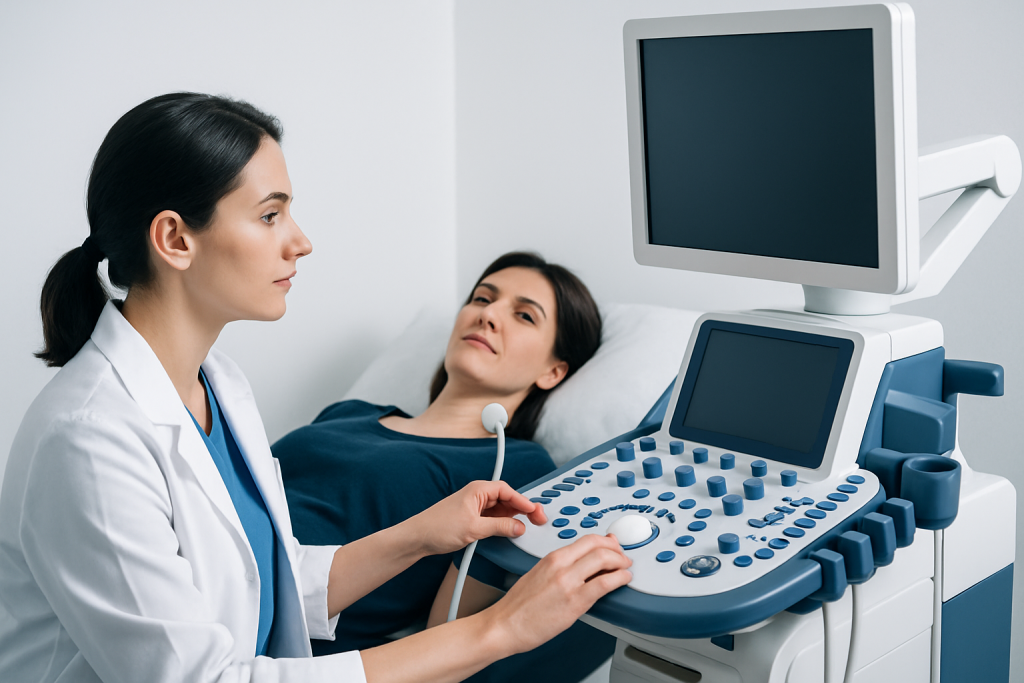
Many people with subclinical hypothyroidism have no symptoms at all. When symptoms do appear, they are usually mild and nonspecific, which makes them easy to attribute to stress, travel, sleep disruption, aging, or another health issue.
Possible symptoms may include:
- Fatigue or low energy
- Feeling colder than usual
- Constipation
- Dry skin
- Mild mood changes or slower thinking
- Menstrual irregularity in some women
- Subtle weight gain or difficulty losing weight
Because these complaints are common in many situations, doctors usually avoid diagnosing thyroid disease based on symptoms alone. Blood testing and follow-up over time help show whether the thyroid finding is meaningful or temporary.
Causes & Risk Factors

Subclinical hypothyroidism can develop for several reasons. The most common cause is Hashimoto’s thyroiditis, an autoimmune condition in which the immune system gradually affects the thyroid gland. In this setting, thyroid hormone production may decline slowly, so the first abnormality is often a raised TSH level.
Other causes and contributors may include previous thyroid surgery, radioactive iodine treatment, certain medications, recovery from a recent illness, or temporary changes in thyroid function. Sometimes the result is seen once and then returns to normal on repeat testing.
People may be at higher risk if they have:
- A personal or family history of thyroid disease
- Other autoimmune conditions
- Prior neck irradiation or thyroid treatment
- Pregnancy or plans for pregnancy
- Older age
- Positive thyroid antibodies on blood testing
In pregnancy, thyroid balance deserves special attention because both underactive and borderline thyroid function can influence care planning. For that reason, doctors often use a lower threshold for investigation and closer monitoring in people who are pregnant or trying to conceive.
Diagnosis
Diagnosis begins with a simple blood test, but interpretation is more nuanced than reading a single abnormal value. Doctors usually look at TSH and free T4 together. Subclinical hypothyroidism is generally suspected when TSH is above the reference range while free T4 remains normal.
Because thyroid levels can vary from day to day, repeat testing is often recommended before any long-term decision is made. A follow-up test may be done after several weeks or months, depending on the degree of TSH elevation, symptoms, pregnancy status, and whether there are other medical concerns.
Additional tests may include thyroid antibody testing, which can help identify autoimmune thyroid disease and estimate the chance of progression. In some cases, doctors also review medications, recent illness, iodine exposure, and other factors that might explain a temporary change in thyroid results. Imaging is not always needed and is usually reserved for specific situations such as a goiter or a thyroid nodule.
Treatment Options
Treatment is individualized rather than automatic. Some people benefit from thyroid hormone replacement, while others are best managed with observation and repeat blood tests. The decision depends on the degree of TSH elevation, age, symptoms, pregnancy status, antibody results, and overall health.
When treatment is chosen, it usually involves levothyroxine, a synthetic form of thyroid hormone. The goal is to restore a balanced hormone level and reduce the chance of progression, while avoiding overtreatment. Doctors monitor the response through follow-up blood tests and symptom review.
In other cases, especially when TSH is only mildly elevated and there are no symptoms or special risk factors, watchful waiting is reasonable. This approach is not passive; it is a structured plan that may include:
- Repeat TSH and free T4 testing
- Review of symptoms over time
- Assessment for autoimmune thyroid disease
- Discussion of pregnancy plans or fertility treatment
For patients traveling from abroad, treatment decisions are often made with future follow-up in mind. A clear plan for monitoring, communication, and sharing laboratory results with the home physician helps care remain consistent after returning home.
Prevention & Self-care
Not every case of subclinical hypothyroidism can be prevented, especially when the cause is autoimmune. Still, healthy habits and practical follow-up can support thyroid care and make it easier to notice changes early.
People are usually advised to keep appointments for repeat testing rather than assuming a mild abnormality will resolve on its own. If thyroid medication is prescribed, it should be taken exactly as instructed, with attention to how it may interact with food, supplements, or other medicines. Many thyroid plans also involve separating the medication from iron or calcium supplements, but the prescribing doctor should give the safest individual guidance.
Useful self-care steps include:
- Keeping a record of symptoms, lab results, and medication changes
- Informing the doctor about pregnancy or plans for pregnancy
- Reviewing all medicines and supplements with the care team
- Avoiding self-treatment with thyroid products not prescribed by a clinician
- Maintaining regular sleep, nutrition, and stress-management habits
For people receiving care during international travel, organizing reports in a single folder or digital file can make follow-up easier. That includes laboratory results, imaging if performed, and the clinician’s notes about whether observation or treatment was recommended.
When to See a Doctor
A doctor should be consulted if a blood test shows elevated TSH, even when symptoms are absent. It is also important to seek medical advice if there is persistent fatigue, constipation, sensitivity to cold, menstrual changes, or unexplained changes in weight or mood, especially if more than one symptom is present.
Prompt review is particularly important in pregnancy, preconception care, fertility treatment, or if there is a history of thyroid disease. People who already have thyroid antibodies, a goiter, or changing lab values may also need closer attention.
Medical follow-up is sensible if symptoms worsen, if new medicines are started, or if thyroid results shift on repeat testing. A qualified clinician can determine whether the finding is temporary, whether observation is enough, or whether treatment would be useful. For international patients, Acibadem Health Point’s multidisciplinary specialists and JCI-accredited hospitals can help diagnose and treat subclinical hypothyroidism with coordinated care planning across visits.
Living With the Diagnosis
For many people, subclinical hypothyroidism becomes a condition of careful observation rather than a major disruption. The key is to understand what the lab results mean in that specific person’s context, not to assume the same plan fits everyone. Some patients need only periodic reassessment; others do better with treatment, especially when future pregnancy or autoimmune thyroid disease is part of the picture.
Clear communication helps. Patients benefit from knowing when to repeat blood tests, which symptoms should be reported, and who will interpret the results if they are moving between countries or healthcare systems. That kind of continuity often prevents unnecessary worry and makes the next decision easier.
When a thyroid result is handled thoughtfully, the condition is usually very manageable. The aim is not simply to normalize a number, but to support stable health, sensible monitoring, and informed decisions over time.
Frequently asked questions
What does subclinical hypothyroidism mean?
It means the thyroid-stimulating hormone, or TSH, is elevated while the main thyroid hormone level is still normal. This pattern suggests the thyroid may be under early or mild strain, but it does not always cause illness.
Do all people with subclinical hypothyroidism need treatment?
No. Some people are monitored with repeat blood tests instead of starting medication, especially if the TSH elevation is mild and there are no symptoms or special risk factors. The decision depends on age, pregnancy status, thyroid antibodies, and the overall clinical picture.
Can subclinical hypothyroidism go away on its own?
Yes, sometimes the abnormal result returns to normal, particularly if it was temporary or related to another factor such as recent illness. That is why doctors often repeat testing before making a long-term plan.
Is subclinical hypothyroidism the same as hypothyroidism?
No. In subclinical hypothyroidism, thyroid hormone levels are still in the normal range, whereas overt hypothyroidism usually shows low thyroid hormone levels as well. The two conditions are related, but they are not identical.
Can subclinical hypothyroidism affect pregnancy?
It can matter in pregnancy and when trying to conceive, so doctors often follow thyroid results more closely in that setting. Management is individualized because thyroid balance is especially important during reproductive care.
What tests are usually done after an abnormal TSH result?
Doctors commonly repeat TSH and free T4 tests to confirm the finding. They may also check thyroid antibodies and review medications, recent illness, and pregnancy status to understand the cause.
References
- American Thyroid Association
- Endocrine Society
- Mayo Clinic
- National Institute of Diabetes and Digestive and Kidney Diseases
- NHS
This article is for general information only and is not a substitute for professional medical advice. Please consult a qualified doctor about your individual situation.