Thyroid Peroxidase Antibodies

Key Takeaways
- TPO antibodies are markers of thyroid autoimmunity, not a disease by themselves.
- A positive result is often seen in Hashimoto thyroiditis and can also appear in Graves’ disease.
- Results are interpreted together with TSH, free T4, symptoms, and sometimes ultrasound findings.
- Some people with positive antibodies have normal thyroid function and may only need monitoring.
- Treatment focuses on thyroid hormone management when thyroid function becomes underactive or overactive.
Thyroid peroxidase antibodies are immune proteins that can signal the body is reacting against the thyroid gland. They are often checked when thyroid symptoms, abnormal hormone tests, or autoimmune thyroid disease are suspected.
Overview
Thyroid peroxidase antibodies, often shortened to TPO antibodies, are immune proteins that target an enzyme the thyroid uses to make hormones. When these antibodies are present, they can be a clue that the immune system is paying unusual attention to the thyroid gland.
A TPO antibody result is not used alone to make a diagnosis. Clinicians interpret it alongside thyroid-stimulating hormone (TSH), free T4, symptoms, medical history, and sometimes imaging. For many people, the test helps explain why thyroid function is drifting out of range or why a person may be at higher risk of developing thyroid problems in the future.
For international patients planning care abroad, this test is often part of a broader thyroid evaluation rather than a standalone answer. A clear discussion with an endocrinologist can help translate the laboratory report into a practical plan, including whether follow-up is needed after returning home.
Symptoms
Positive TPO antibodies themselves do not cause a specific symptom pattern. The symptoms usually come from the thyroid condition that may be associated with the antibodies, especially if hormone levels are no longer in balance.
When thyroid function becomes underactive, people may notice fatigue, constipation, dry skin, weight gain, feeling cold, slowed thinking, hair thinning, or heavier menstrual bleeding. When thyroid function becomes overactive, symptoms can include palpitations, heat intolerance, restlessness, tremor, weight loss, or difficulty sleeping.
Some people with thyroid autoimmunity have no obvious symptoms at first. In that setting, the antibody test may be an early signal that thyroid function should be watched over time, particularly if there is a family history of autoimmune disease, pregnancy-related concerns, or a previously abnormal TSH result.
Causes & Risk Factors

TPO antibodies are associated with autoimmune thyroid disease, which means the immune system mistakenly identifies part of the thyroid as something it should react against. The most common condition linked to elevated TPO antibodies is Hashimoto thyroiditis, a leading cause of hypothyroidism in many settings. They can also be present in Graves’ disease and, less commonly, in people with other autoimmune conditions.
Several factors may make thyroid autoimmunity more likely. These include a family history of autoimmune thyroid disease, having another autoimmune disorder, being female, certain pregnancy-related changes, and genetic susceptibility. Environmental factors may also influence risk, though they do not determine the outcome on their own.
It is important to remember that a positive antibody test does not automatically mean thyroid hormone levels are abnormal today. Some individuals remain euthyroid, meaning the thyroid is still working normally, but they may have a higher chance of developing thyroid dysfunction later.
Diagnosis
Testing usually begins with blood work. TSH is often the first and most sensitive screening test for thyroid function, and free T4 helps show whether the thyroid is underactive or overactive. If autoimmunity is suspected, a clinician may order TPO antibodies and sometimes thyroglobulin antibodies or other tests depending on the clinical picture.
Doctors look at the whole pattern rather than one number in isolation. A raised TPO antibody level may support a diagnosis of Hashimoto thyroiditis when TSH is high and free T4 is low or drifting downward. If the picture is unclear, repeat testing over time can be more informative than a single result.
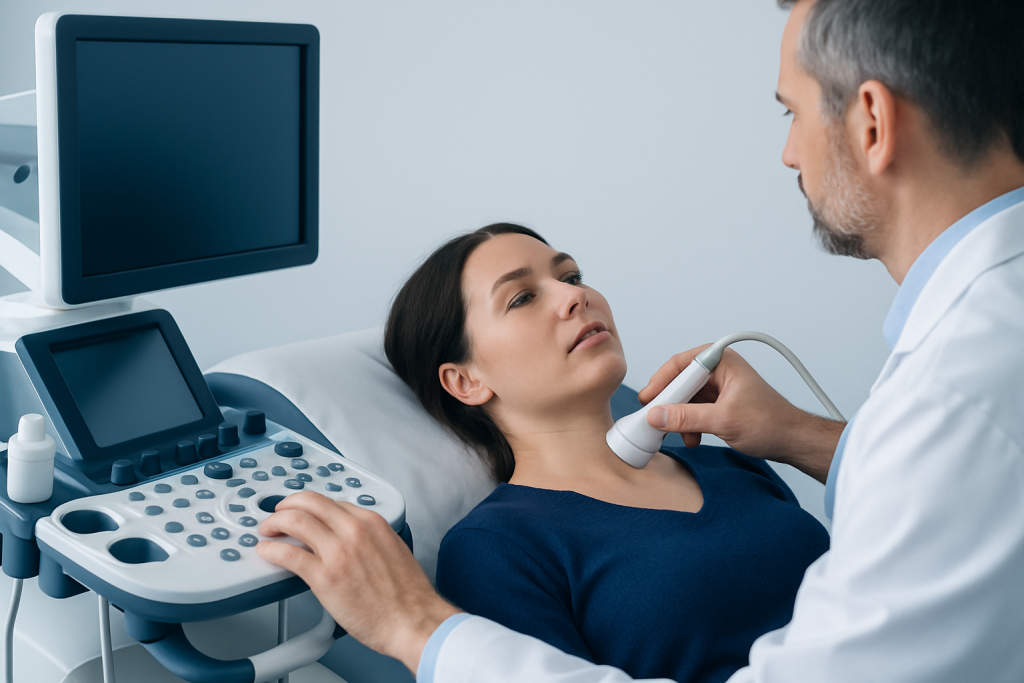
In some cases, thyroid ultrasound may be recommended, especially if the gland feels enlarged, nodules are suspected, or the diagnosis needs further clarification. For patients traveling for evaluation, it is helpful to keep copies of prior thyroid labs, medication lists, and any imaging so the specialist can compare results accurately.
Treatment Options
TPO antibodies themselves are not usually treated directly. Instead, treatment focuses on the thyroid condition that may accompany the antibodies and the symptoms or hormone changes it causes.
If hypothyroidism is present, thyroid hormone replacement is commonly used to restore hormone levels to a healthy range. If thyroid function is still normal, the usual approach may be observation with periodic blood tests rather than immediate medication. In Graves’ disease or other hyperthyroid states, treatment may involve medicines, radioactive iodine, or surgery depending on the individual situation.
The right plan depends on age, symptom burden, pregnancy status, other medical conditions, and the rate at which thyroid values are changing. An endocrinologist can explain whether treatment is needed now or whether careful monitoring is the safest choice.
- Hormone replacement for underactive thyroid
- Monitoring when thyroid function is still normal
- Targeted treatment for hyperthyroidism when present
- Follow-up blood tests to check response and stability
Prevention & Self-care
There is no proven way to prevent thyroid autoimmunity entirely, but people can still take useful steps to support thyroid health and overall wellbeing. The main goal is early recognition and consistent follow-up rather than trying to force antibody levels down with unproven remedies.
Taking thyroid medication exactly as prescribed, if it has been started, is essential. It is also helpful to review supplements with a clinician, because products containing iodine, biotin, or other ingredients can interfere with thyroid testing or, in some cases, worsen thyroid imbalance. A balanced diet, adequate sleep, and routine medical follow-up all support long-term management.
When care is being coordinated across countries, keeping a simple thyroid record can make follow-up easier. A patient may want to save the dates and results of TSH, free T4, and antibody tests, note any medication changes, and share that information with the next doctor.
When to See a Doctor
A medical review is appropriate if there are symptoms that suggest thyroid dysfunction, such as persistent fatigue, unexplained weight change, palpitations, temperature intolerance, or changes in mood, bowel habits, or menstrual cycles. Testing is also reasonable when a family history of autoimmune thyroid disease is present or when previous blood work has shown an abnormal TSH.
Pregnancy is a particularly important time to discuss thyroid antibodies and thyroid function with a clinician, because even mild thyroid imbalance can matter. People who already have a diagnosed thyroid condition should seek follow-up if symptoms change, medication seems less effective, or a new lab result is confusing.
For international patients who want a structured evaluation, Acibadem Health Point’s multidisciplinary specialists and JCI-accredited hospitals can diagnose and treat thyroid conditions in a coordinated way, with attention to both the initial work-up and follow-up planning after travel.
Frequently asked questions
What do thyroid peroxidase antibodies mean?
They mean the immune system is making antibodies that target a thyroid enzyme. This often suggests autoimmune thyroid activity, but it does not always mean the thyroid is already underactive or overactive.
Can someone have TPO antibodies and still have normal thyroid function?
Yes. Some people have positive TPO antibodies while their TSH and free T4 remain normal. In that situation, the clinician may recommend periodic monitoring rather than immediate treatment.
Are TPO antibodies the same as Hashimoto thyroiditis?
No, they are not the same thing. TPO antibodies are a test result, while Hashimoto thyroiditis is a diagnosis; a positive result can support that diagnosis when the rest of the clinical picture fits.
Do thyroid peroxidase antibodies need treatment?
The antibodies themselves usually are not treated directly. Management focuses on whether the thyroid hormone levels are normal, low, or high, and on the person’s symptoms and overall health.
Can TPO antibodies go away?
Levels can change over time, but the result is not usually the main target of treatment. Doctors are more concerned with how the thyroid is functioning and whether the person needs medication or monitoring.
Should TPO antibody testing be repeated?
Sometimes, but not always. Repeat testing is usually considered when the diagnosis is uncertain, symptoms change, or thyroid function needs ongoing monitoring.
References
- American Thyroid Association
- National Institute of Diabetes and Digestive and Kidney Diseases
- Mayo Clinic
- Endocrine Society
- British Thyroid Foundation
This article is for general information only and is not a substitute for professional medical advice. Please consult a qualified doctor about your individual situation.