High Blood Sugar Symptoms

Key Takeaways
- High blood sugar may cause thirst, frequent urination, fatigue, blurred vision, and headaches, though some people have few symptoms at first.
- Symptoms can arise from diabetes, illness, stress, certain medicines, or problems with insulin production or use.
- A clinician may confirm high blood sugar with blood tests such as fasting glucose, random glucose, or HbA1c.
- Treatment depends on the cause and may include hydration, changes in medication, and a long-term plan for glucose control.
- Urgent medical help is needed if high blood sugar comes with vomiting, confusion, deep breathing, or signs of dehydration.
High blood sugar can build quietly or announce itself with clear warning signs such as thirst, frequent urination, tiredness, and blurred vision. Recognizing these symptoms early helps a person seek timely medical advice and protect their long-term health.
Overview
High blood sugar, also called hyperglycemia, means there is too much glucose in the bloodstream. Glucose is the body’s main fuel, but it needs insulin and other regulatory hormones to move into cells where it can be used. When that balance is disrupted, symptoms may appear gradually or, in some situations, quite suddenly.
For many people, the first clues are easy to dismiss: more trips to the bathroom, a dry mouth, a stronger-than-usual thirst, or fatigue that does not seem to improve with rest. Others notice changes only after a routine blood test. Because the pattern can vary, it helps to understand the full range of high blood sugar symptoms rather than waiting for a single dramatic sign.
This information is especially useful for international patients who may be planning a medical trip, managing diabetes while traveling, or trying to make sense of symptoms while away from their usual care team. Knowing what to watch for can make conversations with a doctor more focused and productive.
Symptoms
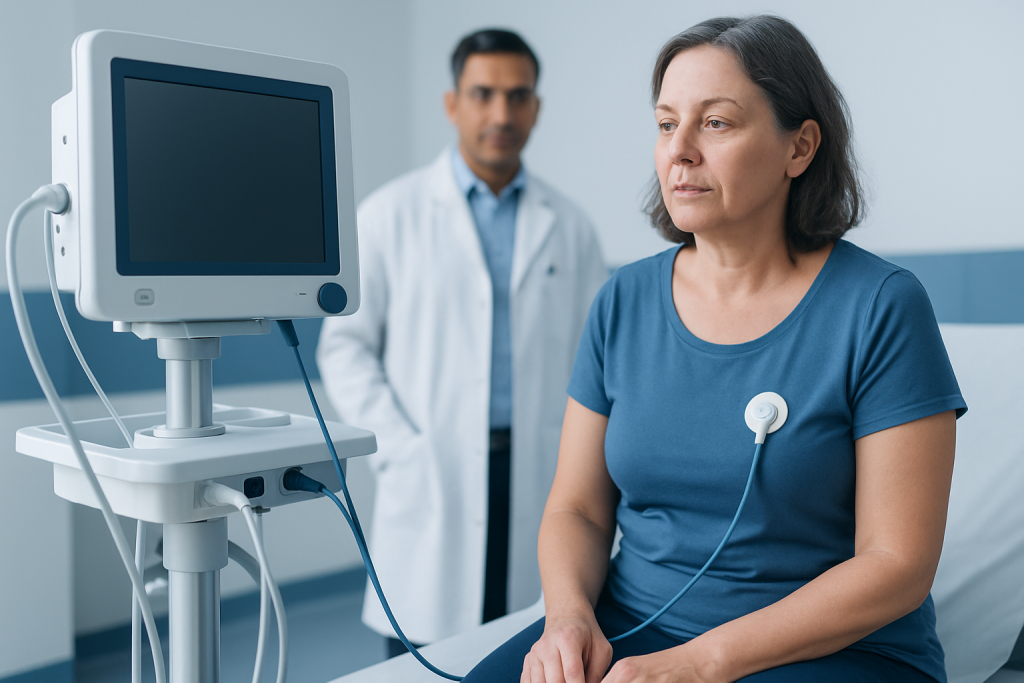
High blood sugar does not always feel the same from person to person. Some symptoms come from the body trying to get rid of extra glucose through urine; others reflect the way cells struggle to access fuel. The result can be a mix of physical and cognitive changes that range from mild to more noticeable.
Common high blood sugar symptoms include:
- Increased thirst
- Frequent urination, including waking at night to urinate
- Dry mouth
- Fatigue or low energy
- Blurred vision
- Headache
- Increased hunger, sometimes even after eating
- Weight loss that is not planned, especially when glucose stays high for longer periods
- Slow-healing cuts or frequent skin infections
- Difficulty concentrating or a “foggy” feeling
In children and older adults, symptoms can be less straightforward. A child may seem unusually thirsty, restless, or tired, while an older adult may present with confusion, weakness, or dehydration rather than classic thirst. Some people with early type 2 diabetes or prediabetes have few symptoms, which is why testing matters even when the body seems only mildly changed.
When blood sugar rises very high, symptoms may intensify. Nausea, vomiting, abdominal pain, rapid breathing, or sleepiness can suggest a more serious situation that needs prompt medical assessment.
Causes & Risk Factors

High blood sugar usually develops when the body does not make enough insulin, does not use insulin effectively, or both. Diabetes is the most common reason, but it is not the only one. Illness, surgery, emotional stress, dehydration, and some medicines can all push glucose higher for a period of time.
Other contributors may include corticosteroids, some treatments for psychiatric conditions, certain diuretics, and changes in daily routine. For travelers, long-distance flights, altered meal timing, missed doses of diabetes medicine, and dehydration can also disturb glucose control. People already living with diabetes may notice higher readings during infections, after steroid treatment, or when pain and stress are increased.
Risk factors for hyperglycemia include:
- A personal or family history of diabetes
- Overweight or obesity
- Physical inactivity
- Polycystic ovary syndrome
- Gestational diabetes in the past
- High blood pressure or abnormal cholesterol
- Use of certain medications, especially steroids
- Recent illness, infection, or major stress
Understanding risk factors does not mean symptoms should be self-diagnosed. It simply helps a person and their doctor decide whether testing is worthwhile and how urgently it should be arranged.
Diagnosis
Doctors usually diagnose high blood sugar with blood tests. If symptoms are present, a clinician may check glucose soon after the patient arrives, sometimes even before all other details are discussed. That immediate result can help identify whether the symptoms are likely linked to hyperglycemia or point toward another issue.
Tests commonly used include fasting blood glucose, random blood glucose, and HbA1c. HbA1c reflects average glucose over a longer period and can help show whether the problem is occasional or ongoing. In some situations, urine tests, ketone testing, or additional labs may be needed to assess dehydration, infection, or a possible metabolic emergency.
Diagnosis also includes a conversation about timing. A doctor may ask when the symptoms began, whether they change after meals, whether there has been recent illness, and what medicines are being taken. For international patients, bringing a medication list, prior lab results, and a summary of any recent hospital care can make the first appointment much smoother, especially if records are from another country.
Treatment Options
Treatment depends on the cause and the level of blood sugar elevation. A short-lived increase due to illness may be managed differently from diabetes that needs long-term control. The key aim is to lower glucose safely while addressing what triggered the rise in the first place.
For people with diabetes, treatment may involve adjusting meal planning, physical activity, oral medications, non-insulin injectable medicines, or insulin. If a medicine side effect is contributing, a doctor may consider alternatives. When high blood sugar is linked to dehydration or infection, treating those problems is equally important. In some cases, a person may need urgent care for fluids, close monitoring, or correction of ketones.
It is important not to change prescribed treatment on one’s own based only on symptoms. A home glucose monitor can provide helpful information, but the safest plan is usually built with a clinician who understands the full medical picture. That is particularly relevant for patients who are balancing time-zone changes, travel schedules, and follow-up appointments across borders.
Prevention & Self-care
Preventing high blood sugar starts with steady daily habits and awareness of personal patterns. People who already know they have diabetes often do best when they monitor glucose as advised, keep meals reasonably consistent, and stay hydrated. Even simple measures can make a meaningful difference when routines are disrupted by work, travel, or illness.
Helpful self-care steps include:
- Drink enough fluids, especially during hot weather, illness, or long flights
- Follow a diabetes meal plan if one has been recommended
- Take medicines exactly as prescribed
- Check blood sugar regularly if advised by a doctor
- Plan ahead for travel, including medicines, supplies, and time-zone changes
- Ask a clinician how to manage sick days, reduced appetite, or vomiting
- Keep follow-up appointments so treatment can be adjusted before problems build up
People without a diabetes diagnosis can still lower risk by staying active, maintaining a balanced diet, reaching and keeping a healthy weight, and having screening tests when recommended. If symptoms seem to appear after starting a new medicine, it is reasonable to ask the prescribing doctor whether glucose monitoring is needed.
When to See a Doctor
A doctor should be consulted if high blood sugar symptoms are repeated, lasting, or interfering with daily life. Increased thirst and urination, persistent fatigue, blurred vision, or unexplained weight loss deserve evaluation even when symptoms seem mild. Early testing can clarify whether the issue is prediabetes, diabetes, medication-related, or something else entirely.
More urgent care is appropriate if high blood sugar comes with vomiting, severe weakness, confusion, deep or rapid breathing, marked drowsiness, or signs of dehydration such as a very dry mouth and little urine. These symptoms can indicate a dangerous metabolic problem that should not wait.
For patients traveling for treatment, it can be reassuring to know that multidisciplinary teams can coordinate evaluation, testing, and follow-up planning in one place. Acibadem Health Point’s multidisciplinary specialists and JCI-accredited hospitals diagnose and treat this condition for international patients, with care designed to support both immediate management and longer-term continuity.
Frequently asked questions
What are the most common high blood sugar symptoms?
The most common signs are increased thirst, frequent urination, dry mouth, fatigue, and blurred vision. Some people also notice headaches, increased hunger, or trouble concentrating. In early stages, symptoms may be mild or easy to overlook.
Can high blood sugar happen without diabetes?
Yes, it can. Illness, stress, dehydration, and certain medicines can raise blood sugar even in someone who does not have diabetes. Repeated episodes, however, should be assessed by a doctor.
How is high blood sugar confirmed?
Doctors confirm it with blood tests such as fasting glucose, random glucose, or HbA1c. In some situations, they may also check urine or blood ketones and look for dehydration or infection. The best test depends on the symptoms and how long they have been present.
When should high blood sugar be considered urgent?
Urgent evaluation is important if symptoms include vomiting, confusion, deep or rapid breathing, severe sleepiness, or obvious dehydration. These signs can suggest a serious complication that needs prompt medical treatment. If a person is unsure, it is safer to seek medical advice quickly.
Can travel make blood sugar harder to control?
Yes. Travel can change meal timing, activity, sleep, hydration, and medicine schedules, all of which may affect glucose levels. Planning ahead with a doctor can help reduce surprises during a trip.
What can someone do at home if they suspect high blood sugar?
If a person has a glucose meter and has been taught how to use it, checking the reading can be helpful. Drinking water and following the prescribed diabetes plan are reasonable general steps, but symptoms that are strong or worsening should be reviewed by a clinician.
References
- American Diabetes Association
- Centers for Disease Control and Prevention
- National Institute of Diabetes and Digestive and Kidney Diseases
- World Health Organization
- Mayo Clinic
This article is for general information only and is not a substitute for professional medical advice. Please consult a qualified doctor about your individual situation.