What Causes Low Blood Sugar Without Diabetes

Key Takeaways
- Low blood sugar without diabetes is possible and can have several different causes.
- Symptoms often include shakiness, sweating, hunger, dizziness, and confusion.
- A doctor may need to check blood tests during an episode to find the reason.
- Treatment depends on the cause and may include diet changes, medication review, or treatment of an underlying condition.
- Persistent, severe, or unexplained episodes should be medically evaluated.
Low blood sugar can happen even in people who do not have diabetes. In many cases, it is linked to fasting, medications, alcohol, hormone problems, or certain medical conditions that affect how the body makes, stores, or uses glucose.
Overview
Low blood sugar, also called hypoglycemia, is usually discussed in relation to diabetes. Yet it can also appear in people who have never been diagnosed with diabetes, which can make the experience confusing and unsettling. The body relies on a steady supply of glucose for energy, especially for the brain, so even a temporary drop can cause noticeable symptoms.
When hypoglycemia happens without diabetes, the first question is not only how to raise the blood sugar, but why it fell in the first place. The answer may be simple, such as skipping meals, or it may involve a medication effect, alcohol use, a hormone imbalance, or another medical condition. Understanding the pattern matters because the best treatment depends on the cause.
For people arranging care from another country, this is often a condition that benefits from careful evaluation rather than guesswork. A detailed history, timed blood tests, and a review of daily routines can help clinicians separate occasional low readings from a pattern that needs treatment.
Symptoms
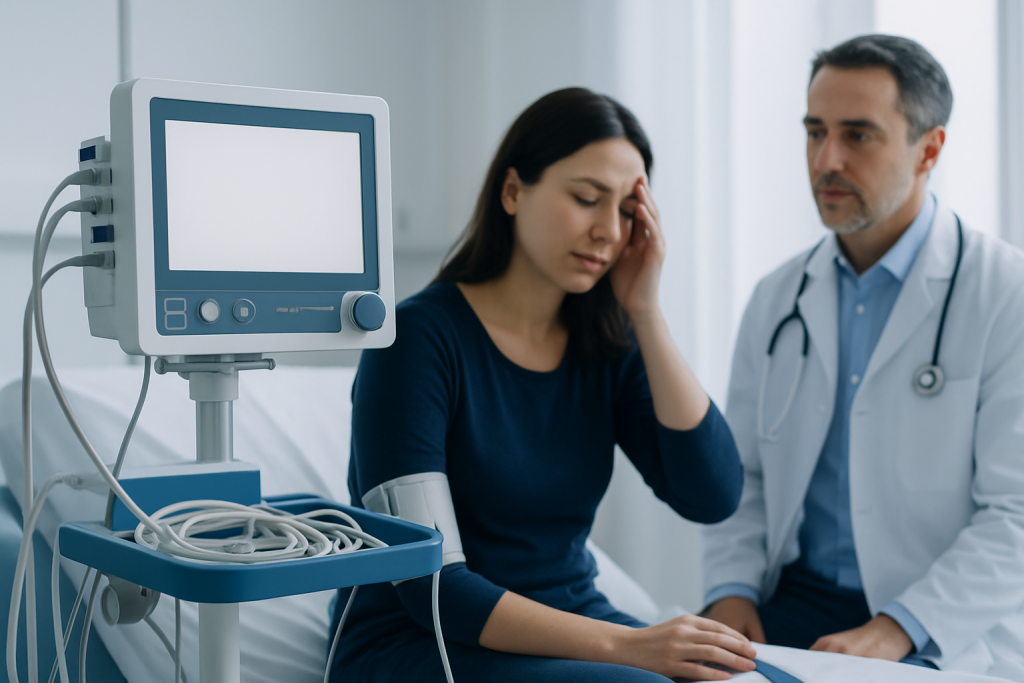
Low blood sugar can produce a mix of physical and mental symptoms. Some people notice the warning signs early; others may feel them develop quickly. Common symptoms include shakiness, sweating, hunger, palpitations, lightheadedness, weakness, headache, irritability, anxiety, blurred vision, and trouble concentrating.
If the glucose level drops further, symptoms may become more serious. Confusion, unusual behavior, drowsiness, slurred speech, poor coordination, or fainting can occur. In severe cases, a person may have a seizure or become unresponsive, which is a medical emergency.
Symptoms do not always mean blood sugar is low, and blood sugar can be low even when symptoms are mild. That is why a doctor may ask whether the person felt better after eating or drinking something with sugar and whether the episode happened after fasting, exercise, alcohol intake, or a specific medication.
Causes & Risk Factors
There are several possible reasons for low blood sugar in someone without diabetes. One common cause is not eating for a long time, especially after exercise or during illness. People who have poor nutrition, unintentional weight loss, eating disorders, or difficulty keeping food down may also be at risk.
Medicines are another important factor. Some drugs used for other conditions can lower glucose as a side effect, and accidental exposure to diabetes medications can also cause hypoglycemia. Alcohol may contribute as well, particularly when it is consumed without food or in larger amounts, because it can interfere with the liver’s ability to release glucose.
Other causes are less common but important to rule out. These include hormone problems such as adrenal insufficiency or pituitary disorders, severe liver or kidney disease, infections, insulin-producing tumors of the pancreas, and conditions that affect digestion or nutrient absorption. In rare cases, an autoimmune issue can cause the body to produce antibodies that disturb glucose regulation.
Risk factors may include:
- Skipping meals or prolonged fasting
- Heavy or unplanned alcohol use
- Recent major illness, surgery, or hospitalization
- Use of certain prescription medicines
- Hormonal disorders
- Diseases affecting the liver, kidney, or pancreas
Diagnosis
Diagnosing non-diabetic hypoglycemia usually starts with a careful conversation about the timing of symptoms, recent food intake, exercise, alcohol, medication use, and any other health problems. Because low blood sugar can come and go, the exact moment when symptoms happen can be more informative than a single routine lab result.
Doctors often try to confirm whether the person meets the classic pattern of hypoglycemia during an episode and whether symptoms improve when glucose rises. If possible, blood tests are drawn at the time of low blood sugar. These may include glucose, insulin, C-peptide, cortisol, liver and kidney function tests, and other studies based on the suspected cause.
Additional testing may be needed if episodes happen repeatedly or if a hormonal, pancreatic, or systemic condition is suspected. In some situations, imaging or supervised fasting tests are used to observe how the body behaves under controlled conditions. The aim is not only to label the problem, but to identify the mechanism so treatment can be targeted and safe.
Treatment Options
Treatment depends on what is driving the low blood sugar. If the episode is mild and the person is awake and able to swallow, a quick source of carbohydrate may help raise glucose. After that, a more sustaining snack or meal is often needed to reduce the chance of another drop.
If medication is the cause, the prescribing doctor may review the regimen and adjust or stop the drug if appropriate. If alcohol is contributing, reducing or avoiding alcohol may be recommended, especially on an empty stomach. When an underlying disorder is found, treatment focuses on that condition, such as hormone replacement for adrenal insufficiency or specific care for liver, kidney, or pancreatic disease.
Some causes require specialist management. For example, an insulin-producing tumor usually needs evaluation by an endocrinologist and sometimes a surgeon. In international care settings, patients often benefit from a coordinated team that can complete testing efficiently, explain the plan clearly, and arrange follow-up once they return home.
Prevention & Self-care
For many people, the most effective prevention starts with regular eating patterns. Skipping meals, especially after exercise or during a long travel day, can set the stage for a low episode. Balanced meals that include protein, fiber, and complex carbohydrates may help provide steadier energy.
It can also help to pay attention to personal triggers. Some people notice symptoms after prolonged exercise, alcohol use, or illness. Keeping a simple log of symptoms, meals, and activity can help a doctor spot patterns and guide next steps. If a person has had recurrent episodes, carrying a quick source of sugar is sensible, along with a plan for when to seek urgent help.
Practical self-care steps may include:
- Eating meals and snacks at consistent times
- Not exercising on an empty stomach if this has triggered symptoms before
- Limiting alcohol, especially without food
- Reviewing all medications with a doctor or pharmacist
- Staying hydrated and managing illness promptly
- Seeking evaluation for repeated or unexplained episodes
For patients traveling for care, it can be useful to bring a medication list, prior lab results, and a brief symptom diary. These details often shorten the path to a diagnosis and help the local team make follow-up planning easier after the trip.
When to See a Doctor
A medical evaluation is important if low blood sugar happens more than once, occurs without a clear reason, or appears after starting a new medication. It is also worth discussing with a doctor if symptoms are interfering with daily life, if there is unintentional weight loss, or if there are signs of liver, kidney, endocrine, or digestive problems.
Urgent care is needed if the person becomes confused, has a seizure, faints, or cannot safely swallow. These situations can progress quickly and should not be managed alone. Even after a single severe episode, follow-up is wise so the cause can be identified and future events can be prevented.
Acibadem Health Point’s multidisciplinary specialists and JCI-accredited hospitals diagnose and treat this condition for international patients with coordinated, medically grounded care. The focus is on accurate testing, clear explanation, and a practical plan that supports recovery and follow-up across borders.
Frequently asked questions
Can you have low blood sugar without diabetes?
Yes. Low blood sugar can occur in people without diabetes for several reasons, including not eating, alcohol use, certain medications, hormone disorders, or other medical conditions. Repeated episodes should be evaluated rather than ignored.
What are the first signs of low blood sugar?
Early symptoms often include shakiness, sweating, hunger, dizziness, and a fast heartbeat. Some people also notice anxiety, blurred vision, or difficulty focusing.
Is one skipped meal enough to cause low blood sugar?
For some people, yes, especially if they have been exercising, drinking alcohol, or recovering from illness. For others, repeated episodes suggest there may be another factor that needs medical attention.
How do doctors find the cause?
Doctors usually review symptoms, medications, food intake, alcohol use, and medical history, then order blood tests during an episode if possible. Additional hormone tests or imaging may be needed depending on the suspected cause.
What should someone do during a mild episode?
If the person is awake and able to swallow, taking a quick source of carbohydrate can help. After that, a more substantial snack or meal may help keep blood sugar from dropping again.
When is low blood sugar an emergency?
It is urgent if the person faints, has a seizure, becomes confused, or cannot swallow safely. In those situations, emergency medical help should be sought right away.
References
- World Health Organization
- Mayo Clinic
- MedlinePlus
- National Institute of Diabetes and Digestive and Kidney Diseases
- Endocrine Society
This article is for general information only and is not a substitute for professional medical advice. Please consult a qualified doctor about your individual situation.