Neurosis

Key Takeaways
- Neurosis is not a formal modern diagnosis, but it often refers to long-lasting anxiety, distress, or obsessive worry.
- Symptoms may include restlessness, irritability, sleep problems, muscle tension, or trouble concentrating.
- Treatment usually focuses on psychotherapy, stress management, and sometimes medication when a clinician recommends it.
- A proper evaluation helps distinguish anxiety-related symptoms from medical conditions that can look similar.
- Recovery is often improved by consistent routines, social support, and follow-up with a qualified mental health professional.
Medically reviewed by the Acıbadem clinical team — August 19, 2026
Neurosis is an older term that is still sometimes used in everyday language to describe persistent emotional distress, worry, or physical tension linked to anxiety-related conditions. Understanding the term can help a person recognize when stress has become more than a passing phase and when professional support may be useful.
Overview
The word neurosis appears in older medical writing and in everyday speech, but it is not used as a formal diagnosis in many modern classification systems. Today, clinicians more often describe the underlying condition directly, such as generalized anxiety disorder, panic disorder, obsessive-compulsive disorder, or stress-related symptoms.
People usually search for this term when they are trying to make sense of a familiar pattern: worry that does not settle, tension that seems to live in the body, or emotions that feel harder to control than they should. The important point is not the label itself, but whether the symptoms are affecting sleep, work, relationships, travel, or the ability to enjoy normal life.
For international patients, these concerns can surface during major transitions such as relocating, seeking care abroad, or managing family responsibilities from a distance. In that setting, a clear clinical assessment can be especially helpful because stress reactions may overlap with jet lag, medical uncertainty, language barriers, or disruption in daily routine.
Symptoms
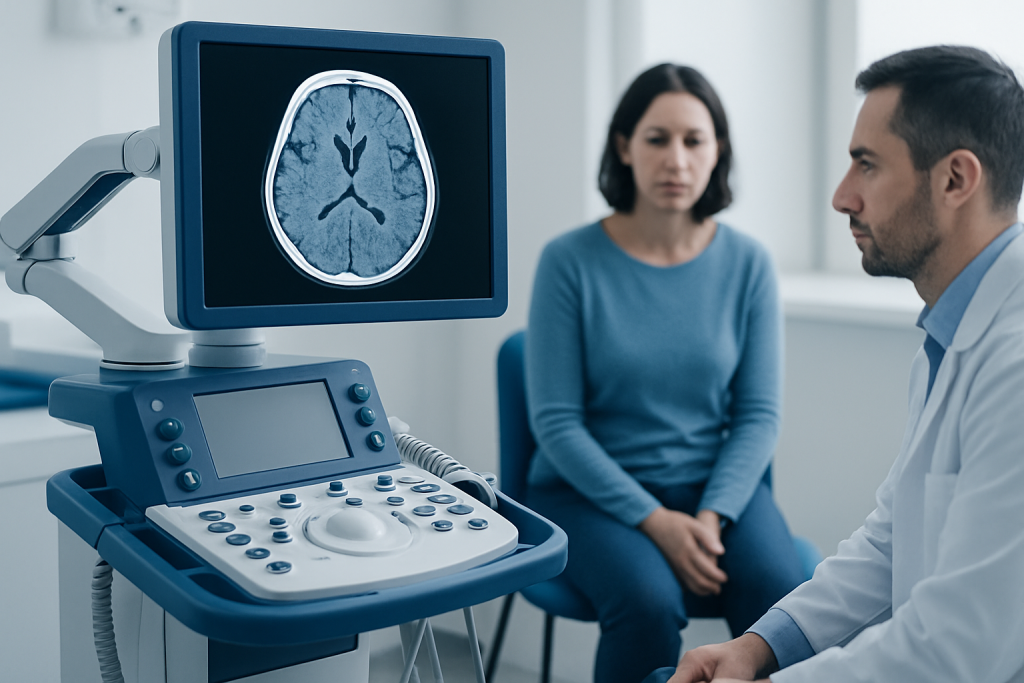
Symptoms associated with what people often call neurosis can be emotional, physical, or behavioral. Some people notice a steady background of worry; others feel irritable, on edge, or overwhelmed by minor decisions. The experience can be very personal, which is one reason a thorough conversation with a clinician matters.
Common features may include:
- Persistent anxiety or excessive worry
- Restlessness or feeling unable to relax
- Sleep disturbance, including trouble falling or staying asleep
- Muscle tension, headaches, or a tight chest
- Trouble concentrating or feeling mentally “stuck”
- Heightened sensitivity to criticism, conflict, or uncertainty
- Compulsive checking, reassurance-seeking, or avoidance behaviors
These symptoms can come and go, or they may build slowly over time. They do not mean a person is “weak” or “overreacting.” They often reflect a nervous system that has become overworked, especially after prolonged stress, loss, trauma, or ongoing pressure.
Because anxiety can show up in the body, people sometimes first seek help for stomach discomfort, palpitations, fatigue, or dizziness. A careful evaluation is useful because the same complaints can also appear with medical conditions that need separate treatment.
Causes & Risk Factors

There is usually no single cause behind neurosis-like symptoms. More often, several factors interact: life stress, temperament, past experiences, family history, and the way the brain and body respond to pressure. This is why two people in the same situation may have very different reactions.
Factors that may increase risk include a family history of anxiety or mood disorders, childhood adversity, chronic stress, sleep deprivation, major life changes, and medical problems that intensify fatigue or discomfort. Personality style can also play a role; people who are highly self-critical, perfectionistic, or naturally cautious may be more vulnerable during demanding periods.
In the international-patient context, added strain can come from uncertainty about diagnosis, travel, unfamiliar environments, and trying to make important decisions while far from home. Even positive events, such as seeking a better treatment option, can be emotionally demanding when they involve planning, paperwork, and the need to adapt quickly.
It is also important to remember that some substances and medications can worsen anxiety symptoms, and some physical disorders can mimic them. That is one reason a balanced medical history is part of proper assessment.
Diagnosis
Diagnosis starts with a conversation rather than a single test. A clinician usually asks about the main symptoms, when they began, what makes them worse or better, and how they are affecting daily functioning. They may also ask about sleep, appetite, stressors, substance use, and past mental health history.
Because anxiety-like symptoms can overlap with other conditions, clinicians often look for medical explanations as well. Depending on the presentation, this may include a physical examination and selected tests to rule out thyroid disease, anemia, heart rhythm issues, medication side effects, or other contributors.
In mental health care, the goal is not to assign a label quickly, but to understand the pattern well enough to guide treatment. A person may describe worry, tension, panic, or obsessive thoughts differently from how another person does, even when the underlying issue is similar. Careful assessment helps create a plan that fits the individual rather than forcing symptoms into a simplistic category.
For patients traveling from another country, sharing prior records, medication lists, and any previous mental health assessments can make the diagnostic process smoother and more accurate. Translation support can also be helpful when discussing nuanced symptoms.
Treatment Options
Treatment depends on the symptom pattern and how much it interferes with life. For many people, psychotherapy is the foundation of care. Cognitive behavioral therapy is commonly used because it helps people identify worry patterns, reduce avoidance, and develop practical coping skills. Other talk therapies may also be appropriate depending on the situation, trauma history, or personal preference.
Medication may be recommended when symptoms are moderate to severe, persistent, or not improving enough with therapy alone. A clinician may consider medicines used for anxiety or related conditions, while taking into account the person’s medical history, other medications, travel plans, and possible side effects. Treatment choices should always be individualized and monitored by a qualified professional.
Some people benefit from combining therapy with lifestyle-based support such as regular sleep, activity, and structured routines. If symptoms are linked to obsessive checking, panic, or avoidance, treatment often includes gradual and supported exposure to triggers so that the nervous system can relearn safety over time.
When care is coordinated across borders, continuity matters. Keeping a written summary of the diagnosis, treatment plan, and follow-up recommendations can help a person continue care after returning home. In multidisciplinary settings, mental health specialists may work alongside internal medicine, neurology, or other departments if physical symptoms need additional review. Acibadem Health Point’s multidisciplinary specialists and JCI-accredited hospitals can diagnose and treat this condition for international patients.
Prevention & Self-care
Not every episode of distress can be prevented, but people can reduce the intensity and duration of symptoms by protecting the basics: sleep, movement, meals, hydration, and downtime. A nervous system that is regularly overstretched often responds better when daily life becomes more predictable.
Helpful self-care steps may include setting a consistent sleep schedule, reducing excessive caffeine or alcohol, breaking large tasks into smaller steps, and using brief relaxation practices such as slow breathing, mindfulness, or progressive muscle relaxation. For some people, journaling or scheduling a daily “worry time” helps contain repetitive thoughts instead of letting them spread through the whole day.
Support from trusted friends, family, or a therapist is also important. Many people feel relief when they can describe their symptoms without being judged or rushed. If a person is recovering after travel or treatment abroad, it can help to build in time for rest, avoid major commitments immediately after returning, and stay in contact with the treating team if follow-up is needed.
Self-care is not a substitute for evaluation when symptoms are persistent or severe, but it can strengthen the effect of professional treatment and make day-to-day coping more manageable.
When to See a Doctor
Professional help is a good idea when worry, tension, panic, or obsessive thoughts last for weeks, become more intense, or begin to interfere with sleep, work, study, relationships, or travel. It is also wise to seek evaluation when physical symptoms such as chest discomfort, palpitations, faintness, or digestive problems keep recurring without a clear explanation.
A doctor or mental health professional can help confirm whether the symptoms fit an anxiety-related condition or whether another medical issue should be addressed first. Early assessment often makes treatment simpler because patterns are easier to understand before they become deeply entrenched.
Urgent help is needed if a person has thoughts of self-harm, feels unable to function safely, or has severe symptoms such as confusion, chest pain, or shortness of breath that could indicate a medical emergency. For everything else, a planned appointment is usually the best next step.
People seeking care internationally should bring medication lists, previous reports, and any records of therapy or psychiatric treatment. Clear documentation can save time and support a smoother handoff between specialists and follow-up care at home.
Living With Ongoing Symptoms
Living with long-term anxiety-related symptoms can be tiring, but improvement is often realistic when care is consistent. Progress may be gradual: better sleep, fewer physical tension episodes, less avoidance, or a stronger ability to recover after stressful days. These changes may feel small at first, yet they often matter a great deal in daily life.
It can help to think of recovery as a set of repeatable habits rather than a single event. Regular therapy sessions, honest communication with the clinician, and realistic expectations make it easier to adjust treatment when needed. If symptoms change over time, the plan may need to be refined rather than abandoned.
For patients who have traveled for evaluation or treatment, the transition home is part of the care pathway. A written follow-up plan, copies of test results, and a clear understanding of when to seek reassessment can reduce uncertainty and make ongoing care feel more secure.
Frequently asked questions
Is neurosis still a medical diagnosis?
In modern clinical practice, neurosis is usually considered an outdated umbrella term rather than a formal diagnosis. Doctors now use more specific terms, such as anxiety disorders or obsessive-compulsive disorder, to describe the symptoms more accurately.
Can neurosis cause physical symptoms?
Yes. Anxiety-related distress can show up as muscle tension, headaches, stomach upset, fatigue, palpitations, or trouble sleeping. Because these symptoms can also come from medical conditions, evaluation is important if they are persistent.
How is neurosis treated?
Treatment commonly includes psychotherapy, especially approaches that help reduce worry and improve coping skills. Some people also benefit from medication prescribed and monitored by a clinician, depending on symptom severity and the overall diagnosis.
Can stress alone cause neurosis-like symptoms?
Ongoing stress can certainly trigger or worsen anxiety-related symptoms, even in people who have never needed mental health care before. The body and mind often react together, so reducing stressors and building support can make a meaningful difference.
When should someone seek urgent help?
Urgent medical attention is needed if symptoms include thoughts of self-harm, severe chest pain, trouble breathing, fainting, or confusion. If symptoms are severe but not immediately dangerous, a prompt appointment with a doctor or mental health professional is still recommended.
Does treatment usually take a long time?
That depends on the cause, symptom pattern, and how long the problem has been present. Some people improve after a short course of therapy and lifestyle changes, while others need longer-term support and periodic follow-up.
References
- World Health Organization
- National Institute of Mental Health
- American Psychiatric Association
- Merck Manual Professional Edition
This article is for general information only and is not a substitute for professional medical advice. Please consult a qualified doctor about your individual situation.
Explore treatments in Turkey — costs, top hospitals & a free quote
JCI-accredited · board-certified surgeons · reply within 24h
Add us as a Preferred Source to see more of our trusted health content across Google Search, AI Overviews and Discover.