Decorticate Posturing: Causes and Treatment

Key Takeaways
- Decorticate posturing is an involuntary abnormal posture that usually reflects severe brain dysfunction.
- It often appears after major brain injury, stroke, lack of oxygen, infection, or other neurologic emergencies.
- Diagnosis focuses on rapid neurological assessment and finding the underlying cause with imaging and laboratory tests.
- Treatment centers on urgent care for the cause, protection of breathing and circulation, and close monitoring.
- Any sudden abnormal posturing requires emergency medical attention.
- Recovery depends on the cause, how quickly treatment begins, and the extent of brain injury.
Medically reviewed by the Acıbadem clinical team — August 19, 2026
Decorticate posturing is an abnormal body position that can signal serious disruption in brain function. Understanding what it looks like, what can cause it, and how doctors evaluate it can help families act quickly and calmly.
Overview
Decorticate posturing is a sign, not a diagnosis. It describes a specific pattern in which a person’s arms bend inward toward the chest, the wrists and fingers may flex, and the legs may extend or stiffen. This position is typically involuntary and occurs when the brain is under serious stress or injured in a way that disrupts normal movement control.
Because it can appear in the setting of coma or reduced responsiveness, decorticate posturing is treated as a medical emergency. Clinicians use it as one clue among many when assessing the severity of a neurologic problem. Families may notice it suddenly after a stroke, head trauma, seizure, infection, or another event that affects the brain.
In international-patient care, the question is often not only what the posture means, but how quickly the underlying cause can be identified. That is why emergency evaluation, imaging, and continuous observation matter so much. The posture itself is important, yet the priority is always to find and treat the condition behind it.
Symptoms
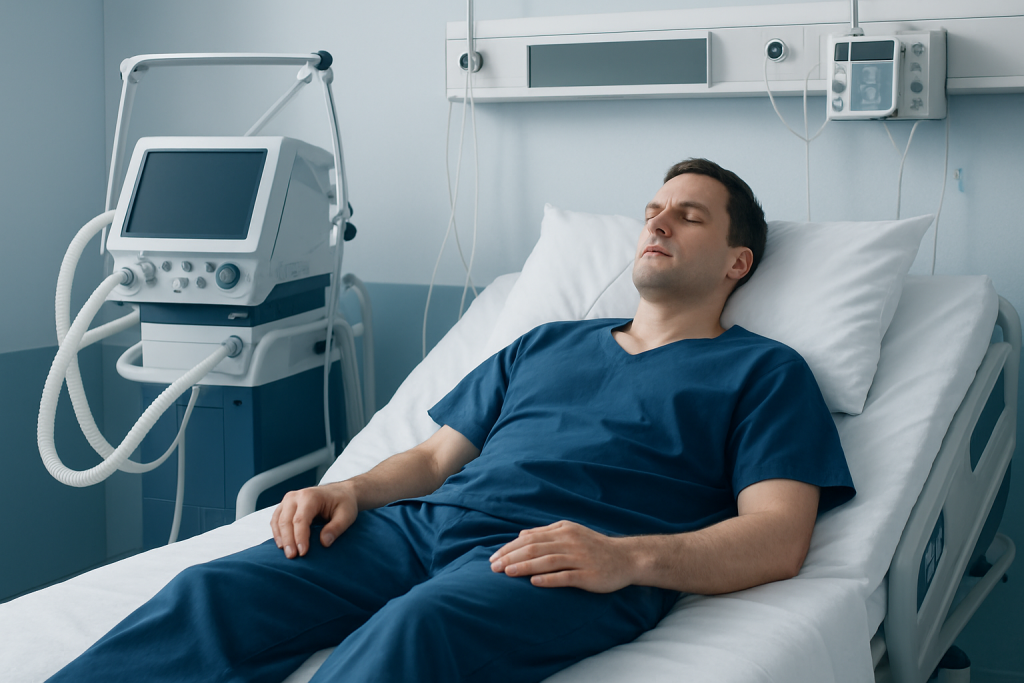
The defining feature of decorticate posturing is the position of the body. The arms tend to flex and draw toward the chest, while the legs may straighten and turn inward. The posture may be constant or come and go, and it can appear in response to pain or other stimulation.
It is often accompanied by other signs of severe neurologic impairment. A person may be less responsive than usual, have an altered level of consciousness, breathe abnormally, or show unequal pupils depending on the cause. Some people also have seizures, vomiting, severe headache, or sudden weakness before the posture appears.
It is useful to remember that abnormal posturing is not the same as ordinary muscle tension or a brief reflex. If a person is difficult to wake, not speaking normally, or showing a new fixed posture of the arms and legs, emergency medical help is needed right away.
Causes & Risk Factors

Decorticate posturing usually develops when pathways that control movement are damaged above the brain stem, especially in the cerebral hemispheres or internal capsule. This can happen from a variety of urgent conditions, including traumatic brain injury, stroke, brain hemorrhage, brain swelling, tumor-related pressure, severe infection such as meningitis or encephalitis, or reduced oxygen to the brain after cardiac arrest or near-drowning.
Sometimes the posture appears after a major metabolic disturbance, such as profound low blood sugar or severe electrolyte imbalance, although structural brain injury is often the first concern. Certain toxins or medications may also alter consciousness and movement control, but clinicians evaluate these carefully rather than assuming a benign explanation.
Risk factors generally reflect the illnesses that can injure the brain. These include uncontrolled high blood pressure, blood vessel disease, head trauma, clotting disorders, substance use, and conditions that raise the risk of infection or oxygen deprivation. In practice, the most important issue is not whether a person has every risk factor, but whether there has been a sudden neurological change that deserves immediate assessment.
Diagnosis
Diagnosis begins at the bedside. Doctors assess the person’s responsiveness, breathing, pupil size and reaction, limb position, and response to pain. They also look for clues that help separate decorticate posturing from other patterns, such as decerebrate posturing or simple weakness.
Imaging is usually needed quickly. A CT scan of the head is often the first test because it can identify bleeding, swelling, mass effect, or major stroke-related changes. MRI may be used later for a more detailed view of brain injury if the person is stable enough for the scan.
Laboratory tests may follow to check blood sugar, electrolytes, infection markers, kidney and liver function, blood gases, and toxic exposures when relevant. In some cases, EEG or other neurologic monitoring is used if seizures are suspected. The evaluation is aimed at one central question: what is causing the brain dysfunction, and what treatment needs to start immediately?
Treatment Options
There is no single treatment for decorticate posturing because the posture itself is a sign of another problem. Care is directed at the underlying cause while supporting vital functions. This may include oxygen, airway protection, blood pressure support, seizure treatment, blood sugar correction, antibiotics for infection, or surgery for bleeding or pressure in the brain.
In the emergency and intensive care setting, clinicians monitor neurological status closely. They may use repeated examinations to track changes in pupil response, motor pattern, and consciousness. If brain swelling or pressure is severe, specialized interventions may be needed to reduce pressure and protect brain tissue.
Recovery, when possible, may continue long after the emergency phase. Rehabilitation can help with strength, swallowing, communication, mobility, and daily function. For families traveling from another country, coordinated follow-up is especially important because neurologic recovery often depends on a clear plan that continues after discharge, including imaging review, therapy, and medication management.
Prevention & Self-care
Prevention focuses on lowering the chance of the brain injuries and illnesses that can lead to abnormal posturing. Wearing helmets, using seat belts, managing blood pressure and diabetes, treating infections early, and seeking prompt care for stroke symptoms all reduce risk in meaningful ways. For people with known neurologic disease, following the recommended treatment plan can also lower the chance of deterioration.
Self-care is mostly about early recognition and safe response. Families should not try to reposition the person forcefully or delay care while waiting to see if the posture passes. If the person is unresponsive but breathing, they should be placed in a safe position only if trained to do so and emergency services should be called immediately. If breathing is absent or abnormal, emergency response and basic life support measures may be needed by trained bystanders.
After the acute event, self-care shifts to supporting recovery and preventing complications. This may involve medication adherence, physical therapy, swallowing precautions, nutrition support, and regular follow-up with neurology or rehabilitation specialists. Clear discharge instructions matter, especially when the patient is returning home across borders and needs coordinated care in the next phase.
When to See a Doctor
Any new abnormal posture with reduced responsiveness should be treated as an emergency. A person who suddenly assumes a flexed arm position, becomes difficult to wake, has a seizure, or shows signs of stroke needs immediate medical evaluation. It is safer to call emergency services than to wait for the posture to resolve on its own.
Seek urgent care especially if abnormal posturing follows head injury, severe headache, vomiting, fever, chest pain, fainting, drug or alcohol exposure, or a period without oxygen. These clues can help doctors find the cause quickly and may change the treatment plan.
After the crisis, follow-up with a neurologist or rehabilitation specialist is important even if the posture has improved. The underlying brain condition may still need treatment, monitoring, or therapy. Acibadem Health Point’s multidisciplinary specialists and JCI-accredited hospitals diagnose and treat complex neurologic conditions for international patients, with coordinated support from emergency evaluation through recovery planning.
Living With the Recovery Process
When decorticate posturing is linked to a serious brain event, recovery is often measured in steps rather than a single turning point. Families may notice gradual changes in alertness, movement, speech, or swallowing before they see major functional gains. These small shifts are meaningful and worth documenting for the care team.
The recovery journey can also be emotionally difficult, especially for patients and families arriving from another country and trying to understand unfamiliar medical terms in a stressful moment. Written summaries, imaging reports, medication lists, and therapy recommendations can make the next stage of care much easier to organize. When appropriate, a coordinated plan with neurology, rehabilitation, and follow-up imaging helps keep care consistent across locations.
Long-term outlook depends on the cause, the speed of treatment, and how much brain tissue was affected. Some people improve substantially, while others need ongoing support. The most useful approach is steady reassessment, realistic goal-setting, and close communication with the treating team.
Frequently asked questions
What does decorticate posturing usually mean?
It usually means there is serious dysfunction in the brain, often from injury or a major medical emergency. It is a sign that needs urgent evaluation rather than a condition that can be watched at home.
Is decorticate posturing the same as decerebrate posturing?
No. They are different abnormal postures and can suggest different levels or locations of brain injury. Doctors examine the exact body position to help guide the diagnosis.
Can decorticate posturing happen after a stroke?
Yes. A stroke, especially a severe one or one causing brain swelling or bleeding, can lead to abnormal posturing. Rapid treatment is important because the underlying cause may be time-sensitive.
Can a person recover after decorticate posturing appears?
Recovery is possible in some cases, but it depends on the cause and the extent of brain injury. Early treatment and rehabilitation can improve the chances of recovery and help manage lasting effects.
Should family members try to move the arms or legs into a normal position?
No forceful repositioning is recommended. The priority is emergency medical help and keeping the person safe while professionals assess the cause.
What test is most important first?
There is usually not just one test, but a rapid bedside exam and brain imaging are central. A CT scan is often done quickly to look for bleeding, swelling, or other urgent causes.
References
- National Institute of Neurological Disorders and Stroke
- Merck Manual Professional Edition
- Mayo Clinic
- World Health Organization
- American Stroke Association
This article is for general information only and is not a substitute for professional medical advice. Please consult a qualified doctor about your individual situation.
Joint and spine care in Turkey — expert assessment & treatment
JCI-accredited · board-certified surgeons · reply within 24h
Add us as a Preferred Source to see more of our trusted health content across Google Search, AI Overviews and Discover.