Neurotic Disorders

Key Takeaways
- “Neurotic diseases” is not a modern diagnosis, but it often refers to anxiety-related conditions that can affect thoughts, emotions, and daily life.
- Symptoms may include excessive worry, panic, intrusive thoughts, physical tension, sleep problems, and avoidance behaviors.
- Diagnosis is based on a detailed clinical evaluation, including symptom history, impact on functioning, and rule-out of medical causes when needed.
- Treatment commonly combines psychotherapy, lifestyle support, and, in some cases, medication prescribed by a qualified clinician.
- Early support can reduce distress and help a person regain confidence in work, travel, relationships, and everyday routines.
Medically reviewed by the Acıbadem clinical team — August 19, 2026
Neurotic diseases is an older umbrella term that is sometimes used to describe anxiety-related and stress-sensitive mental health conditions. Today, clinicians more often use specific diagnoses such as anxiety disorders, obsessive-compulsive disorder, phobias, and related conditions to guide care more precisely.
Overview
The phrase “neurotic diseases” belongs to an older way of describing mental health problems. It is still occasionally used in everyday conversation, but modern medicine tends to avoid the term because it is broad and can be misleading. Clinicians now prefer clearer diagnoses such as generalized anxiety disorder, panic disorder, obsessive-compulsive disorder, phobias, and related stress-sensitive conditions.
What these conditions share is not a single cause or a single pattern of symptoms. Instead, they often involve a nervous system that stays on high alert, making ordinary situations feel harder to manage. That can show up as constant worry, physical restlessness, intrusive thoughts, repeated checking, or a strong urge to avoid certain places or triggers.
For many people, these symptoms are real, disruptive, and exhausting, yet also treatable. With the right assessment and care plan, many patients improve significantly and learn practical ways to manage symptoms over time, including when they are receiving care while living abroad or traveling for treatment.
Symptoms
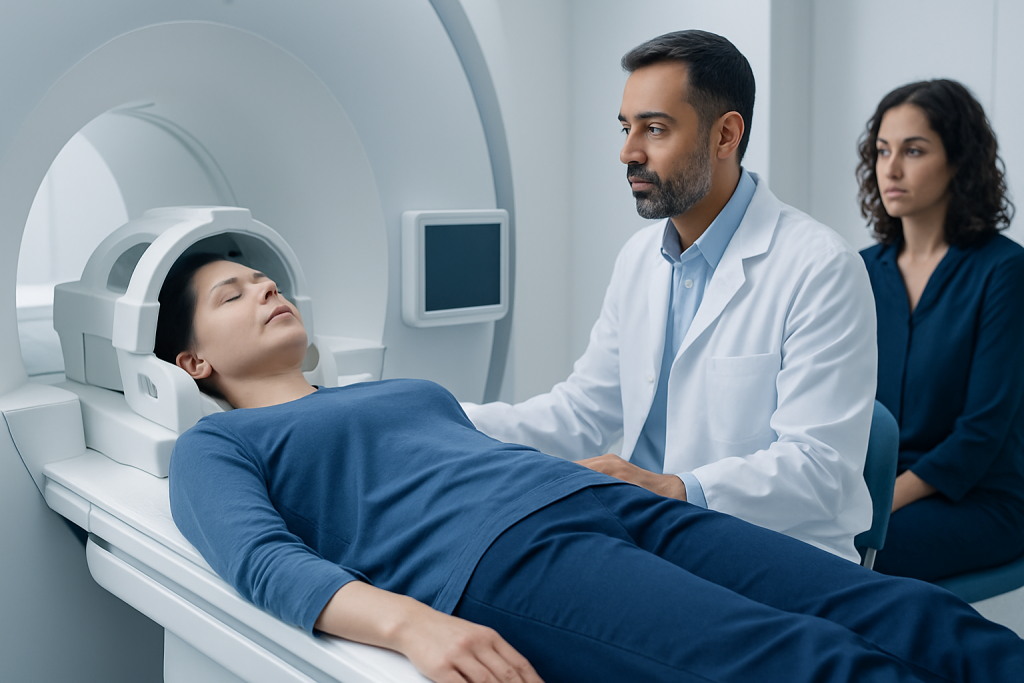
Symptoms vary from person to person, which is one reason the older label is so imprecise. Some people notice emotional symptoms first, such as persistent worry, irritability, fear of losing control, or a sense that something bad is about to happen. Others feel the problem mainly in the body, through muscle tension, fatigue, headaches, stomach upset, or a racing heart.
Common features may include:
- Excessive or difficult-to-control worry
- Panic attacks or sudden surges of fear
- Intrusive thoughts that are unwanted and repetitive
- Compulsive behaviors such as checking, counting, or repeated reassurance-seeking
- Avoidance of places, social situations, or specific triggers
- Sleep disturbance, poor concentration, and restlessness
These symptoms can interfere with work, studies, travel, family life, and social confidence. When they start shaping decisions more than the person’s own preferences do, it is a good sign that a professional evaluation could help.
Causes & Risk Factors

There is usually no single reason why anxiety-related or stress-related conditions develop. Rather, they often arise from a mix of biological sensitivity, life experiences, personality traits, and current stressors. Some people are naturally more prone to worry or heightened alertness, while others develop symptoms after a difficult event, major transition, illness, or prolonged pressure.
Possible contributors include:
- Family history of anxiety or related conditions
- Long-term stress at work, home, or school
- Traumatic or highly unsettling experiences
- Health concerns or chronic medical illness
- Substance use, including caffeine or certain recreational drugs
- Sleep disruption and burnout
Risk factors do not mean a person will definitely develop symptoms, and many people with similar experiences never do. They simply help clinicians understand why symptoms may have appeared and what supports might be most useful.
Diagnosis
Diagnosis begins with a careful conversation. A clinician will usually ask about the nature of the symptoms, how long they have been present, what makes them better or worse, and how they affect daily functioning. This step matters because the goal is not to use a vague label, but to identify the specific pattern behind the distress.
In some cases, a physical examination or laboratory tests may be recommended to rule out medical conditions that can mimic anxiety symptoms, such as thyroid problems, heart rhythm issues, medication side effects, or sleep disorders. This is especially important when symptoms are new, severe, or accompanied by chest pain, fainting, or other concerning features.
For international patients, diagnosis may also include reviewing prior records from home-country doctors, current medications, and any language or cultural factors that affect how symptoms are described. A clear history often makes the process smoother and helps the care team avoid unnecessary testing.
Treatment Options
Treatment depends on the specific diagnosis, symptom severity, and the person’s goals. Many patients benefit most from a combination of psychotherapy and practical lifestyle measures. In some cases, medication may also be appropriate, especially when symptoms are frequent, persistent, or significantly limiting daily life.
Psychotherapy is often central. Cognitive behavioral therapy is commonly used to help people notice unhelpful thought patterns, reduce avoidance, and gradually face feared situations. Other approaches, such as exposure-based therapy, acceptance-based therapy, or therapy focused on trauma, may be chosen depending on the clinical picture.
Medication may be recommended by a physician or psychiatrist when symptoms are more intense or when therapy alone is not enough. The choice of medicine is individualized, and the patient should always discuss benefits, side effects, interactions, and follow-up needs with the prescribing clinician.
In more complex cases, care may involve a multidisciplinary team, especially when symptoms overlap with depression, sleep problems, substance use, or physical illness. This can be particularly helpful for people who need organized follow-up before returning home after treatment abroad.
Prevention & Self-care
Not every anxiety-related condition can be prevented, but many people can reduce symptom intensity and improve resilience with consistent habits. The aim is not to eliminate all stress; it is to make the nervous system less likely to stay in a prolonged state of alarm.
Helpful self-care strategies include:
- Keeping a regular sleep schedule
- Limiting excess caffeine or energy drinks if they worsen symptoms
- Using routine physical activity as tolerated
- Practicing relaxation methods such as slow breathing or mindfulness
- Breaking large tasks into smaller, manageable steps
- Staying connected with supportive people
It is also useful to notice patterns. Some people feel worse when they are under time pressure, skipping meals, traveling across time zones, or spending long periods without rest. A simple symptom journal can help identify triggers and guide discussions with a clinician.
When to See a Doctor
Professional help is advisable when worry, fear, or compulsive habits are lasting longer than expected, becoming harder to manage, or interfering with work, school, relationships, or sleep. Early support can prevent symptoms from becoming more entrenched and may reduce the risk of related problems such as depression or social withdrawal.
Urgent medical assessment is important if symptoms include chest pain, shortness of breath, fainting, confusion, thoughts of self-harm, or sudden behavior changes. These signs do not always mean a serious disorder, but they should be evaluated promptly to keep the person safe and to rule out medical causes.
For patients traveling from another country, it is wise to plan follow-up before departure. That can include a written treatment summary, medication plan, and guidance on how to continue therapy or monitoring at home. Acibadem Health Point’s multidisciplinary specialists and JCI-accredited hospitals can help diagnose and treat these conditions for international patients in a coordinated setting.
Living With the Condition
Living with an anxiety-related condition often improves when care is practical and predictable. Patients usually do better when they understand their diagnosis, know what their treatment is meant to do, and can revisit the plan as symptoms change. Progress may be gradual, but steady follow-up tends to build confidence.
It can also help to keep expectations realistic. The goal is not a perfect, worry-free life. The goal is to reduce symptoms enough that the person can think clearly, make choices calmly, and participate more fully in relationships, work, study, and travel.
When symptoms are long-standing, support from family or trusted companions may be valuable. A good care plan respects privacy, avoids judgment, and gives the person tools they can continue using after leaving the clinic or returning home.
Frequently asked questions
What does “neurotic diseases” mean today?
It is an older, broad term that was once used for anxiety-related and stress-sensitive mental health conditions. Modern clinicians usually avoid it and instead use specific diagnoses such as anxiety disorders, panic disorder, or obsessive-compulsive disorder.
Are neurotic diseases the same as being nervous?
No. Everyday nervousness is usually temporary and linked to a situation, while clinical conditions involve symptoms that are more persistent, distressing, or disruptive. A doctor or mental health professional can help tell the difference.
Can physical symptoms happen with these conditions?
Yes. Anxiety-related conditions often cause bodily symptoms such as muscle tension, rapid heartbeat, stomach discomfort, headaches, or sleep problems. These symptoms are real and deserve proper assessment, especially if they are new or severe.
How are these conditions usually treated?
Treatment commonly includes psychotherapy, especially cognitive behavioral approaches, and sometimes medication. Lifestyle support, sleep care, and stress management are often part of the plan as well.
Do these conditions get better?
Many people improve with the right combination of treatment and self-care. Recovery often includes learning skills that reduce avoidance, improve coping, and make symptoms less disruptive over time.
When should someone seek urgent help?
Urgent help is important if there is chest pain, fainting, severe confusion, or thoughts of self-harm. These symptoms need prompt medical attention to make sure there is no serious medical cause and to keep the person safe.
References
- World Health Organization
- National Institute of Mental Health
- American Psychiatric Association
- National Health Service
This article is for general information only and is not a substitute for professional medical advice. Please consult a qualified doctor about your individual situation.
Explore treatments in Turkey — costs, top hospitals & a free quote
JCI-accredited · board-certified surgeons · reply within 24h
Add us as a Preferred Source to see more of our trusted health content across Google Search, AI Overviews and Discover.