Peripheral Nervous System

Key Takeaways
- The PNS connects the central nervous system to the limbs, organs, and skin.
- Symptoms may include numbness, tingling, weakness, pain, or reduced coordination.
- Many different conditions can affect the PNS, including diabetes, infections, trauma, autoimmune disease, and nerve compression.
- Diagnosis often combines a neurological exam with blood tests, imaging, nerve conduction studies, or other targeted tests.
- Treatment depends on the cause and may include medicines, physiotherapy, procedures, and lifestyle changes.
Medically reviewed by the Acıbadem clinical team — August 19, 2026
The Nervous System: Function and Disorders" class="ahp-ilk">peripheral nervous system (PNS) carries messages between the brain, spinal cord, and the rest of the body. When it is affected by injury, disease, or compression, symptoms can range from numbness and weakness to pain or changes in balance.
Overview
The peripheral nervous system, often shortened to PNS, is the communication network that reaches beyond the brain and spinal cord. It carries sensory information from the body to the nervous system and sends movement commands back out to muscles and glands. In practical terms, it helps a person feel temperature, touch, and pain, and it helps the body respond with movement, reflexes, and automatic functions such as sweating and digestion.
When the PNS is working well, these signals move quickly and smoothly. When something disrupts them, symptoms can appear in the feet, hands, face, or other areas depending on which nerves are involved. Because PNS problems can have many different causes, the same complaint, such as tingling, may point to a temporary compression, a vitamin deficiency, diabetes-related nerve injury, or another neurological condition.
For international patients, understanding the broad role of the PNS can make it easier to organize care. Someone planning evaluation abroad may need coordinated testing across neurology, internal medicine, imaging, and rehabilitation, especially if symptoms are affecting walking, sleep, or daily tasks. A careful diagnosis is important because treatment is most effective when it addresses the underlying cause rather than only the discomfort.
Symptoms
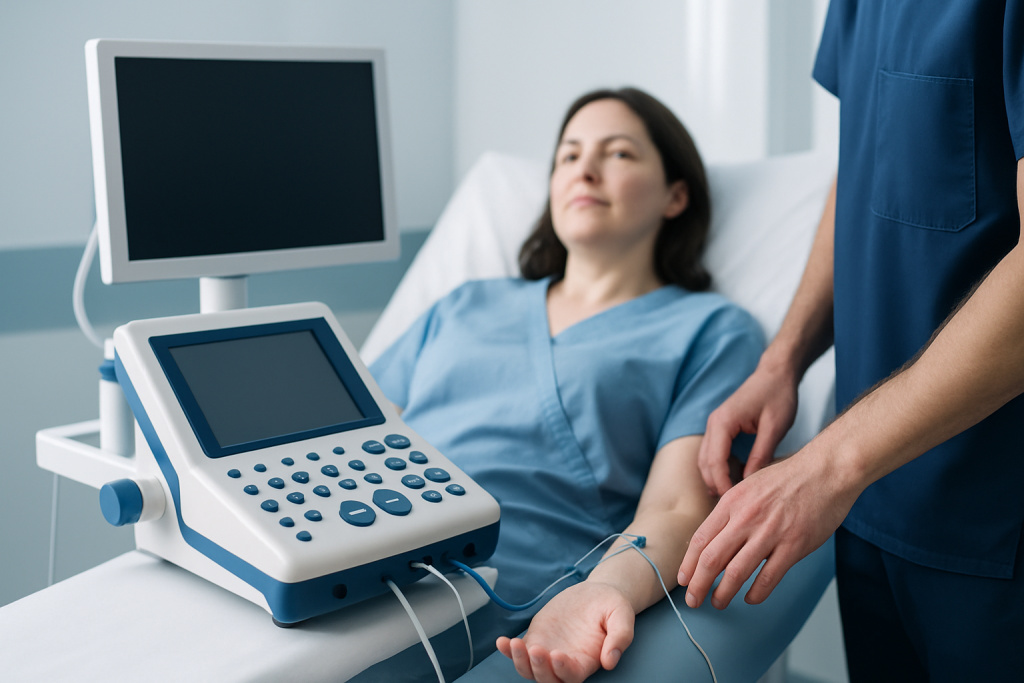
PNS-related symptoms often begin quietly and may be easy to dismiss at first. A person may notice tingling in the toes, a “pins and needles” sensation in the hands, burning pain in the feet, or a feeling that a limb is weaker than before. Some people describe the symptoms as numbness, while others notice that they are dropping objects, tripping more often, or struggling with fine movements.
Depending on the nerves affected, symptoms can be sensory, motor, or autonomic. Sensory nerve problems are usually felt as altered touch, pain, or temperature awareness. Motor nerve problems may cause weakness, muscle wasting, cramps, or difficulty with coordination. Autonomic nerve involvement can affect blood pressure, bowel function, bladder control, sweating, or heart rate.
Symptoms may be symmetrical, affecting both sides of the body, or localized to one nerve, one limb, or a specific region. A compressed nerve in the neck or lower back may produce pain that follows a clear path, while more widespread nerve disease may create a glove-and-stocking pattern that begins in the feet and moves upward. Patterns matter, because they help doctors identify which part of the PNS is involved.
- Numbness or reduced sensation
- Tingling, burning, or shooting pain
- Muscle weakness or clumsiness
- Balance problems or frequent falls
- Changes in sweating, digestion, or bladder function
Causes & Risk Factors

Many conditions can disturb the peripheral nervous system. Diabetes is one of the most common causes of long-term nerve injury, but it is not the only one. Vitamin deficiencies, thyroid disorders, autoimmune diseases, certain infections, inherited nerve disorders, alcohol-related nerve damage, and exposure to some medications or toxins can all affect peripheral nerves.
Mechanical pressure is another frequent explanation. A nerve may be compressed by repetitive movement, poor posture, swelling, a herniated disc, or a narrow tunnel in the wrist or elbow. In these cases, the issue may be limited to one nerve or one region. Trauma, such as fractures or deep cuts, can also injure nerves directly.
Risk increases when several factors overlap. For example, a person with diabetes who also has poor nutritional intake or a history of alcohol use may be more vulnerable to nerve symptoms. Age, family history, autoimmune disease, and long-term exposure to certain chemotherapy agents or industrial substances may also raise concern. Because the causes are so varied, doctors usually look for the full medical picture rather than a single trigger.
Diagnosis
Evaluating a suspected PNS problem usually starts with a detailed history and a neurological examination. The doctor may ask when the symptoms began, whether they are constant or intermittent, which areas are affected, and whether there is pain, weakness, or balance difficulty. Reflexes, muscle strength, sensation, and gait are often checked during the visit.
Testing is then selected according to the suspected cause. Blood tests may look for diabetes, vitamin deficiencies, thyroid problems, inflammation, or other systemic conditions. Nerve conduction studies and electromyography can help show how well nerves and muscles are functioning. Imaging such as MRI may be useful when compression, spinal involvement, or structural causes are suspected.
Some patients need additional studies, such as genetic testing, skin biopsy for small-fiber neuropathy, or autonomic testing, especially when symptoms are widespread or unusual. For patients traveling from another country, bringing prior test results, medication lists, and imaging reports can make evaluation more efficient and help the care team avoid repeating unnecessary studies.
Treatment Options
Treatment depends on the cause of the PNS problem. If a nerve is compressed, the first steps may include rest, posture changes, splinting, anti-inflammatory care when appropriate, or physical therapy. If the issue is related to diabetes, better blood sugar control becomes an important part of protecting the nerves from further injury. When a vitamin deficiency or thyroid disorder is present, correcting that imbalance may improve symptoms over time.
Painful neuropathy is often managed with medicines chosen by a doctor based on the type of pain and the patient’s overall health. Some people benefit from nerve pain medicines, while others need topical therapies, targeted injections, or treatment focused on the underlying inflammation or autoimmune disease. Procedures or surgery may be considered when a nerve is trapped, damaged, or affected by a structural problem that will not improve on its own.
Rehabilitation is often a key part of recovery. Physiotherapy can help maintain strength, protect balance, and reduce the chance of falls. Occupational therapy may support hand function and daily activities. For international patients, treatment planning may also include timing follow-up visits, coordinating rehabilitation near home, and making sure warning signs are clearly understood before travel.
Prevention & Self-care
Not every PNS condition can be prevented, but healthy habits can lower risk and support nerve health. Managing blood sugar, eating a balanced diet, limiting alcohol, and keeping follow-up appointments for chronic conditions all matter. Protecting hands and feet from pressure or injury is also important, especially when sensation is reduced.
Daily self-care should be realistic and consistent. Comfortable footwear, regular foot checks, careful skin care, and safe movement around the home can reduce the chance of unnoticed injuries. If balance is affected, clearing tripping hazards and using supportive devices when recommended can make everyday life safer. Gentle activity, as advised by a clinician, may help preserve strength and mobility.
Traveling for care adds a few extra practical steps. Patients may want written instructions about medicines, wound care, physical therapy exercises, and activity limits before leaving the hospital. It is also sensible to know which symptoms should prompt a prompt review after returning home, especially if weakness, pain, or numbness changes unexpectedly.
When to See a Doctor
Medical evaluation is important when numbness, tingling, weakness, or pain lasts more than a short time, is getting worse, or is interfering with walking, sleep, or hand use. Symptoms that begin in more than one area, spread over time, or follow a recent illness, injury, or new medication should also be assessed. Early review can help identify reversible causes before they lead to longer-term nerve injury.
Urgent assessment is appropriate if there is sudden one-sided weakness, severe back pain with bladder or bowel changes, rapidly spreading numbness, trouble breathing, or marked difficulty walking. These may point to a more serious neurological problem that needs prompt care. Even when symptoms are mild, recurring nerve complaints should not be ignored if they are becoming more frequent.
For patients seeking an international opinion, a specialist review can be helpful when local testing has not explained the symptoms or when a second look is needed before surgery or advanced treatment. Acibadem Health Point’s multidisciplinary specialists and JCI-accredited hospitals can diagnose and treat many PNS-related conditions for international patients in a coordinated way.
Living With PNS Problems
Many PNS conditions are manageable, especially when the cause is identified early and treatment is consistent. Progress may be gradual rather than immediate, so patients are often encouraged to focus on small, measurable goals such as walking more steadily, sleeping better, or returning to routine activities with less discomfort. Good communication with the care team helps adjust treatment when symptoms change.
Because nerve symptoms can affect more than sensation, patients may also need support for mood, sleep, and confidence in movement. This is especially true when symptoms have lasted a long time or have interfered with work and travel. A practical plan that includes medication review, rehabilitation, and follow-up testing often gives the best chance of improvement.
Understanding the PNS helps people recognize that nerve symptoms are not “just discomfort.” They are signals that deserve a proper explanation. With timely evaluation, many underlying problems can be treated, and even when symptoms cannot be fully reversed, they can often be better controlled.
Frequently asked questions
What does PNS mean in medicine?
PNS stands for the peripheral nervous system. It includes the nerves outside the brain and spinal cord that carry sensory and movement signals throughout the body. These nerves also help control some automatic functions such as sweating and digestion.
What are common signs of a peripheral nerve problem?
Common signs include numbness, tingling, burning pain, weakness, and balance problems. Some people also notice muscle cramps, reduced coordination, or changes in sweating and digestion. The exact pattern depends on which nerves are affected.
Is PNS damage always permanent?
No, not always. Some nerve problems improve when the cause is treated, such as a vitamin deficiency or nerve compression. Other conditions may be long-lasting, but symptoms can often be reduced and function supported with treatment and rehabilitation.
How do doctors check for PNS problems?
Doctors usually start with a neurological exam and a detailed medical history. Blood tests, nerve conduction studies, electromyography, and imaging may be used depending on the suspected cause. The goal is to find whether the problem is due to compression, inflammation, metabolic disease, or another condition.
Can lifestyle changes help with PNS symptoms?
Yes, they can support treatment. Good blood sugar control, balanced nutrition, limited alcohol, regular follow-up, safe foot care, and appropriate exercise may all help protect nerve health. Lifestyle steps work best alongside a doctor-guided treatment plan.
When should someone seek urgent help for nerve symptoms?
Urgent help is needed for sudden weakness, rapidly worsening numbness, trouble walking, breathing problems, or loss of bladder or bowel control. These symptoms may signal a serious neurological issue that should be evaluated quickly. For non-urgent but persistent symptoms, a scheduled doctor visit is still important.
References
- National Institute of Neurological Disorders and Stroke
- Mayo Clinic
- World Health Organization
- Cleveland Clinic
- Merck Manual Professional Edition
This article is for general information only and is not a substitute for professional medical advice. Please consult a qualified doctor about your individual situation.
Joint and spine care in Turkey — expert assessment & treatment
JCI-accredited · board-certified surgeons · reply within 24h
Add us as a Preferred Source to see more of our trusted health content across Google Search, AI Overviews and Discover.