National Institutes of Health Stroke Scale (NIHSS)

Key Takeaways
- NIHSS is a standardized exam used to assess stroke-related neurological deficits.
- It does not diagnose every stroke, but it helps describe stroke severity in a consistent way.
- The score can change as symptoms improve or worsen, so repeated checks are common.
- A low or high score does not replace imaging, clinical judgment, or emergency evaluation.
- Anyone with sudden stroke symptoms should seek urgent medical care without delay.
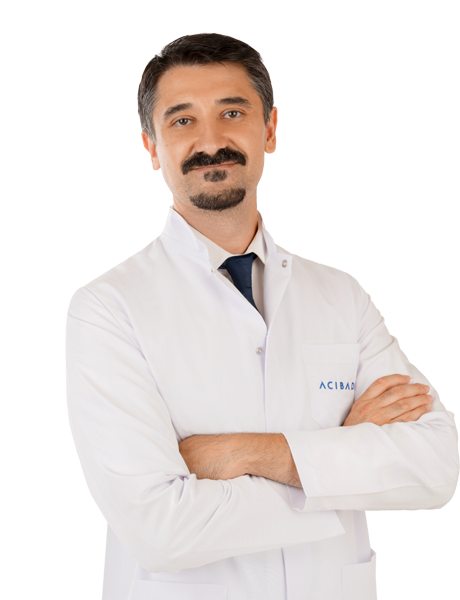
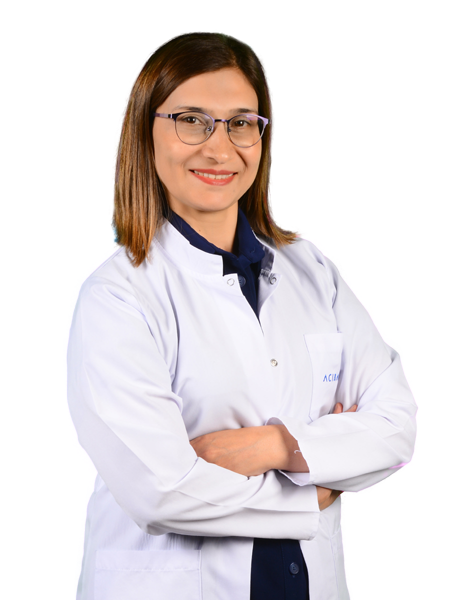
Medically reviewed by the Acıbadem clinical team — August 19, 2026
The NIHSS, or National Institutes of Health Stroke Scale, is a structured bedside tool used to measure how a stroke is affecting the brain. It helps clinicians communicate clearly, track changes over time, and guide urgent treatment decisions.
Overview
The NIHSS, short for the National Institutes of Health Stroke Scale, is a bedside assessment used by clinicians to describe how much a suspected stroke is affecting a person’s brain function. It looks at several areas such as speech, vision, strength, sensation, coordination, and awareness. Rather than being a test a patient “passes” or “fails,” it gives a shared language for describing neurological change.
In real-world stroke care, speed and clarity matter. The NIHSS helps emergency teams decide how severe the event appears, compare findings between clinicians, and monitor whether treatment is helping. For patients and families, it can be reassuring to know that this scale is one part of a larger picture that also includes brain imaging, medical history, and specialist evaluation.
Because strokes can affect people differently, two patients with the same diagnosis may have very different NIHSS scores. Some strokes produce obvious weakness or speech changes, while others are more subtle. The scale is designed to capture that range in a systematic way.
What the NIHSS measures
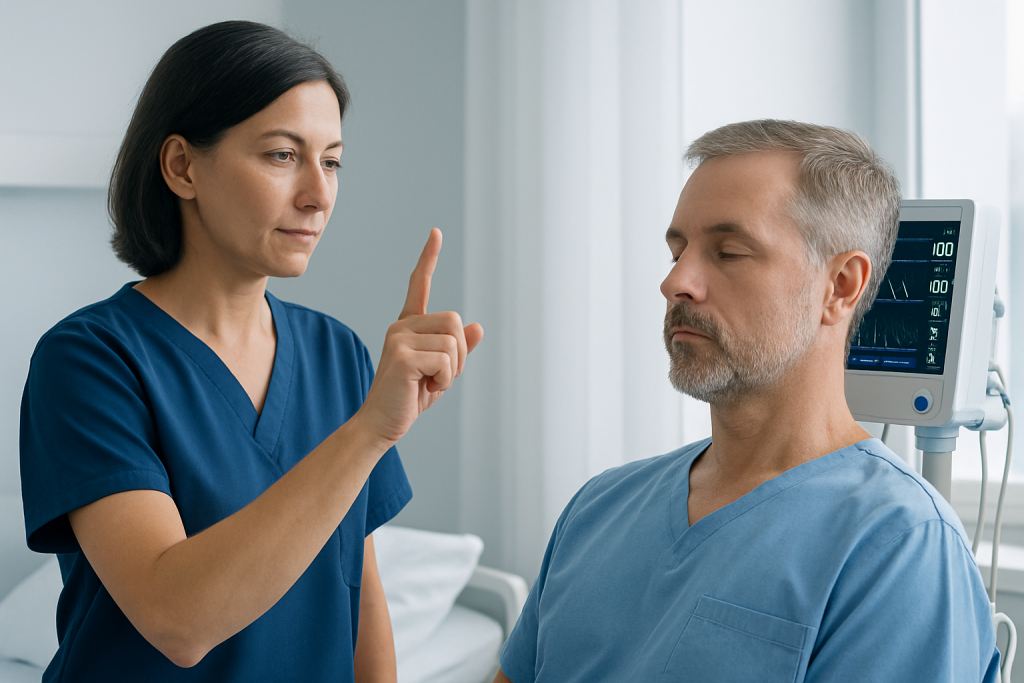
The NIHSS is made up of a series of focused checks. A clinician may ask the patient to answer questions, follow instructions, look in different directions, lift the arms or legs, describe pictures, or identify simple objects. Each item assesses a different function controlled by the brain, and each response contributes to the overall score.
Common areas covered include level of consciousness, gaze, visual fields, facial movement, arm and leg strength, limb coordination, sensation, language, speech clarity, and attention. The exam is typically brief, but it is intentionally structured so that small changes can be noticed and documented.
It is important to understand that the NIHSS does not measure every possible effect of stroke. For example, it may not fully reflect fatigue, memory problems, mood changes, or certain balance symptoms. Even so, it remains one of the most widely used tools for rapid stroke assessment because it is practical and repeatable.
- Awareness and responsiveness
- Eye movements and visual function
- Speech and language
- Arm and leg strength
- Coordination and sensory findings
Symptoms and what the score can suggest

Stroke symptoms can appear suddenly and may include one-sided weakness, facial drooping, trouble speaking, confusion, vision loss, dizziness, or difficulty walking. The NIHSS helps the care team organize these findings into a score that reflects the overall neurological impact at that moment.
In general, a higher NIHSS score suggests more noticeable neurological deficits, while a lower score suggests fewer or milder deficits. That said, the score alone does not tell the full story. Some strokes that affect a very important brain area can have a relatively low score, and some non-stroke conditions can mimic stroke-like symptoms.
For this reason, the NIHSS is best understood as a clinical description rather than a diagnosis by itself. It supports decisions, but it does not replace emergency imaging such as CT or MRI, which are often needed to determine the type of stroke and the most appropriate treatment.
Causes and risk factors linked to stroke
The NIHSS does not identify the cause of a stroke; it records the neurological effect. Still, understanding common stroke causes and risk factors helps explain why the scale is used so urgently. Strokes may occur when a blood vessel becomes blocked, as in ischemic stroke, or when a vessel ruptures, as in hemorrhagic stroke.
Risk factors often include high blood pressure, diabetes, high cholesterol, smoking, atrial fibrillation, prior stroke or transient ischemic attack, obesity, and lack of regular physical activity. Age and family history can also play a role, although stroke can happen in younger adults as well.
For international patients, a stroke event may happen far from home and create uncertainty about what happened first, which tests are needed, and how long recovery may take. In those situations, the NIHSS can help create a clear clinical snapshot that can be shared across teams and used to guide the next steps in care.
Diagnosis and why the NIHSS is only one part of the picture
When stroke is suspected, clinicians usually combine the NIHSS with a neurological exam, a review of symptoms and timing, vital signs, blood tests, and brain imaging. The scale helps structure the bedside assessment, especially in the emergency setting where decisions must often be made quickly.
The score is also useful after the initial evaluation. Repeating the NIHSS allows the team to monitor whether symptoms are stable, improving, or worsening. This can be especially valuable after clot-busting treatment, clot removal, surgery, or admission to a stroke unit.
Families sometimes ask whether the NIHSS can predict recovery. It can offer a general sense of stroke severity, but recovery depends on many factors, including the stroke location, the cause, the time to treatment, the person’s overall health, and the rehabilitation plan that follows.
Treatment options and how the score helps guide care
Treatment for stroke depends on the cause and the time since symptoms began. The NIHSS helps the medical team communicate the current neurological status while urgent decisions are made. In some cases, the score contributes to discussions about thrombolysis, thrombectomy, blood pressure management, or admission to a higher level of monitoring.
Once the acute phase has passed, treatment may focus on preventing another stroke and supporting recovery. This can involve medications to reduce future clot risk, control blood pressure, manage cholesterol or diabetes, and address heart rhythm problems when present. Rehabilitation may include physical therapy, occupational therapy, speech therapy, and cognitive support.
Because stroke care often continues after discharge, patients traveling for treatment may need a clear follow-up plan before returning home. That plan usually includes medication instructions, warning signs to watch for, and coordination with local doctors or rehabilitation services in the patient’s own country.
Prevention and self-care after a stroke evaluation
Prevention begins with understanding and managing risk factors that can be changed. Consistent blood pressure control, smoking cessation, regular movement, healthy eating, diabetes management, and treatment of atrial fibrillation or other heart conditions can all reduce future risk. Even small lifestyle changes can be meaningful when they are sustained over time.
After a stroke or suspected stroke, self-care also means following the discharge plan carefully. That includes taking prescribed medicines as directed, attending rehabilitation sessions, and keeping follow-up appointments. If a person is traveling internationally for care, it helps to carry a written summary of the stroke event, imaging results, medication list, and therapy recommendations.
Recovery can be uneven, and progress may come in stages rather than all at once. A calm, structured routine, good sleep, hydration, and support from family or caregivers often make day-to-day recovery easier. Patients should always ask their care team which activities are safe for their specific situation.
When to see a doctor
Any sudden stroke symptom should be treated as an emergency. This includes one-sided weakness, facial drooping, slurred speech, trouble finding words, sudden confusion, vision changes, severe dizziness, or a sudden loss of balance. Even if symptoms improve after a few minutes, urgent medical evaluation is still important.
The NIHSS is used only after a clinician has been involved; it is not a home screening tool. If someone has been told they had a possible stroke, a transient ischemic attack, or an unexplained neurological episode, they should arrange prompt follow-up with a qualified doctor or stroke specialist.
Patients seeking care abroad may benefit from centers that coordinate diagnostics, neurology input, and rehabilitation under one plan. At Acibadem Health Point, multidisciplinary specialists and JCI-accredited hospitals diagnose and treat stroke-related conditions for international patients in a coordinated way.
A practical note for patients and families
It is normal to feel overwhelmed when a stroke assessment is happening quickly around you. The NIHSS can sound technical, but its purpose is simple: to help the care team describe what the patient can and cannot do right now, and to track changes carefully over time. That information is valuable whether the stroke is mild, moderate, or severe.
For families, one of the most useful questions is often not “What is the score?” but “What does this mean for treatment today and recovery tomorrow?” A good stroke team should be able to explain the score in plain language, what it suggests, and what the next steps are. Clear communication is especially important when care begins in one country and continues in another.
With timely medical attention, structured follow-up, and rehabilitation when needed, many patients make meaningful gains after stroke. The NIHSS is one part of that journey, helping the team see the patient’s neurological picture clearly at the moments when clarity matters most.
Frequently asked questions
What does NIHSS stand for?
NIHSS stands for the National Institutes of Health Stroke Scale. It is a standardized neurological exam used to assess stroke symptoms and their severity. Clinicians use it to describe findings in a consistent way.
Is the NIHSS the same as diagnosing a stroke?
No. The NIHSS helps measure neurological impairment, but it does not confirm the stroke type or the exact cause. Imaging and medical evaluation are still needed to diagnose and guide treatment.
Can the NIHSS change over time?
Yes. The score may improve, worsen, or stay the same depending on how the patient is doing. That is why repeat assessments are often done during emergency care and recovery.
Does a low NIHSS score mean the stroke is not serious?
Not always. Some strokes can have a low score but still affect an important brain area or cause significant problems. The score must be interpreted alongside symptoms, imaging, and the clinician’s judgment.
Who performs the NIHSS?
The exam is usually performed by trained clinicians such as neurologists, emergency physicians, stroke nurses, or other healthcare professionals familiar with the scale. Training helps make the scoring more consistent.
What should someone do if stroke symptoms appear suddenly?
They should seek emergency medical care immediately. Time matters in stroke, and waiting for symptoms to improve can delay treatment that may help limit brain injury.
References
- National Institute of Neurological Disorders and Stroke
- American Stroke Association
- World Health Organization
- Mayo Clinic
- National Health Service
This article is for general information only and is not a substitute for professional medical advice. Please consult a qualified doctor about your individual situation.
Explore treatments in Turkey — costs, top hospitals & a free quote
JCI-accredited · board-certified surgeons · reply within 24h
Add us as a Preferred Source to see more of our trusted health content across Google Search, AI Overviews and Discover.