What Causes A Stroke

Key Takeaways
- Most strokes are caused by either a blocked blood vessel or bleeding in the brain.
- High blood pressure, smoking, diabetes, and atrial fibrillation are major stroke risk factors.
- A stroke can happen suddenly, and warning signs need urgent medical attention.
- Healthy lifestyle changes and treatment of underlying conditions can significantly lower risk.
- Rapid diagnosis and prompt treatment improve the chances of recovery and reduce complications.
A stroke happens when part of the brain is suddenly deprived of blood flow or damaged by bleeding. Understanding what causes a stroke can help people recognize risk factors early and take practical steps to protect brain health.
Overview
A stroke is a medical emergency that happens when the brain does not receive the blood and oxygen it needs. The cause is usually one of two broad problems: a clot blocks blood flow to part of the brain, or a blood vessel breaks and bleeds into or around the brain.
When people ask what causes a stroke, the answer is often not one single event but a combination of long-term health issues and a final trigger. These can include high blood pressure, clogged arteries, abnormal heart rhythm, diabetes, smoking, and certain blood vessel conditions. In some cases, the cause is obvious right away; in others, doctors need several tests to identify why it happened.
For international patients who are deciding where to seek care, it is often helpful to think of stroke evaluation as a team process. Neurologists, imaging specialists, rehabilitation therapists, and sometimes cardiologists work together to find the cause and reduce the chance of another stroke. That cause-focused approach is important because treatment and prevention depend on whether the stroke was ischemic or hemorrhagic.
Types of Stroke and How They Start
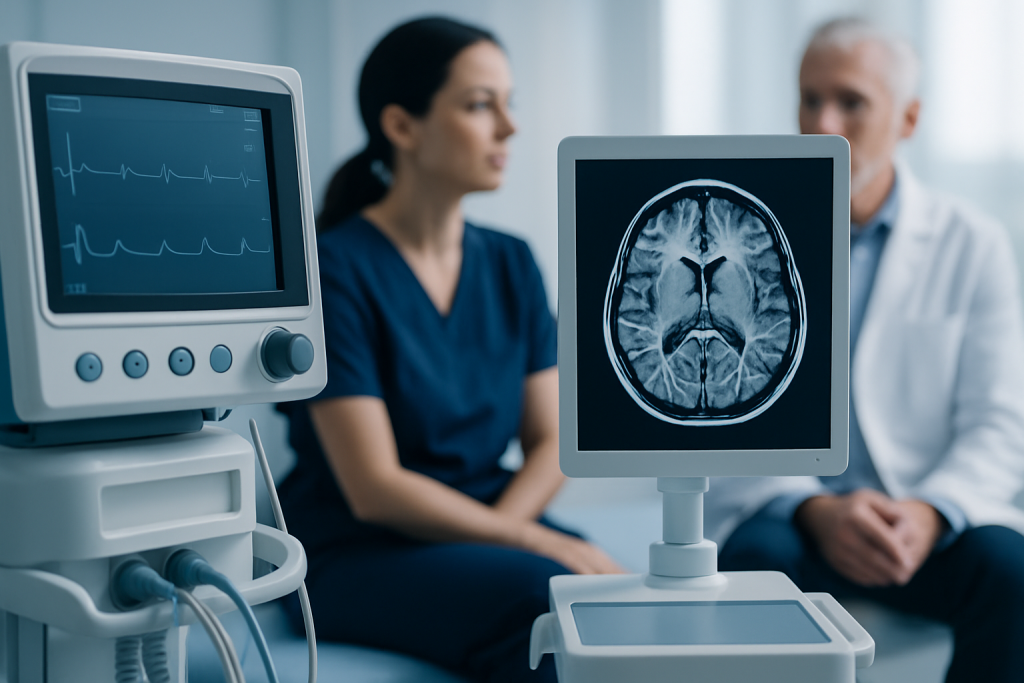
The most common type is an ischemic stroke. This happens when a blood vessel supplying the brain becomes narrowed or blocked, usually by a clot. The clot may form in a brain artery itself or travel from another part of the body, such as the heart or the neck arteries.
A hemorrhagic stroke happens when a weakened blood vessel ruptures and bleeding damages brain tissue. This can occur in the brain itself or in the space around the brain. Although less common than ischemic stroke, hemorrhagic stroke can be serious because the bleeding increases pressure inside the skull.
There is also a temporary event called a transient ischemic attack, or TIA. It is sometimes described as a “warning stroke” because symptoms resolve, but the underlying cause may still be present. A TIA should never be ignored, as it can signal a higher risk of a later stroke.
Symptoms and Warning Signs
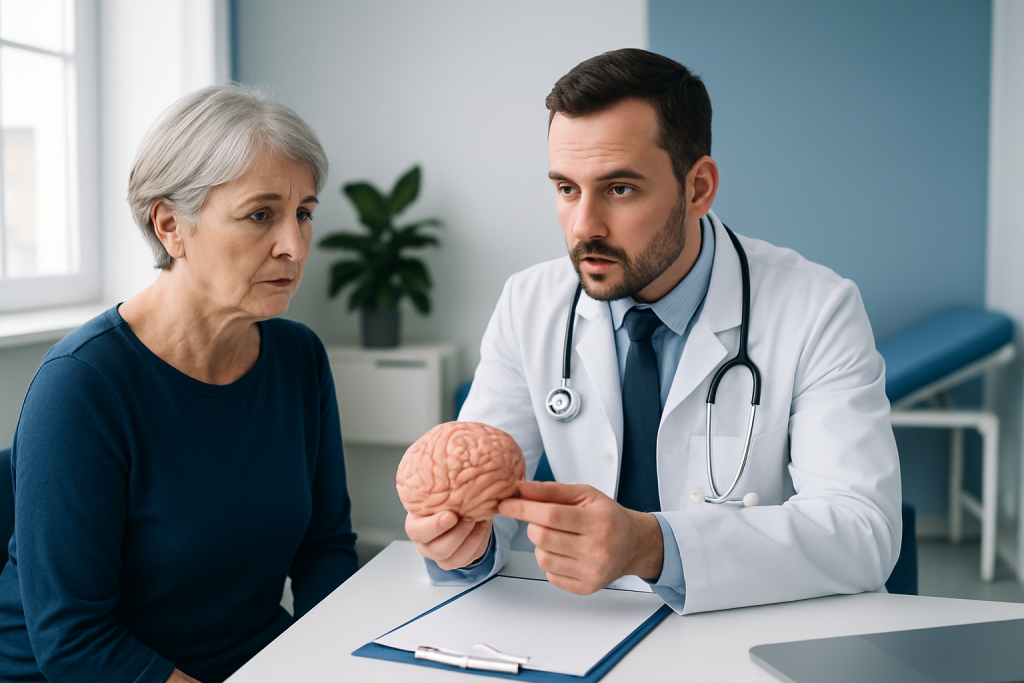
Stroke symptoms usually appear suddenly. They depend on which part of the brain is affected, but common warning signs include one-sided weakness, facial drooping, trouble speaking, confusion, vision changes, dizziness, and difficulty walking. Some people notice numbness or severe imbalance rather than pain.
In hemorrhagic stroke, a sudden severe headache may occur, sometimes with vomiting, seizures, or reduced alertness. In ischemic stroke, symptoms may be more focused on loss of function, such as an arm that feels heavy or speech that becomes slurred. Either way, the sudden nature of the symptoms is the key clue.
The simplest way to remember urgent warning signs is FAST: Face drooping, Arm weakness, Speech trouble, Time to call emergency services. If the symptoms improve after a few minutes, medical evaluation is still important because a TIA may still be the explanation.
Causes & Risk Factors
High blood pressure is the leading modifiable risk factor for stroke. Over time, it damages blood vessel walls and makes both blockage and rupture more likely. Many people have no symptoms from high blood pressure, which is why regular monitoring matters.
Other major contributors include diabetes, high cholesterol, smoking, obesity, lack of physical activity, and excessive alcohol use. Atrial fibrillation, a type of irregular heart rhythm, can allow clots to form in the heart and travel to the brain. Carotid artery disease, where the neck arteries become narrowed by plaque, can also reduce blood flow or send debris to the brain.
Some causes are less common but important: blood vessel abnormalities, certain inherited clotting disorders, inflammation of blood vessels, head or neck injury, and drug use, especially stimulants. Age increases risk, but stroke can occur in younger adults too, especially when several risk factors overlap.
- Non-modifiable factors: age, family history, previous stroke or TIA, and some genetic conditions.
- Modifiable factors: blood pressure, blood sugar, cholesterol, smoking, activity level, diet, and weight.
- Heart-related factors: atrial fibrillation, heart valve disease, and some recent heart conditions.
Diagnosis
Because stroke treatment is time-sensitive, diagnosis begins immediately in the emergency setting. Doctors first assess symptoms, timing, blood pressure, blood sugar, and neurological function. The first goal is to confirm whether the problem is a stroke and determine whether bleeding is present.
Brain imaging is essential. A CT scan is often used first because it can quickly show bleeding and help guide urgent treatment decisions. MRI may be used for a more detailed look, especially when the diagnosis is unclear or when doctors want to identify smaller areas of brain injury.
After the immediate phase, additional tests help identify the cause. These may include blood tests, ECG or heart monitoring, ultrasound of the neck arteries, echocardiography, and sometimes vascular imaging. For patients traveling from abroad, it is useful to bring prior medical records, medication lists, and any history of heart rhythm problems, blood pressure treatment, or previous TIAs.
Treatment Options
Stroke treatment depends on the type of stroke and how quickly the person reaches care. In ischemic stroke, doctors may use clot-busting treatment for some patients if they arrive within a suitable time window and meet the safety criteria. In some cases, a clot can be removed mechanically through a procedure called thrombectomy.
Hemorrhagic stroke is treated differently. The priority is to control bleeding, manage blood pressure, and reduce pressure in the brain when needed. Some patients require neurosurgical care, close monitoring in a stroke unit, or treatment to reverse the effect of blood thinners if those medicines contributed to the bleeding.
After the emergency phase, rehabilitation becomes central. Physical therapy, speech therapy, occupational therapy, and follow-up medical care help patients regain function and adapt safely at home. Treatment also focuses on preventing another stroke by managing blood pressure, diabetes, cholesterol, and heart rhythm issues.
Prevention & Self-care
Prevention begins with understanding the risk profile rather than waiting for symptoms. Regular checkups for blood pressure, blood sugar, cholesterol, and heart rhythm can reveal issues long before a stroke occurs. When these conditions are treated consistently, risk can be lowered in meaningful ways.
Daily habits matter as well. A heart-healthy diet, regular movement, stopping smoking, moderating alcohol, and maintaining a healthy weight all support blood vessel health. People with atrial fibrillation, diabetes, or prior TIA need to follow their treatment plan carefully and keep medical appointments, especially after traveling or changing time zones.
Self-care after a stroke also includes practical planning. Patients often need a clear medication schedule, a follow-up plan with a doctor in their home country, and an understanding of what symptoms should trigger urgent care. If treatment is being arranged internationally, multidisciplinary specialists and JCI-accredited hospitals such as those at Acibadem Health Point can diagnose and treat stroke for international patients in a coordinated way.
When to See a Doctor
Any sudden stroke symptom should be treated as an emergency. Even if the signs fade quickly, the person should still be evaluated right away because early treatment may prevent more serious injury. Waiting to “see if it passes” can close the window for effective intervention.
A doctor should also be consulted promptly for repeated mini-stroke symptoms, new irregular heartbeat, poorly controlled blood pressure, unexplained severe headache, or new neurological changes after a fall or head injury. People already known to be at higher risk may need preventive assessment even without symptoms.
After the urgent phase, follow-up care is just as important as the hospital visit itself. A stroke specialist can review the cause, adjust medications, and coordinate rehabilitation and long-distance follow-up when patients are returning home.
Frequently asked questions
What is the most common cause of a stroke?
The most common cause is an ischemic stroke, which happens when a blood vessel supplying the brain becomes blocked by a clot. High blood pressure and atherosclerosis often contribute to that blockage. In many people, several risk factors combine over time.
Can stress cause a stroke?
Stress alone is not usually considered a direct cause, but it can influence blood pressure, sleep, smoking, and other habits that affect stroke risk. Ongoing stress may also make it harder to manage existing health conditions. It is best viewed as one part of a broader risk picture.
What is the difference between a clot and a bleeding stroke?
A clot-related stroke blocks blood flow to the brain, while a bleeding stroke occurs when a blood vessel breaks and blood leaks into or around the brain. They can cause similar symptoms, but treatment is different. That is why brain imaging is needed quickly.
Who is at higher risk of stroke?
People with high blood pressure, diabetes, smoking history, atrial fibrillation, high cholesterol, or a previous stroke or TIA are at higher risk. Family history and older age also increase risk. However, stroke can occur at any age, especially when multiple risk factors are present.
Can a stroke be prevented?
Many strokes can be prevented or the risk reduced by treating blood pressure, managing diabetes and cholesterol, stopping smoking, and following prescribed heart or blood-thinning treatments when appropriate. Regular follow-up is important because risk factors can change over time. Prevention is especially important after a TIA or previous stroke.
What should someone do if stroke symptoms disappear quickly?
They should still seek emergency medical care right away. Temporary symptoms can indicate a TIA, which is a warning sign for a future stroke. Prompt evaluation helps identify the cause and start prevention before a more serious event occurs.
References
- World Health Organization
- American Stroke Association
- National Institute of Neurological Disorders and Stroke
- Centers for Disease Control and Prevention
- NHS
This article is for general information only and is not a substitute for professional medical advice. Please consult a qualified doctor about your individual situation.