Moebius Syndrome

Key Takeaways
- Moebius syndrome is present from birth and most often involves limited facial movement and difficulty moving the eyes side to side.
- The condition is usually diagnosed through clinical evaluation, with imaging or other tests used to understand the full picture.
- Care is individualized and may include feeding support, speech therapy, eye protection, physical therapy, and selected reconstructive procedures.
- Symptoms vary widely, so treatment focuses on function, comfort, and communication rather than one single cure.
- Families often benefit from a multidisciplinary team, especially when care is being coordinated across countries or specialties.
Moebius syndrome is a rare congenital condition that affects the nerves responsible for facial movement and eye control. With timely diagnosis and coordinated care, children and adults can address feeding, speech, vision, and social challenges while building practical daily skills.
Overview
Moebius syndrome is a rare congenital condition in which certain cranial nerves do not develop or work as expected, most often affecting the nerves that control facial expression and horizontal eye movement. Because of this, a person may look less expressive than peers, even when emotions are fully present and unchanged.
The condition is usually noticed early in life, sometimes in the first hours after birth when feeding, blinking, or facial movement appears unusual. The exact pattern can differ from one person to another, which is why clinicians focus on the whole child rather than a single sign.
For families making decisions about care, the key point is that Moebius syndrome is manageable. Treatment is not one-size-fits-all; it is built around the child’s needs, the areas most affected, and the support available at home, school, and during follow-up visits.
Symptoms
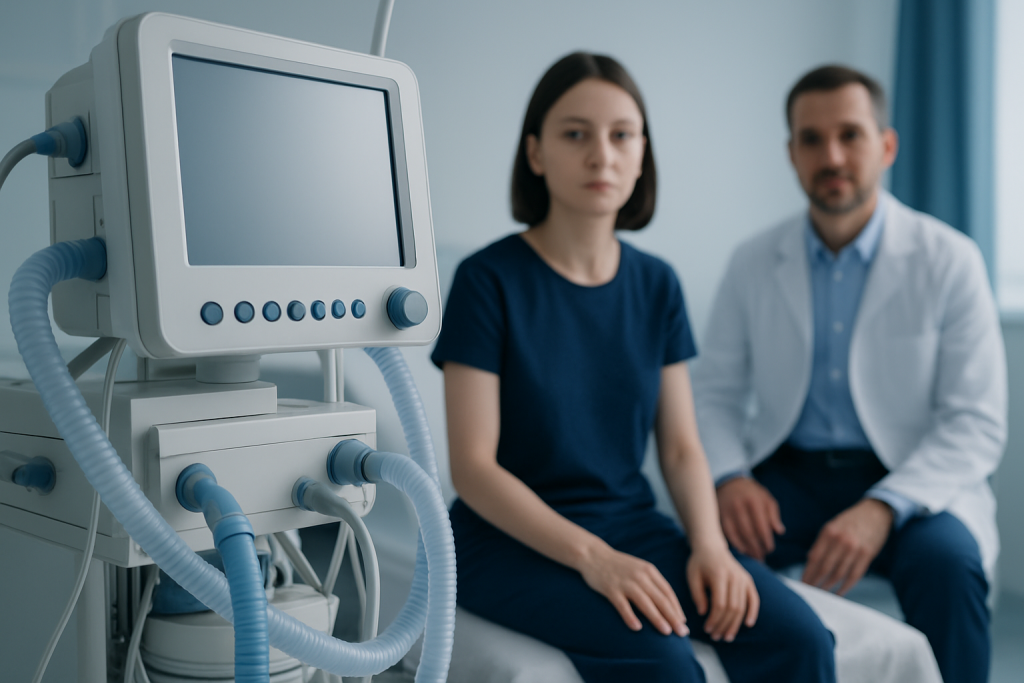
The most recognizable feature is limited facial movement. A child may not smile, frown, or show the usual facial expressions, and the face can appear still even during crying or laughter. This can sometimes be misread as emotional distance, when in fact the child’s feelings are normal.
Eye movement is often affected as well, especially side-to-side movement. Some children compensate by turning their head more often, and some may have trouble fully closing the eyes, which can lead to dryness or irritation.
Other possible signs include:
- Difficulty feeding in infancy, including weak sucking or trouble coordinating swallowing
- Speech differences related to facial and tongue movement
- Drooling or a small amount of mouth opening
- Hearing differences or dental concerns in some cases
- Limb differences, chest wall differences, or clubfoot in some children
Not every person has all of these features. Some have mainly facial weakness, while others have additional developmental or orthopedic needs that become clearer over time.
Causes & Risk Factors

Moebius syndrome is thought to result from abnormal development of certain cranial nerves before birth. In many cases, the exact cause is not identified. Researchers believe multiple factors may contribute, including interrupted blood flow to developing nerves or other early developmental changes.
Most cases appear sporadic, meaning they happen without a clear family pattern. A small number of cases may be linked to genetic changes or other inherited tendencies, but this is not the usual situation.
Because the condition develops early in pregnancy, it is not typically caused by something a parent did or did not do after birth. Families often find it helpful to discuss the known and unknown aspects of the condition with a specialist, especially when they are planning future care or thinking about additional pregnancies.
Diagnosis
Diagnosis usually begins with a careful clinical examination. A doctor looks at facial movement, eye motion, feeding history, speech development, and any associated limb or skeletal findings. In many cases, the pattern of findings points strongly toward Moebius syndrome.
Tests may be used to rule out other conditions or to define the extent of nerve involvement. These can include MRI scans, hearing tests, eye examinations, swallowing assessment, and sometimes genetic testing depending on the child’s presentation.
For international patients, it can help to arrive with previous newborn records, video clips showing feeding or smiling attempts, and any earlier specialist reports. This makes first assessments more efficient and may reduce the need to repeat already completed evaluations.
Treatment Options
There is no single treatment that reverses Moebius syndrome, so care focuses on supporting function and quality of life. The most useful plan is usually multidisciplinary, combining input from pediatrics, neurology, ophthalmology, speech therapy, rehabilitation, dentistry, and sometimes plastic or reconstructive surgery.
Feeding support may be needed in infancy if swallowing or sucking is difficult. Speech therapy can help with articulation and communication strategies, while eye care may include lubrication or other measures to protect the surface of the eye when blinking is incomplete.
Depending on symptoms, treatment may also include:
- Physical and occupational therapy for motor development and daily skills
- Dental and orthodontic care for bite or jaw concerns
- Hearing assessment and support if needed
- Selected reconstructive procedures to improve facial movement or eye closure in appropriate cases
Some families explore surgical options later in childhood or adolescence when growth is more stable and goals can be discussed clearly. The best timing depends on function, age, overall health, and the child’s own priorities.
Prevention & Self-care
Moebius syndrome cannot usually be prevented because it begins during early development. Even so, day-to-day care can make a meaningful difference in comfort, confidence, and communication.
Eye protection is especially important when blinking is incomplete. Regular lubrication, attention to dryness, and prompt review of redness or irritation can help reduce discomfort. Feeding and speech strategies may also be adjusted as the child grows, especially when school and social settings become more demanding.
Families often benefit from practical self-care steps such as:
- Keeping follow-up visits with the care team, even when symptoms seem stable
- Encouraging speech practice and communication methods that fit the child’s age
- Watching for eye dryness, dental issues, and swallowing concerns
- Supporting emotional wellbeing, since facial expression differences can affect social interactions
When care is being arranged from another country, it can be useful to plan ahead for rehabilitation sessions, eye checks, and any post-procedure follow-up before travel is booked.
When to See a Doctor
Medical review is important when a baby has difficulty feeding, does not move the face as expected, or seems unable to move the eyes fully from side to side. These signs do not confirm Moebius syndrome on their own, but they do warrant prompt assessment.
Later in childhood, a doctor should be consulted if eye dryness, speech delay, recurrent feeding problems, dental concerns, or new developmental issues appear. If a child is already diagnosed, regular follow-up helps the care team adjust support as the child grows and school demands change.
Families seeking a second opinion or coordinated care abroad may value centers that can bring multiple specialists together in one pathway. Acibadem Health Point’s multidisciplinary specialists and JCI-accredited hospitals diagnose and treat this condition for international patients in a coordinated setting.
Frequently asked questions
Is Moebius syndrome the same as facial paralysis?
It includes facial weakness, but it is more than a facial muscle problem. The condition usually involves the cranial nerves that control facial movement and eye motion, and sometimes other body systems as well.
Can a child with Moebius syndrome speak normally?
Many children can learn to communicate well, but speech may be affected by limited facial and mouth movement. Speech therapy and early support often help children build clear, effective communication.
Does Moebius syndrome affect intelligence?
Not necessarily. Intelligence is often typical, although some children may have learning, developmental, or attention-related needs that should be evaluated individually.
Why do children with Moebius syndrome sometimes turn their heads a lot?
Head turning can be a natural way to compensate for limited side-to-side eye movement. It helps the child look toward people or objects without moving the eyes in the usual way.
Is surgery always needed?
No. Some people do well with therapies, eye care, and supportive treatments alone, while others may consider surgery for specific functional goals. The decision depends on the symptoms and overall plan of care.
Can the condition get worse over time?
Moebius syndrome is generally considered a lifelong congenital condition rather than a progressive one. However, needs can change as a child grows, so periodic reassessment remains important.
References
- National Institute of Neurological Disorders and Stroke
- Genetic and Rare Diseases Information Center
- Orphanet
- Mayo Clinic
- American Academy of Pediatrics
This article is for general information only and is not a substitute for professional medical advice. Please consult a qualified doctor about your individual situation.