Miosis

Key Takeaways
- Miosis means the pupils are unusually small or constricted.
- It can be temporary and harmless, but it may also point to medication use, eye inflammation, or neurologic disease.
- Doctors assess the pupil shape, light response, medications, and any related symptoms to find the cause.
- Treatment focuses on the underlying reason rather than the pupil size itself.
- Urgent evaluation is needed if miosis appears with headache, weakness, drooping eyelid, eye pain, or sudden vision changes.
Miosis is the medical term for pupils that are smaller than expected. It can happen for harmless reasons, but it may also signal an eye condition, medication effect, or a nervous system problem that deserves medical review.
Overview
Miosis is the medical term for pupils that are smaller than expected. A person may notice it in one eye or both, and it may be present all the time or appear only in certain lighting conditions. In many situations, the change is short-lived and not dangerous, but it is still worth understanding because the pupils can reflect what is happening in the eyes, the nervous system, or the effect of a medication.
The pupil is the dark opening in the center of the eye that helps control how much light enters. It normally becomes smaller in bright light and larger in dim light. When the pupil remains unusually narrow, the eye may look less reactive than expected, and vision in dim settings can feel less comfortable. Miosis itself is not a disease; it is a sign that can have several explanations.
For international patients, this is often one of those findings that is first noticed during a routine exam, after starting a new medicine, or during a medical visit for a separate symptom such as eye pain or headache. The key is to look at the whole picture rather than the pupil alone.
Some causes are simple and reversible, while others need prompt attention. That is why a careful assessment by an eye doctor or physician is important when the change is new, uneven between the two eyes, or accompanied by other symptoms.
Symptoms
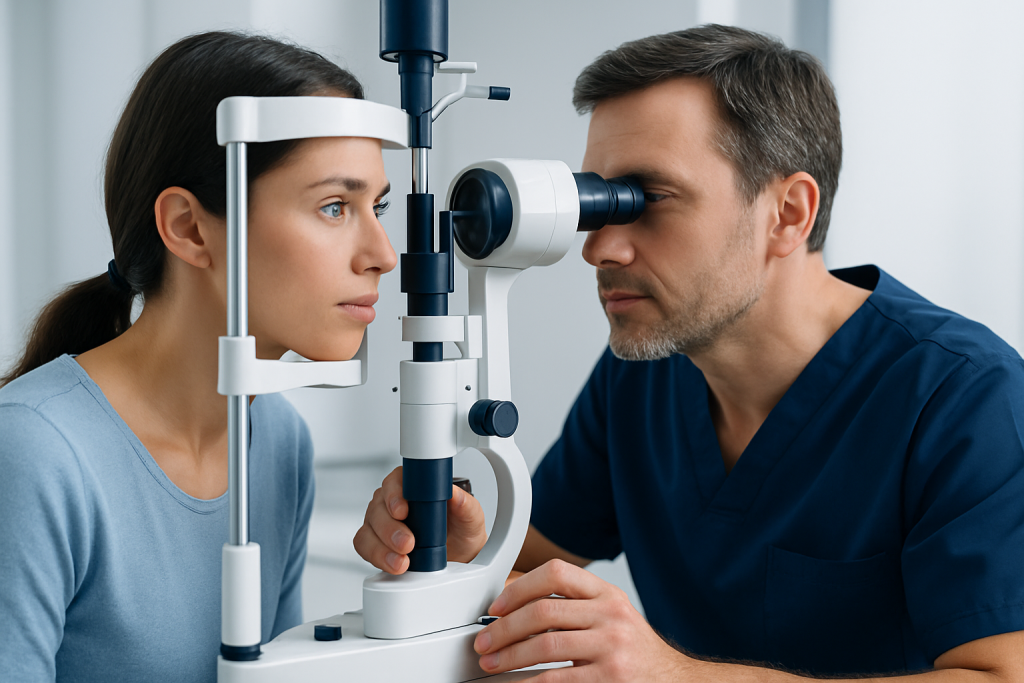
The main sign of miosis is a pupil that stays noticeably smaller than expected. This may be most obvious when comparing one eye with the other, or when the pupils do not widen normally in dim light. In some people, the constriction is subtle and may only be found during an eye examination.
Miosis may also come with other symptoms depending on the cause. These can include blurred vision, eye redness, pain, sensitivity to light, tearing, a heavy eyelid, or headaches. If the change is linked to a nerve or brain issue, it may appear alongside weakness, numbness, dizziness, facial drooping, or changes in balance.
Sometimes the symptom pattern gives an important clue. For example, miosis that develops after using certain eye drops or pain medicines may fit a medication effect, while miosis with a painful red eye may suggest inflammation or glaucoma-related concerns. Miosis with a drooping eyelid and reduced sweating on one side of the face can point to a nerve pathway problem.
- Unusually small pupil in one or both eyes
- Different pupil sizes between the eyes
- Blurred or dim vision, especially in low light
- Eye pain, redness, or light sensitivity
- Headache, drooping eyelid, or neurologic symptoms
Causes & Risk Factors

Miosis has a broad set of possible causes. One of the most common is medication exposure. Certain prescription medicines, including some pain medicines, eye drops, and drugs used for anesthesia or neurologic conditions, can make the pupils constrict. Exposure to substances such as opioids or organophosphate chemicals can also produce miosis.
Eye conditions are another major group of causes. Inflammation inside the eye, certain types of glaucoma, and injuries to the eye can all alter how the pupil behaves. A pupil that becomes small because of irritation or inflammation may also react less briskly to light.
Neurologic and autonomic nervous system conditions can affect pupil size as well. These may include problems affecting the brain stem, sympathetic nerve pathways, or structures related to Horner syndrome. In some cases, infection, trauma, or vascular events may be involved.
Risk factors depend on the cause rather than on miosis itself. Recent medication changes, eye injury, known neurologic disease, exposure to toxins, and a history of eye inflammation can all increase the chance that constricted pupils will appear. Because the pupil is controlled by both the eye and the nervous system, doctors often review medical history carefully before deciding what to test next.
Diagnosis
Diagnosis begins with a detailed history and a focused eye and neurologic examination. A clinician will usually ask when the pupil change started, whether it affects one or both eyes, whether it changes with light, and whether the person has recently used any medicines, eye drops, recreational substances, or chemical exposures. Even small details can be helpful.
The examination typically includes checking visual acuity, pupil size and symmetry, reaction to light, eyelid position, eye movements, and the health of the eye structures. If the cause is not obvious, the doctor may recommend additional tests to look for inflammation, pressure changes inside the eye, neurologic causes, or drug-related effects.
Depending on the findings, testing may include imaging studies, blood tests, or referral to a specialist in eye care or neurology. For patients traveling from abroad, it is often useful to bring a list of current medicines, prior eye records, and any recent test results so that the evaluation can move efficiently and safely.
The goal is not just to confirm that the pupil is small, but to identify why it is small. That distinction guides treatment and helps determine whether the condition is urgent.
Treatment Options
Treatment for miosis depends entirely on the underlying cause. There is no single medicine that “opens” the pupil in every situation. If the cause is a medication effect, the prescribing doctor may adjust the dose, change the treatment, or recommend monitoring until the effect wears off. If the cause is a harmful exposure, prompt medical care may be needed to reduce further absorption and address related symptoms.
When miosis is linked to an eye condition, care may involve anti-inflammatory treatment, pressure-lowering therapy, or other targeted eye medicines. If a neurologic cause is suspected, management focuses on the underlying problem, which may include urgent evaluation, imaging, or specialist treatment. In some cases, miosis is part of a broader condition that improves as the main issue is treated.
Supportive care may also be helpful. This can include guidance about driving in dim light, using protective eyewear if the eye is sensitive, and arranging follow-up exams to make sure the pupil response and related symptoms are improving. For patients receiving care away from home, coordinated follow-up matters because some causes require repeat assessment after the initial visit.
Because the right treatment depends on the cause, it is best not to self-treat with over-the-counter drops or leftover medicines. A clinician should confirm whether the constricted pupils are a harmless reaction, an expected side effect, or a sign of something that needs more attention.
Prevention & Self-care
Not all cases of miosis can be prevented, especially when they are related to illness or anatomy. Still, a few practical habits can reduce avoidable triggers and make the condition easier to manage. The most useful step is to know which medicines, eye drops, or substances may affect pupil size and to use them only as directed by a qualified clinician.
People who work with chemicals should use appropriate eye and skin protection and follow safety instructions carefully. Anyone with a history of eye inflammation or neurologic symptoms should keep regular medical follow-up, since early review can catch changes before they become more complex. If pupils become smaller after a new medicine is started, the prescribing doctor should be informed.
For day-to-day comfort, it may help to avoid sudden changes from bright to dim environments, since constricted pupils can make low-light vision less comfortable. If one eye is affected more than the other, a patient should avoid waiting long periods before reporting it, especially if the change is new or accompanied by discomfort. When traveling for care, carrying medication names and dosing schedules can make follow-up smoother and safer.
- Use medicines exactly as prescribed
- Protect eyes from chemical or trauma exposure
- Keep a current list of all medications and eye drops
- Arrange follow-up if the pupil change persists
- Seek timely review if new symptoms appear
When to See a Doctor
Medical evaluation is advisable whenever miosis is new, unexplained, or clearly different between the two eyes. It is especially important if the change does not go away, if it follows an injury or a new medication, or if the person is unsure whether a substance exposure may be involved. A proper exam can separate a harmless temporary effect from a condition that needs treatment.
Urgent care is warranted if miosis comes with severe headache, eye pain, sudden vision changes, weakness, trouble speaking, confusion, facial drooping, or a drooping eyelid on one side. These symptoms can point to a more serious eye or neurologic problem that should be assessed without delay.
People traveling internationally for care often benefit from prompt, coordinated assessment because the cause may require more than a single appointment. At Acibadem Health Point, multidisciplinary specialists and JCI-accredited hospitals diagnose and treat this condition for international patients, with attention to both the eye findings and any broader medical concerns.
In general, the safest approach is to have a clinician evaluate any persistent or unexplained pupil change. Even when the cause turns out to be simple, the exam can provide reassurance and a clear plan for next steps.
Frequently asked questions
Is miosis always a sign of a serious problem?
No. Miosis can happen for ordinary reasons, including lighting changes or the effects of some medicines. However, new or unexplained miosis should still be checked, especially if it affects one eye more than the other or comes with other symptoms.
Can medications cause miosis?
Yes. Several medicines can make the pupils smaller, including some pain medicines and certain eye drops. A doctor or pharmacist can help determine whether a medication effect is expected or whether another cause should be considered.
What is the difference between miosis and anisocoria?
Miosis means the pupil is abnormally small. Anisocoria means the pupils are different sizes. A person can have miosis in one eye and anisocoria if the other pupil is larger, but the terms describe different findings.
Does miosis affect vision?
It can, especially in dim light. Smaller pupils let less light into the eye, which may make low-light vision less comfortable or appear slightly dimmer. If vision changes are sudden or significant, medical evaluation is important.
How do doctors find the cause of miosis?
They start with a history, eye exam, and review of medicines and exposures. If needed, they may order imaging, blood tests, or specialist consultation to look for eye, nerve, or brain-related causes.
Can miosis go away on its own?
Yes, if it is caused by a temporary medication effect or short-lived exposure, it may improve on its own. Even so, persistent or unexplained miosis should be reviewed by a doctor to make sure the underlying cause is understood.
References
- American Academy of Ophthalmology
- National Eye Institute
- MedlinePlus
- Merck Manual Professional Edition
- Mayo Clinic
This article is for general information only and is not a substitute for professional medical advice. Please consult a qualified doctor about your individual situation.