Milia Removal

Key Takeaways
- Milia are tiny keratin-filled bumps, not acne, and they often look white or pearl-like.
- They may resolve naturally, but some last longer or recur without proper skin care.
- Professional removal is usually quick and should be done with sterile, skin-safe techniques.
- Harsh squeezing or picking can irritate the skin and increase the chance of marks or infection.
- A dermatologist can also check whether a bump is truly milia or another skin condition.
Milia are small, harmless white or yellowish bumps that commonly appear on the face, especially around the eyes and cheeks. While they often disappear on their own, persistent or bothersome milia can be safely evaluated and removed by a dermatologist.
Overview
Milia are small, firm bumps that form when keratin, a normal protein in the skin, becomes trapped just beneath the surface. They are often seen on the eyelids, cheeks, nose, or forehead, and they usually appear white or pale yellow. Because they are so small and smooth, many people mistake them for whiteheads.
Unlike acne, milia are not caused by clogged pores in the usual sense, and they are not a sign of poor hygiene. They can appear in newborns, but they are also common in adults, especially after skin irritation, sun damage, heavy cosmetics, or certain skin procedures. For someone planning care from another country, it is helpful to know that the diagnosis is typically straightforward during a skin examination, and treatment can often be arranged as a simple outpatient visit.
Some milia disappear without treatment, while others linger for months. When they are cosmetically bothersome, in a sensitive area, or not improving on their own, a dermatologist can remove them safely using precise techniques designed to protect the surrounding skin.
Symptoms
Milia usually show up as tiny, round bumps that feel firm rather than soft. They are often only 1 to 2 millimeters wide, though they can occasionally be larger. Most do not itch or hurt, which is one reason they may go unnoticed until they are seen in a mirror or by a skin specialist.
Their appearance can vary slightly depending on the person and where they develop. In adults, they may cluster around the eyes, on the upper cheeks, or along areas that have been irritated by a product or skin injury. In babies, they commonly appear on the nose, cheeks, or gums and often go away on their own.
- Small white, yellowish, or pearl-like bumps
- Firm texture rather than redness or swelling
- Commonly found around the eyes and cheeks
- Usually painless and not itchy
- May remain stable for a long time
Because many skin conditions can look similar, a persistent bump should not be assumed to be milia without a proper assessment. A dermatologist can usually distinguish it from acne, closed comedones, syringomas, xanthelasma, or other lesions that may need different management.
Causes & Risk Factors

Milia form when dead skin cells become trapped in a tiny pocket near the skin’s surface. The exact reason this happens is not always clear, but several common patterns are known. In some people, the skin simply does not shed cells in the most efficient way, allowing keratin to build up and become visible as a small bump.
Adult milia are often linked to skin irritation or trauma. They may follow burns, rashes, blistering conditions, sun exposure, long-term use of heavy creams, or cosmetic procedures such as resurfacing. In these situations, the skin may heal in a way that leaves tiny pockets where keratin can collect.
Factors that may increase the chance of milia include:
- Using rich or occlusive skin products that feel heavy on the skin
- Skin injury, friction, or irritation
- Sun-damaged skin
- Recent dermatologic procedures or healing skin wounds
- Some inherited skin conditions in rare cases
It is important to understand that milia are not contagious and are not a sign of infection. For international patients considering travel for skin care, a consultation can clarify whether the bumps are isolated milia or part of a broader skin pattern that deserves further evaluation before treatment begins.
Diagnosis
Diagnosis is usually based on a careful visual examination of the skin. A dermatologist often recognizes milia by their size, color, texture, and location. In many cases, no test is required because the appearance is characteristic.
If the bumps are unusual, widespread, changing, or located in a pattern that does not fit simple milia, the doctor may ask questions about skincare habits, prior skin injury, medications, or family history. Rarely, a biopsy or additional assessment may be considered if another condition needs to be ruled out.
For patients traveling for care, this first visit is especially useful because it helps confirm the diagnosis before any procedure is planned. That can prevent unnecessary treatment and make the removal approach more targeted, especially around delicate areas such as the eyelids.
Treatment Options
Many milia do not require treatment and may fade over time. When removal is desired, the approach depends on the number of bumps, their location, and the person’s skin type. The goal is to clear the lesion while minimizing irritation and the risk of a visible mark.
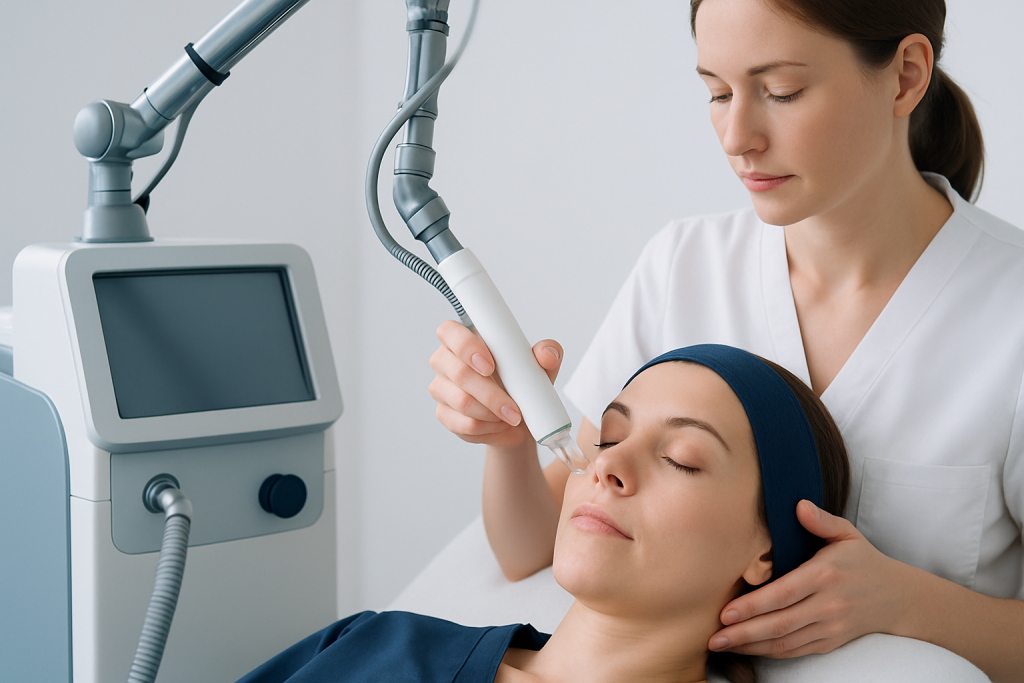
Common professional treatment methods include a tiny sterile opening made with a fine needle or blade, followed by gentle extraction of the trapped material. This is usually a quick office-based procedure. In some cases, a dermatologist may also recommend topical retinoids or other skin-care strategies to help reduce recurrence, especially if the skin tends to form repeated bumps.
What should be avoided is just as important as what should be done. Squeezing, picking, or scrubbing milia at home can break the skin and leave discoloration or a small scar. Because the bumps are so close to the surface, they may seem easy to remove, but the surrounding skin is often delicate, particularly near the eyes.
For patients coming from abroad, treatment planning often includes discussing timing, healing expectations, and any follow-up that may be needed after travel. In many cases, a dermatologist can complete evaluation and removal in a short visit, with simple aftercare instructions to support recovery after returning home.
Prevention & Self-care
There is no guaranteed way to prevent milia, but gentle skin care may lower the chance of new bumps forming, especially in adults whose milia seem related to irritation or heavy products. The most helpful approach is usually to keep the skin calm and avoid overworking it.
Simple habits may include using non-comedogenic moisturizers, cleansing gently, and protecting the skin from excess sun exposure. If a person notices milia appearing after a particular cream, makeup, or skincare step, it may be worth reviewing the routine with a dermatologist rather than layering on more products.
- Avoid picking, squeezing, or exfoliating too aggressively
- Choose lightweight, non-comedogenic skincare products
- Use daily sun protection suitable for the skin type
- Pause irritating products if a dermatologist advises it
- Seek professional advice before using strong acids or retinoids near the eyes
After removal, the skin may need a short period of calm care. Following the clinic’s instructions on cleansing, cosmetics, and sun protection can help the area heal comfortably. If a patient is coordinating treatment while traveling, it is sensible to ask about aftercare in advance so the routine can continue smoothly after the trip.
When to See a Doctor
A dermatologist should be consulted if a bump is growing, painful, red, bleeding, or changing in appearance, because not every small facial lesion is milia. Medical review is also a good idea if the bumps are numerous, recurrent, or appearing after a skin procedure and not settling as expected.
People often seek care when milia are near the eyes, since this area is sensitive and home removal is especially risky. A doctor can confirm the diagnosis, explain whether the bumps are likely to improve on their own, and recommend the safest way to remove them if treatment is wanted.
If someone is traveling for dermatology care, it helps to plan for a consultation early enough to allow the skin to settle before returning home. Acibadem Health Point’s multidisciplinary specialists and JCI-accredited hospitals diagnose and treat milia for international patients in a structured, patient-focused setting.
Any lesion that does not behave like a typical milia should be checked rather than observed indefinitely. A clear diagnosis is the best starting point, especially when the skin around the bump is delicate or when cosmetic concerns are influencing the decision to treat.
Frequently asked questions
Are milia the same as acne?
No. Milia are tiny keratin-filled cysts, while acne involves blocked pores, oil, and inflammation. They can look similar at a glance, but they are formed differently and are treated differently.
Can milia go away on their own?
Yes, some milia disappear without treatment, especially in babies and in mild adult cases. Others can remain for a long time, which is why a dermatologist may suggest removal if they persist or bother the person cosmetically.
Is it safe to pop milia at home?
It is not recommended. Picking or squeezing can injure the skin, especially around the eyes, and may lead to irritation, bleeding, infection, or a small scar.
How are milia removed by a doctor?
A dermatologist usually uses a sterile, very fine technique to open the surface and gently extract the trapped material. The procedure is typically quick and done in the clinic with careful attention to surrounding skin.
Can skincare products prevent milia?
Some people notice fewer bumps when they use gentle, non-comedogenic products and avoid heavy or irritating creams. Skincare can help reduce risk, but it cannot guarantee prevention.
When should a bump be checked if it looks like milia?
It should be checked if it is painful, inflamed, bleeding, growing, or changing in shape or color. A doctor should also review it if there is any doubt about the diagnosis, since other skin conditions can look similar.
References
- American Academy of Dermatology
- DermNet NZ
- National Health Service
- Mayo Clinic
This article is for general information only and is not a substitute for professional medical advice. Please consult a qualified doctor about your individual situation.