How To Get Rid Of Blackheads On Nose

Key Takeaways
- Blackheads are open clogged pores, not dirt trapped in the skin.
- Harsh scrubbing and squeezing often make the nose more irritated.
- Ingredients such as salicylic acid, retinoids, and non-comedogenic products can help.
- Professional extraction or acne treatment may be useful for stubborn blackheads.
- A dermatologist should evaluate blackheads that are painful, inflamed, or recurring.
Blackheads on the nose are a common form of acne caused by clogged pores that open to the air and darken on contact with oxygen. Gentle cleansing, targeted skincare, and the right professional treatment can help clear them without irritating the skin.
Overview
Blackheads on the nose are one of the most familiar skin concerns, and they often appear exactly where pores are most visible. They develop when oil, dead skin cells, and debris collect inside a pore and the surface remains open. Once that material meets air, it darkens, creating the characteristic black appearance.
Although blackheads can be frustrating, they are usually manageable. The goal is not to “scrub them out,” but to keep pores clear, reduce excess oil, and avoid habits that inflame the skin. For people traveling for care or comparing treatment options from another country, a dermatology consultation can help distinguish simple blackheads from acne that needs a more structured plan.
Because the nose has many sebaceous glands, it often reacts quickly to pore-clogging products, heavy makeup, and frequent touching. A calm, consistent routine usually works better than aggressive treatments.
Symptoms and What Blackheads Look Like
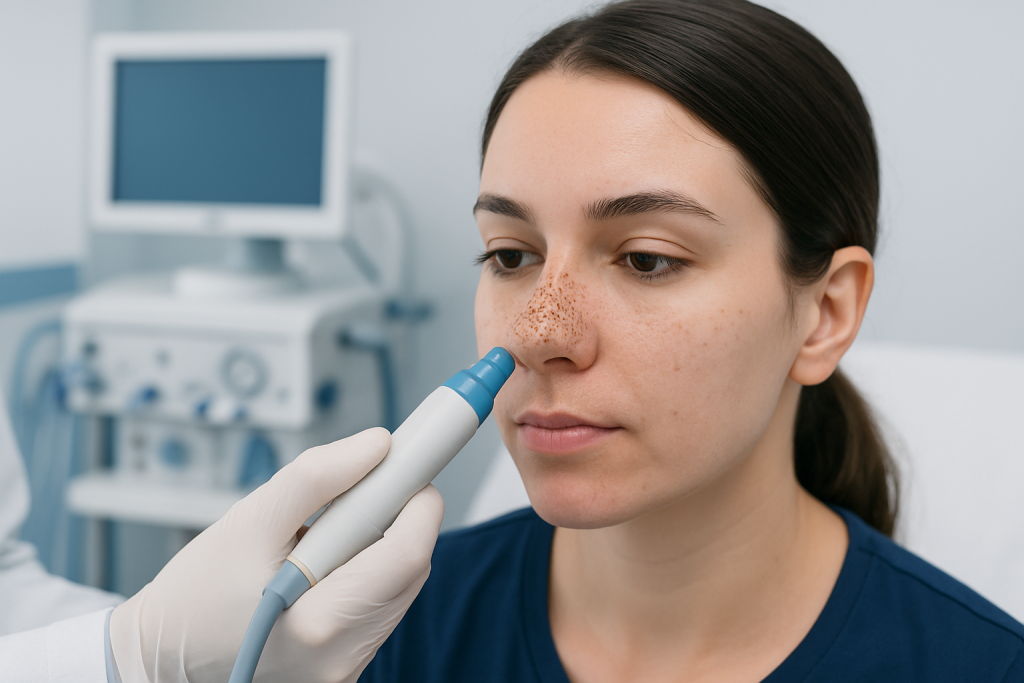
Blackheads usually appear as small dark dots on the nose, especially on the tip and sides. They may feel slightly rough when the skin is touched, but they are often not painful. Unlike pimples with white pus or red swelling, blackheads are typically open comedones rather than inflamed lesions.
It can be helpful to know that blackheads are not caused by poor hygiene. The dark color comes from oxidation at the surface, not dirt. In some people, the nose may also have sebaceous filaments, which are normal oil-filled openings that can resemble blackheads but tend to look lighter, more uniform, and return quickly after cleaning.
If the area becomes red, tender, or swollen, the concern may be more than simple blackheads. That pattern can suggest inflammatory acne, irritation from products, or skin picking.
Causes and Risk Factors

Blackheads form when pores become plugged with sebum and dead skin cells. Several factors can make this more likely, including oily skin, hormonal changes, and certain skincare or cosmetic products. People with acne-prone skin often notice blackheads first on the nose because the area produces more oil than many other parts of the face.
Daily habits can also contribute. Heavy creams, pore-clogging makeup, infrequent cleansing after sweating, and repeated touching of the face may worsen congestion. Over-cleansing can be a problem too, because stripping the skin may trigger more oil production and more irritation.
Risk can be higher in teenagers and young adults, but blackheads can appear at any age. Climate, stress, and medications that affect hormones or oil production may also play a role. For some people, a travel schedule and changes in water, climate, or routine can make skin flare-ups more noticeable.
Common contributors include:
- Excess oil production
- Dead skin buildup
- Comedogenic cosmetics or sunscreens
- Hormonal changes
- Frequent face touching or picking
- Inconsistent skincare routines
Diagnosis
Most blackheads can be identified by simple visual examination. A dermatologist or qualified skin specialist usually looks at the size, color, and distribution of the bumps and checks for signs of acne, irritation, or another skin condition. In most cases, no test is needed.
Diagnosis becomes more important when the nose has repeated breakouts, unusual texture changes, or lesions that do not behave like typical blackheads. A clinician may ask about current skincare products, makeup use, recent travel, medications, and whether the skin is oily, dry, or sensitive.
Professional assessment can also be useful when someone is planning treatment from abroad. A clear diagnosis helps avoid unnecessary procedures and allows a realistic home-care plan after returning home.
Treatment Options
Effective treatment usually combines gentle home care with, when needed, professional dermatology support. The most useful over-the-counter options are products that help keep pores clear over time rather than quick fixes that irritate the skin. Salicylic acid is commonly used because it can help loosen buildup inside the pore, while topical retinoids may help prevent new clogs from forming.
People often try squeezing blackheads, pore strips, or abrasive scrubs. These methods may give brief cosmetic improvement, but they can also irritate the skin, trigger redness, and sometimes make pores look more noticeable. If extraction is considered, it is safest when done by a trained professional in a controlled setting.
For persistent or widespread blackheads, a dermatologist may recommend a more complete acne plan. That can include prescription topical medicines, combination therapy, or in-office procedures such as professional extraction or chemical peels, depending on skin type and the overall acne pattern. Treatment is usually tailored to whether the skin is oily, sensitive, or also dealing with inflamed pimples.
In some cases, the best result comes from pairing treatment with a simple maintenance routine. That often includes a gentle cleanser, a non-comedogenic moisturizer, and sunscreen that does not clog pores.
Prevention and Self-care
Prevention is often easier than clearing a fully congested nose. A steady, low-irritation routine can keep pores from filling up again. The aim is to clean the skin without stripping it and to choose products that support the skin barrier.
Helpful self-care steps include washing the face gently once or twice daily, especially after sweating, and removing makeup before bed. It also helps to use non-comedogenic or oil-free products when possible and to avoid heavy layers of skincare that sit on the skin. When introducing active ingredients such as salicylic acid or retinoids, it is best to start gradually so the skin can adjust.
Other practical habits matter too. Hands should stay off the face as much as possible, and picking at the nose should be avoided. Pillowcases, masks, and makeup tools should be kept clean, since residue can contribute to clogged pores or irritation. If the skin becomes dry or sensitive, a lighter moisturizer may protect the barrier and make treatment easier to tolerate.
Short prevention checklist:
- Use a gentle cleanser, not a harsh scrub
- Choose non-comedogenic skincare and makeup
- Remove makeup every evening
- Do not pick or squeeze blackheads
- Introduce acne treatments slowly and consistently
When To See a Doctor
Medical care is worth considering when blackheads do not improve after several weeks of consistent home care, or when the nose also has painful pimples, redness, swelling, or repeated flare-ups. A dermatologist can help confirm whether the issue is blackheads, sebaceous filaments, acne, or another skin condition that needs a different approach.
Professional advice is also useful if over-the-counter products are causing burning, peeling, or worsening breakouts. Some skin types are sensitive to acne treatments and do better with a carefully stepped-up routine rather than multiple products at once. People with darker skin tones may especially benefit from individualized guidance to reduce the risk of irritation and post-inflammatory discoloration.
For international patients seeking care, a coordinated dermatology visit can make treatment more efficient, especially when time is limited before travel back home. Acibadem Health Point’s multidisciplinary specialists and JCI-accredited hospitals diagnose and treat skin conditions for international patients, while helping plan follow-up care that can continue after departure.
Living With Recurring Blackheads
Blackheads on the nose often return if the routine is inconsistent or too harsh. Long-term management usually works best when it is simple, realistic, and matched to the person’s skin. The skin on the nose should be treated as a delicate area, even when it looks oily.
It can help to think in terms of maintenance rather than a one-time fix. Once the pores are clearer, ongoing use of the right cleanser and one effective active ingredient may be enough for many people. If blackheads keep reappearing despite good habits, a dermatologist can adjust the plan and look for acne patterns that need more than over-the-counter care.
With patience and the right approach, most people can reduce the look of blackheads without damaging the skin barrier. The most reliable results usually come from consistency, not intensity.
FAQ
What is the fastest way to get rid of blackheads on the nose?
The fastest safe option is usually a professional extraction or a dermatologist-guided acne treatment plan. At home, gentle cleansing and a product with salicylic acid may help over time, but blackheads usually do not disappear instantly.
Do pore strips remove blackheads permanently?
Pore strips can lift some surface debris, but they do not prevent pores from clogging again. They may also irritate sensitive skin, so they are not a long-term solution for many people.
Can I squeeze blackheads out myself?
It is generally better not to squeeze them. Pressing the skin can cause irritation, swelling, broken capillaries, or even scarring, especially on the nose where the skin is delicate.
Which ingredients help most with blackheads?
Salicylic acid and topical retinoids are commonly used because they help clear and prevent clogged pores. A dermatologist may suggest other ingredients or a stronger prescription option depending on skin type and acne severity.
Are blackheads a sign of dirty skin?
No. Blackheads are caused by oil and dead skin cells clogging pores, and the dark color comes from oxidation when the material is exposed to air. Good hygiene helps, but blackheads can still occur even with regular cleansing.
When should a dermatologist be involved?
A dermatologist should be consulted if blackheads are persistent, painful, inflamed, or leaving marks behind. Professional care can also help when over-the-counter treatments have not worked or the skin is too sensitive to manage alone.
Frequently asked questions
What is the fastest way to get rid of blackheads on the nose?
The fastest safe option is usually a professional extraction or a dermatologist-guided acne treatment plan. At home, gentle cleansing and a product with salicylic acid may help over time, but blackheads usually do not disappear instantly.
Do pore strips remove blackheads permanently?
Pore strips can lift some surface debris, but they do not prevent pores from clogging again. They may also irritate sensitive skin, so they are not a long-term solution for many people.
Can I squeeze blackheads out myself?
It is generally better not to squeeze them. Pressing the skin can cause irritation, swelling, broken capillaries, or even scarring, especially on the nose where the skin is delicate.
Which ingredients help most with blackheads?
Salicylic acid and topical retinoids are commonly used because they help clear and prevent clogged pores. A dermatologist may suggest other ingredients or a stronger prescription option depending on skin type and acne severity.
Are blackheads a sign of dirty skin?
No. Blackheads are caused by oil and dead skin cells clogging pores, and the dark color comes from oxidation when the material is exposed to air. Good hygiene helps, but blackheads can still occur even with regular cleansing.
When should a dermatologist be involved?
A dermatologist should be consulted if blackheads are persistent, painful, inflamed, or leaving marks behind. Professional care can also help when over-the-counter treatments have not worked or the skin is too sensitive to manage alone.
References
- American Academy of Dermatology
- Mayo Clinic
- Cleveland Clinic
- NHS
This article is for general information only and is not a substitute for professional medical advice. Please consult a qualified doctor about your individual situation.