Keratosis Pilaris Treatment

Key Takeaways
- Keratosis pilaris is common and often improves with regular skin care, but it may not disappear overnight.
- Moisturizers with exfoliating ingredients can help smooth the skin and reduce the feel of roughness.
- Harsh scrubbing, very hot water, and drying soaps can make the condition more noticeable.
- A dermatologist can confirm the diagnosis and suggest stronger treatment if home care is not enough.
- People traveling for treatment often benefit from a clear plan for follow-up care and product selection after returning home.
Keratosis pilaris is a common, harmless skin condition that causes small rough bumps, often on the upper arms, thighs, cheeks, or buttocks. Treatment usually focuses on softening the skin, reducing buildup around hair follicles, and choosing a routine that is gentle and consistent.
Overview
Keratosis pilaris is a frequent skin condition in which tiny plugs of keratin, a natural protein in the skin, block hair follicles. The result is a patch of small, rough bumps that can feel like sandpaper, most often on the upper arms, thighs, cheeks, or buttocks. Many people notice the skin more than the bumps themselves, especially in dry weather or after using products that strip the skin.
Although the appearance can be frustrating, keratosis pilaris is not contagious and is not a sign of poor hygiene. It often starts in childhood or adolescence and may improve with age, though it can also persist into adult life. For people deciding whether to seek care, the key question is usually not urgency but comfort, confidence, and how much the skin bothers them day to day.
Treatment is aimed at easing dryness and helping the blocked follicles shed more evenly. Because the condition tends to come and go, it usually responds best to steady care rather than short bursts of treatment. That makes a practical routine especially important for patients who may be managing the condition while living abroad or coordinating follow-up from another country.
Symptoms
The classic sign of keratosis pilaris is a cluster of small, firm bumps that may be skin-colored, white, or slightly red. The skin can feel dry, rough, or uneven, and some people describe a mild redness around the bumps. In lighter skin tones, the bumps may look more obvious after sun exposure; in darker skin tones, the condition can leave areas of post-inflammatory discoloration.
Itching is usually mild, but dryness can make the area feel uncomfortable, especially in winter or after bathing. The condition often appears symmetrically, meaning it affects both sides of the body in a similar pattern. When the bumps are rubbed or irritated, they may temporarily look redder.
Keratosis pilaris is usually recognizable by its pattern and location, but it can sometimes be confused with eczema, acne, folliculitis, or dry skin alone. A proper skin evaluation helps clarify the diagnosis and prevents people from using products that are too harsh for their skin type.
Causes & Risk Factors

Keratosis pilaris happens when keratin builds up and forms a tiny plug in the opening of a hair follicle. Why this occurs is not fully understood, but genetics play a major role. It is common in families, and it often appears alongside other dry-skin or atopic conditions such as eczema, allergic tendencies, or asthma.
Dry weather, low humidity, frequent bathing, and products that disrupt the skin barrier can make the condition more visible. Some people notice flare-ups when their skin becomes drier during the winter or after travel to a different climate. Friction from tight clothing may also make the skin look more irritated, though it does not cause the condition on its own.
Age can matter as well. Keratosis pilaris is especially common in children and teenagers, and for many people it becomes less noticeable over time. Still, adults may continue to have persistent bumps, particularly if their skin naturally tends toward dryness or sensitivity.
Diagnosis
In most cases, keratosis pilaris is diagnosed through a simple skin examination. A doctor or dermatologist usually looks at the location, texture, and pattern of the bumps and asks about dryness, itching, family history, and any associated skin conditions. No special test is usually needed.
Occasionally, the diagnosis may be less obvious if the skin is inflamed, if there is significant redness, or if the bumps are widespread. In those situations, a clinician may consider other possibilities such as eczema, folliculitis, or a different follicular disorder. The goal is not only to name the condition, but to choose a routine that matches the person’s skin sensitivity and daily habits.
For international patients, an in-person dermatology review can be helpful when the skin has not improved with over-the-counter care or when several treatments have already been tried. A clear diagnosis saves time, reduces trial-and-error, and makes it easier to continue the same plan after returning home.
Treatment Options
Keratosis pilaris treatment usually combines gentle skin care with ingredients that help loosen the plugs around hair follicles. Moisturizers containing urea, lactic acid, salicylic acid, or glycolic acid are commonly used because they soften rough skin and improve texture over time. These products can be effective, but they may also sting if the skin is very sensitive, so gradual use is often easier to tolerate.
When needed, a dermatologist may suggest prescription-strength topical treatments. These can include retinoid creams or other medications that encourage skin cell turnover. Because every skin type reacts differently, treatment is often adjusted step by step rather than all at once. The best plan is usually one that can be used consistently, not just one that works quickly for a few days.
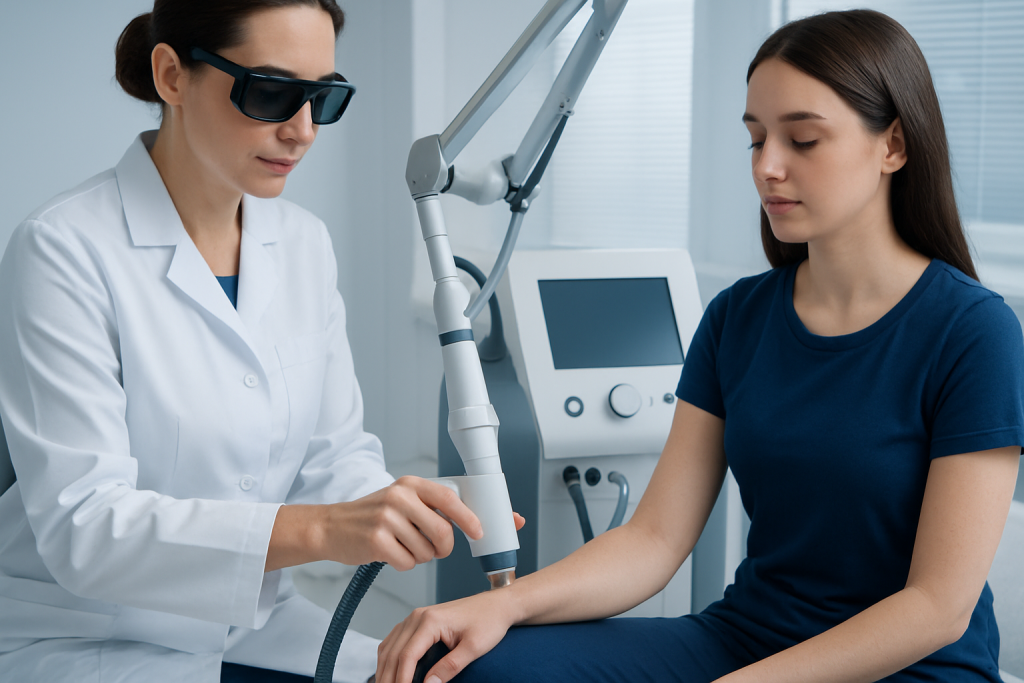
Some people ask whether laser or light-based treatments can help. These options may be considered in selected cases, especially when redness is a major concern, but they are not the first step for most patients. The most important practical goal is to reduce roughness and keep the skin barrier comfortable.
- Use fragrance-free moisturizers regularly, especially after bathing.
- Choose mild cleansers instead of strong soaps or scrubs.
- Introduce exfoliating ingredients slowly to avoid irritation.
- Follow the dermatologist’s advice if prescription treatment is recommended.
Prevention & Self-care
There is no guaranteed way to prevent keratosis pilaris, but daily habits can make it less noticeable. Short, lukewarm showers are gentler on the skin than long, hot ones. After bathing, applying moisturizer while the skin is still slightly damp can help trap water and support the skin barrier.
It usually helps to avoid aggressive scrubbing, rough loofahs, and products that leave the skin feeling tight or squeaky-clean. A simple, repeatable routine is often better than an ambitious routine that irritates the skin. If the area is exposed to sun, sunscreen can help reduce the contrast between the bumps and the surrounding skin, which may make the condition less visible.
People traveling for care may find it useful to leave the consultation with a written plan that identifies active ingredients, acceptable cleansers, and what to do if the skin becomes irritated. That kind of practical guidance makes it easier to maintain progress when routines change after a trip, a climate shift, or a return to work and school.
When to See a Doctor
A medical visit is reasonable when the bumps are painful, very itchy, spreading quickly, or associated with significant redness or swelling. It is also helpful to seek evaluation if the diagnosis is uncertain, if over-the-counter products have not helped after regular use, or if the skin changes are affecting confidence and quality of life.
People with eczema, sensitive skin, or a history of allergy may benefit from a dermatologist’s guidance earlier, since some exfoliating products can be too irritating. A clinician can help distinguish keratosis pilaris from similar conditions and adjust treatment so the skin barrier stays protected.
For patients considering care abroad, Acibadem Health Point’s multidisciplinary specialists and JCI-accredited hospitals can diagnose and treat keratosis pilaris for international patients, with attention to follow-up planning after the visit. A dermatologist can also advise whether a long-term maintenance routine is enough or whether a stronger prescription approach would be more suitable.
Living with Keratosis Pilaris
Keratosis pilaris is often more of a cosmetic and comfort concern than a medical one, but that does not make it trivial. Small changes in routine can make the skin feel smoother and easier to live with, especially when treatment is matched to the person’s skin type rather than copied from a generic list of products.
It is also important to be patient. Skin texture changes gradually, and the goal is usually improvement rather than a complete overnight clearing. For many people, the right regimen lowers roughness, softens redness, and makes the bumps much less noticeable in everyday life.
When care is personalized and realistic, keratosis pilaris becomes far more manageable. A dermatologist can help choose the simplest routine that fits the person’s schedule, climate, and level of skin sensitivity, which is especially valuable for those balancing treatment across borders.
Frequently asked questions
Is keratosis pilaris the same as acne?
No. Keratosis pilaris is caused by keratin plugging hair follicles, while acne involves clogged pores, oil, and inflammation. The two can look similar at a glance, but they usually need different skin-care approaches.
Can keratosis pilaris be cured?
There is no permanent cure for most people, but the condition often improves with consistent care. Many patients get good control with moisturizers and gentle exfoliating ingredients.
Do over-the-counter creams really help?
Yes, many people benefit from creams or lotions that contain urea, lactic acid, salicylic acid, or glycolic acid. Results are usually gradual, and products need to be used regularly to maintain improvement.
Why does keratosis pilaris get worse in winter?
Cold air and indoor heating can dry the skin, which makes the bumps more noticeable. A richer moisturizer and shorter, lukewarm showers often help during drier months.
Can a child use keratosis pilaris treatment products?
Some gentle moisturizers are appropriate for children, but exfoliating ingredients should be chosen carefully. A pediatrician or dermatologist can suggest age-appropriate options and help avoid irritation.
When should someone see a dermatologist instead of trying products on their own?
A dermatologist is useful when the skin is painful, very inflamed, or not improving after consistent home care. They can confirm the diagnosis and recommend stronger or better-tolerated treatment if needed.
References
- American Academy of Dermatology
- Mayo Clinic
- National Health Service
- DermNet NZ
This article is for general information only and is not a substitute for professional medical advice. Please consult a qualified doctor about your individual situation.