Marfan Connective Tissue Disease

Key Takeaways
- Marfan connective tissue disease is usually inherited and often affects the cardiovascular system.
- Early diagnosis matters because the aorta may enlarge without obvious symptoms.
- Care often includes regular heart and eye checks, imaging, and long-term follow-up.
- Treatment may combine medicines, activity adjustments, and surgery when needed.
- Family members may also need evaluation because the condition can run in families.
Marfan connective tissue disease is an inherited condition that affects the body’s connective tissue and can involve the heart, blood vessels, eyes, bones, and lungs. With timely diagnosis and ongoing follow-up, many people manage the condition well and reduce the risk of serious complications.
Overview
Marfan connective tissue disease is a genetic disorder that changes how the body’s connective tissue is built. Connective tissue gives strength and support to many organs, so when it is affected, several parts of the body can be involved at the same time. The heart and aorta are especially important to monitor, but the eyes, skeleton, and lungs can also show signs.
For many patients, the first questions are practical ones: What does this mean for daily life, travel, exercise, or family planning? The answer depends on how much the condition affects each person. Some people have mild features and need routine follow-up, while others require closer monitoring and sometimes procedures to protect the aorta.
Because symptoms can develop slowly, Marfan connective tissue disease is sometimes found during an exam for a tall, slender body build, vision changes, a heart murmur, or a family history of aortic disease. Recognizing the condition early gives doctors time to plan care before complications appear.
Symptoms
Marfan connective tissue disease does not look the same in every patient. Some signs are obvious in childhood or adolescence, while others are detected only after imaging or an eye examination. Many features are related to the body’s structure and the strain placed on the heart and blood vessels.
Common features may include:
- Tall stature with long arms, legs, fingers, or toes
- Chest wall changes, such as a sunken or protruding breastbone
- Scoliosis or other spinal curvature
- Flat feet or joint laxity
- Near-sightedness or lens problems in the eyes
- Heart murmurs, palpitations, or signs of aortic enlargement
Not all features are dangerous, but some are clues that help doctors look deeper. Eye symptoms and musculoskeletal changes may be the most visible, yet the most important medical concern is often the aorta, which can enlarge over time without causing pain or other early warning signs.
Causes & Risk Factors

Marfan connective tissue disease is usually caused by a change in a gene that helps the body produce a key connective tissue protein. In most families, the condition follows an autosomal dominant pattern, which means a child may inherit the altered gene from one affected parent. In some people, however, the gene change appears for the first time in that individual.
The main risk factor is family history. A known diagnosis in a parent, sibling, or child raises the chance that other relatives may also be affected, sometimes with subtle signs. This is one reason doctors often recommend evaluation for close family members when a diagnosis is made.
Unlike lifestyle-related diseases, Marfan connective tissue disease is not caused by diet, stress, or normal physical activity. Still, everyday choices can influence safety once the diagnosis is known. Activities that sharply raise blood pressure or strain the chest and joints may need to be modified, especially if the aorta is enlarged.
Diagnosis
Diagnosis usually begins with a detailed medical history and a physical examination. Doctors look for patterns across different body systems rather than a single sign. Family history, vision problems, chest shape, spine curvature, and heart findings can all help build the picture.
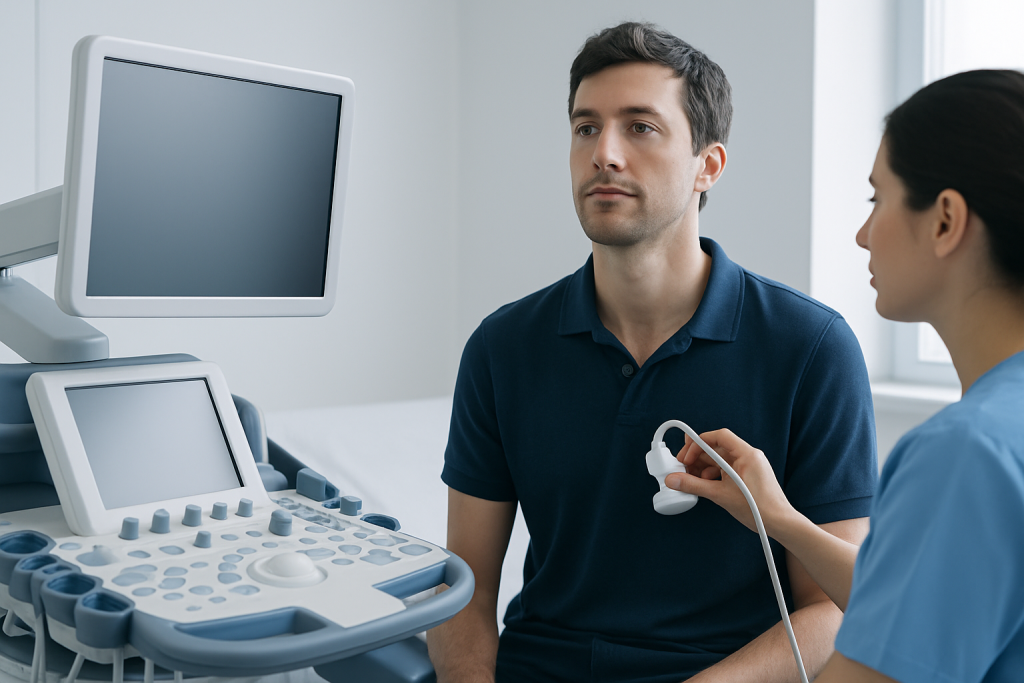
Because the condition often affects the heart and blood vessels, imaging is central to diagnosis and follow-up. An echocardiogram can show the size of the aortic root and how the heart valves are working. In some cases, CT or MRI is used to look more closely at the aorta.
An eye examination is also important, since lens movement and other eye changes may support the diagnosis. Genetic testing can help confirm the condition and may be useful for family counseling, especially when the clinical signs are not fully typical. Doctors may use internationally recognized diagnostic criteria to combine exam findings, imaging, family history, and genetics into a clear diagnosis.
Treatment Options
Treatment is tailored to the organs involved and the size and growth pattern of the aorta. Many patients are managed over time by a team that may include cardiologists, genetic specialists, ophthalmologists, orthopedic doctors, and sometimes cardiac surgeons. The goal is to lower the chance of complications while preserving daily function and quality of life.
Medicines are often used to reduce stress on the aorta and help slow enlargement. The exact choice depends on the patient’s overall health and the treating doctor’s plan. Regular imaging then helps determine whether the aorta is staying stable or whether treatment needs to change.
Surgery may be recommended if the aorta reaches a size or growth pattern that makes it more likely to weaken or tear. In some cases, eye surgery, spinal care, or treatment for chest wall problems may also be considered. These decisions are individualized, and patients traveling for care often benefit from a center that can coordinate testing, specialist review, and follow-up in one pathway.
Prevention & Self-care
Marfan connective tissue disease cannot be prevented, but complications can often be reduced with steady follow-up and thoughtful self-care. Patients are usually encouraged to keep scheduled heart imaging, eye checks, and specialist visits even when they feel well. Silent changes are common, so feeling fine does not always mean the aorta is unchanged.
Everyday self-care often includes pacing physical activity, avoiding very heavy lifting or intense strain unless a doctor says otherwise, and being cautious with contact sports. Good posture, physical therapy when advised, and attention to back or joint discomfort can also help some patients stay comfortable.
Practical travel planning matters for international patients. Bringing previous imaging, medication lists, and genetic test results can make consultations more efficient. It is also wise to understand how follow-up will happen after returning home, since long-term monitoring is a core part of care.
- Keep a personal file of test results and reports
- Ask whether close relatives should be screened
- Know the warning signs that require urgent attention
- Follow exercise advice from the care team
When to See a Doctor
Medical review is important if a person has a family history of Marfan connective tissue disease, visible skeletal features, or unexplained vision problems. A first assessment can be especially helpful for children, teenagers, and young adults whose growth patterns or heart findings raise questions.
Immediate medical attention is needed for sudden severe chest, back, or abdominal pain, fainting, shortness of breath, or new neurologic symptoms, because these can signal an emergency involving the aorta. While such events are not common, they require urgent evaluation without delay.
People already diagnosed with the condition should contact their doctor if symptoms change, if exercise tolerance drops, or if new palpitations or vision changes appear. For patients seeking coordinated expert care abroad, Acibadem Health Point offers access to multidisciplinary specialists and JCI-accredited hospitals that diagnose and treat this condition for international patients.
Frequently asked questions
Is Marfan connective tissue disease always inherited?
Most cases are inherited, but some happen because of a new gene change in the person affected. When the diagnosis is confirmed, close relatives may still need evaluation because family members can be affected even if symptoms are mild.
What part of the body is most important to monitor?
The aorta is the main structure doctors watch closely because it can enlarge over time. Regular imaging helps the care team decide whether medication, activity changes, or surgery is needed.
Can a person with Marfan connective tissue disease live a normal life?
Many people lead active, fulfilling lives with regular follow-up and tailored treatment. The key is to monitor the heart and other affected organs consistently and to follow medical advice about exercise and procedures.
Does everyone with the condition need surgery?
No. Surgery is considered only for certain heart or structural problems, especially when the aorta reaches a concerning size or changes quickly. Many patients are managed without surgery for long periods.
Why is an eye exam important?
The condition can affect the lens and other parts of the eye, sometimes before major heart symptoms appear. Eye exams help detect changes early and guide treatment if vision is affected.
Should family members get checked even if they feel well?
Yes, close relatives are often advised to have an assessment because the condition can run in families and may be present without obvious symptoms. Screening can help identify people who need monitoring before complications develop.
References
- National Heart, Lung, and Blood Institute
- GeneReviews
- MedlinePlus Genetics
- American Heart Association
- Mayo Clinic
This article is for general information only and is not a substitute for professional medical advice. Please consult a qualified doctor about your individual situation.