Ancylostoma Disease

Key Takeaways
- Ancylostoma disease is a hookworm infection that often spreads when parasite larvae enter through contaminated soil.
- Symptoms can range from mild stomach discomfort to iron-deficiency anemia, fatigue, and reduced appetite.
- Diagnosis usually involves stool tests and sometimes blood tests to look for anemia or infection-related changes.
- Treatment commonly includes antiparasitic medicine and support for iron deficiency if needed.
- Simple hygiene and sanitation measures are the most effective ways to reduce infection risk.
Ancylostoma disease is a hookworm infection caused by parasites that live in the small intestine and feed on blood. It is usually treatable, and early diagnosis helps prevent anemia, fatigue, and ongoing digestive symptoms.
Overview
Ancylostoma disease is an intestinal parasitic infection caused by hookworms in the Ancylostoma group. These worms attach to the lining of the small intestine and feed on blood, which is why the infection can sometimes lead to iron deficiency and anemia over time.
The condition is most often associated with exposure to contaminated soil, especially where sanitation is limited or people walk barefoot outdoors. Many cases begin quietly, so a person may not realize anything is wrong until tiredness, abdominal symptoms, or a low blood count prompts medical evaluation.
For travelers, long-term expatriates, aid workers, and people returning from regions where soil-transmitted helminths are more common, the diagnosis can be unexpected. The good news is that the infection is usually straightforward to treat once identified, and recovery is often complete with appropriate follow-up.
Symptoms

Some people with Ancylostoma infection notice few or no symptoms at first. When symptoms do appear, they may be subtle, such as vague stomach discomfort, nausea, bloating, reduced appetite, or a sense of low energy that seems out of proportion to daily activity.
As the infection continues, the blood loss caused by the worms can become more important. This may lead to iron-deficiency anemia, which can cause fatigue, paleness, shortness of breath with exertion, dizziness, headaches, or a faster heartbeat.
Other possible signs can include:
- Itchy rash or irritation where larvae entered the skin
- Abdominal cramps or discomfort
- Loose stools or changes in bowel habits
- Weight loss in more persistent cases
- Poor concentration or reduced exercise tolerance when anemia develops
Children, pregnant people, and those with lower iron stores may feel the effects more strongly, even when the infection itself is not severe.
Causes & Risk Factors
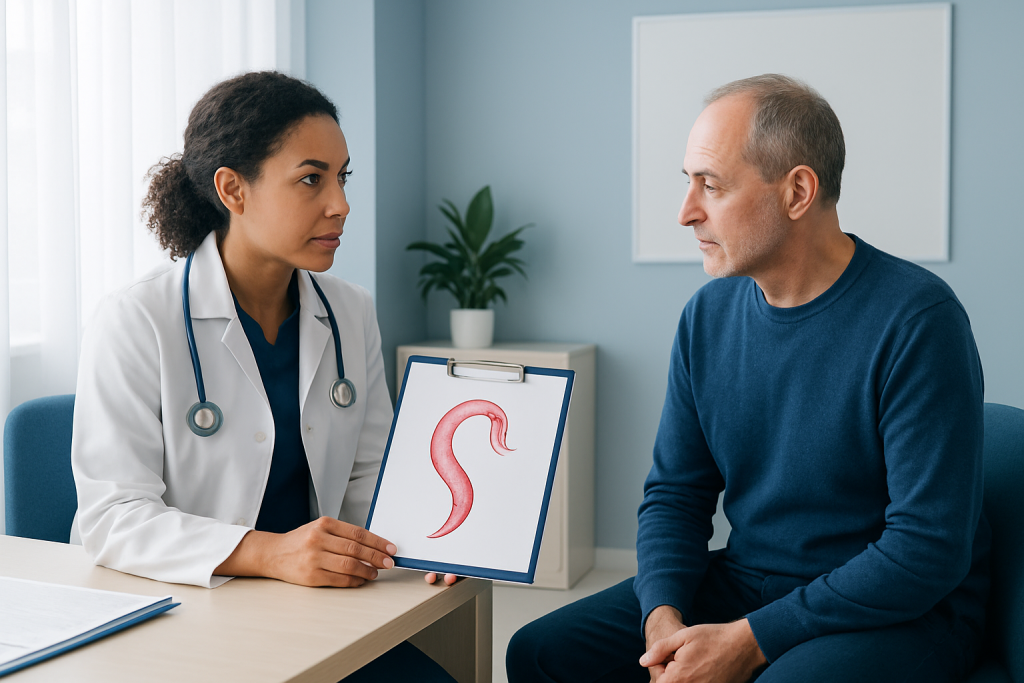
Ancylostoma disease is caused by parasitic worms, most commonly Ancylostoma duodenale and, in some settings, Ancylostoma ceylanicum. The infection usually begins when microscopic larvae in contaminated soil penetrate the skin, often through bare feet or other exposed skin.
After entering the body, the parasites travel through the bloodstream and lungs before reaching the small intestine, where they mature. In some cases, infection can also occur through ingestion of contaminated material, although skin penetration is the classic route.
Risk is higher in settings where sanitation is poor, human waste contaminates soil, or people regularly work and walk in warm, moist environments without protective footwear. Travelers who spend time in rural areas, gardeners, agricultural workers, and people living in crowded or resource-limited environments may be more exposed. Reduced access to nutrition can also make anemia more likely if infection occurs.
Diagnosis
Diagnosis begins with a medical history and a discussion of possible exposures, including recent travel, soil contact, barefoot walking, and gastrointestinal symptoms. Because symptoms can be nonspecific, the history often provides important clues.
The main test is usually a stool examination, which can detect hookworm eggs. In some situations, more than one sample may be needed, since parasite shedding can vary from day to day.
Blood tests are also useful. A complete blood count may show anemia, and iron studies can help determine whether iron deficiency is present. In people with ongoing symptoms or unclear results, a doctor may consider additional testing to rule out other causes of abdominal complaints or anemia.
For international patients, it can help to bring prior lab results, travel details, and a list of medications or supplements. That context often speeds up the diagnostic process and helps the care team focus on the most likely explanation.
Treatment Options
Treatment usually involves an antiparasitic medication chosen by a clinician based on the type of infection, the patient’s age, overall health, and local practice. The goal is to eliminate the worms and stop further blood loss.
If anemia or low iron is present, treatment may also include iron replacement and nutritional support. In more significant cases, clinicians may monitor blood counts over time to confirm that recovery is progressing as expected.
People who have more than one family member affected, or who live in a setting with ongoing exposure, may need advice about hygiene, environmental control, and whether others should be evaluated. The exact plan is individualized, especially for children, pregnant people, or patients with other medical conditions.
In most cases, treatment is not complicated, but finishing the prescribed plan and attending follow-up matters. It is common for doctors to recheck stool tests or blood work if symptoms were substantial or if anemia was present at diagnosis.
Prevention & Self-care
Prevention focuses on blocking contact between skin and contaminated soil. Wearing shoes outdoors, especially in warm or rural areas, is one of the simplest and most effective habits.
Good sanitation is equally important. Safe disposal of human waste, hand hygiene, washing produce, and avoiding soil contamination reduce the chances that hookworm eggs and larvae can continue circulating in a community.
Helpful self-care steps include:
- Wash hands after gardening, outdoor work, or contact with soil
- Wear gloves when handling potentially contaminated ground
- Use footwear in areas where sanitation is uncertain
- Seek medical advice if fatigue or anemia symptoms persist after travel
- Follow any prescribed treatment fully and return for reassessment if advised
For people recovering abroad or planning travel home, it is sensible to keep copies of test results and medication names. That documentation makes it easier for a local doctor to continue care without repeating unnecessary tests.
When to See a Doctor
Medical evaluation is appropriate if a person has ongoing stomach symptoms, unexplained fatigue, dizziness, pale skin, or signs of anemia after exposure to soil in a higher-risk setting. Anyone with a rash after bare skin contact with contaminated ground should also seek advice if the irritation is persistent or spreading.
Children, pregnant people, and individuals with heart disease, bleeding disorders, or existing anemia should not delay care, since hookworm-related blood loss can affect them more significantly. A doctor can confirm the cause and decide whether blood tests or stool testing are needed.
Anyone who has recently traveled and feels unwell can benefit from a clinician familiar with tropical and parasitic infections. Acibadem Health Point’s multidisciplinary specialists and JCI-accredited hospitals diagnose and treat this condition for international patients with coordinated, practical follow-up.
Prompt assessment is especially useful when symptoms interfere with daily life, when there is weight loss, or when recovery seems incomplete after initial treatment. Even when the infection is not severe, professional guidance helps ensure anemia is corrected and that another cause is not being missed.
Frequently asked questions
What is Ancylostoma disease?
Ancylostoma disease is a hookworm infection caused by parasites that live in the small intestine. They feed on blood and can lead to anemia if the infection is not treated.
How do people catch Ancylostoma infection?
The most common route is contact with contaminated soil, where larvae enter through the skin, especially the feet. In some cases, infection can also be linked to ingestion of contaminated material.
Can the infection cause anemia?
Yes. Because hookworms feed on blood, repeated blood loss can lower iron stores and lead to iron-deficiency anemia. This may show up as fatigue, pallor, dizziness, or shortness of breath.
How is Ancylostoma disease diagnosed?
Doctors usually confirm it with stool testing to look for hookworm eggs. Blood tests may also be done to check for anemia and low iron levels.
Is treatment usually successful?
Yes, treatment is often successful when the infection is identified and the prescribed medicine is taken as directed. If anemia is present, iron replacement and follow-up may also be needed.
How can someone reduce the risk of getting infected again?
Wearing shoes outdoors, using good hand hygiene, and improving sanitation are the most important steps. People who travel or work in higher-risk settings should be especially careful about soil exposure.
References
- World Health Organization
- Centers for Disease Control and Prevention
- Merck Manual Professional Edition
- Mayo Clinic
- National Institutes of Health
This article is for general information only and is not a substitute for professional medical advice. Please consult a qualified doctor about your individual situation.