Tissue And Tissue

Key Takeaways
- Tissues are groups of cells that work together to perform specific jobs in the body.
- Tissue problems may be caused by injury, inflammation, infection, poor circulation, autoimmune disease, or genetic conditions.
- Doctors diagnose tissue-related concerns with a physical exam, imaging, blood tests, or biopsy when needed.
- Treatment depends on the tissue involved and may include rest, medicines, rehabilitation, procedures, or surgery.
- Prompt medical review is important if tissue changes are painful, spreading, persistent, or affecting function.
Tissue is the living material that gives the body structure, supports organs, and helps healing take place. Understanding how tissue is affected by injury, inflammation, infection, or disease can help patients recognize when simple self-care is enough and when medical evaluation is needed.
Overview
Tissue is one of the body’s basic building blocks. It is made up of cells that work together to perform a shared task, such as protecting the skin, moving the muscles, supporting organs, or transmitting signals in the nervous system. When people talk about a “tissue problem,” they may be referring to an injury, swelling, degeneration, infection, or a disease process that affects one of these layers.
The phrase “tissue and tissue” can sound repetitive, but in medical practice it often points to how different tissues interact with one another. Skin, muscle, connective tissue, fat, nerves, blood vessels, and organ tissue can all influence healing. A small issue in one layer may stay local, while a broader problem can affect several tissues at once.
For international patients, tissue-related care can involve a short clinic visit or a more complex workup if symptoms have been present for a long time. The right approach depends on where the tissue is located, how quickly the change appeared, and whether the body is showing signs of inflammation, reduced blood supply, or another underlying condition.
Types of Tissue and Why They Matter
Different tissues have different jobs, and that is why symptoms can vary so much from one part of the body to another. Epithelial tissue forms protective surfaces such as the skin and the lining of organs. Connective tissue supports and connects structures, including tendons, ligaments, cartilage, fat, and fascia. Muscle tissue allows movement, and nervous tissue carries messages between the brain, spinal cord, and the rest of the body.
When tissue is healthy, it usually maintains its shape and function with little effort. When it is injured or diseased, the body may respond with swelling, stiffness, pain, weakness, redness, or changes in texture. In some cases, the tissue may look normal at first but still be working less effectively, which is why persistent symptoms should not be ignored.
Understanding the tissue involved helps clinicians decide which tests are most useful. A problem in muscle may call for a different evaluation than one in skin, glandular tissue, or internal organ tissue. This is one reason careful assessment matters more than simply labeling a symptom by its location.
Symptoms

Tissue-related symptoms can be subtle or obvious. Some people notice tenderness after an injury, while others develop swelling, warmth, or reduced range of motion. Skin and soft tissue changes may include redness, thickening, a lump, wound drainage, or delayed healing. Deeper tissue problems can produce pain with movement, weakness, numbness, or a sense that something “is not right” even without visible changes.
Symptoms also depend on the cause. Inflammatory tissue problems often cause aching, stiffness, or morning discomfort. Infectious conditions may bring fever, worsening pain, or spreading redness. Problems related to circulation can lead to color changes, coldness, or slow healing. When tissue is affected by a chronic disease, symptoms may come and go or worsen gradually over time.
- Swelling or puffiness
- Pain or tenderness
- Redness, warmth, or skin changes
- Stiffness or reduced movement
- Weakness or loss of function
- Lumps, thickening, or wounds that do not heal as expected
Causes & Risk Factors
Tissue problems can begin with a direct injury such as a cut, strain, bruise, burn, or repetitive overuse. They may also develop from inflammation, infection, poor circulation, pressure, autoimmune conditions, diabetes, or changes related to age. In some situations, tissue changes are linked to growths or tumors, which need careful evaluation by a doctor.
Risk factors depend on the tissue and the condition involved. People who smoke, have diabetes, have limited mobility, or live with vascular disease may heal more slowly. Athletes and physically active people may experience overuse injuries in tendons, ligaments, or muscle tissue. Others may be at higher risk because of immune system problems, prior surgery, radiation exposure, or a family history of connective tissue disease.
Sometimes, more than one factor contributes. For example, a small skin injury may become a bigger problem if circulation is poor or if the person cannot easily clean and protect the area. That is why doctors often look beyond the local symptom and assess the whole health picture.
Diagnosis
Doctors usually begin with a detailed history and physical examination. They ask when the symptoms started, whether the area has changed, what makes it better or worse, and whether the person has had fever, injury, weight loss, numbness, or prior treatments. The appearance and feel of the affected tissue can offer important clues.
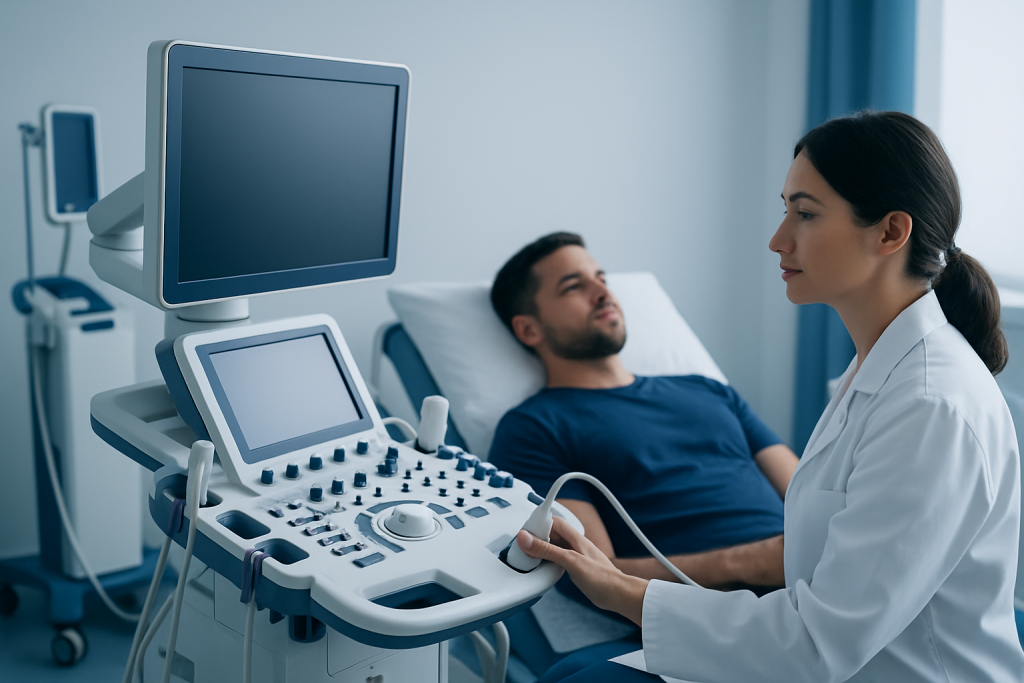
Depending on the concern, diagnosis may include imaging tests such as ultrasound, X-ray, MRI, or CT scan. Blood tests can help detect inflammation, infection, anemia, autoimmune activity, or organ involvement. If the tissue change is unexplained or suspicious, a biopsy may be recommended so a pathologist can examine a small sample under a microscope.
For patients traveling from another country, bringing previous reports, images, medication lists, and a timeline of symptoms can save time and improve continuity of care. Clear records help the specialist compare current findings with earlier assessments and avoid repeating unnecessary tests.
Treatment Options
Treatment depends on the cause, the tissue involved, and how much function has been affected. Some tissue injuries improve with rest, protection, physical therapy, or wound care. Inflammatory conditions may be treated with anti-inflammatory medicines or other doctor-directed therapies. Infections usually require targeted antimicrobial treatment and close follow-up.
When tissue damage is more severe or persistent, procedures may be needed. These can include draining fluid, repairing injured structures, removing abnormal tissue, or using surgery to restore function or prevent further harm. Rehabilitation is often part of treatment because tissue does not heal in isolation; movement, strength, and circulation all influence recovery.
Patients should avoid self-treating worsening tissue problems with leftover medication or repeated home remedies if the cause is unclear. The most appropriate plan depends on a correct diagnosis, especially when the issue is deep, recurrent, or linked to another medical condition.
Prevention & Self-care
Not every tissue problem can be prevented, but many can be made less likely or less severe with basic habits. Protecting the skin from injury, using proper technique during exercise, staying active within personal limits, and keeping chronic conditions under control all support healthier tissue. Good nutrition, adequate hydration, and smoking cessation can also help the body repair itself.
If a person has a wound or a sore area, gentle cleaning and protection are usually better than frequent irritation. Pressure sores can be reduced by changing positions regularly and using supportive surfaces when needed. For overuse injuries, pacing activity and allowing recovery time often matter as much as the treatment itself.
People recovering abroad may need a practical follow-up plan before returning home. This can include wound instructions, therapy guidance, warning signs to watch for, and a schedule for reviewing results with a local doctor once they travel back.
When to See a Doctor
A doctor should evaluate tissue changes that are painful, spreading, or not improving after a reasonable period. This is especially important if there is fever, drainage, severe swelling, numbness, weakness, an open wound, or a lump that is growing or feels unusual. Prompt assessment is also wise when symptoms interfere with walking, hand use, breathing, eating, or sleep.
Medical review is advisable for people with diabetes, circulation problems, immune suppression, or a history of cancer because tissue changes may progress differently in these situations. Even when the concern seems minor, early diagnosis often leads to simpler treatment and a smoother recovery.
For patients considering care abroad, Acibadem Health Point’s multidisciplinary specialists and JCI-accredited hospitals diagnose and treat tissue-related conditions for international patients with coordinated, clinician-led support. If symptoms are persistent or unclear, a qualified doctor can help determine the safest next step.
Frequently asked questions
What does tissue mean in medical terms?
In medicine, tissue refers to a group of cells that work together for a shared function. Examples include skin, muscle, connective tissue, nerve tissue, and the lining of organs. Each type behaves differently when injured or diseased.
Can tissue problems heal on their own?
Some minor tissue injuries improve with rest and basic care, especially if they are caught early. Others need medical treatment because the cause may be infection, poor circulation, inflammation, or another condition that will not resolve by itself.
How do doctors tell what kind of tissue is affected?
Doctors use the history, physical examination, and sometimes tests such as imaging, blood work, or biopsy. The goal is to understand which tissue is involved and whether the problem is local or part of a broader illness.
Is pain always present when tissue is damaged?
No. Some tissue problems cause pain, but others mainly lead to swelling, stiffness, weakness, numbness, or slow healing. That is why a change in appearance or function can be just as important as pain.
When is a tissue lump concerning?
A lump deserves medical assessment if it is growing, painful, hard, fixed, or associated with redness, fever, or weight loss. Even painless lumps should be checked if they do not go away or if the person is unsure what caused them.
What should a patient bring to an appointment for a tissue problem?
It helps to bring prior test results, imaging, medication lists, and a clear timeline of symptoms. Photos of changes over time can also be useful, especially for skin or wound concerns.
References
- MedlinePlus
- National Institute of General Medical Sciences
- World Health Organization
- Mayo Clinic
This article is for general information only and is not a substitute for professional medical advice. Please consult a qualified doctor about your individual situation.