Hole Of Fear

Key Takeaways
- Claustrophobia is a specific phobia involving fear of enclosed or crowded spaces.
- Symptoms can include panic, shortness of breath, sweating, dizziness, and a strong urge to escape.
- It may be triggered by past experiences, anxiety disorders, or learned fear responses.
- Treatment often includes cognitive behavioral therapy, gradual exposure, and sometimes medication.
- Planning ahead can make travel, appointments, and medical imaging easier for people with claustrophobia.
“Hole of fear” is a common way some people describe claustrophobia, an intense fear of enclosed or tightly confined spaces. It can affect everyday activities, from riding in elevators to undergoing medical scans, but it is manageable with the right support and treatment.
Overview
The phrase “hole of fear” is not a medical diagnosis, but it is a vivid way people sometimes describe claustrophobia: the intense fear that appears when a space feels too narrow, too enclosed, or too hard to leave. For some, the reaction is mild and situational. For others, it can make elevators, tunnels, crowded rooms, or MRI scanners feel nearly impossible to face.
Claustrophobia belongs to a group of conditions called specific phobias. These are more than simple discomforts or preferences. The body reacts as if danger is present, even when the person knows the space is objectively safe. That gap between logic and physical alarm is often what makes the condition so upsetting.
People seeking care from another country may notice claustrophobia most during travel or medical testing. Airplanes, underground transport, hotel lifts, and imaging appointments can all become stressful. The good news is that careful assessment and structured treatment can make a meaningful difference, including for those planning care abroad and wanting support before, during, and after their visit.
Symptoms
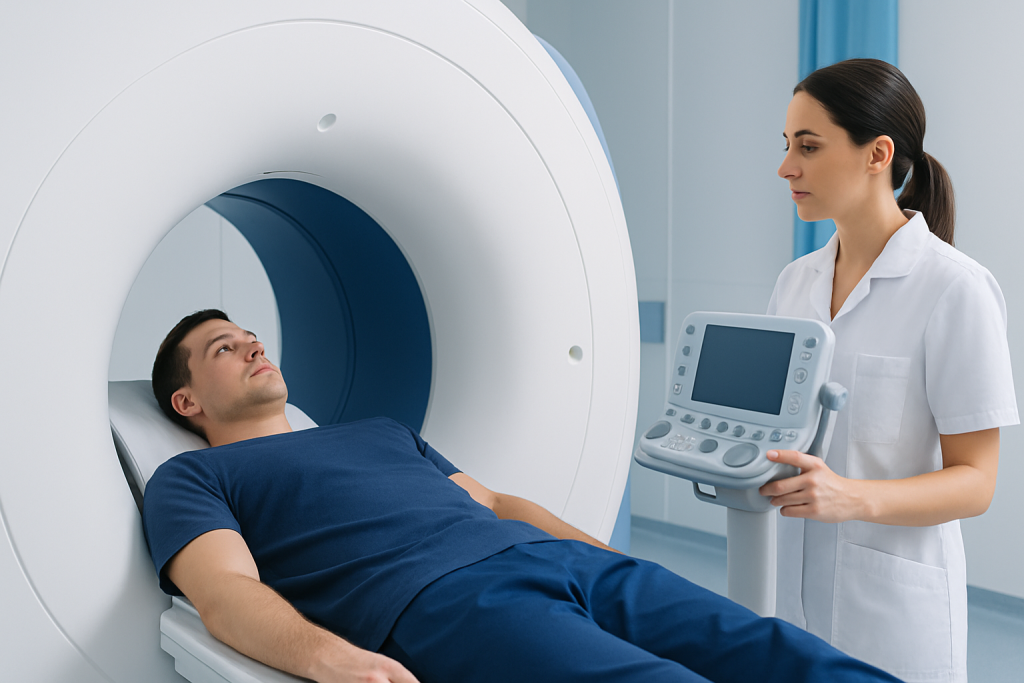
Claustrophobia does not look the same in every person. Some people feel a wave of anxiety as soon as they enter a small room, while others only react when they cannot easily see an exit. Symptoms may rise quickly and feel overwhelming, especially if the person believes they may be trapped.
Common physical and emotional signs can include:
- Rapid heartbeat
- Shortness of breath or feeling unable to breathe fully
- Sweating, trembling, or shaking
- Dizziness or lightheadedness
- Nausea or an upset stomach
- Chest tightness
- Urgent need to leave the space
- Fear of fainting, losing control, or panicking
Some people begin avoiding triggers long before the anxiety peaks. They may choose stairs instead of elevators, sit near doors, decline scans, or avoid crowded venues. Over time, this pattern can narrow daily life and make medical care more difficult than it needs to be.
Causes & Risk Factors

There is usually no single cause. Claustrophobia often develops through a mix of life experience, temperament, and learned association. A frightening event in a confined place can leave a strong memory, but the condition can also appear without any obvious trigger.
Risk may be higher in people with a family history of anxiety disorders or phobias, a naturally sensitive stress response, or other anxiety conditions such as panic disorder. Children who have felt trapped, separated, or intensely frightened in enclosed settings may also be more likely to develop persistent fear later on.
Sometimes the brain starts linking confinement with danger after a repeated experience of discomfort, such as feeling unwell in a lift, struggling to breathe during a procedure, or being unable to leave a crowded vehicle. Once that connection forms, the body may respond before the person has time to think through the situation.
Diagnosis
Diagnosis is usually made through a careful conversation with a doctor or mental health professional. There is no single blood test or scan for claustrophobia. Instead, the clinician listens for patterns: what situations trigger the fear, how intense the reaction is, how long it has been present, and whether it interferes with normal life.
To distinguish claustrophobia from other causes of anxiety, the clinician may ask whether the person fears enclosed spaces specifically, or whether the distress is better explained by panic attacks, trauma-related symptoms, agoraphobia, or a medical condition that causes breathlessness or chest discomfort. This step matters because treatment plans are most useful when they match the real source of the problem.
For international patients, diagnosis may begin before travel through a telehealth consultation, then continue in person once the patient arrives. That can be especially helpful before imaging tests, surgery, or long recovery stays, because it gives the care team time to prepare a calm, practical plan.
Treatment Options
Claustrophobia is treatable. The most established approach is psychotherapy, especially cognitive behavioral therapy (CBT). CBT helps a person notice unhelpful thought patterns, understand the body’s fear response, and build new coping skills. Rather than asking the person to “just relax,” it teaches step-by-step methods for changing how the fear is experienced.
Gradual exposure is often part of treatment. This means facing the feared situation in a controlled, planned way, starting with easier steps and moving slowly toward more difficult ones. For example, a person might begin by looking at photos of small spaces, then standing near an elevator, then taking a short ride with support. When done carefully, exposure can reduce fear over time instead of reinforcing avoidance.
Medication is not always needed, but in some cases a doctor may consider it for short-term symptom relief or for coexisting anxiety or panic symptoms. Any medication plan should be individualized and discussed with a qualified clinician, especially if the person is traveling internationally, has other medical conditions, or is preparing for a procedure. For MRI or similar imaging, the team may also discuss practical options such as communication with staff, comfort measures, or scheduling adjustments.
Prevention & Self-care
Not every episode of claustrophobic anxiety can be prevented, but people can reduce the chance that fear takes over by preparing ahead of time. Small changes in planning often make a real difference, especially when the trigger is predictable, such as an elevator ride or a scan appointment.
Helpful strategies may include:
- Learning the exact steps of an upcoming procedure before arriving
- Choosing an appointment time when the person feels most rested
- Practicing slow breathing or grounding techniques in advance
- Bringing a trusted companion when allowed
- Sharing the concern early with the care team or travel host
- Using gradual practice instead of sudden, repeated forcing
During a stressful moment, the goal is not to “win” against fear instantly. It is to stay oriented, breathe steadily, and remind the mind that the space is temporary and the sensation will pass. For patients traveling from another country, writing down coping steps, emergency contacts, and the name of the local hospital or clinic can make unfamiliar environments feel more manageable.
When to See a Doctor
Medical advice is worthwhile when fear begins to limit normal life, causes repeated panic attacks, or blocks needed care. Someone who avoids elevators, airplanes, tunnels, imaging tests, or crowded rooms so strongly that work, travel, or health appointments are affected should not have to handle it alone.
A doctor should also be consulted if the symptoms are not clearly a phobia, if chest pain or breathing difficulty could be related to a medical problem, or if anxiety is accompanied by depression, sleep problems, or substance use. A proper evaluation can help separate a treatable anxiety condition from other causes that may need different care.
People preparing for Varicose Vein Treatment Abroad: When Stockings Are Enough and When Procedures Help More" class="ahp-ilk">treatment abroad can benefit from discussing claustrophobia early, before travel is booked or before a scan is scheduled. Acibadem Health Point’s multidisciplinary specialists and JCI-accredited hospitals diagnose and treat claustrophobia for international patients, helping them plan care with less stress and more clarity.
Living With Claustrophobia During Travel or Medical Care
Claustrophobia can feel especially intense when a person is far from home and facing unfamiliar systems. Airports, hotel rooms, shuttle buses, and hospital corridors may all add layers of uncertainty. In those moments, it helps to think in practical terms: what is the trigger, what support is available, and what can be changed before the experience begins?
For medical imaging or procedures, it may help to ask in advance about the size of the machine, the length of the appointment, whether communication with staff is possible during the test, and what comfort measures are allowed. Some patients feel better knowing the exact sequence of events, while others prefer distraction, music, or a companion nearby when possible.
Recovery from treatment is also part of the picture. Skills learned in therapy tend to work best when they are practiced outside the clinic, including during real-world travel and follow-up visits. That ongoing use is what turns short-term coping into long-term confidence.
Frequently asked questions
Is claustrophobia the same as panic disorder?
No. Claustrophobia is a specific fear of enclosed or hard-to-exit spaces, while panic disorder involves unexpected panic attacks that may occur in many different settings. The two can overlap, and a clinician can help tell them apart.
Can claustrophobia get worse over time?
Yes, it can become more limiting if a person starts avoiding more and more situations. Avoidance may bring short-term relief, but it can make the fear feel stronger over time.
What helps before an MRI if someone is claustrophobic?
It often helps to tell the team in advance so they can explain the procedure, discuss comfort measures, and plan the appointment carefully. Some patients benefit from gradual preparation or additional support from their doctor.
Can children have claustrophobia?
Yes, children can develop strong fears of enclosed spaces, especially after a frightening experience or during a stressful period. Gentle support and professional assessment can help if the fear begins affecting school, travel, or medical care.
Does claustrophobia always need medication?
No. Many people improve with psychotherapy, especially CBT and gradual exposure. Medication may be considered in selected cases, but it is not the only treatment option.
How can someone explain claustrophobia to a doctor while traveling abroad?
It helps to describe the exact trigger, what symptoms appear, and which situations are hardest to manage. Mentioning upcoming scans, flights, or recovery plans gives the care team useful context for support.
References
- National Institute of Mental Health
- American Psychiatric Association
- Mayo Clinic
- World Health Organization
- NHS
This article is for general information only and is not a substitute for professional medical advice. Please consult a qualified doctor about your individual situation.