

Luteal Phase: What It Is and Symptoms

Key Takeaways
- The luteal phase begins after ovulation and ends when the next period starts or pregnancy occurs.
- Progesterone rises during this time and helps prepare the uterine lining for implantation.
- Changes in luteal phase length or function may affect menstrual regularity and fertility.
- Symptoms such as breast tenderness, bloating, or mood changes can occur, but many people have no noticeable symptoms.
- Persistent irregular cycles, short cycles, or trouble conceiving deserve a medical review.
Medically reviewed by the Acıbadem clinical team — August 19, 2026
The luteal phase is the second half of the menstrual cycle, when hormone changes prepare the body for a possible pregnancy. Understanding this phase can help explain cycle symptoms, fertility concerns, and when a medical evaluation may be useful.
Overview
The luteal phase is the stretch of time after ovulation and before the next menstrual period. In a typical cycle, it is when the body shifts from preparing to release an egg to creating the best possible environment for a pregnancy, if fertilization happens.
During this phase, the emptied follicle in the ovary turns into the corpus luteum, which produces progesterone and smaller amounts of other hormones. Progesterone helps the lining of the uterus become thicker and more stable, so it can support implantation. If pregnancy does not occur, hormone levels fall and menstruation begins.
For many people, the luteal phase is easy to overlook until something feels different: periods become irregular, premenstrual symptoms become stronger, or conception takes longer than expected. In that sense, this part of the cycle can be a quiet but important clue to overall reproductive health.
What Happens During the Luteal Phase
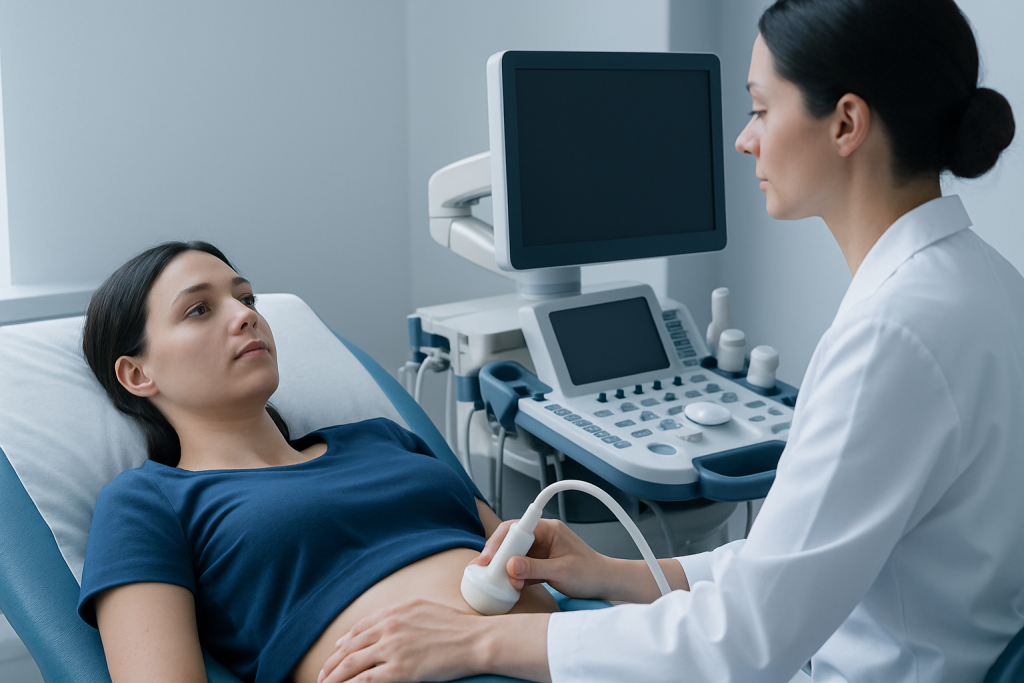
After ovulation, the ovary does not simply pause. The follicle that released the egg transforms into the corpus luteum, a temporary hormone-producing structure. Its main job is to make progesterone, which signals the uterine lining to stay ready for a potential embryo.
If an embryo implants, the developing pregnancy begins producing human chorionic gonadotropin, or hCG, which helps keep the corpus luteum active early on. If implantation does not happen, the corpus luteum gradually breaks down, progesterone drops, and the uterine lining sheds with the next period.
The luteal phase is usually more consistent in length than the follicular phase, which is the first half of the cycle. That is one reason clinicians sometimes use luteal phase patterns when reviewing cycle regularity or investigating fertility concerns.
Symptoms and Common Cycle Changes

Some people notice subtle physical or emotional changes during the luteal phase, while others feel no different at all. Common experiences may include breast tenderness, bloating, mild pelvic heaviness, acne flare-ups, fatigue, sleep changes, or mood shifts.
These symptoms are often linked to the normal rise and fall of progesterone and estrogen. They can overlap with premenstrual symptoms, so timing matters: changes that appear in the days after ovulation and ease when bleeding begins often point to the luteal phase.
Not every symptom signals a problem. Still, certain patterns deserve attention, such as a consistently short luteal phase, spotting before the period, or cycles that seem to change without an obvious reason. A detailed menstrual history can help a clinician tell the difference between a normal variation and a possible hormone issue.
- Breast tenderness or swelling
- Bloating or fluid retention
- Mood changes or irritability
- Fatigue or lower energy
- Light spotting before the period
Causes & Risk Factors
A shorter or less effective luteal phase can happen for several reasons. Sometimes it is related to ovulation problems, because the luteal phase depends on a healthy ovulation process in the first place. In other cases, the issue may involve hormone production, thyroid disorders, elevated prolactin, polycystic ovary syndrome, low body weight, excessive exercise, or significant stress.
Age can also play a role, especially in the years leading up to menopause when cycles often become less predictable. Certain medications, recent pregnancy loss, chronic illness, and substantial changes in eating patterns or weight may also affect ovarian hormone signaling.
It is worth noting that a short luteal phase does not always mean a serious medical condition. Sometimes it reflects a temporary body response, such as travel, illness, or intense training. A clinician will usually look for patterns over time rather than drawing conclusions from one cycle alone.
Diagnosis
Evaluating the luteal phase usually starts with cycle tracking. A clinician may ask about period timing, ovulation signs, spotting, premenstrual symptoms, and how long cycles typically last. If pregnancy is being planned, the pattern of ovulation and the interval between ovulation and the next period can be especially useful.
Depending on the situation, testing may include blood hormone checks, thyroid testing, prolactin testing, or ultrasound monitoring of ovulation and the uterine lining. In some cases, fertility-focused evaluation may also look at whether eggs are released regularly and whether the uterine environment appears supportive.
No single test tells the whole story for every person. Diagnosis is usually based on the combination of symptoms, cycle history, and test findings. For Myomectomy Recovery for International Patients: The Usual Travel Timeline" class="ahp-ilk">international patients, this is where organized care can be helpful: having a clear timeline, test results, and follow-up plan makes it easier to continue assessment after returning home.
Treatment Options
Treatment depends on what is causing the luteal phase concern. If the issue is linked to a thyroid disorder, prolactin imbalance, PCOS, or another hormone condition, treating the underlying problem may improve cycle function. If conception is the goal, fertility specialists may focus on confirming ovulation and supporting the luteal phase when needed.
In some situations, a clinician may recommend progesterone support or other fertility treatments as part of a broader plan. Lifestyle changes can also matter, especially when the cycle is affected by low energy intake, very high exercise load, stress, or major weight change.
Because every person’s cycle history is different, treatment is usually individualized. A careful plan should fit the person’s age, goals, other medical conditions, and whether they are trying to conceive now, later, or not at all. Self-treatment is not advised when cycles are persistently irregular or fertility is a concern.
For patients traveling for care, the most useful treatment plan is one that can continue smoothly at home: written instructions, a follow-up schedule, and a clear explanation of what changes should prompt re-evaluation.
Prevention & Self-care
Not every luteal phase variation can be prevented, but menstrual health often benefits from steady routines and attentive self-monitoring. Tracking cycle length, ovulation signs, bleeding patterns, and symptoms can reveal trends that are easy to miss from month to month.
General self-care includes adequate nutrition, balanced exercise, sufficient sleep, and stress management. If weight changes, intense training, or restrictive eating are affecting the cycle, addressing those factors may help restore more predictable hormone patterns.
Practical steps often recommended by clinicians include:
- Use a menstrual app or calendar to log periods and ovulation signs.
- Note spotting, cramps, mood changes, and breast tenderness.
- Seek regular medical review if cycles become consistently shorter or longer.
- Discuss fertility planning early if pregnancy is desired.
Simple tracking can be especially valuable for people coordinating care across countries, because it gives each clinician a clearer picture of what has been happening before travel and after treatment.
When to See a Doctor
A medical review is a good idea if cycles become consistently irregular, the time between ovulation and the next period seems unusually short, or bleeding patterns change in a persistent way. It is also reasonable to seek advice if premenstrual symptoms become severe or start interfering with daily life.
Fertility concerns are another important reason to speak with a clinician. If pregnancy has not occurred after an appropriate period of trying, especially when cycles seem unusual, evaluation can help identify whether ovulation or the luteal phase is part of the picture.
Urgent care is not usually required for routine luteal phase questions, but prompt assessment is sensible if there is very heavy bleeding, severe pelvic pain, fainting, or possible pregnancy with concerning symptoms. In experienced centers, multidisciplinary specialists can assess hormone patterns, fertility concerns, and related conditions in a coordinated way; Acibadem Health Point can support international patients through JCI-accredited hospitals that diagnose and treat this condition.
Frequently asked questions
How long is the luteal phase supposed to be?
The luteal phase is often more stable than the first half of the cycle, but its length can vary from person to person. A clinician may look at patterns over several cycles rather than one month alone. If the time from ovulation to the next period seems consistently short, it may be worth an evaluation.
Can you have luteal phase symptoms and still be healthy?
Yes. Mild breast tenderness, bloating, fatigue, or mood changes can be part of normal cycle hormone shifts. Symptoms become more concerning when they are severe, disruptive, or associated with irregular bleeding or fertility problems.
What is luteal phase defect?
Luteal phase defect is a term used when the luteal phase may not provide enough progesterone support for the uterine lining. Its diagnosis can be complex, and not every short luteal phase means a true defect. A specialist may evaluate the full cycle pattern before drawing conclusions.
Can stress affect the luteal phase?
Yes, significant stress can influence the hormone signals that regulate ovulation and the menstrual cycle. The effect may be temporary, but ongoing stress can contribute to irregular cycles in some people. If cycle changes continue, medical advice is helpful.
Does a short luteal phase always cause infertility?
No, it does not always lead to infertility. Some people conceive without difficulty even if their luteal phase seems shorter than expected. If pregnancy is taking longer than expected, a fertility-focused evaluation can help identify whether luteal support is needed.
Can tracking ovulation help understand the luteal phase?
Yes. Ovulation tracking can help show when the luteal phase begins and how long it lasts. This information is often useful for people monitoring their cycles, trying to conceive, or discussing symptoms with a doctor.
References
- American College of Obstetricians and Gynecologists
- Mayo Clinic
- Cleveland Clinic
- National Institute of Child Health and Human Development
- Endocrine Society
This article is for general information only and is not a substitute for professional medical advice. Please consult a qualified doctor about your individual situation.
Hair transplant in Turkey — costs, graft counts & a free assessment
JCI-accredited · board-certified surgeons · reply within 24h
Add us as a Preferred Source to see more of our trusted health content across Google Search, AI Overviews and Discover.
More from the Health Library



Related Specialists

Dr. Gamze Karababa
Gynecology & Obstetrics
Dr. Onur Özdenoğlu
Gynecology & Obstetrics
Dr. Selcen Bahadır
Gynecology & Obstetrics
Prof. Dr. A. Taner Usta
Gynecology & Obstetrics