Pcos Meaning

Key Takeaways
- PCOS stands for polycystic ovary syndrome, a hormonal condition that often affects the ovaries and menstrual cycle.
- Symptoms can include irregular periods, acne, excess hair growth, hair thinning, weight changes, and fertility challenges.
- Diagnosis usually combines medical history, physical examination, blood tests, and sometimes pelvic ultrasound.
- Treatment is tailored to the person’s goals, such as cycle control, symptom relief, metabolic health, or pregnancy planning.
- Lifestyle changes and regular follow-up can support long-term health, especially when insulin resistance is part of the picture.
PCOS means polycystic ovary syndrome, a common hormonal condition that can affect ovulation, periods, skin, weight, and fertility. Understanding the signs early can help patients plan the right evaluation and treatment with a qualified doctor.
Overview
When people ask about PCOS meaning, they are usually asking what the letters stand for and why the condition matters. PCOS is short for polycystic ovary syndrome, a hormone-related condition that can influence how the ovaries release eggs and how the body handles certain hormones. Despite the name, not everyone with PCOS has cysts in the ovaries, and the condition does not look the same from one patient to another.
PCOS is common, but it is often misunderstood because its effects can appear in different parts of daily life: a cycle that becomes unpredictable, acne that is hard to settle, weight that changes without a clear reason, or trouble getting pregnant. For many patients, the first step is simply putting the symptoms together into one explanation. That can be especially helpful for international patients who may have seen different doctors in different countries and received partial answers rather than a clear diagnosis.
Although PCOS is a long-term condition, it is manageable. The right plan depends on the person’s age, symptoms, test results, and whether pregnancy is a goal. A thoughtful evaluation can also check for related concerns such as blood sugar changes, cholesterol issues, and sleep or mood problems.
Symptoms
PCOS symptoms are often noticed gradually. Some patients come for evaluation because their periods are far apart or unpredictable. Others seek help because their skin changes, unwanted facial or body hair increases, or hair on the scalp becomes thinner over time. These symptoms may feel unrelated at first, but they can point to the same hormonal pattern.
Common signs may include:
- Irregular, infrequent, or absent periods
- Difficulty becoming pregnant due to irregular ovulation
- Acne that persists beyond the teenage years
- Excess hair growth on the face, chest, stomach, or back
- Thinning hair on the scalp
- Weight gain or difficulty losing weight for some patients
- Darkened patches of skin, often around the neck or underarms
Not every person with PCOS has all of these features. Some patients have mostly menstrual concerns, while others notice skin or fertility symptoms first. A doctor looks at the overall pattern rather than one sign alone, which is why self-diagnosis can be misleading.
Causes & Risk Factors
The exact cause of PCOS is not fully understood, but it is linked to a mix of hormonal and metabolic factors. Many patients with PCOS have insulin resistance, meaning the body does not respond to insulin as efficiently as it should. This can lead the body to make more insulin, which may contribute to higher levels of hormones such as androgens.
Androgens are sometimes called male hormones, but all women make them in small amounts. When androgen levels are higher than expected, they can interfere with ovulation and contribute to acne, hair growth, and scalp hair thinning. Genetics also appear to play a role, so PCOS may run in families.
Risk factors and related features can include a family history of PCOS or type 2 diabetes, excess body weight in some patients, and a personal history of irregular cycles from the time periods begin. Still, PCOS can also occur in people who are not overweight, so body size alone does not confirm or exclude the condition. International patients sometimes discover that their symptoms were attributed only to weight or stress; a more complete evaluation can help avoid that oversimplification.
Diagnosis
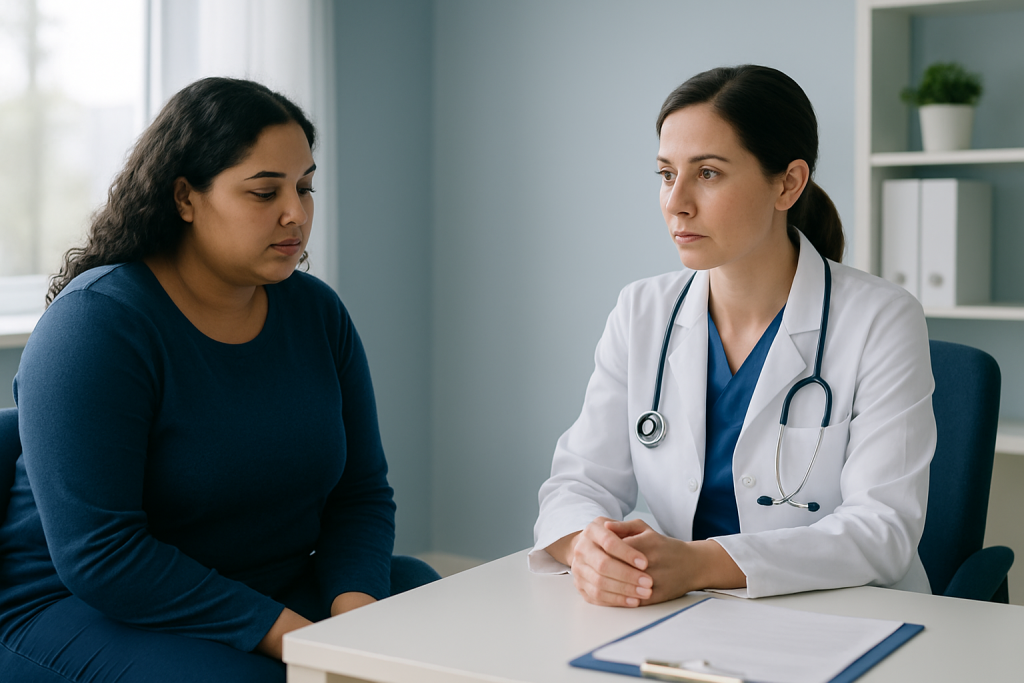
There is no single test that proves PCOS on its own. Diagnosis usually begins with a careful discussion of menstrual history, skin or hair changes, fertility concerns, weight changes, and family history. A clinician may also ask about medications, sleep, and symptoms that could suggest other hormonal conditions.
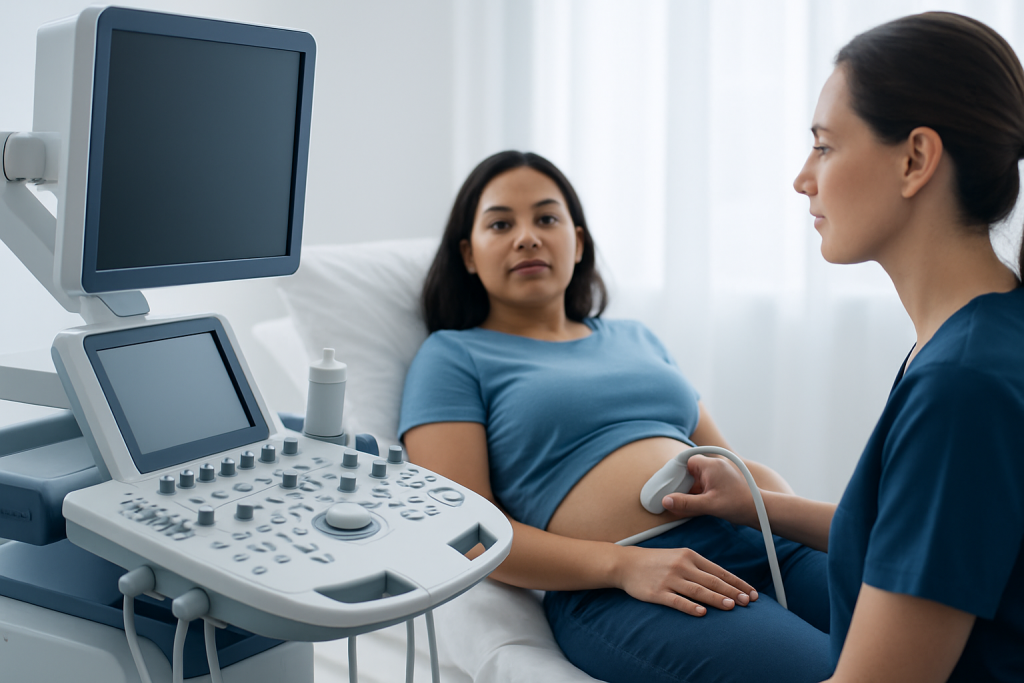
Common parts of the evaluation may include a physical examination, blood tests, and sometimes a pelvic ultrasound. Blood tests are often used to look at hormone levels and to rule out other causes of irregular periods, such as thyroid problems or elevated prolactin. A doctor may also check blood sugar, cholesterol, and other markers to understand overall health risk.
For some patients, diagnosis is straightforward. For others, especially younger people or those who recently started having periods, the picture can be less clear. In those cases, doctors may follow the person over time rather than making a rushed conclusion. This is another reason why a specialist review can be useful for patients traveling from abroad: the goal is not just a label, but a complete understanding of what is happening and what needs attention now.
Treatment Options
PCOS treatment is usually personalized. The best plan depends on the main concern: regulating periods, reducing acne or excess hair growth, protecting the lining of the uterus, improving fertility, or addressing blood sugar and weight changes. There is no one-size-fits-all approach.
When cycle control is the priority, a doctor may suggest hormonal options that help regulate bleeding and lower the risk of prolonged unopposed estrogen exposure. For acne and excess hair growth, treatment may focus on hormonal balance and skin-directed care. If insulin resistance is part of the picture, improving metabolic health can help the body respond better over time.
For patients trying to conceive, treatment may focus on restoring ovulation and identifying the most effective fertility strategy. This can include monitoring cycles, using ovulation-induction medication when appropriate, and checking for other fertility factors in both partners. In a specialist setting, care often involves coordination between gynecology, endocrinology, nutrition, and fertility experts, which can be especially helpful for international patients who want a clear plan before returning home.
In some cases, treatment may also include support for mood, sleep, or related health concerns. Because PCOS can affect more than the reproductive system, a broad approach often works better than treating only one symptom at a time.
Prevention & Self-care
PCOS cannot always be prevented, especially when genetics are part of the story. Even so, everyday habits can make symptoms easier to manage and may support long-term health. The most useful changes are usually the ones a patient can keep doing consistently, not the most restrictive ones.
Helpful self-care steps may include:
- Choosing regular meals that include fiber, protein, and healthy fats
- Staying physically active in a way that is realistic and sustainable
- Prioritizing sleep and stress management
- Following up on blood sugar, cholesterol, and blood pressure when advised
- Keeping a menstrual calendar or app to track cycle changes
It can also help to prepare for appointments with a symptom list, test results from previous clinics, and questions about fertility plans or long-term health. For patients who travel internationally for care, organizing records before the trip can make consultations more efficient and may reduce the need to repeat tests that have already been done recently. Small practical steps often make the treatment journey feel more manageable.
When to See a Doctor
A doctor should be consulted if periods are consistently irregular, if there is no period for several months without a known reason, or if acne and hair changes are becoming difficult to manage. It is also wise to seek evaluation when pregnancy is not happening as expected, especially if cycles are infrequent.
Medical attention is also important if there are signs that another condition could be involved, such as sudden and severe symptoms, very heavy bleeding, or rapid changes in hair growth or voice. Those features do not automatically mean something serious, but they deserve prompt review.
For many patients, the timing of care matters. Some choose evaluation before planning a pregnancy, while others seek help after months or years of trying to make sense of symptoms. Acibadem Health Point’s multidisciplinary specialists and JCI-accredited hospitals can diagnose and treat PCOS for international patients who need coordinated care across women’s health, endocrinology, and fertility services.
Living With PCOS Long Term
PCOS often needs ongoing follow-up rather than a one-time visit. That does not mean symptoms will keep worsening; it simply means the treatment plan may need adjustment as life changes. A person’s priorities at age 18 may be very different from those at 28 or 38, especially when pregnancy goals, weight changes, or new test results come into the picture.
Regular check-ins can help track whether cycles are becoming more predictable, whether skin symptoms are improving, and whether blood sugar or cholesterol needs attention. For some patients, the most meaningful progress is not dramatic—it is a more stable routine, clearer answers, and fewer surprises each month.
With the right support, many people with PCOS do well. Understanding the condition early, asking for a complete evaluation, and building a plan around individual goals can turn a confusing diagnosis into something manageable.
Frequently asked questions
What does PCOS mean?
PCOS means polycystic ovary syndrome. It is a hormonal condition that can affect ovulation, menstrual cycles, skin, hair, and fertility. The name refers to the appearance of the ovaries in some patients, but not everyone with PCOS has ovarian cysts.
Can someone have PCOS without weight gain?
Yes. PCOS can occur in people of many body sizes, including those who are not overweight. Weight changes are common in PCOS, but they are not required for the diagnosis.
Does PCOS always cause infertility?
No. PCOS can make ovulation less regular, which may affect fertility, but many people with PCOS become pregnant with the right evaluation and treatment. The best plan depends on the person’s symptoms and reproductive goals.
How is PCOS diagnosed?
Diagnosis usually combines a medical history, physical examination, blood tests, and sometimes ultrasound. Doctors also rule out other conditions that can cause similar symptoms, such as thyroid disorders or high prolactin levels.
Can lifestyle changes help PCOS?
Yes. Regular physical activity, balanced meals, sleep, and stress management can support symptom control and metabolic health. These changes are often used alongside medical treatment, not instead of it.
When should a doctor be seen for possible PCOS?
A doctor should be seen if periods are consistently irregular, if there is no period for several months, or if acne, hair growth, or fertility concerns are becoming noticeable. Early evaluation can help confirm the cause and prevent delays in care.
References
- American College of Obstetricians and Gynecologists
- National Institutes of Health
- World Health Organization
- Endocrine Society
- Mayo Clinic
This article is for general information only and is not a substitute for professional medical advice. Please consult a qualified doctor about your individual situation.