Corpus Luteum

Key Takeaways
- The corpus luteum forms after an egg is released and helps the body prepare for possible pregnancy.
- It produces progesterone, which supports the uterine lining during the luteal phase.
- A corpus luteum cyst is usually harmless and often goes away on its own.
- Pain, unusual bleeding, or severe sudden symptoms should be assessed by a doctor.
- Ultrasound is the main test used when a corpus luteum problem is suspected.
The corpus luteum is a temporary structure in the ovary that plays an important role after ovulation, especially in producing progesterone and supporting the early menstrual cycle or pregnancy. Most changes related to it are normal, but some people may develop a cyst or need evaluation if symptoms appear.
Overview
The corpus luteum is a short-lived but important structure in the ovary. It forms from the follicle that released an egg during ovulation, then acts like a small hormone-producing gland for the second half of the menstrual cycle.
Its main job is to make progesterone, a hormone that helps prepare the uterine lining for a possible pregnancy. If pregnancy does not occur, the corpus luteum gradually breaks down and hormone levels fall, which leads to the next menstrual period.
If pregnancy does occur, the corpus luteum continues working for a while longer to support the early pregnancy until the placenta is ready to take over hormone production. For many people, this process happens quietly and naturally without any symptoms at all.
Symptoms
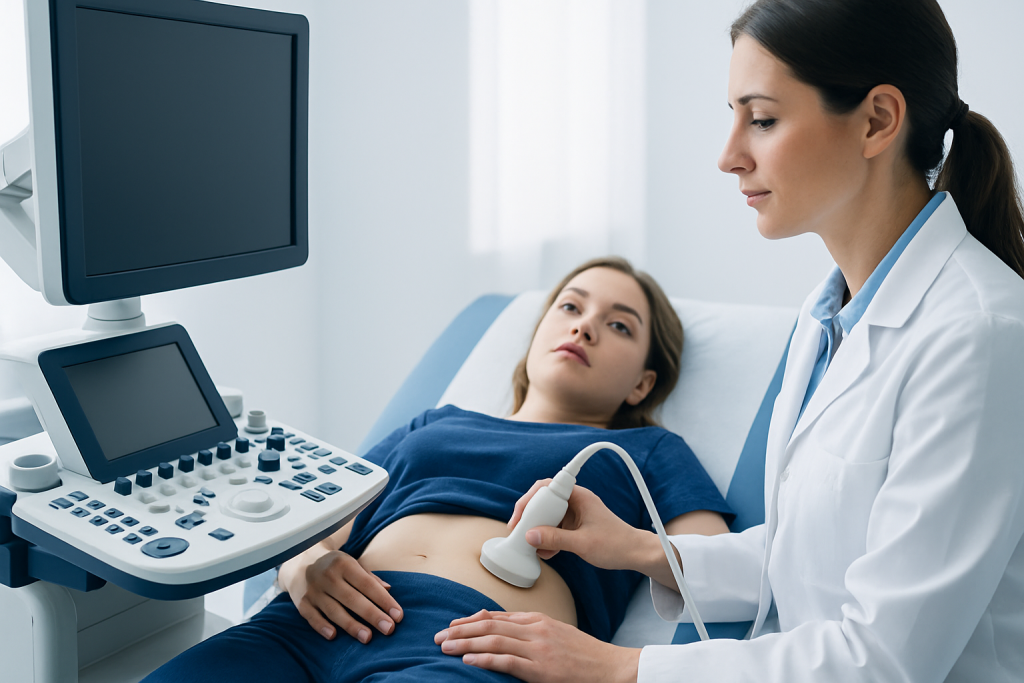
Most people do not feel the corpus luteum itself. When symptoms do occur, they are usually related to ovulation, a corpus luteum cyst, or another condition affecting the ovary rather than the structure alone.
Possible symptoms may include mild one-sided pelvic discomfort, a sense of fullness, or changes in timing of a menstrual period. Some people notice light spotting around ovulation or during the luteal phase, but this has many possible causes and is not specific to the corpus luteum.
If a corpus luteum cyst becomes larger or bleeds, symptoms can be more noticeable. These may include pelvic pain, bloating, pain during movement, or discomfort during intercourse. Severe pain, faintness, or heavy bleeding should always be assessed promptly.
Causes & Risk Factors

The corpus luteum is a normal part of ovulation, so its formation is not a disease. After an egg is released, the follicle changes shape and becomes the corpus luteum under the influence of luteinizing hormone.
A corpus luteum cyst may form when the structure fills with fluid or blood instead of shrinking as expected. This can happen in people who ovulate regularly, and it is often discovered by chance during a pelvic ultrasound.
Factors that may make ovarian cysts more likely include hormonal variation, fertility treatment, and a history of functional ovarian cysts. In people trying to conceive, careful timing of ovulation and hormone changes can make the luteal phase a topic of close attention, especially when cycles are irregular.
Diagnosis
Doctors usually start with a discussion of menstrual history, symptoms, pregnancy possibility, and any recent fertility treatment. This helps them separate normal cycle-related changes from conditions that need closer evaluation.
Pelvic ultrasound is the most common test used to look at the ovaries and confirm whether a corpus luteum cyst is present. If pregnancy is possible, a pregnancy test may also be done because the corpus luteum behaves differently in early pregnancy.
In some cases, blood tests are ordered to check hormone levels or to help assess whether symptoms may be related to pregnancy or another ovarian issue. The approach depends on the person’s age, symptoms, and whether the finding was made during a routine scan or because of pain.
Treatment Options
Many corpus luteum findings do not need active treatment. A normal corpus luteum will usually fade on its own, and a simple corpus luteum cyst often resolves without intervention over time.
If pain is present, a doctor may suggest observation, rest, or pain relief that is appropriate for the person’s situation. In pregnancy, management is usually especially careful and conservative, because the corpus luteum can be important for early hormonal support.
More active treatment is considered if a cyst is large, persistent, ruptures, twists the ovary, or causes significant symptoms. In those situations, care may involve closer monitoring, repeat imaging, or, in selected cases, surgery. Fertility specialists may also evaluate whether luteal phase support is needed in the context of assisted reproduction or recurrent cycle concerns.
Prevention & Self-care
There is no reliable way to prevent the corpus luteum from forming, because it is part of normal ovulation. Still, people can support reproductive health by understanding their cycles, tracking symptoms, and seeking care when the pattern changes.
For those who have had ovarian cysts before, keeping follow-up appointments can help clinicians notice whether the cyst is resolving as expected. If fertility treatment is involved, following the treatment plan carefully and reporting new pain or bleeding early can help the care team respond appropriately.
- Track cycle length, ovulation signs, and any unusual pain or bleeding.
- Seek timely review if symptoms are new, persistent, or one-sided.
- Avoid self-diagnosing pelvic pain, since many gynecologic conditions can overlap.
- If traveling for care, keep records of prior scans, medication lists, and cycle dates to make follow-up smoother.
When to See a Doctor
A doctor should be consulted if pelvic pain is persistent, if periods change unexpectedly, or if a known corpus luteum cyst does not seem to be settling. Evaluation is also important when a person is trying to conceive and wants to understand whether ovulation and luteal phase function are occurring normally.
Prompt medical attention is especially important for sudden severe pelvic pain, dizziness, fainting, shoulder pain, fever, or heavy vaginal bleeding. These symptoms can signal a ruptured cyst, ovarian torsion, pregnancy-related concerns, or another urgent problem that needs assessment.
For Myomectomy Recovery for International Patients: The Usual Travel Timeline" class="ahp-ilk">international patients arranging care from another country, bringing prior imaging, fertility records, and a brief symptom timeline can help the team review the case efficiently. At Acibadem Health Point, multidisciplinary specialists and JCI-accredited hospitals diagnose and treat corpus luteum-related conditions for international patients in a coordinated way.
Frequently asked questions
What is the corpus luteum in simple terms?
The corpus luteum is the structure that forms in the ovary after ovulation. Its main job is to produce progesterone and help prepare the body for a possible pregnancy. If pregnancy does not happen, it naturally breaks down before the next period.
Is a corpus luteum cyst dangerous?
Most corpus luteum cysts are not dangerous and go away on their own. They may cause mild pain or pressure, but serious problems are uncommon. A doctor should evaluate sudden severe pain, fainting, or heavy bleeding.
Can the corpus luteum show pregnancy?
The corpus luteum itself does not prove pregnancy, but it is active after ovulation whether or not pregnancy occurs. In early pregnancy, it continues to support hormone production until the placenta takes over. A pregnancy test and ultrasound are used to confirm pregnancy.
Does the corpus luteum affect periods?
Yes, it helps control the second half of the menstrual cycle by producing progesterone. If pregnancy does not occur and hormone levels fall, the uterine lining sheds and a period begins. Changes in this phase can sometimes affect cycle timing.
How is a corpus luteum problem diagnosed?
Doctors usually use a symptom review, pregnancy testing if needed, and pelvic ultrasound. Blood tests may also be used in some situations. The exact approach depends on the person’s symptoms and whether the finding is related to fertility, pain, or an incidental scan.
Can corpus luteum issues affect fertility?
The corpus luteum is part of normal ovulation, so it is important for fertility rather than harmful to it. In some cases, however, luteal phase problems or related ovarian cysts may be discussed during fertility evaluation. A fertility specialist can help interpret cycle patterns and test results.
References
- American College of Obstetricians and Gynecologists
- Mayo Clinic
- Merck Manual Professional Edition
- NHS
- Cleveland Clinic
This article is for general information only and is not a substitute for professional medical advice. Please consult a qualified doctor about your individual situation.
More from the Health Library



Related Specialists

Prof. Dr. A. Taner Usta
Gynecology & Obstetrics
Prof. Dr. Ahmet Tayyar
Gynecology & Obstetrics
Prof. Dr. Ahmet Cem Batukan
Gynecology & Obstetrics
Dr. Sevgi Selen
Gynecology & Obstetrics