Low Estrogen Symptoms

Key Takeaways
- Low estrogen may cause irregular periods, hot flashes, vaginal dryness, sleep changes, and mood shifts.
- The cause may be natural life changes such as perimenopause or menopause, but it can also relate to other medical conditions or treatments.
- Diagnosis usually involves a medical history, symptom review, and sometimes blood tests or other evaluations.
- Treatment depends on the cause and may include hormone therapy, non-hormonal options, or lifestyle measures.
- Persistent, severe, or unusual symptoms deserve medical attention, especially if pregnancy, early menopause, or another condition is possible.
Low estrogen can affect many parts of the body, from the menstrual cycle and vaginal comfort to sleep, mood, and bone health. Recognizing the pattern of symptoms early can help a doctor identify the cause and guide appropriate treatment.
Overview
Estrogen is one of the body’s key reproductive hormones, but its influence reaches far beyond the menstrual cycle. It helps support vaginal tissue health, bone strength, skin and hair changes, and parts of brain and heart function. When estrogen levels fall, the body may send clear signals—or only subtle ones—depending on the person and the reason for the change.
Low estrogen symptoms often appear gradually. For some people, the first clue is a shift in periods; for others, it may be vaginal dryness, trouble sleeping, or new feelings of irritability or mental fog. These symptoms are not unique to low estrogen, which is why the medical context matters. Age, pregnancy history, recent surgery, cancer treatment, breastfeeding, and certain hormonal conditions can all shape the picture.
For Myomectomy Recovery for International Patients: The Usual Travel Timeline" class="ahp-ilk">international patients arranging care from abroad, it can help to think of this as a stepwise process: identify the pattern, confirm the cause, and then choose treatment that fits both symptoms and health goals. That approach is especially important because low estrogen is sometimes expected, such as during menopause, but it may also point to an earlier or less obvious medical issue.
Symptoms
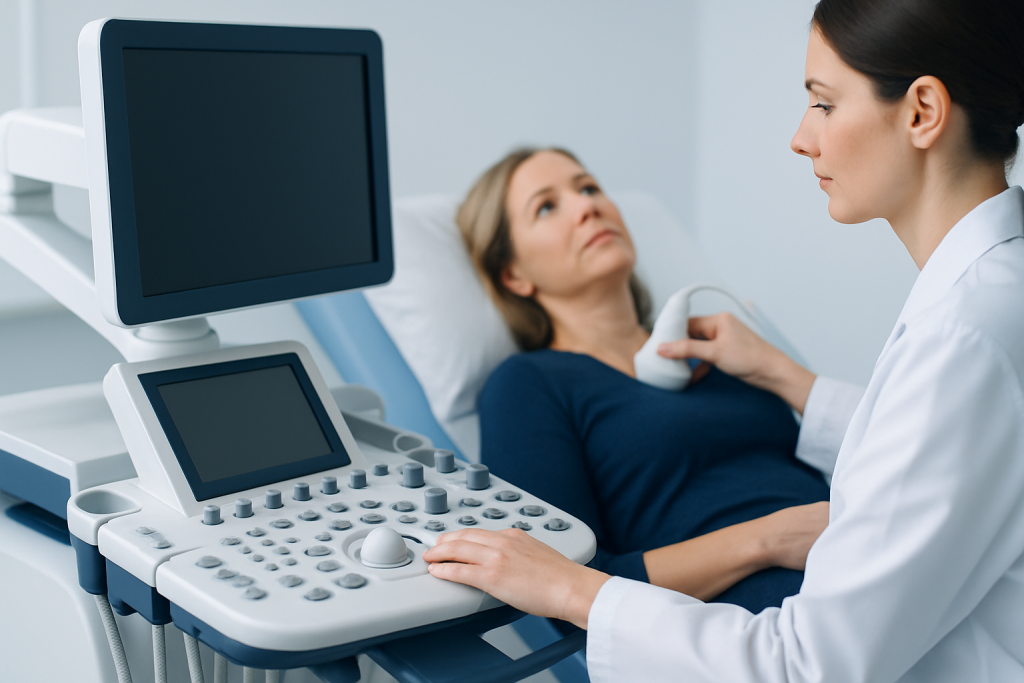
Low estrogen can show up in several body systems at once. One person may notice menstrual changes first, while another may have more vaginal or sleep-related symptoms. The combination and timing of symptoms often offer more useful clues than any single sign on its own.
Common symptoms may include:
- Irregular, lighter, or missed periods
- Hot flashes or night sweats
- Vaginal dryness, itching, or discomfort during sex
- Reduced libido
- Sleep disturbance or waking frequently at night
- Mood changes, such as irritability, low mood, or anxiety
- Headaches in some people
- Dry skin or changes in hair texture
- Brain fog, forgetfulness, or difficulty concentrating
Some symptoms are more noticeable in everyday life than in a medical chart. For example, a person may first realize that exercise feels harder, sex has become uncomfortable, or sleep is less restorative. When these changes cluster together, low estrogen becomes a reasonable possibility to discuss with a clinician.
Causes & Risk Factors

The most common reason for low estrogen is the natural transition toward menopause. During perimenopause, hormone levels can fluctuate before eventually settling at a lower level after menopause. In younger people, however, low estrogen may suggest another cause that deserves a closer look.
Possible causes include premature ovarian insufficiency, surgical removal of the ovaries, breastfeeding, eating disorders, excessive exercise, significant stress, pituitary or hypothalamic conditions, and certain cancer treatments such as chemotherapy or pelvic radiation. Some medications and chronic illnesses can also affect hormone production or balance.
Risk factors depend on the underlying cause rather than the hormone level alone. A family history of early menopause, autoimmune disease, prior ovarian surgery, or treatment that affects the ovaries can increase the chance of estrogen deficiency. In younger patients, a doctor will usually want to rule out pregnancy, thyroid problems, and other conditions that can mimic hormone-related symptoms.
Diagnosis
Diagnosis begins with a careful conversation about symptoms, menstrual history, sexual health, medications, and recent life changes. Because many low estrogen symptoms overlap with other conditions, the pattern and duration of symptoms matter. A clinician may also ask about fertility plans, bone health, and family history.
Blood tests may be used to assess hormone levels, but they are not always straightforward because estrogen can vary from day to day and across the menstrual cycle. Depending on the situation, a doctor may also check follicle-stimulating hormone (FSH), luteinizing hormone (LH), thyroid function, pregnancy status, and other markers. In some cases, additional tests or imaging may be needed to look for an underlying cause.
For patients traveling for care, it is helpful to bring records of previous blood tests, imaging, surgeries, cancer treatment, or fertility history. This shortens the diagnostic process and helps the medical team decide whether the issue is likely temporary, part of menopause, or related to a separate endocrine or gynecologic condition.
Treatment Options
Treatment is guided by the reason for low estrogen, the severity of symptoms, age, and personal health risks. There is no single plan that fits everyone. For some patients, reassurance and symptom monitoring are enough; for others, symptom control and protection of long-term bone or urogenital health become priorities.
Hormone therapy may be considered in suitable patients, especially for bothersome menopausal symptoms or premature ovarian insufficiency. Local vaginal estrogen or other prescribed therapies may help with dryness and discomfort. If hormone therapy is not appropriate, doctors may suggest non-hormonal options for hot flashes, vaginal moisturizers or lubricants, sleep support, and measures to protect bone health.
When low estrogen is linked to another condition, treating the underlying problem is essential. This may involve addressing nutritional issues, changing a medication under medical guidance, or coordinating care with gynecology, endocrinology, fertility, oncology, or rehabilitation specialists. A personalized plan often works best because it can balance symptom relief with safety and future health goals.
Prevention & Self-care
Not every cause of low estrogen can be prevented, but some symptoms can be eased with practical daily steps. Regular physical activity, adequate nutrition, and sufficient calcium and vitamin D intake can support bone health, especially when estrogen is lower for an extended time. Good sleep habits and stress management may also help with mood and energy changes.
For vaginal dryness or discomfort, water-based or silicone-based lubricants and moisturizers can make a meaningful difference. Some people find that avoiding irritants such as fragranced washes or harsh soaps helps reduce local discomfort. If hot flashes are common, dressing in layers, keeping the sleeping environment cool, and limiting triggers such as alcohol or spicy foods may offer modest relief.
Self-care works best when it is paired with appropriate medical follow-up. If a patient has been treated abroad, keeping a clear symptom diary and sharing it with the home doctor or follow-up clinician can make long-distance care more effective. That record can help refine treatment if symptoms change after travel or after starting a new therapy.
When to See a Doctor
A medical review is a good idea if periods become irregular without a clear reason, if hot flashes or night sweats disrupt daily life, or if vaginal dryness affects comfort or sexual health. It is also wise to seek evaluation if symptoms begin before age 40, because early estrogen deficiency may signal premature ovarian insufficiency or another condition that benefits from timely treatment.
Prompt medical attention is important if there is heavy bleeding, bleeding after sex, severe pelvic pain, possible pregnancy, or sudden symptoms after surgery or cancer treatment. New mood symptoms, low energy, or bone pain should also be discussed, especially if they are persistent.
Patients considering care abroad can often benefit from a coordinated, multidisciplinary evaluation. At Acibadem Health Point, multidisciplinary specialists and JCI-accredited hospitals diagnose and treat this condition for international patients, with attention to both the medical workup and the practical realities of follow-up after returning home.
Living With Low Estrogen
Many people do well once the cause of low estrogen is identified and the treatment plan is tailored to the symptoms that matter most. Some symptoms improve quickly, while others—especially vaginal or bone-related concerns—may need longer follow-up. Progress is often measured in comfort, sleep quality, cycle stability, and daily function rather than a single lab value.
When symptoms are being managed across borders, continuity matters. A concise summary of the diagnosis, test results, and prescribed therapies can help future clinicians provide consistent care. This is particularly useful when hormone treatment, fertility planning, or bone health monitoring is involved.
Low estrogen is common, but it should never be dismissed automatically. With thoughtful evaluation and individualized care, many patients regain comfort, confidence, and a clearer understanding of what their bodies are telling them.
Frequently asked questions
Can low estrogen happen before menopause?
Yes. Low estrogen can occur before menopause for several reasons, including premature ovarian insufficiency, breastfeeding, surgery, certain medical treatments, or other hormone-related conditions. In younger people, the cause should be evaluated rather than assumed.
Are hot flashes always caused by low estrogen?
No. Hot flashes are common with estrogen decline, especially during perimenopause and menopause, but they can also occur with other hormonal or medical conditions. A doctor will look at the whole symptom pattern before making a conclusion.
Can low estrogen affect mood and memory?
It can contribute to mood changes, sleep disturbance, and a sense of mental fog in some people. These symptoms can also have other causes, so a medical review is helpful if they are persistent or worsening.
How is low estrogen treated?
Treatment depends on the cause and the person’s health profile. Options may include hormone therapy, local vaginal treatments, non-hormonal medicines, lifestyle support, or treatment of an underlying condition.
Does low estrogen affect bones?
Yes. Estrogen helps protect bone density, so prolonged low levels can increase the risk of bone loss over time. This is one reason doctors may discuss bone health, exercise, and nutrition as part of the care plan.
When should someone see a doctor about possible low estrogen symptoms?
It is reasonable to seek medical advice if symptoms are persistent, disruptive, or unusual for the person’s age or situation. Early evaluation is especially important if periods stop unexpectedly, symptoms begin before age 40, or there is a history of surgery or cancer treatment.
References
- American College of Obstetricians and Gynecologists
- National Institute of Child Health and Human Development
- Mayo Clinic
- The North American Menopause Society
- National Institutes of Health
This article is for general information only and is not a substitute for professional medical advice. Please consult a qualified doctor about your individual situation.
More from the Health Library



Related Specialists

Prof. Dr. A. Taner Usta
Gynecology & Obstetrics
Prof. Dr. Ahmet Tayyar
Gynecology & Obstetrics
Prof. Dr. Ahmet Cem Batukan
Gynecology & Obstetrics
Dr. Sevgi Selen
Gynecology & Obstetrics