Endometrial Biopsy

Key Takeaways
- An endometrial biopsy checks the uterine lining for changes, infection, or abnormal cells.
- It is often recommended for abnormal uterine bleeding, especially after menopause or when bleeding patterns change.
- The procedure is usually quick and done in a clinic setting, though cramping or brief spotting can happen afterward.
- Results help guide next steps, which may include reassurance, medication, imaging, or further testing.
- A doctor should be contacted if bleeding becomes heavy, pain worsens, or fever develops after the procedure.
An endometrial biopsy is a small tissue sample taken from the lining of the uterus to help explain symptoms such as abnormal bleeding or to check for certain uterine conditions. It is a common outpatient test, and most people can return to normal activities soon after it is performed.
Overview
An endometrial biopsy is a diagnostic procedure used to collect a small piece of tissue from the endometrium, the lining of the uterus. The sample is then examined in a laboratory to look for hormonal changes, infection, inflammation, precancerous changes, or cancer.
For many women, the test is part of answering a larger question: why is the bleeding pattern different now? It may be recommended after prolonged bleeding, bleeding between periods, bleeding after menopause, or when ultrasound findings suggest that the uterine lining needs a closer look. In some situations, it is one piece of a broader evaluation rather than a stand-alone test.
The procedure is usually performed in a clinic or outpatient setting and does not require an overnight stay. Because many Myomectomy Recovery for International Patients: The Usual Travel Timeline" class="ahp-ilk">international patients want clarity before traveling for care, the test is often valued for what it can provide quickly: a tissue-based answer that helps the treating team choose the safest next step.
Symptoms That May Lead to Testing
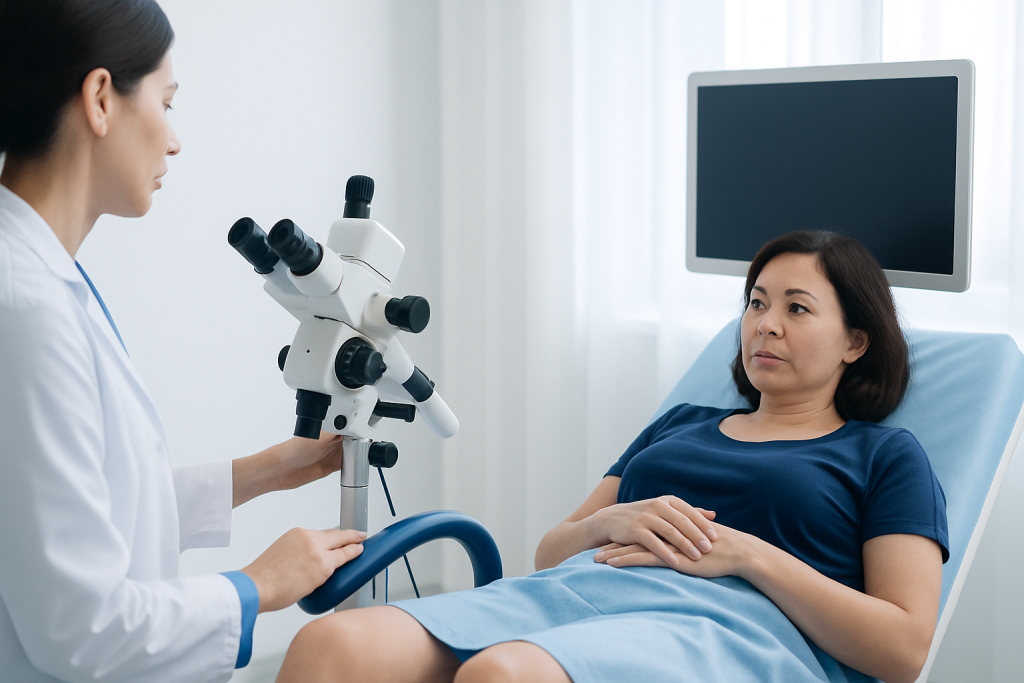
An endometrial biopsy is not done for symptoms in general; it is typically recommended when a clinician wants to understand a specific uterine symptom better. The most common reason is abnormal uterine bleeding, especially when the bleeding is heavy, prolonged, unpredictable, or occurs after menopause.
Other reasons may include bleeding between periods, cycles that become noticeably different from a person’s usual pattern, or spotting that appears after intercourse or after menopause. Sometimes the biopsy is suggested when an ultrasound shows that the lining of the uterus looks thicker than expected, or when hormone-related medications make a more detailed check appropriate.
- Bleeding after menopause
- Heavy or prolonged menstrual bleeding
- Bleeding between periods
- Unexplained spotting
- Abnormal ultrasound findings involving the uterine lining
Some people feel anxious when a biopsy is mentioned, but the test itself is meant to bring clarity. In many cases, the result helps rule out serious causes and allows treatment to be tailored more precisely.
Causes & Risk Factors
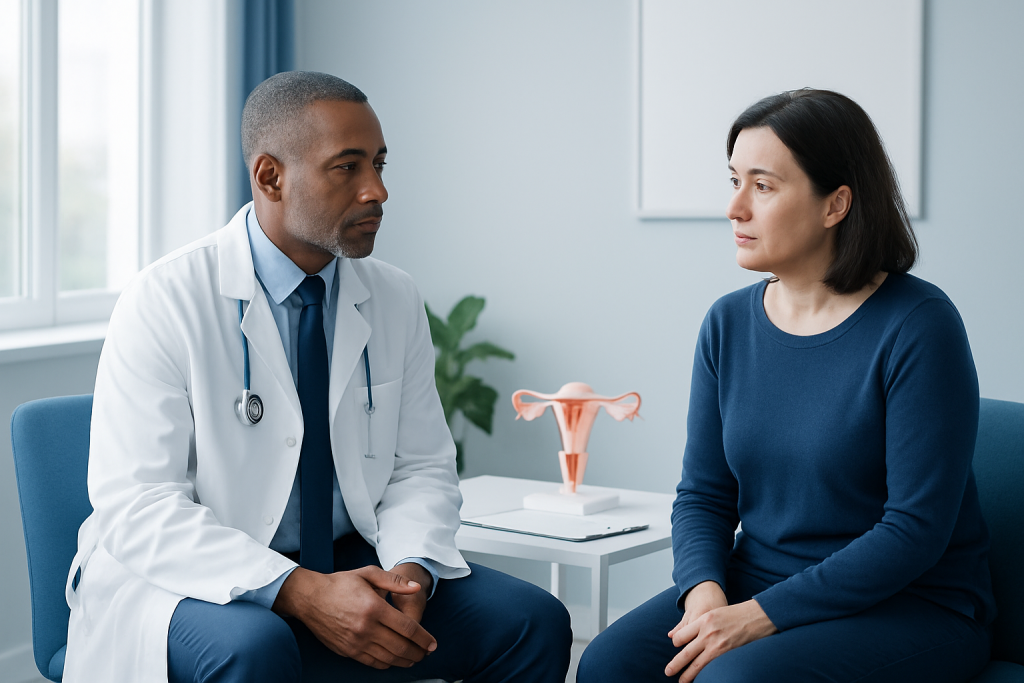
An endometrial biopsy does not diagnose one single disease; it helps evaluate a range of possible causes of uterine symptoms. These may include hormonal imbalance, endometrial overgrowth, polyps, infection, fibroids that affect bleeding, or changes that need closer assessment because they could be precancerous or cancerous.
Certain factors can make a clinician more likely to recommend the test. These include age after menopause, persistent abnormal bleeding, a history of irregular ovulation, obesity, polycystic ovary syndrome, use of estrogen without enough progesterone, tamoxifen treatment, or a family history that raises concern for uterine cancer risk.
It is important to remember that having a risk factor does not mean a serious diagnosis is present. Rather, it means the uterus should be evaluated thoughtfully so that nothing important is missed and unnecessary treatment is avoided.
Diagnosis
The biopsy is part of the diagnostic process itself. Before the sample is taken, the doctor usually reviews symptoms, menstrual history, pregnancy possibility, medications, prior imaging, and any previous gynecologic procedures. A pelvic exam may be done first, and sometimes ultrasound findings help decide whether a biopsy is the right next step.
During the procedure, a thin instrument is passed through the cervix into the uterus to collect a small amount of lining tissue. The sample is then sent to pathology, where it is examined under a microscope. The lab report may describe normal cyclical changes, hormonal effects, infection or inflammation, endometrial hyperplasia, or abnormal cells.
Depending on the situation, the doctor may combine biopsy results with ultrasound, blood tests, or hysteroscopy findings to build a fuller picture. For patients traveling from another country, this stepwise approach can be especially helpful because it clarifies whether treatment can begin immediately or whether more detailed evaluation is needed first.
Treatment Options
An endometrial biopsy itself is not a treatment, but its results guide treatment. If the tissue is normal, the doctor may recommend observation, hormonal therapy, or another investigation if symptoms continue. If a benign condition such as endometrial overgrowth or a polyp is found, treatment may involve medication or removal of the lesion.
If the biopsy shows precancerous changes, the next steps depend on the type and extent of the findings, the person’s age, fertility goals, and overall health. In some cases, hormonal treatment and close monitoring are appropriate; in others, a procedure such as hysteroscopy or surgery may be recommended to remove abnormal tissue or to obtain a more complete sample.
When cancer is detected or strongly suspected, care usually shifts to a specialist team. That team may include gynecologists, oncologists, radiologists, and pathologists who work together on staging and treatment planning. For international patients, this multidisciplinary approach can simplify what feels like a complex path by making the next steps clear and coordinated.
Prevention & Self-care
Not every cause of abnormal uterine bleeding can be prevented, but some health habits support earlier detection and better overall reproductive health. Keeping track of cycle changes, spotting, pain, and medication use can help a doctor identify patterns that may matter. A simple calendar or mobile app record is often very useful during consultation.
If a person has been told they are at increased risk for endometrial problems, regular follow-up appointments matter. It is also helpful to discuss hormone therapy, tamoxifen use, or irregular cycles with a doctor rather than waiting for symptoms to become more noticeable. For those with polycystic ovary syndrome or weight-related risk factors, ongoing medical care may reduce the chance that bleeding changes are overlooked.
After the biopsy, self-care is usually straightforward. Mild cramping or light spotting can often be managed by resting, using comfort measures recommended by the doctor, and avoiding vaginal products or intercourse for the short period advised by the care team. If the procedure is part of care during travel, arranging a day with lighter commitments can make recovery easier.
When to See a Doctor
Medical evaluation is important if bleeding patterns change unexpectedly, especially after menopause or if bleeding becomes heavy, frequent, or prolonged. A doctor should also be contacted if a person has pelvic pain, unexplained spotting, or bleeding after intercourse that does not resolve.
After an endometrial biopsy, most people recover quickly, but certain symptoms deserve attention. These include heavy bleeding, fever, worsening pelvic pain, foul-smelling discharge, dizziness, or symptoms that feel more severe than the usual post-procedure cramping. Prompt review helps rule out infection or other complications.
If biopsy results are abnormal or unclear, follow-up should not be delayed. A second opinion, repeat sampling, or additional imaging may be appropriate depending on the findings. Acibadem Health Point’s multidisciplinary specialists and JCI-accredited hospitals also diagnose and treat endometrial biopsy-related conditions for international patients in a coordinated setting.
What the Results Can Mean
Biopsy results are often reported in language that reflects how the tissue looks under the microscope rather than in simple yes-or-no terms. Normal findings may show that the uterine lining changes in a way expected for the menstrual cycle or menopause status. This can be reassuring, but the doctor may still investigate symptoms if they continue.
Other results may point to benign hormonal effects, endometrial inflammation, polyps, hyperplasia, or tissue changes that need closer follow-up. When the report mentions atypical cells or malignancy, the next step is usually a conversation about staging, treatment options, and whether additional tests are needed to guide care.
Because the meaning of the result depends on age, symptoms, and the full clinical picture, it is best interpreted by the treating doctor rather than in isolation. Patients do best when they leave the appointment with a clear explanation of what was found, what was not found, and what happens next.
Frequently asked questions
Is an endometrial biopsy painful?
Most people feel cramping rather than severe pain, and the discomfort is usually brief. The experience can vary from person to person, and the doctor may suggest ways to make the procedure more comfortable. If pain is significant or prolonged afterward, medical advice should be sought.
How long does the procedure take?
The biopsy itself is usually quick, often taking only a few minutes once the examination begins. Extra time may be spent discussing symptoms, preparation, and aftercare before and after the sample is collected. Most people can go home the same day.
Do I need to prepare before an endometrial biopsy?
Preparation depends on the clinic and the reason for the test. The doctor may ask about the chance of pregnancy, medications, allergies, and any history of bleeding problems. Some patients are advised to take steps to reduce cramping, but this should always be done according to the clinician’s instructions.
What should I expect after the biopsy?
Light spotting and mild cramping are common for a short time afterward. Many people return to usual activities the same day, although they may prefer a calmer schedule. The doctor will explain when to expect the results and what to watch for at home.
Can an endometrial biopsy rule out cancer?
A biopsy can detect many important uterine changes, including cancerous or precancerous tissue. However, no test should be interpreted in isolation, and sometimes more evaluation is needed if symptoms continue or the sample is limited. The treating doctor uses the biopsy together with imaging and the clinical history to reach the most accurate conclusion.
When should I call the doctor after the procedure?
Medical advice should be sought if bleeding becomes heavy, pain worsens instead of improving, or fever, dizziness, or unusual discharge develops. These symptoms are not expected and should be checked promptly. Even without urgent symptoms, follow-up is important if the biopsy results are abnormal or unclear.
References
- American College of Obstetricians and Gynecologists
- Mayo Clinic
- National Cancer Institute
- Merck Manual Professional Edition
This article is for general information only and is not a substitute for professional medical advice. Please consult a qualified doctor about your individual situation.
More from the Health Library



Related Specialists

Prof. Dr. A. Taner Usta
Gynecology & Obstetrics
Prof. Dr. Ahmet Tayyar
Gynecology & Obstetrics
Prof. Dr. Ahmet Cem Batukan
Gynecology & Obstetrics
Dr. Sevgi Selen
Gynecology & Obstetrics