Implantation Symptoms

Key Takeaways
- Implantation may cause light spotting, mild cramping, or no noticeable symptoms at all.
- Symptoms usually appear around the time a fertilized egg attaches to the uterine lining.
- Implantation bleeding is typically lighter and shorter than a menstrual period.
- A home pregnancy test is more reliable after a missed period or on the day advised by a clinician.
- Severe pain, heavy bleeding, or dizziness should be discussed with a doctor promptly.
Implantation symptoms can be subtle and easy to confuse with the days before a period. This article explains what may happen during implantation, what is normal, and when it is sensible to speak with a doctor.
Overview
Implantation is the stage when a fertilized egg attaches to the lining of the uterus. It is one of the earliest steps in pregnancy, and for many people it passes quietly without any obvious signs. Others notice a few changes and wonder whether these are implantation symptoms or simply the start of a menstrual period.
Because the signs can overlap, implantation symptoms are best understood as possible clues rather than proof of pregnancy. For people tracking ovulation, planning conception, or undergoing fertility treatment, this waiting period can feel especially intense. A calm, medically grounded view helps: some body changes are normal, and only testing can confirm pregnancy.
In fertility care, timing matters. Those trying to conceive at home, or after assisted reproduction such as IVF, often look for patterns in bleeding, cramping, and breast tenderness. Even then, the body’s response varies from person to person, so it is important not to rely on symptoms alone.
Symptoms
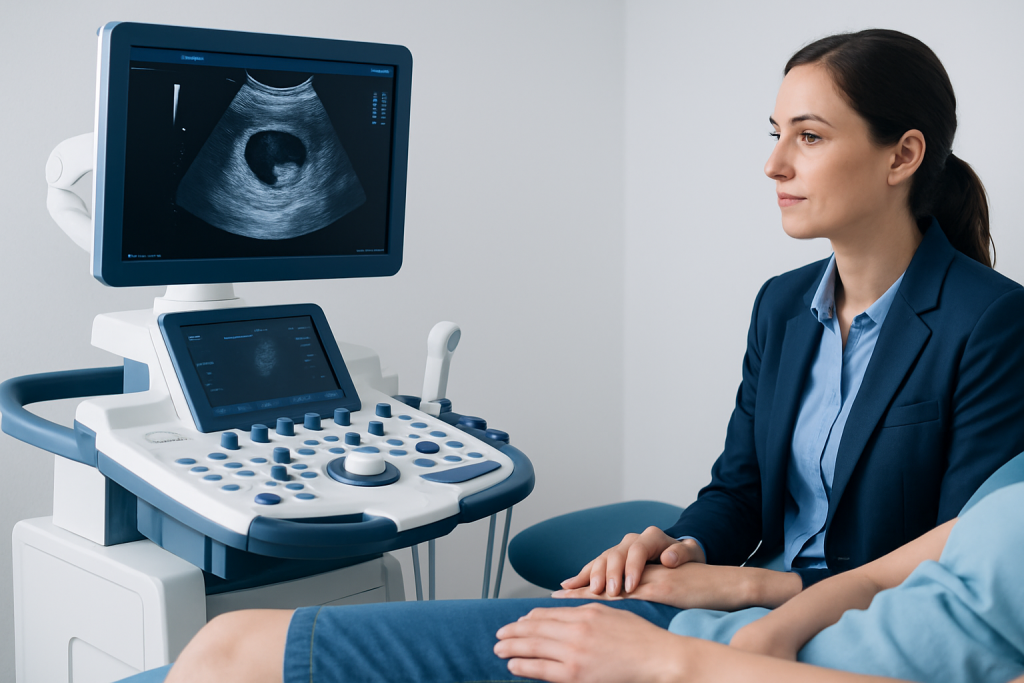
The most discussed implantation symptom is light spotting, sometimes called implantation bleeding. It is usually very light, often pink or brown rather than bright red, and may appear as a small amount on underwear or when wiping. It typically lasts a short time and does not become progressively heavier the way a period often does.
Mild cramping can also happen as the uterus responds to early pregnancy changes. This discomfort is usually gentle, brief, and lower in the abdomen or pelvis. Some people describe it as a pulling, tingling, or dull ache rather than the stronger cramps that may come with menstruation.
Other early sensations may include breast tenderness, bloating, or feeling more tired than usual. These signs are not specific to implantation, however, because they can also appear in the premenstrual phase. A person may experience none of these changes and still be pregnant.
- Light spotting or brown discharge
- Mild, short-lived cramping
- Breast tenderness
- Fatigue or a sense of low energy
- Subtle bloating or pelvic fullness
Not every early change should be interpreted as implantation. Many symptoms in this window are driven by shifting hormones, which is why the experience can feel familiar to a coming period. The most useful next step is usually patience, followed by testing at the right time.
Causes & Risk Factors

Implantation symptoms are linked to the natural process of a fertilized egg embedding into the uterine lining. As that happens, small blood vessels may be affected, which can explain minor spotting in some people. Hormonal changes around early pregnancy may also contribute to breast changes, mild cramping, or tiredness.
There is no single profile of who will notice implantation symptoms and who will not. Some people are simply more attentive to small body changes, while others may have symptoms that are too subtle to notice. Prior menstrual patterns, stress levels, and the timing of ovulation can all affect how symptoms are perceived.
In fertility and IVF settings, risk factors for noticing or confusing implantation symptoms often relate to treatment timing rather than a medical problem. For example, hormone support medication, recent procedures, or anxiety during the two-week wait can make normal sensations seem more prominent. The key point is that symptom patterns vary widely and do not reliably predict outcome.
Diagnosis
Implantation symptoms themselves cannot diagnose pregnancy. A clinician may first review the timing of ovulation, intercourse, embryo transfer, or the expected menstrual cycle, then suggest when to test. This is especially important because testing too early can lead to a negative result even when pregnancy is beginning.
Pregnancy is usually confirmed with a urine test or a blood test for human chorionic gonadotropin, often called hCG. Blood testing can sometimes detect pregnancy earlier than a home test and may be used in fertility care when precise timing is important. Ultrasound is not usually helpful at the implantation stage because it is too early to see anything meaningful.
For people traveling for fertility care, follow-up plans should be clear before leaving the clinic. The doctor may recommend a specific testing date and explain which symptoms are expected after treatment and which ones should be reported. Keeping a simple log of bleeding, pain, and medications can make remote follow-up easier.
Treatment Options
Implantation itself does not need treatment. It is a normal part of early pregnancy when it occurs. The main role of care is to confirm whether pregnancy has begun and to make sure any symptoms are within a typical range.
If light spotting or mild cramping is present, doctors usually advise rest, hydration, and observation rather than intervention. Paracetamol or other pain relief should only be used according to a clinician’s guidance, especially in early pregnancy or after fertility treatment. People who are trying to conceive should check with their fertility team before using any new medication or supplement.
In IVF or other assisted conception pathways, treatment may already include hormonal support such as progesterone. That support is prescribed by the treating team and should not be changed without advice. If pregnancy is confirmed, the doctor may continue or adjust the plan based on the individual situation and the clinic protocol.
When symptoms are due to something other than implantation, treatment depends on the cause. For example, an infection, Cyst Surgery" class="ahp-ilk">ovarian cyst, or non-pregnancy-related bleeding pattern may need evaluation. The safest approach is to let the healthcare team distinguish normal early-pregnancy changes from conditions that deserve attention.
Prevention & Self-care
Implantation symptoms cannot be prevented, because they are part of a natural biological process. What can be supported is a healthy environment for early pregnancy and a calmer experience while waiting for a test result. Simple self-care often makes this period more manageable.
General preconception habits are helpful: a balanced diet, adequate hydration, limiting alcohol, avoiding smoking, and following a clinician’s advice on folic acid or other supplements. For people undergoing fertility treatment, taking medications exactly as prescribed and attending scheduled follow-up checks is especially important. Trying to read too much into every twinge is common, but it can also increase stress without improving clarity.
A few practical habits may help during the waiting period:
- Track the date of ovulation, embryo transfer, or expected period.
- Use pregnancy tests only at the timing advised by a doctor or the test instructions.
- Note spotting by color, amount, and duration rather than guessing from memory.
- Rest as needed, but keep light daily activity if it feels comfortable.
- Seek emotional support if the two-week wait feels overwhelming.
For Myomectomy Recovery for International Patients: The Usual Travel Timeline" class="ahp-ilk">international patients, planning ahead can make follow-up easier. Knowing who to contact, how to share test results, and where to seek care locally after returning home reduces uncertainty and keeps the process organized.
When to See a Doctor
Most suspected implantation symptoms do not require urgent care. A doctor’s advice is still worthwhile if there is uncertainty about timing, if fertility treatment is involved, or if a pregnancy test result does not match the expected cycle pattern. Early guidance can prevent unnecessary worry and help interpret symptoms accurately.
Medical attention should be sought sooner if bleeding becomes heavy, cramps become severe, pain is one-sided or sharp, or there is dizziness, fainting, fever, or shoulder pain. These symptoms are not typical of implantation and deserve prompt assessment. The same applies if a person has a history of ectopic pregnancy, miscarriage, or significant reproductive health conditions.
If implantation is being monitored after IVF or another fertility procedure, the clinic should be informed about any symptoms that are stronger than expected or that interfere with daily comfort. Acibadem Health Point’s multidisciplinary specialists and JCI-accredited hospitals diagnose and treat these concerns for international patients, with coordination that can support both in-person care and follow-up planning after travel.
Living with the Waiting Period
The days after possible implantation are often emotionally charged because the body gives only partial clues. A few mild symptoms may appear, disappear, or never appear at all. None of these patterns can confirm or exclude pregnancy on their own.
For that reason, the most useful strategy is usually to combine practical monitoring with realistic expectations. It can help to keep symptoms in context, follow the testing schedule, and avoid comparing one person’s experience with another’s. In fertility care, this also means remembering that a quiet cycle is not a failed cycle, and a symptom-heavy cycle is not necessarily a positive one.
Clear communication with a clinician is the best support during this stage. Whether conception happened naturally or through treatment, a qualified doctor can explain the next steps, the right time for testing, and what findings should be watched more closely.
Bottom Line
Implantation symptoms, when they occur, are usually subtle: a little spotting, mild cramping, or changes that feel like early premenstrual signs. They can be reassuring to notice, but they are not a reliable way to confirm pregnancy.
Because early pregnancy and menstrual symptoms overlap so much, testing at the appropriate time remains the clearest answer. If symptoms feel unusual, become painful, or create concern, medical advice is the safest next step.
Frequently asked questions
What are the most common implantation symptoms?
The most commonly discussed signs are light spotting and mild cramping. Some people also notice breast tenderness, bloating, or fatigue, while others feel nothing at all. None of these symptoms can confirm pregnancy by themselves.
How long does implantation bleeding last?
If implantation bleeding occurs, it is usually brief and lighter than a normal period. It often appears as spotting rather than a steady flow. If bleeding becomes heavier or lasts longer than expected, a doctor should be consulted.
Can implantation happen without symptoms?
Yes. Many people do not notice any implantation symptoms, and that can still be completely normal. Pregnancy is confirmed by testing, not by symptoms alone.
How is implantation bleeding different from a period?
Implantation bleeding is usually lighter, shorter, and more pink or brown in color. A menstrual period is more likely to become heavier and last several days. Still, the two can look similar enough that only testing can provide clarity.
When should a pregnancy test be taken after implantation symptoms?
The most accurate time is usually after a missed period or on the date recommended by a clinician. Testing too early may give a false negative. If there is uncertainty, a blood test may be suggested.
Should cramping after implantation be a concern?
Mild cramping can be part of early pregnancy changes and is often not worrisome. Severe pain, one-sided pain, dizziness, or heavy bleeding are not typical and should be assessed promptly. A doctor can help determine whether the symptoms are expected or need further evaluation.
References
- American College of Obstetricians and Gynecologists
- National Health Service
- Mayo Clinic
- American Society for Reproductive Medicine
This article is for general information only and is not a substitute for professional medical advice. Please consult a qualified doctor about your individual situation.
More from the Health Library



Related Specialists

Prof. Dr. A. Taner Usta
Gynecology & Obstetrics
Prof. Dr. Ahmet Tayyar
Gynecology & Obstetrics
Prof. Dr. Ahmet Cem Batukan
Gynecology & Obstetrics
Dr. Sevgi Selen
Gynecology & Obstetrics