Linea Nigra

Key Takeaways
- Linea nigra is a normal skin change seen most often during pregnancy.
- It usually appears as a vertical dark line running from the pubic area toward the navel or higher.
- Hormonal changes can increase pigment production and make the line more noticeable.
- The condition is generally harmless and does not require treatment.
- Using sun protection and gentle skin care can help limit overall pigmentation changes.
- A doctor should be consulted if the pigmentation changes are sudden, painful, or occur with other concerning symptoms.
Linea nigra is a common, usually harmless dark line that can appear on the abdomen during pregnancy. It often reflects normal hormone-related skin changes and typically fades after delivery.
Overview
Linea nigra is the dark vertical line that some people notice on the abdomen, most often during pregnancy. The name simply means “black line,” and it is usually a normal response to changing hormones rather than a sign that anything is wrong.
The line commonly runs from the pubic area toward the navel and sometimes extends higher. It tends to become more visible as pregnancy progresses, especially in people with more noticeable skin pigmentation changes. For many, it is one more reminder that the body is adapting in visible ways during pregnancy.
Although it can draw attention in the mirror, linea nigra is usually harmless and temporary. Understanding why it appears can make it feel less surprising and help distinguish it from other skin changes that may deserve a medical review.
Symptoms
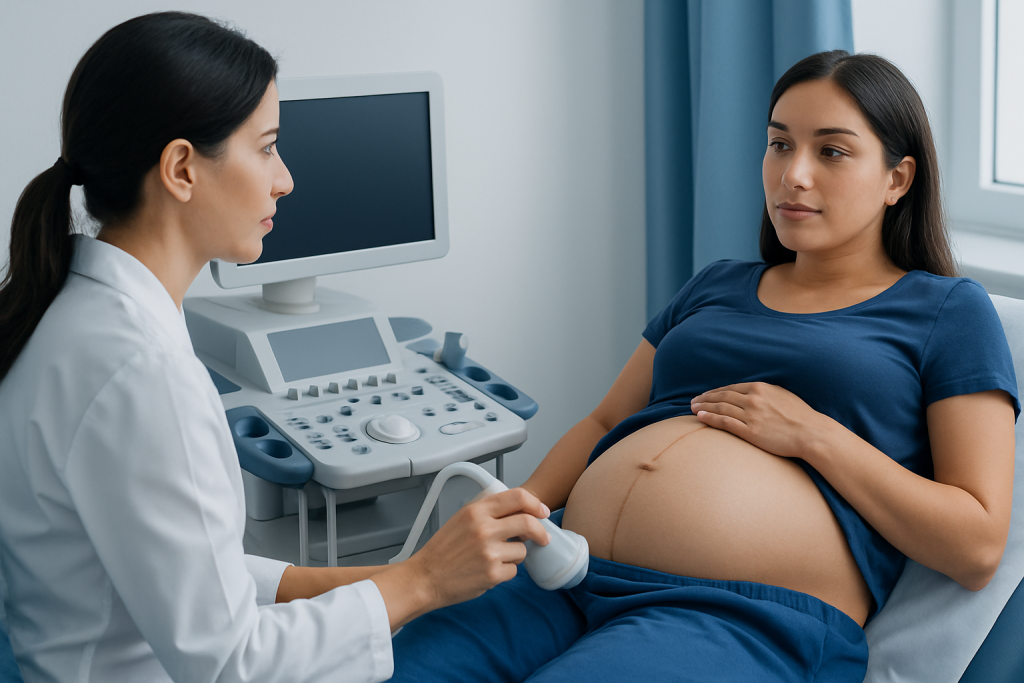
Linea nigra usually appears as a straight or slightly uneven dark line in the middle of the abdomen. It may look light brown, dark brown, or even grayish, depending on skin tone and how much pigment develops. The line often becomes more obvious after the second trimester, though timing can vary.
Most people do not feel any pain, itching, or tenderness from linea nigra itself. It is a color change rather than a rash or an inflamed patch of skin. Some people also notice darker pigmentation in other areas during pregnancy, such as the nipples, underarms, face, or along old scars.
- Vertical dark line on the abdomen
- Usually centered around the belly button area
- No pain or swelling in most cases
- May appear alongside other pregnancy skin changes
If the area becomes itchy, red, raised, or uncomfortable, the change may be due to something else and should be assessed by a clinician.
Causes & Risk Factors

Linea nigra is linked to hormonal changes, especially the rise in estrogen, progesterone, and melanocyte-stimulating hormone during pregnancy. These hormones can increase melanin production, which is the pigment that gives skin its color. As a result, normal skin lines or areas of pigmentation can darken and become more noticeable.
It is more common in pregnancy, but it can also appear in other situations involving hormonal shifts or higher pigment production. People with darker skin tones may notice pigmentation changes more readily, although linea nigra can occur across many skin types.
Risk factors are not dramatic or dangerous; they are mostly related to natural biology. A family tendency toward skin pigmentation changes, sun exposure, and pre-existing pigmentation can all make the line stand out more clearly.
Diagnosis
Linea nigra is usually diagnosed by simple visual examination. In most cases, a clinician can identify it by its appearance and pattern, without needing tests or procedures. The location, timing, and absence of other symptoms often make the diagnosis straightforward.
Because it is a normal pregnancy-related change, many people notice it themselves during routine self-care or prenatal visits. If the appearance is unusual, or if the skin change is not centered on the abdomen, a doctor may ask a few questions to rule out other causes of hyperpigmentation or a skin condition.
For Myomectomy Recovery for International Patients: The Usual Travel Timeline" class="ahp-ilk">international patients arranging care from abroad, this is typically the kind of finding that can be discussed during a prenatal consultation, either in person or through follow-up after arrival. The main goal is reassurance and making sure the change fits a normal pregnancy pattern.
Treatment Options
Linea nigra usually does not need treatment. It is a benign skin change, and for most people the best approach is simply observation while the body goes through pregnancy-related changes. The line often fades gradually after delivery, although the timeline can vary.
There are no standard creams or procedures recommended specifically to erase linea nigra during pregnancy. Some people ask about skin-lightening products, but these are generally not advised without medical guidance, especially during pregnancy or breastfeeding. The safest approach is to avoid trying to force the pigment to disappear quickly.
If the pigmentation is part of a broader skin concern, a dermatologist or obstetric clinician may suggest gentle, pregnancy-appropriate measures for overall skin care. That might include protecting the skin from excess sun exposure and reviewing any products already in use to ensure they are suitable for pregnancy.
Prevention & Self-care
Linea nigra cannot always be prevented, because it is driven by internal hormonal changes. Still, people can take steps to support skin health and reduce the chance that pigmentation becomes more noticeable in general.
Daily sun protection matters, since ultraviolet exposure can deepen pigmentation. A broad-spectrum sunscreen, protective clothing, and shade when possible can help limit darkening of the skin. Gentle cleansing and moisturizing are usually enough; the abdomen does not need special scrubbing or exfoliation.
- Use pregnancy-appropriate sunscreen on exposed skin
- Avoid harsh bleaching creams unless prescribed
- Choose mild skincare products and avoid over-exfoliating
- Keep prenatal appointments so skin changes can be discussed if needed
For those traveling for maternity care, it helps to bring a list of any skincare products already in use and note when the line first appeared. Clear information makes it easier for the care team to confirm that the change is normal and offer practical advice.
When to See a Doctor
Linea nigra itself is usually not a reason for concern. However, it is sensible to speak with a doctor if the pigmentation appears suddenly in an unusual pattern, spreads beyond the typical abdominal line, or is accompanied by itching, pain, rash, or skin thickening.
Medical advice is also appropriate if the change occurs outside pregnancy and is not explained by another known cause. A clinician may want to check whether the pigmentation is related to hormones, medications, sun exposure, or another skin condition.
For pregnant patients, any new symptom that feels different from the usual skin changes of pregnancy is worth mentioning during a prenatal visit. The goal is not to create alarm, but to make sure the pattern is understood in context and that both mother and baby remain on track.
Acibadem Health Point’s multidisciplinary specialists and JCI-accredited hospitals diagnose and treat this condition for international patients, with follow-up care that can be coordinated around travel and recovery needs.
Living with the Change
Many people find linea nigra more noticeable in photographs or when getting dressed than in daily life. It can help to remember that it is a common, temporary sign of pregnancy rather than a flaw or a problem to fix. For some, simply knowing what it is makes it easier to leave it alone.
After delivery, the line often lightens slowly as hormone levels return to their usual range. The process may take weeks or months, and in some cases a faint trace remains longer. If it does linger, a dermatologist can discuss non-pregnancy-related options after breastfeeding or when medically appropriate.
Pregnancy often brings visible skin changes that are beyond a person’s control. A calm, realistic approach works best: protect the skin, avoid unnecessary products, and mention anything unusual to a qualified clinician when needed.
Frequently asked questions
What is linea nigra?
Linea nigra is a vertical dark line that can appear on the abdomen, most often during pregnancy. It is a common skin change linked to hormonal shifts and increased pigment production.
Does linea nigra mean something is wrong with the pregnancy?
Usually, no. It is typically a normal and harmless sign of pregnancy-related skin changes. It does not by itself indicate a problem with the baby or the pregnancy.
When does linea nigra appear and disappear?
It often becomes noticeable during the second or third trimester, though timing varies. After delivery, it usually fades gradually over time as hormone levels settle.
Can linea nigra be removed with creams?
There is no standard treatment needed for linea nigra, and skin-lightening products are not generally recommended during pregnancy without medical advice. Most people simply wait for it to fade naturally after birth.
Is linea nigra the same as stretch marks?
No. Linea nigra is a change in skin color, while stretch marks are lines or streaks caused by stretching of the skin. They can happen in the same pregnancy but are different conditions.
Should a doctor check the dark line on the belly?
A doctor should be consulted if the change is painful, itchy, spreading in an unusual way, or appearing outside the typical pregnancy pattern. Otherwise, it is usually a normal finding that can be mentioned at a routine prenatal visit.
References
- American College of Obstetricians and Gynecologists
- Mayo Clinic
- Cleveland Clinic
- National Health Service
This article is for general information only and is not a substitute for professional medical advice. Please consult a qualified doctor about your individual situation.
More from the Health Library



Related Specialists

Prof. Dr. A. Taner Usta
Gynecology & Obstetrics
Prof. Dr. Ahmet Tayyar
Gynecology & Obstetrics
Prof. Dr. Ahmet Cem Batukan
Gynecology & Obstetrics
Dr. Sevgi Selen
Gynecology & Obstetrics