Can You Get Pregnant From Pre Ejaculation Fluid

Key Takeaways
- Pre-ejaculation fluid may contain sperm, so pregnancy is possible.
- Withdrawal is less reliable than consistent contraception.
- Ovulation timing can increase the chance of conception.
- Emergency contraception may help after unprotected sex.
- A pregnancy test is most reliable after a missed period or as advised by a clinician.
Pre-ejaculation fluid can sometimes lead to pregnancy, although the risk is lower than with ejaculation. The chance depends on whether sperm are present, timing in the cycle, and whether contraception is used correctly.
Overview
Pre-ejaculation fluid, often called “precum,” is a small amount of fluid that can be released from the penis before ejaculation. Many people wonder whether it can cause pregnancy, especially after unprotected sex or when the withdrawal method is used.
The short answer is yes, pregnancy can happen from pre-ejaculation fluid. The risk is usually lower than with ejaculation, but it is not zero. That is because sperm may be present in the urethra or may be carried into the fluid in some situations.
For people making decisions from another country or planning care while traveling, this question often comes up after an unexpected sexual encounter or a contraception failure. Understanding the timing, the biology, and the options for testing or emergency contraception can make the next steps clearer and calmer.
Symptoms
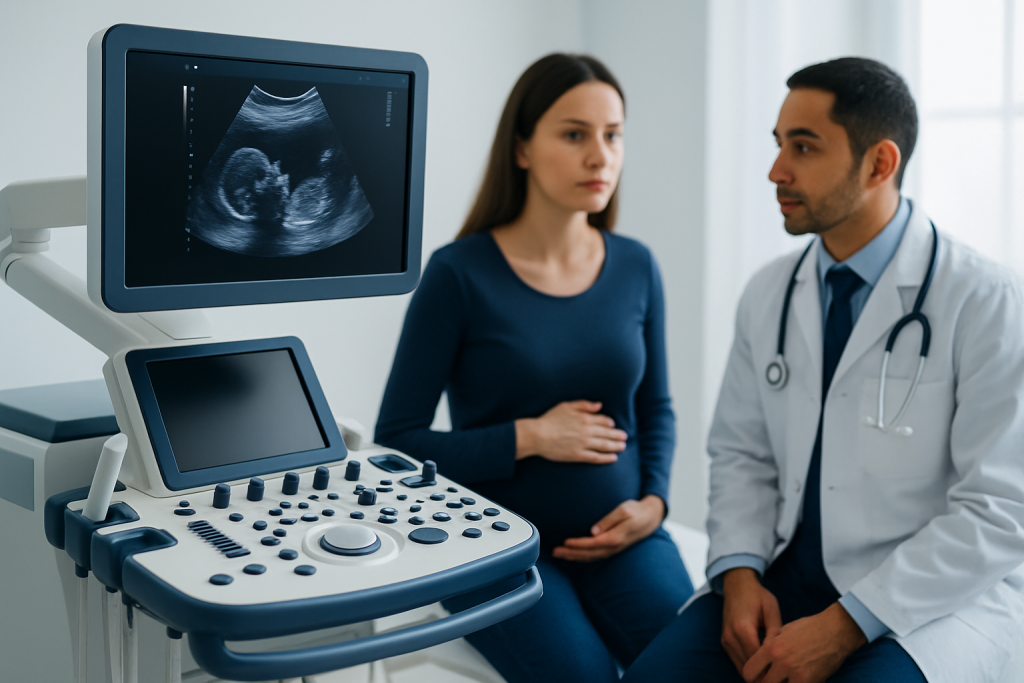
Pre-ejaculation fluid itself does not cause symptoms that would tell someone whether pregnancy will occur. The only way to know if conception happened is to watch for pregnancy signs over time and confirm with a test.
Early pregnancy symptoms can include a missed period, breast tenderness, nausea, fatigue, or more frequent urination. These signs are not specific, though, and they can also be related to stress, hormonal changes, or an approaching period.
After unprotected sex, the timing matters more than immediate symptoms. A pregnancy test taken too early may be negative even if conception occurred, so it is important to choose the right testing window.
Causes & Risk Factors
Pregnancy begins when sperm reaches and fertilizes an egg. Pre-ejaculation fluid is produced by glands that lubricate the urethra, and it is not meant to contain sperm. However, sperm can sometimes be present in the fluid or remain in the urethra from a previous ejaculation.
The risk of pregnancy from pre-ejaculation fluid is higher when sex occurs near ovulation, because an egg is available for fertilization during a limited time in the menstrual cycle. It is also higher if semen has recently been ejaculated and no urination has happened afterward, since sperm may still be present in the urinary tract.
Common factors that influence risk include:
- Having vaginal sex without a barrier or hormonal contraceptive
- Using withdrawal as the only method of birth control
- Having sex around the fertile window
- Recent ejaculation before intercourse
- Inconsistent or incorrect contraception use
It is also worth noting that pre-ejaculation fluid can transmit sexually transmitted infections, even when pregnancy does not occur. That is one reason why condoms remain important for both pregnancy prevention and sexual health.
Diagnosis
Pregnancy from pre-ejaculation fluid is diagnosed in the same way as any other pregnancy: with a pregnancy test and, if needed, a clinical evaluation. A urine test is often used first because it is simple and widely available.
If the result is negative but the period is late, testing may need to be repeated after a few days. Blood tests can sometimes detect pregnancy earlier, and a clinician may recommend them if timing is unclear or symptoms need closer review.
For Myomectomy Recovery for International Patients: The Usual Travel Timeline" class="ahp-ilk">international patients, it can be helpful to have a clear plan before traveling home or continuing a trip. A doctor can advise when to test, whether emergency contraception is still an option, and when a follow-up appointment is appropriate if a period does not arrive.
Treatment Options
There is no treatment for exposure to pre-ejaculation fluid itself. The main focus is on preventing pregnancy after the exposure, then confirming whether pregnancy has occurred.
If unprotected sex happened recently, emergency contraception may be an option depending on how much time has passed. A clinician or pharmacist can help determine which method is appropriate, since the best choice depends on timing, health history, and local availability.
If pregnancy is confirmed, care shifts to routine prenatal follow-up and healthy pregnancy guidance. If pregnancy is not desired, a qualified clinician can discuss safe and legal options available in the person’s location.
Contraception for future sexual activity may include condoms, hormonal methods, an intrauterine device, or other approaches. The right choice depends on personal preference, medical history, and whether pregnancy prevention or STI protection is the main priority — ideally both.
Prevention & Self-care
The most reliable way to reduce pregnancy risk from pre-ejaculation fluid is to use contraception consistently. Condoms are especially useful because they help prevent both pregnancy and sexually transmitted infections.
Withdrawal is less dependable because pre-ejaculation fluid can still lead to conception. If a person is relying on this method, it helps to understand that “pulling out” does not eliminate risk and should not be treated as a secure form of birth control.
Practical self-care steps after a concern about pregnancy can include:
- Noting the date of sex and the first day of the last period
- Using emergency contraception promptly if appropriate
- Planning a pregnancy test at the right time
- Monitoring for a delayed period without assuming pregnancy immediately
- Seeking STI testing if there was unprotected sex or a new partner
For people who travel frequently, a long-acting method or a consistent routine with condoms can make family planning less stressful across time zones and changing schedules.
When to See a Doctor
A doctor or sexual health clinician should be consulted if a period is late after unprotected sex, if there is uncertainty about when to test, or if emergency contraception may still be needed. Medical advice is also useful when someone wants to choose a more reliable contraceptive method after repeated pregnancy scares.
Immediate medical attention is not usually required just because pre-ejaculation fluid contacted the vagina, but prompt guidance can still be helpful. A clinician can explain the testing timeline, discuss contraceptive options, and check for STI exposure when needed.
If a pregnancy test is positive, early contact with a healthcare professional can help the person understand next steps, whether they are continuing the pregnancy or exploring other options. Acibadem Health Point’s multidisciplinary specialists and JCI-accredited hospitals also diagnose and treat fertility and reproductive health concerns for international patients.
Living With the Uncertainty
Waiting to find out whether pregnancy happened can be stressful, especially when the situation was unexpected or occurred while traveling. A calm plan usually helps more than trying to interpret every sensation or symptom.
The most useful approach is to identify the date of sex, estimate the fertile window if possible, and test at the recommended time. If the result is negative but the period still does not arrive, a repeat test or a clinician visit can bring clarity.
When people know how pre-ejaculation fluid fits into pregnancy risk, they can make better choices in the future without guilt or alarm. Reliable contraception, clear communication with a partner, and timely medical advice are often enough to keep the situation manageable.
Frequently asked questions
Can you get pregnant from pre-ejaculation fluid alone?
Yes, it is possible. The risk is lower than with ejaculation, but pre-ejaculation fluid can sometimes contain sperm or pick up sperm left in the urethra.
How likely is pregnancy from precum?
The exact chance varies and cannot be predicted from one encounter alone. Risk depends on whether sperm are present, where the person is in the menstrual cycle, and whether contraception was used.
Does urinating after sex or before sex prevent pregnancy from precum?
Urinating may help clear the urethra, but it does not guarantee that sperm will not be present. It should not be relied on as a birth control method.
When should a pregnancy test be taken after unprotected sex?
Testing is usually most useful after a missed period, or as advised by a clinician if the cycle is irregular. Testing too early can give a false-negative result.
Can emergency contraception help after exposure to pre-ejaculation fluid?
Yes, emergency contraception may be an option after unprotected sex, depending on timing and individual circumstances. A pharmacist or doctor can help decide which option is most appropriate.
Does pre-ejaculation fluid carry STI risk too?
Yes, it can. Condoms are recommended because they help reduce both pregnancy risk and the chance of sexually transmitted infections.
References
- World Health Organization
- American College of Obstetricians and Gynecologists
- Centers for Disease Control and Prevention
- NHS
- Mayo Clinic
This article is for general information only and is not a substitute for professional medical advice. Please consult a qualified doctor about your individual situation.
More from the Health Library



Related Specialists

Prof. Dr. A. Taner Usta
Gynecology & Obstetrics
Prof. Dr. Ahmet Tayyar
Gynecology & Obstetrics
Prof. Dr. Ahmet Cem Batukan
Gynecology & Obstetrics
Dr. Sevgi Selen
Gynecology & Obstetrics