Why Is My Period Blood Brown

Key Takeaways
- Brown period blood is often old blood that has had time to oxidize before leaving the body.
- It is commonly seen at the start or end of a menstrual period and is often not a cause for concern.
- Changes in hormones, contraception, pregnancy, fibroids, and infection can sometimes affect menstrual color.
- A doctor should evaluate brown bleeding that is persistent, foul-smelling, painful, unusually heavy, or linked to possible pregnancy.
- Good cycle tracking can help identify what is normal for one person and what represents a new change.
Brown period blood is usually a sign that blood has taken longer to leave the uterus and has oxidized, which can happen at the beginning or end of a period. In some cases, brown bleeding can also point to hormonal changes, pregnancy-related bleeding, or an infection that deserves medical attention.
Overview
Brown period blood can look surprising, especially when someone expects the bright red color often associated with menstruation. In most cases, the explanation is simple: the blood is older and has had more time to react with oxygen before leaving the uterus. That process changes the color from red to brown.
This can happen naturally at the beginning of a period, when flow is still building, or near the end, when the shedding is slower. For many people, occasional brown blood is just part of a normal menstrual pattern. Still, when the color change appears with pain, unusual odor, or a major shift in bleeding pattern, it is worth paying attention to the bigger picture rather than the color alone.
For Myomectomy Recovery for International Patients: The Usual Travel Timeline" class="ahp-ilk">international patients who are tracking symptoms across time zones, travel, or changes in routine, cycle notes can be especially helpful. A simple record of when the brown blood appears, how long it lasts, and what else is happening can make follow-up with a clinician much more useful.
Symptoms
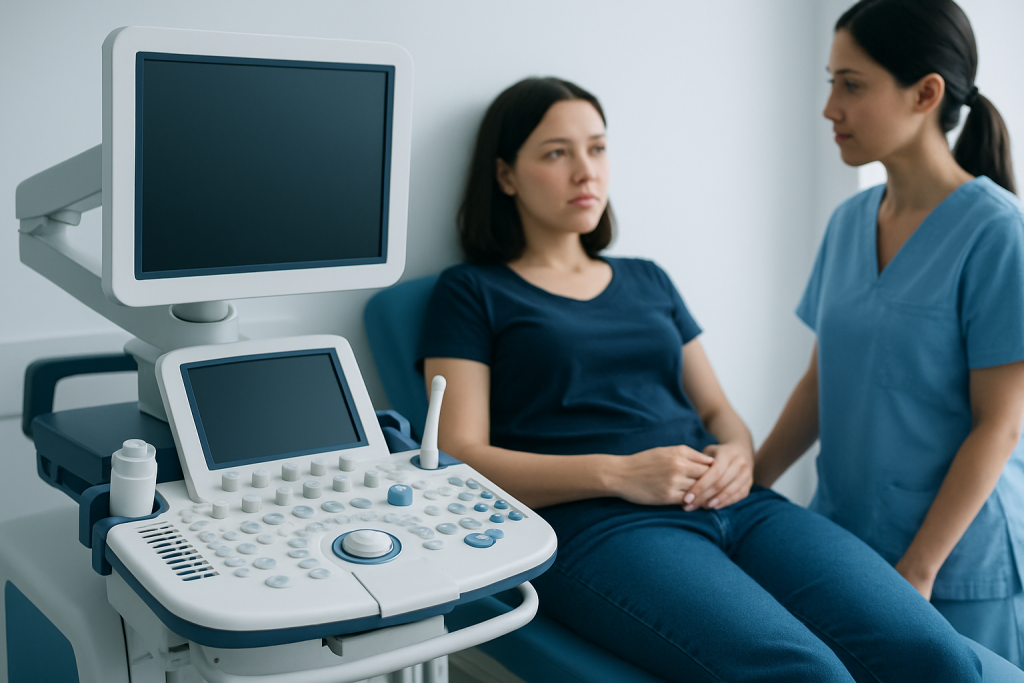
Brown menstrual blood may appear as a light brown smear, a darker rust-colored flow, or brown spotting mixed with red blood. Some people notice it only when wiping, while others see it on pads, tampons, or menstrual cups. The amount can range from a few spots to a flow that looks brown throughout the day.
By itself, brown blood is not a symptom of illness. The context matters more: whether it happens only at the end of a period, whether cycles are otherwise regular, and whether there are any other signs such as pelvic pain, fever, itching, a strong odor, or bleeding between periods. These accompanying symptoms can help distinguish a normal menstrual variation from something that needs evaluation.
Common patterns include:
- brown spotting before a period starts
- brown blood during the first day or two of menstruation
- brown discharge at the end of a period
- brown bleeding after a missed period or cycle change
Causes & Risk Factors

The most common reason for brown period blood is slow flow. When blood leaves the uterus more gradually, it has time to oxidize and darken. This is often harmless and can happen when the uterine lining is shedding in small amounts rather than all at once.
Hormonal shifts are another frequent reason. Puberty, perimenopause, stress, significant weight changes, intense exercise, and some forms of contraception can all influence timing and flow. Brown bleeding may also occur with spotting between periods, after starting or changing birth control, or after an especially light cycle.
Other possible causes include pregnancy-related bleeding, uterine fibroids, polyps, endometriosis, pelvic inflammatory disease, and certain sexually transmitted infections. These are not the most common explanations, but they become more relevant if the brown bleeding is new, recurring, painful, or accompanied by other symptoms.
Factors that can increase the chance of brown menstrual blood include:
- slower or lighter menstrual flow
- hormonal birth control or recent contraceptive changes
- stress, travel, illness, or sleep disruption
- perimenopause or other hormone transitions
- possible pregnancy
- history of fibroids, endometriosis, or infection
Diagnosis
Diagnosis begins with a conversation, because the pattern is often more informative than the color itself. A clinician may ask when the brown blood started, whether it appears only at the beginning or end of a period, how heavy the bleeding is, and whether there are changes in cycle length, pain, or odor. For someone seeking care from another country, bringing a short timeline or photos of menstrual products, when appropriate, can help the visit go more smoothly.
If the bleeding seems consistent with a normal menstrual pattern, a doctor may not need many tests. But if the pattern is new, persistent, or linked to possible pregnancy or infection, evaluation may include a pelvic exam, a pregnancy test, a cervical or vaginal swab, blood tests, or imaging such as pelvic ultrasound. These tests help check for structural causes, hormone-related changes, and signs of inflammation or infection.
The goal is not to chase every brown discharge episode with testing. Instead, the aim is to identify whether the pattern fits ordinary menstrual variation or deserves closer medical attention.
Treatment Options
Brown period blood itself usually does not need treatment. When it is part of a normal menstrual cycle, the main approach is observation and symptom tracking. If the brown blood is linked to a known cause, treatment focuses on that cause rather than the color change alone.
For hormonal causes, a clinician may discuss whether a different contraceptive method or an adjustment in the current method makes sense. If infection is suspected, treatment may involve medications targeted to the specific organism. Structural problems such as fibroids or polyps may be monitored, managed with medication, or treated with procedures depending on size, symptoms, and the person’s fertility goals.
If pregnancy is possible, prompt assessment is important because brown bleeding can sometimes occur in early pregnancy and should be interpreted carefully. In that setting, the appropriate next steps depend on symptoms, test results, and how far along the pregnancy may be.
Prevention & Self-care
Not every cause of brown menstrual blood can be prevented, but a few habits can make menstrual changes easier to understand. Tracking the first and last day of bleeding, the shade of the blood, pain level, and any trigger such as travel or stress can reveal patterns over time. This is especially useful when a person is receiving care from abroad and needs to explain symptoms clearly during a short appointment.
General self-care supports menstrual health and can make cycles more predictable for some people. Regular sleep, balanced nutrition, hydration, and stress management may reduce some hormone-related fluctuations. If a person uses birth control and notices a new pattern after starting, stopping, or changing methods, documenting the timing and discussing it with a clinician can be more helpful than guessing.
Helpful steps include:
- keep a menstrual calendar or tracking app
- note whether brown blood appears before, during, or after the period
- watch for changes in pain, odor, or bleeding amount
- seek medical advice before making contraceptive changes on your own
- stay alert to signs that the pattern is becoming new or persistent
When to See a Doctor
Brown period blood is often normal, but medical review is sensible if it becomes a repeated new pattern or if it comes with other symptoms. A doctor should evaluate brown bleeding that is heavy, lasts longer than expected, occurs between periods, or appears after sex. Fever, pelvic pain, dizziness, fainting, or a strong foul odor also deserve attention.
It is also important to contact a clinician if pregnancy is possible, if periods have stopped and brown bleeding begins, or if there is a history of fibroids, endometriosis, miscarriage, or pelvic infection. These situations do not automatically mean something serious is wrong, but they do call for a more careful assessment.
For patients planning care abroad, a gynecologist or women’s health team can help interpret the menstrual pattern in the context of contraception, fertility plans, and overall health. Acibadem Health Point’s multidisciplinary specialists and JCI-accredited hospitals can diagnose and treat this condition for international patients, with attention to coordinated follow-up and clear communication.
Frequently Asked Questions
Questions about brown period blood are common, and many are answered by looking at timing, flow, and associated symptoms rather than color alone. The following answers address some of the most frequent concerns people raise when they notice a change.
Frequently asked questions
Is brown period blood normal?
Often, yes. Brown blood commonly means the blood is older and has oxidized before leaving the body. It is frequently seen at the start or end of a period.
Does brown menstrual blood mean pregnancy?
Not necessarily, but pregnancy can sometimes cause brown spotting. If pregnancy is possible, a test and medical advice are sensible, especially if there is pain or bleeding that feels unusual.
Why is my period brown instead of red?
Blood that leaves the uterus more slowly can turn brown as it oxidizes. This can happen with lighter flow, the beginning or end of a period, or hormonal changes.
Can birth control cause brown bleeding?
Yes. Hormonal contraception and recent changes to birth control can lead to spotting or brown bleeding, especially early on. If the bleeding persists or is bothersome, a clinician can help review options.
When should brown discharge be checked by a doctor?
It should be checked if it is persistent, comes with a strong odor, causes pain, happens between periods, or could be related to pregnancy. A doctor should also evaluate any major change from a person’s usual cycle pattern.
Can stress cause brown period blood?
Stress can affect hormones and sometimes change timing or flow. This may lead to spotting or brown blood, particularly if the cycle becomes lighter or less predictable.
References
- American College of Obstetricians and Gynecologists
- NHS
- Mayo Clinic
- Cleveland Clinic
- World Health Organization
This article is for general information only and is not a substitute for professional medical advice. Please consult a qualified doctor about your individual situation.
More from the Health Library



Related Specialists

Prof. Dr. A. Taner Usta
Gynecology & Obstetrics
Prof. Dr. Ahmet Tayyar
Gynecology & Obstetrics
Prof. Dr. Ahmet Cem Batukan
Gynecology & Obstetrics
Dr. Sevgi Selen
Gynecology & Obstetrics