When Do Braxton Hicks Start

Key Takeaways
- Braxton Hicks contractions are usually irregular, brief, and less intense than labor contractions.
- They can start earlier in pregnancy, but they are often noticed more clearly in the second or third trimester.
- Hydration, rest, and changing position may help ease discomfort.
- Regular, painful, or progressively stronger contractions should be evaluated promptly.
- Knowing your own pattern helps when deciding whether it is false labor or the start of labor.
Contractions" class="ahp-ilk">Braxton Hicks contractions are common practice tightenings of the uterus that many pregnant people notice later in pregnancy, though they may begin earlier and go unnoticed. Understanding their pattern, triggers, and differences from true labor can make the experience feel much more manageable.
Overview
Pregnancy brings many unfamiliar sensations, and one of the most common is the tightening people describe as Braxton Hicks contractions. These are sometimes called practice contractions or false labor because they do not usually lead to birth on their own. For many pregnant people, they are first noticed in the second trimester or later, though some feel them earlier and may mistake them for gas, mild cramps, or the baby moving.
So, when do Braxton Hicks start? There is no single week that applies to everyone. The uterus can begin these contractions earlier in pregnancy, but they tend to become more noticeable as the uterus grows and the pregnancy progresses. Their appearance is usually part of normal pregnancy physiology rather than a sign that labor is beginning.
For someone traveling for prenatal care or considering delivery in another country, it can be reassuring to learn that Braxton Hicks are usually managed by observing the pattern, staying hydrated, and checking for warning signs rather than rushing to treatment. The key is not the presence of tightening alone, but whether it becomes regular, painful, or accompanied by other symptoms.
Symptoms
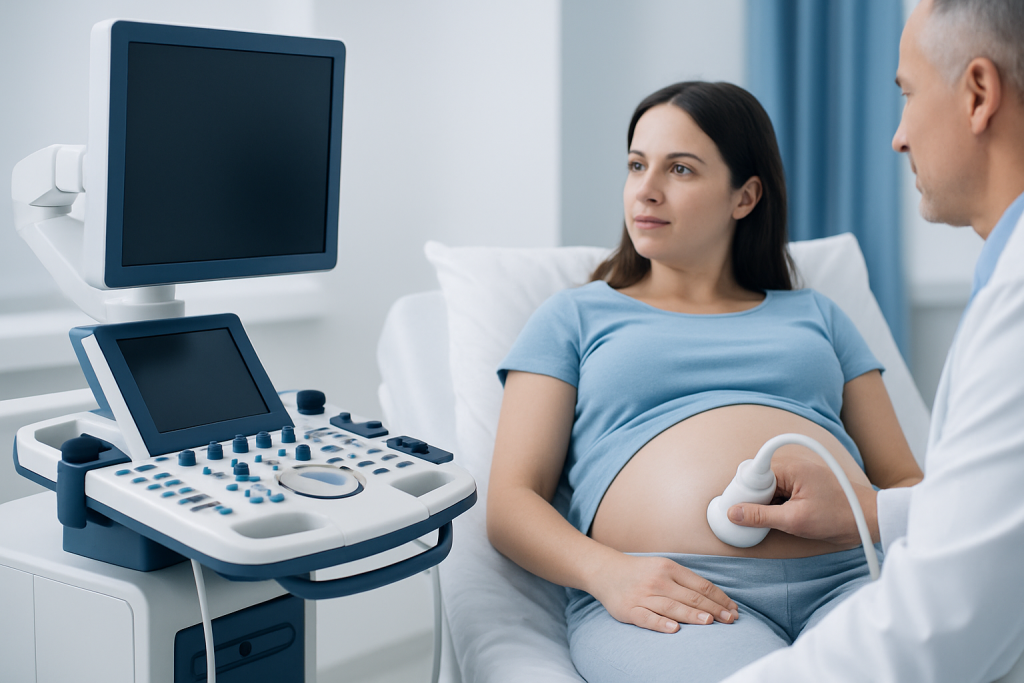
Braxton Hicks contractions are typically felt as a tightening across the abdomen. The belly may feel firm for a short time and then soften again. They often come and go unpredictably, and the discomfort is usually mild rather than intensifying over time.
Many people notice that these contractions are more obvious when they are active, have a full bladder, are dehydrated, or have had a long day on their feet. They may also appear after exercise or sexual activity. Unlike true labor contractions, Braxton Hicks usually do not create a steady rhythm or gradually shorten the time between contractions.
Common features include:
- Irregular timing
- Short duration
- Variable intensity
- Improvement with rest, hydration, or changing position
Some pregnant people barely notice them, while others find them more distracting. Both experiences can still fall within the normal range of pregnancy.
Causes & Risk Factors

The exact reason Braxton Hicks contractions occur is not fully understood, but they are believed to be the uterus’s way of preparing for labor. As the muscles of the uterus stretch and respond to pregnancy changes, brief tightenings can occur without triggering the coordinated pattern of true labor.
Several common triggers may make these contractions more noticeable. Dehydration, physical activity, a full bladder, stress, and changes in movement can all contribute. In later pregnancy, the uterus also becomes more sensitive, which may explain why the contractions are felt more often as the due date approaches.
People may notice Braxton Hicks more often if they are pregnant with multiples, have had previous pregnancies, or are especially attuned to body changes. Still, Braxton Hicks can happen in any healthy pregnancy and are not, by themselves, a sign that something is wrong.
Diagnosis
Braxton Hicks contractions are usually identified through the pregnancy history and the way the contractions behave over time. A clinician will often ask when the tightening started, how long it lasts, whether it changes with movement or hydration, and whether there are any other symptoms such as bleeding, fluid leakage, or back pain.
When the pattern seems unclear, the care team may examine the abdomen, check the cervix, monitor the baby’s heart rate, or use other assessments to help distinguish false labor from true labor. In many cases, especially in the later weeks of pregnancy, the distinction depends on whether the contractions become regular, stronger, and closer together.
For Myomectomy Recovery for International Patients: The Usual Travel Timeline" class="ahp-ilk">international patients, this evaluation may happen in a clinic, emergency department, or maternity unit depending on local practice. Carrying prenatal records, knowing the estimated due date, and describing symptoms clearly can make the visit smoother and more efficient.
Treatment Options
Braxton Hicks contractions usually do not require medical treatment. The most common approach is reassurance and simple measures that reduce discomfort. Resting, drinking water, emptying the bladder, and changing position often help the uterus relax.
If the contractions are brought on by activity, slowing down may be enough. Some pregnant people also find that a warm shower, a calm environment, or gentle breathing eases the sensation. The important point is that Braxton Hicks should not keep getting stronger and more regular; if they do, medical evaluation is needed.
When a doctor determines that the contractions are not labor, the focus stays on comfort and observation. If another issue is present, such as dehydration, urinary symptoms, or irritation of the uterus, treatment is directed at the underlying cause.
Prevention & Self-care
It is not always possible to prevent Braxton Hicks contractions, and in many pregnancies they are simply part of the body’s normal preparation. However, certain habits may reduce how often they are noticed. Staying well hydrated is one of the simplest and most useful steps.
Other helpful self-care measures include pacing physical activity, avoiding long periods without emptying the bladder, and noticing whether stress or overexertion seems to trigger tightening. Keeping a small symptom note on the phone can help identify patterns, especially when symptoms happen during travel or while staying away from home.
Practical self-care tips:
- Drink fluids regularly through the day
- Rest when the uterus feels tight or uncomfortable
- Change position if contractions begin during activity
- Pay attention to contraction timing and whether they become regular
- Follow the pregnancy care plan recommended by the obstetric team
People who are pregnant abroad may also want to keep key medical information accessible, such as the due date, prior ultrasound reports, and contact details for their maternity provider.
When to See a Doctor
Most Braxton Hicks contractions are harmless, but it is important to contact a doctor or maternity unit if the pattern changes. Contractions that become regular, stronger, closer together, or painful may signal true labor. Medical review is also important if there is vaginal bleeding, fluid leakage, decreased fetal movement, fever, or severe abdominal pain.
A pregnant person should not assume every tightening is normal if it appears earlier than expected or is accompanied by pelvic pressure, back pain, or menstrual-like cramping. The safest approach is to ask for guidance when the pattern feels different from the usual brief, irregular tightening.
If care is being arranged from another country, a maternity team can help decide whether the symptoms need urgent assessment or simple observation. Acibadem Health Point’s multidisciplinary specialists and JCI-accredited hospitals diagnose and treat pregnancy-related concerns for international patients in a coordinated setting when evaluation is needed.
Frequently asked questions
When do Braxton Hicks start in pregnancy?
Braxton Hicks contractions may begin as early as the second trimester, but many people notice them later, especially in the third trimester. Some feel them only occasionally, while others notice them more often as pregnancy advances.
What do Braxton Hicks contractions feel like?
They are usually felt as a tightening or hardening of the abdomen that comes and goes. They are often mild, irregular, and less painful than true labor contractions.
How can someone tell Braxton Hicks from labor?
Braxton Hicks usually stay irregular and do not keep getting stronger or closer together. Labor contractions tend to become more regular, more intense, and more frequent over time.
Do Braxton Hicks mean labor is near?
Not necessarily. They can happen weeks before labor begins and are often just a normal part of pregnancy preparation.
What helps Braxton Hicks go away?
Rest, drinking water, changing position, and emptying the bladder often reduce the contractions. If they do not ease or start becoming regular, medical advice is recommended.
When should a pregnant person call a doctor about contractions?
A doctor should be contacted if contractions become regular, painful, or closer together, or if there is bleeding, fluid leakage, decreased fetal movement, or severe discomfort. Any uncertainty about whether labor has started deserves prompt guidance.
References
- American College of Obstetricians and Gynecologists
- NHS
- Mayo Clinic
- World Health Organization
This article is for general information only and is not a substitute for professional medical advice. Please consult a qualified doctor about your individual situation.
More from the Health Library



Related Specialists

Prof. Dr. A. Taner Usta
Gynecology & Obstetrics
Prof. Dr. Ahmet Tayyar
Gynecology & Obstetrics
Prof. Dr. Ahmet Cem Batukan
Gynecology & Obstetrics
Dr. Sevgi Selen
Gynecology & Obstetrics