Costovertebral Angle

Key Takeaways
- The costovertebral angle is a back area near the kidneys, not a disease itself.
- Tenderness in this area can be associated with kidney infection, kidney stones, muscle strain, or other causes of flank pain.
- Doctors use symptoms, exam findings, urine tests, blood tests, and imaging to find the reason behind the discomfort.
- Treatment depends on the cause and may range from rest and hydration to antibiotics or procedures.
- Fever, urinary symptoms, severe pain, or nausea with flank tenderness deserve prompt medical evaluation.
The costovertebral angle is the area on the back where the ribs meet the spine, and tenderness there can be an important clue in several health conditions, especially those involving the kidneys. Understanding what pain or tenderness in this region may mean can help patients know when simple observation is reasonable and when medical assessment is needed.
Overview
The costovertebral angle, often shortened to CVA, is the angle formed where the lower ribs meet the spine on either side of the back. It is not a structure patients usually think about day to day, but it becomes medically important because the kidneys sit nearby and problems in that area can cause tenderness there.
When a clinician checks the costovertebral angle, they are often trying to see whether tapping or pressing in that region produces pain. This finding, called CVA tenderness, can suggest irritation around the kidneys or nearby tissues. It is one clue among many, not a diagnosis on its own.
For international patients, flank or back pain can be especially confusing when it starts while traveling, after long flights, or after a change in routine. A careful history and basic tests can often narrow down the cause quickly, helping guide the next safe step in care.
Symptoms
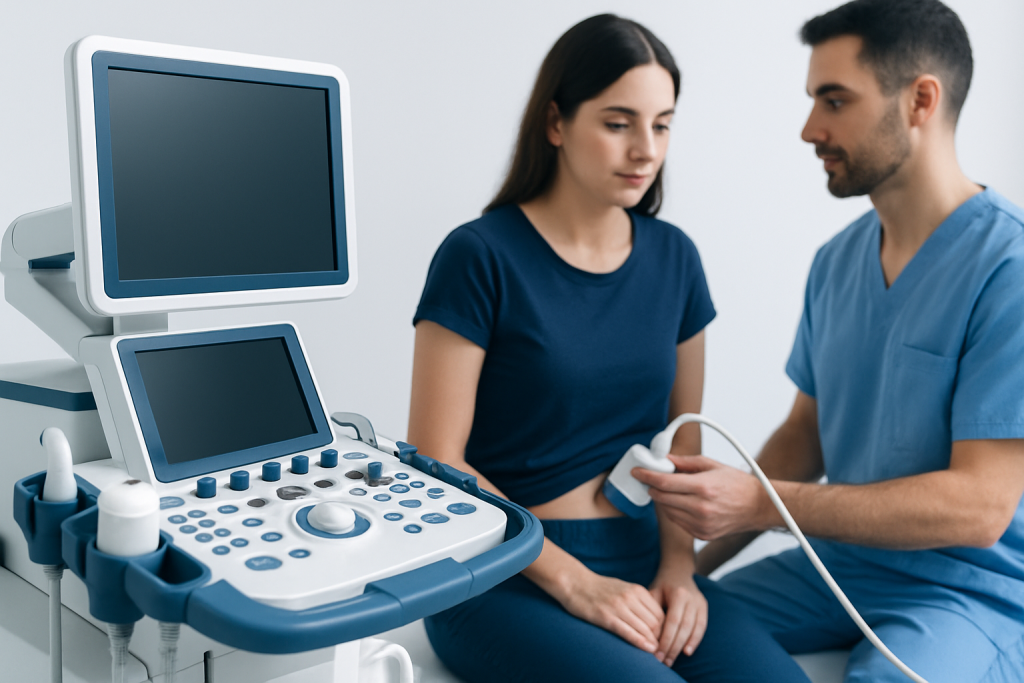
Costovertebral angle tenderness is usually noticed as discomfort on one or both sides of the back, just below the rib cage. Some people describe it as a deep ache, while others feel a sharper pain when the area is pressed or when they move in certain ways.
Because the CVA is close to the kidneys, the symptom pattern matters. Pain linked to urinary tract issues may come with burning during urination, frequent urges to pass urine, cloudy or foul-smelling urine, fever, chills, nausea, or blood in the urine. Kidney stones may cause severe, cramping pain that can move toward the groin.
Not all pain in this region comes from the kidneys. Muscle strain, rib irritation, spine problems, shingles, and other abdominal conditions can also cause pain near the costovertebral angle. That is why self-diagnosis is unreliable when the symptom is persistent, intense, or paired with other warning signs.
Causes & Risk Factors

The most common medical reason clinicians think about when CVA tenderness is present is a kidney or urinary tract problem. Kidney infection, also called pyelonephritis, is a classic cause, especially when fever and urinary symptoms are present. Kidney stones can also trigger flank pain, sometimes suddenly and severely.
Other possible causes include muscle strain from lifting, twisting, or prolonged sitting; injury to the back or ribs; inflammation of the spine or surrounding joints; and less commonly, conditions affecting nearby organs. In some cases, pain near the costovertebral angle may reflect referred pain from the abdomen or pelvis rather than a direct kidney issue.
Risk factors depend on the cause. A history of urinary infections, dehydration, pregnancy, urinary tract blockage, kidney stones, diabetes, or a weakened immune system can raise concern for kidney-related problems. Long periods of travel, limited fluid intake, or delayed medical attention may also make symptoms more noticeable or harder to ignore.
Diagnosis
Diagnosis begins with a conversation about when the pain started, where it is located, what makes it better or worse, and whether urinary or fever-related symptoms are present. A clinician will usually examine the back and abdomen and may check for CVA tenderness by gently tapping over the area.
Because the finding can point to several conditions, tests are often used to confirm the cause. Urinalysis may look for blood, white blood cells, bacteria, or crystals. Blood tests can help evaluate infection, kidney function, and inflammation. If a kidney stone, blockage, or another structural problem is suspected, imaging such as ultrasound or CT may be recommended.
For patients receiving care abroad, bringing a list of symptoms, recent medications, prior imaging, and past urinary infections can save time and help the medical team compare current findings with previous records. Clear communication is especially valuable when symptoms began during travel or after long-distance movement.
Treatment Options
Treatment depends on the cause rather than the location of the pain itself. If the problem is a kidney infection, antibiotics are commonly needed, along with fluids and symptom control. If a kidney stone is present, management may include pain relief, hydration guidance, and in some cases medication or a procedure to help the stone pass or remove it.
When the cause is musculoskeletal, rest, gentle movement, posture correction, and simple pain-relief strategies may help. More serious back or abdominal causes are treated according to the specific diagnosis. In all cases, the aim is to address the underlying issue rather than simply mask the discomfort.
Some patients need only outpatient treatment, while others require closer monitoring, especially if there is fever, vomiting, dehydration, or concern for kidney obstruction. A doctor will decide whether home care is appropriate or whether hospital assessment is safer, particularly when a patient is away from home and may need follow-up arranged before travel continues.
Prevention & Self-care
Prevention focuses on the likely underlying causes. Staying well hydrated can reduce the risk of some kidney stones and may support urinary health in general. Prompt treatment of urinary symptoms may also reduce the chance that an infection spreads to the kidneys.
For people prone to stones or recurrent infections, doctors may suggest individualized steps such as dietary changes, urine testing, or follow-up imaging. Good sleep, balanced activity, and attention to posture can also help if the pain turns out to be muscular rather than kidney-related.
At home, patients can observe whether pain is linked to movement, urination, or fever, and note any changes in urine color or frequency. This information is often useful at the first consultation, especially when care is being coordinated across countries or between multiple providers.
- Drink fluids regularly unless a doctor has advised otherwise.
- Do not ignore fever, chills, or painful urination.
- Avoid heavy lifting if the pain seems mechanical or muscular.
- Seek medical advice before using pain medicine if kidney disease is known or suspected.
When to See a Doctor
Medical evaluation is important when costovertebral angle pain is new, severe, persistent, or accompanied by urinary symptoms. Fever, chills, nausea, vomiting, blood in the urine, or difficulty passing urine are particularly important signs because they can indicate a kidney infection or obstruction.
Urgent care is also appropriate after an injury, when pain comes on suddenly and intensely, or when the patient has only one kidney, is pregnant, has known kidney disease, or has a suppressed immune system. Even if the cause turns out to be minor, these situations deserve a cautious approach.
When symptoms begin during international travel, it is reasonable to seek assessment sooner rather than later, because back or flank pain can worsen quickly if a kidney infection or stone is involved. Acibadem Health Point notes that its multidisciplinary specialists and JCI-accredited hospitals diagnose and treat conditions like this for international patients, with coordinated evaluation and follow-up when needed.
Living With the Symptoms and Recovering Well
Recovery time depends on what is causing the tenderness. A muscle strain may improve gradually with rest and movement modifications, while a kidney infection may feel better only after treatment is started and the body responds. Kidney stones can resolve quickly or take longer depending on size and location.
Follow-up matters because pain relief does not always mean the underlying issue is gone. Patients may need repeat testing, especially if symptoms recur or if kidney function was affected. When returning home after Varicose Vein Treatment Abroad: When Stockings Are Enough and When Procedures Help More" class="ahp-ilk">treatment abroad, keeping discharge notes, medication lists, and test results together makes handover to the local doctor much smoother.
Patients are generally best served by focusing on hydration, rest, and a timely review of any new or persistent symptoms. With the right evaluation, most causes of pain in the costovertebral angle can be identified and managed appropriately.
Frequently asked questions
What is the costovertebral angle?
The costovertebral angle is the area on the back where the lower ribs meet the spine, near the kidneys. It is a physical landmark doctors use during an exam when they are checking for possible kidney-related pain or tenderness.
Does CVA tenderness always mean a kidney infection?
No, it does not. While kidney infection is a common concern, muscle strain, kidney stones, and other conditions can also cause pain in that area. The full symptom picture and test results help determine the cause.
How do doctors check for CVA tenderness?
A clinician usually examines the back and may gently tap over the area where the kidneys sit. If this causes pain, it is noted as CVA tenderness and interpreted alongside other findings.
Can flank pain near the costovertebral angle be muscular?
Yes, it can. Pain that changes with movement, lifting, twisting, or posture often points more toward muscles or the spine than the kidneys, though a medical evaluation may still be needed if the pain is persistent or severe.
What tests are commonly done for pain in this area?
Urine tests are often the first step, and blood tests may follow to check for infection or kidney function issues. Imaging such as ultrasound or CT may be used if a stone, blockage, or another structural cause is suspected.
When should someone seek urgent care for CVA pain?
Urgent evaluation is wise if the pain comes with fever, vomiting, blood in the urine, trouble urinating, or sudden severe symptoms. Prompt care is also important after injury or when a person has known kidney disease or is pregnant.
References
- National Institute of Diabetes and Digestive and Kidney Diseases
- Mayo Clinic
- Merck Manual Professional Edition
- American Urological Association
- Cleveland Clinic
This article is for general information only and is not a substitute for professional medical advice. Please consult a qualified doctor about your individual situation.