Drinking Monster Energy Drinks

Key Takeaways
- Energy drinks can raise alertness temporarily, but they may also trigger side effects such as jitteriness, palpitations, and poor sleep.
- The effects of drinking Monster Energy Drinks vary widely depending on age, health conditions, other caffeine intake, and how quickly the drink is consumed.
- People with heart conditions, anxiety, high blood pressure, or sleep problems should be especially careful with stimulant drinks.
- Hydration, rest, and balanced meals are safer ways to support energy during the day.
- Seek medical advice if symptoms such as chest pain, fainting, severe palpitations, or vomiting occur after energy drink use.
Drinking Monster Energy Drinks may seem harmless for a quick boost, but the caffeine, sugar, and other stimulants can affect sleep, hydration, and the heart in some people. Understanding the possible risks can help people make safer choices and recognize when medical advice is needed.
Overview
Drinking Monster Energy Drinks is often framed as a fast way to stay productive, study longer, or recover from a short night of sleep. The effect usually comes from caffeine, sugar, and other added stimulants, which can make a person feel more awake for a limited time.
That temporary lift does not always come without trade-offs. For some people, energy drinks are tolerated well in small amounts; for others, even one can lead to a racing heart, shaky hands, stomach upset, or trouble sleeping later that night.
Because energy drinks are widely available and often consumed casually, it helps to think of them as stimulant beverages rather than ordinary soft drinks. That perspective makes it easier to use them more carefully, especially for people traveling, working long hours, or managing existing health concerns away from home.
Symptoms and Possible Short-Term Effects
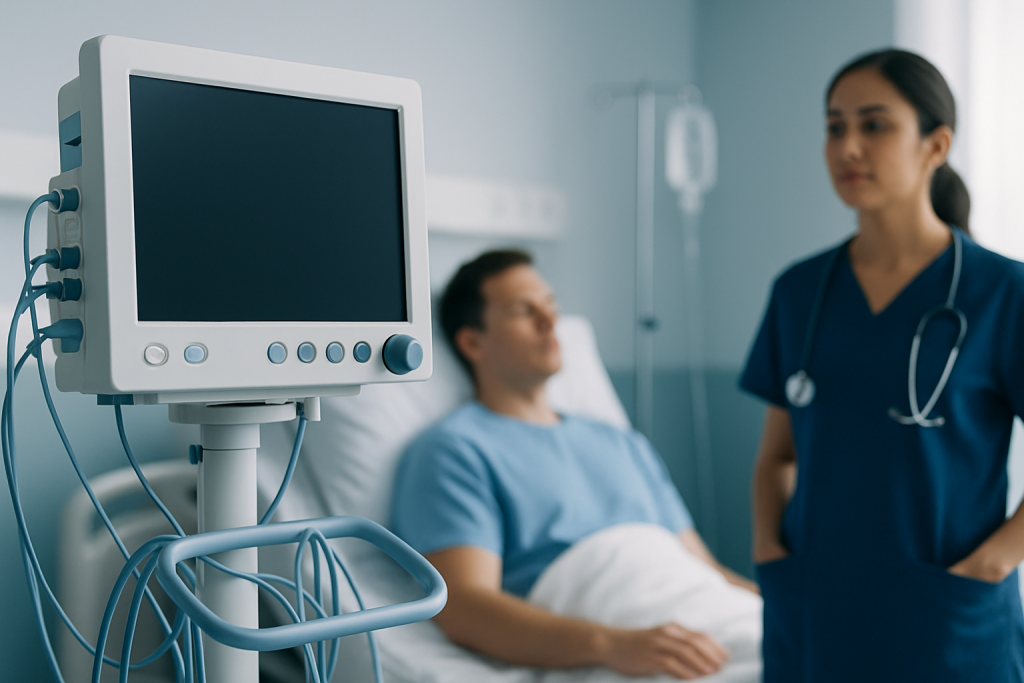
The most noticeable effect of drinking Monster Energy Drinks is usually increased alertness. Alongside that, some people notice symptoms that can be mild but uncomfortable, especially if they drink quickly or have more than one can in a short period.
Common short-term effects may include:
- Jitteriness or restlessness
- Fast heartbeat or palpitations
- Headache
- Stomach discomfort or nausea
- Anxiety or feeling “wired”
- Trouble falling asleep
In some people, these symptoms are more than just unpleasant. A person who already feels dehydrated, stressed, or sleep-deprived may notice that the drink intensifies those sensations rather than improving energy in a lasting way.
Sleep disruption is one of the most common follow-on effects. Even when a person falls asleep later, the quality of sleep may be lighter or more fragmented, which can create a cycle of fatigue and repeated energy drink use.
Causes & Risk Factors
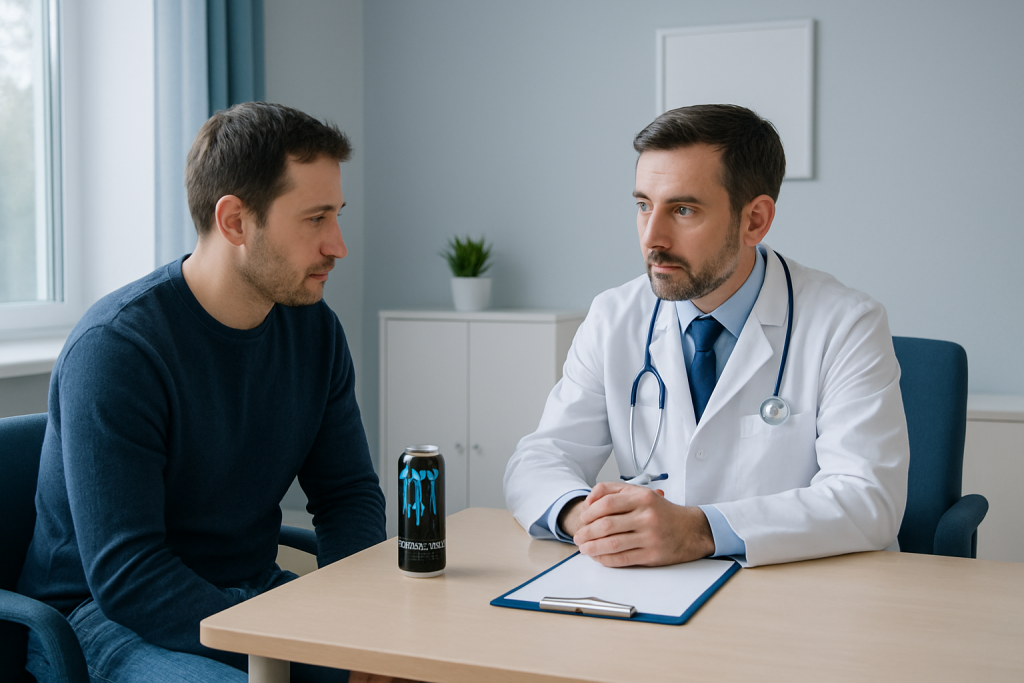
Energy drinks work because they deliver stimulants, most notably caffeine. Caffeine blocks signals in the brain that promote sleepiness, which can improve alertness for a while, but it can also overstimulate the nervous system.
Several factors can make drinking Monster Energy Drinks more likely to cause side effects:
- Having heart rhythm problems, high blood pressure, or chest pain history
- Living with anxiety, panic symptoms, or insomnia
- Combining energy drinks with alcohol, nicotine, or pre-workout products
- Drinking them on an empty stomach
- Using multiple caffeinated beverages in the same day
- Being a teenager, pregnant, or sensitive to caffeine
The risk is not only about the drink itself, but also the context in which it is used. A long flight, unfamiliar time zone, missed meals, and dehydration can all make stimulant effects feel stronger and less predictable.
People who regularly rely on energy drinks to “push through” fatigue should also consider whether an underlying issue is present, such as poor sleep, anemia, thyroid disease, depression, or another medical cause that deserves attention.
Diagnosis
There is no special test for “energy drink intolerance.” Diagnosis usually begins with a clinician listening carefully to the person’s symptoms, timing, and recent caffeine intake. Details such as how many drinks were consumed, whether other stimulants were used, and when the symptoms began can be very helpful.
If the main concern is palpitations, chest discomfort, fainting, severe anxiety, or vomiting, a doctor may check pulse, blood pressure, and heart rhythm. Depending on the situation, additional tests may be used to look for dehydration, electrolyte imbalance, blood sugar issues, or another problem that could be contributing to the symptoms.
For international patients, this evaluation may happen soon after travel, when sleep disruption and unfamiliar routines can blur the picture. In that setting, a careful history matters because the symptoms may reflect more than the energy drink alone.
Treatment Options
Most mild symptoms after drinking Monster Energy Drinks improve with rest, fluids, and time. Stopping the stimulant exposure is the first step, and the body often settles once the caffeine wears off.
When symptoms are more noticeable, treatment is guided by the problem being treated rather than the drink name itself. A clinician may recommend hydration, observation, anti-nausea measures, or evaluation for abnormal heart rhythm if palpitations are significant. If there is an underlying health condition such as anxiety or insomnia, that condition may need its own treatment plan.
It is important not to combine energy drinks with alcohol in the hope of “balancing” the effects. That can make it harder to judge intoxication, increase risky behavior, and place extra stress on the heart and nervous system.
People who have repeated symptoms after energy drink use may be advised to stop using them entirely or switch to lower-stimulant options. For travelers or busy professionals, a clinician can also help create a safer plan for managing fatigue that does not depend on repeated stimulant use.
Prevention & Self-care
The safest approach is to treat energy drinks as occasional stimulants rather than routine fuel. Reading the label, understanding total caffeine intake, and paying attention to how the body responds can prevent many common problems.
Practical self-care steps include:
- Limit total caffeine from all sources in the same day
- Avoid energy drinks late in the day if sleep is important
- Do not mix them with alcohol or stimulant supplements
- Eat regular meals and drink enough water
- Choose rest, movement, or a short break when fatigue is the real issue
People traveling across time zones often reach for energy drinks to cope with jet lag, but sleep timing, hydration, and daylight exposure are usually more helpful in the long run. A paced return to normal sleep is generally gentler on the body than repeated stimulant use.
Anyone who notices a pattern of dependence on energy drinks to function should view that as a useful signal, not a failure. It may indicate that work demands, stress, sleep habits, or an underlying medical issue need attention.
When to See a Doctor
Medical advice is appropriate if symptoms are intense, unusual, or keep coming back after energy drink use. A clinician can help determine whether the issue is simple stimulant sensitivity or something that needs further evaluation.
Seek prompt medical care if drinking Monster Energy Drinks is followed by chest pain, fainting, severe shortness of breath, persistent vomiting, confusion, or a very rapid or irregular heartbeat. These symptoms should not be brushed off as “just caffeine.”
It is also wise to speak with a doctor before using energy drinks regularly if there is a history of heart disease, high blood pressure, panic attacks, insomnia, or pregnancy. For international patients, a coordinated assessment can be especially reassuring when symptoms arise during travel or while adjusting to a new schedule.
Acibadem Health Point’s multidisciplinary specialists and JCI-accredited hospitals can diagnose and treat concerns related to energy drink use for international patients, with care tailored to each person’s symptoms and medical background.
Practical Perspective for Everyday Life
Drinking Monster Energy Drinks is not automatically dangerous for every adult, but it is not a neutral habit either. The key question is not only how much is consumed, but how the body responds and whether the drink is masking a larger problem such as sleep loss or stress.
When energy drinks are used occasionally and with awareness, some people experience little more than a temporary boost. When they become a daily strategy, the short-term lift can give way to poorer sleep, more anxiety, and more dependence on stimulants to get through the day.
A simple rule helps: if an energy drink is needed to function most days, it is worth stepping back and looking at the bigger picture. That may lead to better sleep habits, a different work rhythm, or a medical checkup that uncovers an addressable cause of fatigue.
References
Authoritative sources that inform this topic include the U.S. Food and Drug Administration, MedlinePlus, the National Institutes of Health Office of Dietary Supplements, the World Health Organization, and the American Heart Association. These organizations provide general guidance on caffeine, stimulant safety, and symptom awareness.
Because individual responses vary, readers should use this information as education rather than as a substitute for personal medical advice. A qualified clinician can help interpret symptoms in the context of the person’s age, medications, travel schedule, and health history.
Frequently asked questions
Is drinking Monster Energy Drinks every day safe?
Daily use is not ideal for everyone, especially if it affects sleep, anxiety, blood pressure, or heart rate. Some adults tolerate occasional use, but regular reliance can hide fatigue from another cause. A doctor can help decide whether a person’s pattern is reasonable or too much for their health profile.
Can one energy drink cause heart palpitations?
Yes, in some people one can be enough to trigger palpitations or a racing feeling. This is more likely if the person is sensitive to caffeine, dehydrated, anxious, or has an underlying heart condition. Recurrent palpitations should be discussed with a clinician.
Why do energy drinks make it harder to sleep?
Caffeine reduces the feeling of sleepiness and can remain active in the body for hours. Even if a person feels tired later, the drink may still interfere with falling asleep or staying asleep. Poor sleep can then lead to more fatigue the next day.
Are sugar-free energy drinks safer?
They may contain less sugar, but they can still contain caffeine and other stimulants that cause side effects. Sugar-free versions are not automatically gentle on the heart or nervous system. The overall stimulant load still matters.
What should someone do after feeling unwell from an energy drink?
Stop taking more caffeine, drink water, and rest. If symptoms are mild, they often improve as the stimulant wears off. Chest pain, fainting, severe shortness of breath, or a very irregular heartbeat should be assessed promptly by a doctor.
Who should be most careful with energy drinks?
People with heart disease, high blood pressure, anxiety, insomnia, pregnancy, or sensitivity to caffeine should be especially cautious. Teenagers and those using other stimulants or pre-workout products also need extra care. A personalized medical opinion is the safest way to decide what is appropriate.
References
- U.S. Food and Drug Administration
- MedlinePlus
- National Institutes of Health Office of Dietary Supplements
- World Health Organization
- American Heart Association
This article is for general information only and is not a substitute for professional medical advice. Please consult a qualified doctor about your individual situation.