Difference Between Indica And Sativa

Key Takeaways
- Indica and sativa are traditional cannabis categories, but modern science shows the effect of a product depends on more than the label.
- Cannabinoids such as THC and CBD, plus terpenes and dose, can influence how cannabis feels in the body.
- Some people report that indica feels more relaxing and sativa more energizing, but experiences vary widely from person to person.
- A product’s form, potency, and route of use can affect onset, intensity, and duration of effects.
- People with medical conditions, pregnancy, or mental health concerns should seek medical advice before using cannabis.
Indica and sativa are common cannabis labels, but they do not always predict a product’s effects as reliably as many people expect. Understanding how cannabis is classified, what influences its effects, and when to speak with a clinician can help patients make safer, more informed choices.
Overview
The words indica and sativa are often used as shorthand for different cannabis experiences, especially in dispensaries, online menus, and casual conversation. Many people expect indica to be calming and sativa to be uplifting, yet the real picture is more nuanced than a simple two-category rule.
Botanically, these names originally described different plant types and growth patterns. In everyday use, however, they have become product labels that suggest certain effects. For patients trying to understand cannabis for symptom relief, the more useful question is often not “indica or sativa?” but “what is in this product, how potent is it, and how might my body respond?”
This matters especially for people traveling for care or comparing options across countries, where naming conventions, product testing, and medical-cannabis regulations may differ. A clear understanding of the terms can make conversations with clinicians more productive and help patients ask the right safety questions before using any cannabis product.
Symptoms and Effects People Commonly Notice
People often describe indica-labeled products as relaxing, body-heavy, or better suited to evening use. By contrast, sativa-labeled products are often described as more energizing, thought-provoking, or better for daytime use. These are common experiences, but they are not guaranteed, and they do not apply to everyone.
Effects can also depend on the setting, the amount used, and the person’s tolerance. One individual may feel calm and sleepy, while another may feel anxious or restless from the same product. This is one reason cannabis effects are hard to predict from strain names alone.
Potential short-term effects may include:
- Changes in mood or alertness
- Dry mouth or red eyes
- Altered time perception
- Increased appetite
- Sleepiness or, in some cases, restlessness
- Impaired attention, coordination, or reaction time
When symptoms are unwanted, they usually relate more to potency, dose, and personal sensitivity than to the indica or sativa label itself.
Causes & Risk Factors: Why the Labels Do Not Tell the Full Story
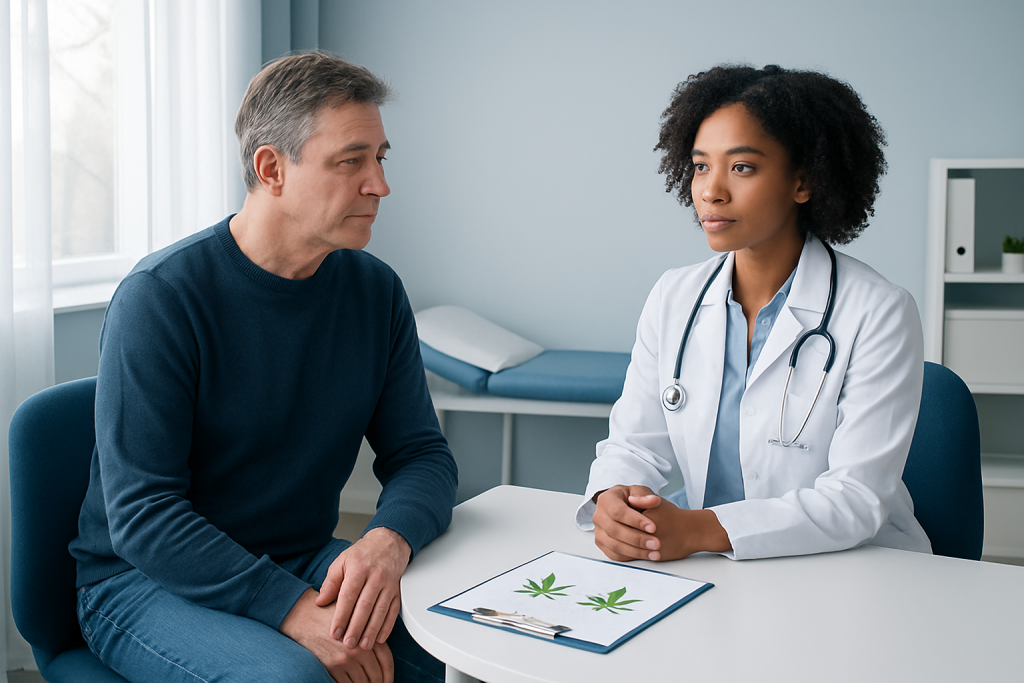
The difference between indica and sativa is often taught as though it predicts the effect of a cannabis product. In reality, modern cannabis products are shaped by many factors, including their chemical profile, how they were grown, and how they are consumed. Two products with the same label may feel very different.
Several elements can influence the experience:
- THC content: THC is the main psychoactive compound and can strongly affect intensity.
- CBD content: CBD is non-intoxicating and may alter how a product feels for some users.
- Terpenes: These aromatic compounds may contribute to scent and subjective effects, though their role is still being studied.
- Route of use: Smoking, vaping, edibles, tinctures, and oils can each produce different onset times and durations.
- Individual sensitivity: Body size, prior cannabis exposure, medications, sleep, stress, and mental health can all play a part.
There are also practical risks. People with a history of anxiety, psychosis, heart disease, or substance-use concerns may be more vulnerable to negative effects. Pregnant and breastfeeding individuals are generally advised to avoid cannabis unless specifically directed by a qualified clinician.
Diagnosis and Product Assessment
There is no medical test that determines whether a cannabis product is truly “indica” or “sativa” in a way that reliably predicts how it will affect a person. Clinicians instead assess the person’s symptoms, goals, health history, and any possible risks before discussing whether cannabis is appropriate.
For patients considering medical cannabis, a careful review usually includes the condition being treated, current medications, previous experiences with cannabis, and the legal status of cannabis in the person’s location. This is particularly important for international patients, because medical guidance, labeling rules, and product quality checks may vary from one country to another.
When evaluating a product, it is often more helpful to look at the full label than the strain name alone. A clinician or pharmacist may consider cannabinoid percentages, whether the product has been independently tested, and whether the delivery method matches the intended goal, such as symptom control at night or daytime use with minimal sedation.
Treatment Options and Safer Ways to Use Cannabis
When cannabis is used in a medical context, the aim is usually symptom management rather than choosing an indica or sativa product by reputation. The best option depends on the condition, the patient’s history, and the clinician’s recommendations. For some people, non-cannabis treatments remain the safer and more effective first choice.
If cannabis is considered, clinicians may discuss starting with products that have clearer labeling and more predictable composition. They may also recommend lower-potency options, careful timing, and close monitoring of effects, especially for people who are new to cannabis or sensitive to THC.
Common forms include:
- Inhaled products: Faster onset, shorter duration, but may irritate the lungs
- Edibles: Slower onset and longer duration, with a higher risk of taking too much too quickly
- Oils or tinctures: Flexible use, depending on formulation and instructions
- Topicals: Usually used for localized symptoms and less likely to cause intoxication
Because cannabis can interact with some medicines and affect alertness, driving and other safety-sensitive activities should be avoided until the person understands how a product affects them.
Prevention & Self-care: Making the Experience More Predictable
People who choose to use cannabis may lower the chance of unpleasant effects by focusing on consistency rather than strain mythology. That means reading labels closely, avoiding products with unclear potency, and being cautious with edibles, which can take longer to show their effects.
Simple self-care steps can make the experience safer and easier to judge:
- Use only in a legal, regulated setting when possible
- Start with the lowest reasonable amount and wait before taking more
- Avoid mixing cannabis with alcohol or sedating medicines unless a clinician has advised it
- Choose a comfortable environment, especially if trying a product for the first time
- Keep a personal record of product type, amount, timing, and effects
For patients using cannabis to manage pain, sleep problems, nausea, or anxiety, it helps to track whether the product actually improves the target symptom. If the effect is unclear, the strain label may not be the issue; the product composition or the underlying condition may need reassessment.
When to See a Doctor
Medical advice is worthwhile before using cannabis if a person has a chronic health condition, takes prescription medicines, is pregnant or breastfeeding, or has a history of panic attacks, psychosis, or cardiovascular disease. A qualified doctor can help judge whether cannabis is appropriate and how to reduce risk.
Prompt medical review is also sensible if cannabis causes chest discomfort, severe anxiety, confusion, fainting, repeated vomiting, or ongoing problems with memory, mood, or functioning. These symptoms are not typical and should not be ignored.
For international patients seeking a second opinion or coordinated evaluation, a specialist team can help review symptoms, current treatments, and safe options in a structured way. At Acibadem Health Point, multidisciplinary specialists and JCI-accredited hospitals diagnose and treat a wide range of conditions for international patients, with care plans tailored to individual needs and follow-up requirements.
A Practical Way to Think About Indica and Sativa
The most accurate takeaway is that indica and sativa are starting points, not guarantees. They can be useful as informal labels, but they do not replace a closer look at the product’s chemistry, the delivery method, and the person using it.
For patients, this shift in perspective can be reassuring. Instead of trying to memorize which strain is supposed to do what, it is often more helpful to ask: What symptom is being targeted? How strong is the product? How long will it last? What risks should be considered with existing health conditions or medicines?
That approach gives patients and clinicians a better chance of choosing something appropriate, whether the goal is better sleep, symptom relief, or a more predictable daytime experience.
Frequently asked questions
Is indica always relaxing and sativa always energizing?
Not always. Many people describe those general patterns, but the actual effect depends on THC and CBD levels, terpenes, dose, and the person’s own sensitivity. Two products with the same label can feel quite different.
Why do dispensaries still use indica and sativa labels?
They remain familiar shorthand for consumers and staff. Even so, the labels are an incomplete way to predict how a product will behave in the body, which is why full product information is more useful.
Are indica and sativa different species?
The terms are often used as though they describe clearly separate groups, but modern cannabis classification is more complicated. In practical terms, the chemical profile of the product matters more than the traditional category name.
Can medical cannabis help with symptoms like pain or sleep problems?
Some patients report symptom relief, but results vary and cannabis is not the best option for everyone. A doctor can help decide whether it fits a person’s condition, medications, and safety needs.
What should someone look at instead of the strain name?
It is often better to review THC and CBD content, testing quality, and the form of the product, such as edible, oil, or inhaled cannabis. Those details usually provide a better clue to the likely experience than the indica or sativa label.
When should a person avoid using cannabis without medical advice?
Medical guidance is especially important for pregnancy, breastfeeding, heart disease, mental health conditions, and when taking medicines that may interact with cannabis. If there is any uncertainty, a clinician should review the situation first.
References
- National Institute on Drug Abuse
- U.S. Food and Drug Administration
- World Health Organization
- Centers for Disease Control and Prevention
- National Academies of Sciences, Engineering, and Medicine
This article is for general information only and is not a substitute for professional medical advice. Please consult a qualified doctor about your individual situation.