Is Creatine Good For You

Key Takeaways
- Creatine helps muscles store more usable energy for brief, intense activity.
- It may support strength, power, and training performance when paired with exercise.
- Most healthy adults tolerate creatine well, but hydration, kidney health, and overall medical history matter.
- A supplement is only one part of the picture; training, food intake, sleep, and recovery remain essential.
- People with kidney disease, those who are pregnant, and anyone taking certain medicines should ask a doctor before starting creatine.
Creatine is a well-studied supplement used by many people who want to support short bursts of strength, power, or recovery in exercise. For most healthy adults, it is generally considered safe when used appropriately, but it is not the right choice for everyone.
Overview
Creatine is one of the most discussed supplements in sports and fitness, but the question behind the label is simple: can it actually help, and is it safe? In the body, creatine is a naturally occurring compound that helps muscles generate quick energy during short, demanding efforts such as lifting, sprinting, or repeated bursts of activity.
That is why creatine is often considered by athletes, gym users, and people who are trying to preserve muscle during structured training. It is not a stimulant, and it does not replace balanced meals, enough protein, sleep, or a sensible exercise plan. Instead, it is best understood as a performance aid that may be useful in the right setting.
For many healthy adults, creatine is generally well tolerated when taken as directed. Still, “good for you” depends on the person’s goals, health history, and expectations. Someone seeking better training output may see a different benefit profile than someone hoping for weight loss, brain health, or general wellness without exercise.
How Creatine Works
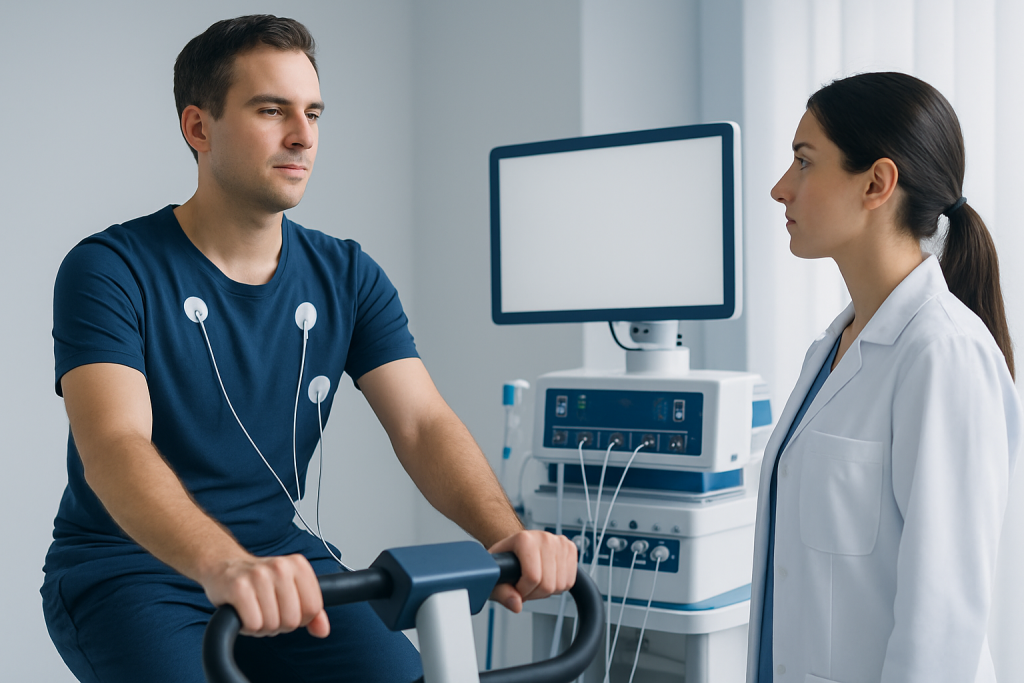
Creatine is stored mostly in skeletal muscle, where it supports the body’s rapid-energy system. During short, intense activity, muscles rely on a molecule called phosphocreatine to help regenerate adenosine triphosphate, or ATP, which is the main energy currency of cells.
When muscle creatine stores are higher, the body may be able to repeat hard efforts with less drop-off in performance. In practical terms, that may mean one more rep, a little more sprint capacity, or slightly better recovery between sets. These effects are most noticeable in activities that involve repeated bursts rather than long-distance endurance.
Creatine does not work like caffeine or pre-workout stimulants. Its benefits are usually subtle at first and tend to build with consistent use, especially alongside resistance training. That is why it is often discussed as part of a long-term training routine rather than a quick fix.
Potential Benefits

The most established benefit of creatine is support for exercise performance, particularly in strength and power-based activities. Many people use it as part of resistance training to help improve training volume, which can contribute over time to muscle gains when the rest of the program is well designed.
Some adults also use creatine during periods of reduced activity or rehabilitation to help maintain muscle mass, though this should always be discussed with a clinician or physiotherapist when injury or medical conditions are involved. In older adults, creatine is sometimes considered as part of strategies to support muscle function when combined with exercise.
Researchers continue to study other possible roles for creatine, including effects on recovery and certain aspects of brain health. Those areas are still being explored, so it is wise to keep expectations realistic. The clearest and most reliable benefit remains its role in short-duration, high-intensity physical performance.
- May improve repeated sprint and lifting performance
- May support training volume and strength gains
- May help some people maintain muscle during periods of reduced activity
- May be useful when paired with a structured exercise program
Who May Consider It, and Who Should Be Cautious
Healthy adults who train regularly are the group most likely to consider creatine. It may be especially relevant for people focused on resistance training, sprint sports, team sports, or other activities that depend on repeated bursts of power. Even then, its value depends on the person’s goals and the quality of the overall training plan.
Creatine is not automatically a good idea for everyone. People with Kidney Disease Treatment" class="ahp-ilk">kidney disease, a history of kidney problems, or unexplained changes in kidney function should speak with a doctor before using it. The same is true for anyone who is pregnant, breastfeeding, under 18, or taking medicines that can affect the kidneys or fluid balance.
Caution is also sensible for people who are traveling for medical care or managing a health issue abroad. Before starting any supplement during a treatment journey, it helps to confirm whether it fits the person’s medications, planned procedures, hydration needs, and follow-up schedule with the treating team.
Possible Side Effects and Safety Considerations
For most healthy adults, creatine is considered safe when used appropriately, but mild side effects can occur. Some people notice stomach discomfort, bloating, or a feeling of fullness, especially if they take a large amount at once or do not tolerate the formulation well.
Weight gain can also happen, often because creatine draws water into muscle cells. This is not the same as fat gain, but it can matter to people who are closely watching body weight for sport or personal reasons. Drinking enough fluids and choosing a sensible dosing approach can help reduce discomfort for some users.
Creatine is not a substitute for medical assessment if there are symptoms such as swelling, reduced urine output, muscle weakness, or ongoing fatigue. Those concerns deserve proper evaluation rather than assuming they are supplement-related.
How It Is Commonly Used
People often choose between two broad approaches: a gradual daily intake or a short-term loading approach followed by maintenance. The most appropriate method depends on the product, personal tolerance, and a doctor’s or dietitian’s advice. There is no single required routine for everyone.
Creatine monohydrate is the form most often studied and widely used. It is generally viewed as the standard option because it has the strongest evidence base. Mixing it with water or a meal may improve comfort for some people.
It is also important to remember that supplements are not tightly regulated in the same way as medicines in every market. Quality can vary, so people should choose reputable brands and avoid products that make exaggerated promises about muscle gain, fat loss, or recovery.
- Use the product exactly as directed on the label or by a clinician
- Take note of how the body responds over the first few weeks
- Keep exercise, food intake, and hydration consistent
- Stop and seek advice if unexpected symptoms appear
Prevention & Self-care
The most reliable way to decide whether creatine is worth using is to start with the person’s real goal. If the aim is better strength or repeated high-intensity performance, creatine may be reasonable to discuss. If the goal is general wellness without exercise, the benefit is less certain and lifestyle basics often matter more.
Good self-care also means paying attention to the bigger picture: enough protein, regular meals, sleep, and a training plan that progresses gradually. Creatine tends to fit best into an already sensible routine rather than trying to rescue one that is inconsistent or overly demanding.
People who are planning treatment, surgery, or international travel for medical care should review all supplements with their doctor in advance. If there is any uncertainty about kidney health, hydration, medication interactions, or whether a supplement should be paused, a clinician can help make that decision safely. At Acibadem Health Point, multidisciplinary specialists and JCI-accredited hospitals support international patients who need evaluation and treatment decisions that take supplements and overall health into account.
When to See a Doctor
A doctor’s advice is important before starting creatine if the person has kidney disease, diabetes with kidney concerns, high blood pressure that is difficult to control, or any chronic illness that affects fluid balance. Medical review is also sensible if they take prescription medicines and are unsure about interactions.
It is also wise to seek medical guidance if creatine seems to cause ongoing stomach symptoms, swelling, cramps, unusual fatigue, or changes in urine habits. Those symptoms may have a cause that deserves proper assessment, even if they happen after starting a supplement.
Anyone who is traveling internationally for care should bring a complete list of medicines and supplements to the consultation. That helps the care team understand the full picture and tailor advice to the person’s diagnosis, treatment plan, and recovery needs.
Frequently asked questions
Is creatine good for you if you do not work out much?
Creatine is most useful when it is paired with exercise, especially strength or high-intensity training. If someone is not active, the benefit is usually much smaller. In that case, a doctor or dietitian may suggest focusing first on food, sleep, and a simple activity plan.
Does creatine cause kidney damage in healthy people?
In healthy adults, creatine has generally been found to be well tolerated when used appropriately. However, people with kidney disease or kidney-related risk factors should speak with a doctor before using it. Any new supplement should be reviewed if there is a personal history of kidney problems.
Will creatine make a person gain weight?
It can lead to a small increase in body weight for some people because it increases water content inside muscle cells. That is not the same as gaining body fat. The effect varies from person to person.
What is the best type of creatine?
Creatine monohydrate is the form most often studied and commonly recommended. It has the strongest evidence base and is usually the first option discussed by clinicians and sports dietitians. Brand quality still matters, so a reputable product is important.
Can creatine be taken long term?
Many healthy adults use creatine for extended periods, but long-term use should still be reviewed in the context of the person’s health status and goals. If there are kidney concerns, new medications, or new symptoms, a doctor should reassess its use. Periodic check-ins are a sensible habit.
Should creatine be stopped before surgery or medical treatment?
That depends on the procedure, the medicines involved, and the treating team’s instructions. It is best to tell the doctor about all supplements well in advance, especially before surgery or during complex treatment. The care team can decide whether to continue or pause it.
References
- National Institutes of Health Office of Dietary Supplements
- Mayo Clinic
- Cleveland Clinic
- International Society of Sports Nutrition
This article is for general information only and is not a substitute for professional medical advice. Please consult a qualified doctor about your individual situation.