

Knee Replacement Recovery Abroad: The First Month, Step by Step

Key Takeaways
- The first month after knee replacement is usually focused on swelling control, safe walking, wound care, and gradual motion.
- Recovery timelines vary, but small daily gains in pain control, bending, and endurance are more important than dramatic milestones.
- International patients benefit from planning follow-up appointments, medications, transport, and home support before leaving for treatment.
- Warning signs such as worsening redness, fever, calf swelling, chest symptoms, or sudden loss of movement need prompt medical review.
- Long-term knee function is built through steady rehabilitation, not by pushing through severe pain or skipping exercises.
Medically reviewed by the Acıbadem clinical team — June 13, 2026
Recovering from knee replacement abroad involves more than the hospital stay: the first month is a carefully paced return to walking, bending, resting, and building confidence again. With clear planning, regular follow-up, and realistic expectations, most patients can navigate this period safely even while away from home.
Overview
The first month after knee replacement can feel very structured: short walks, scheduled exercises, wound checks, rest periods, and repeated questions about what is normal. For patients recovering abroad, that structure is especially important because the hospital team, physiotherapist, and travel plans all need to work together before the journey home.
In this stage, the goal is not to “get back to normal” all at once. The aim is to protect the new joint, reduce swelling, restore safe movement, and help the patient become steadily more independent. Many people are surprised to learn that progress often comes in small, repeatable steps rather than big leaps.
It also helps to think of this month as a bridge between surgery and everyday life. The knee is healing inside and out, the muscles around it are waking up after a period of limited use, and confidence in standing, bending, and walking has to be rebuilt in a calm, measured way.
Symptoms During the First Month
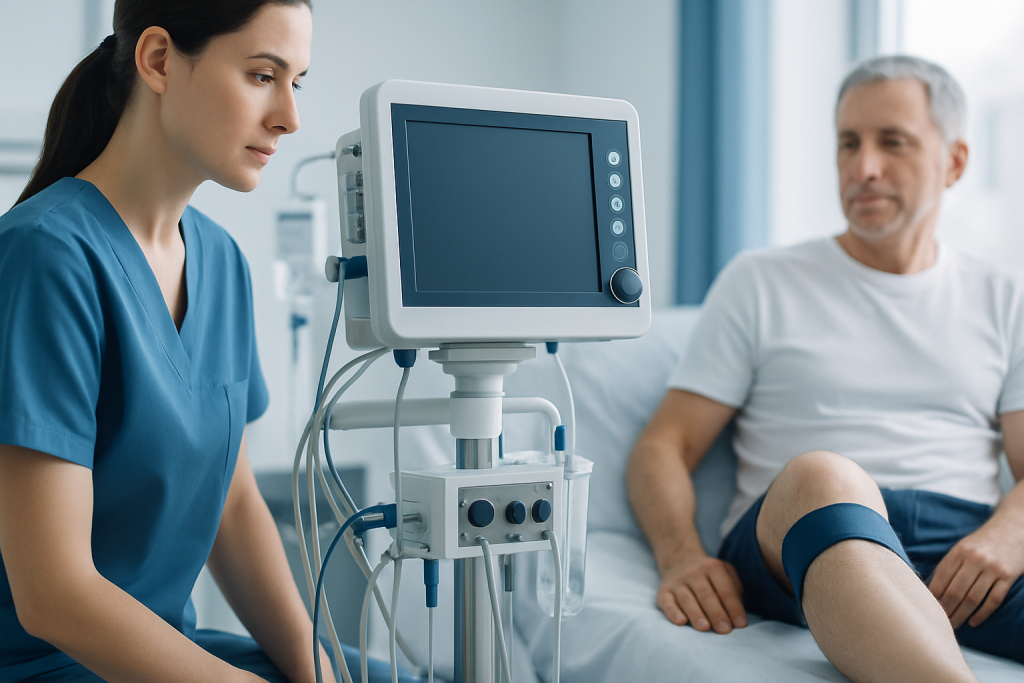
Some discomfort is expected after knee replacement, especially in the first one to two weeks. The knee may feel stiff, warm, swollen, or heavy, and pain often increases after exercise or longer periods upright. These sensations usually improve gradually as the body adapts and the patient becomes more active.
Swelling can travel beyond the knee and appear in the lower leg, ankle, or foot. Bruising around the incision and down the leg is also common. Many patients notice that pain is not constant; it may be better when resting and more noticeable during the night, after walking, or during exercises such as bending and straightening.
Useful warning signs are different from ordinary recovery discomfort. Increasing redness, drainage from the wound, a sudden rise in pain, fever, calf tenderness, shortness of breath, or a knee that becomes much more difficult to move should be reviewed quickly by a doctor.
Causes & Risk Factors
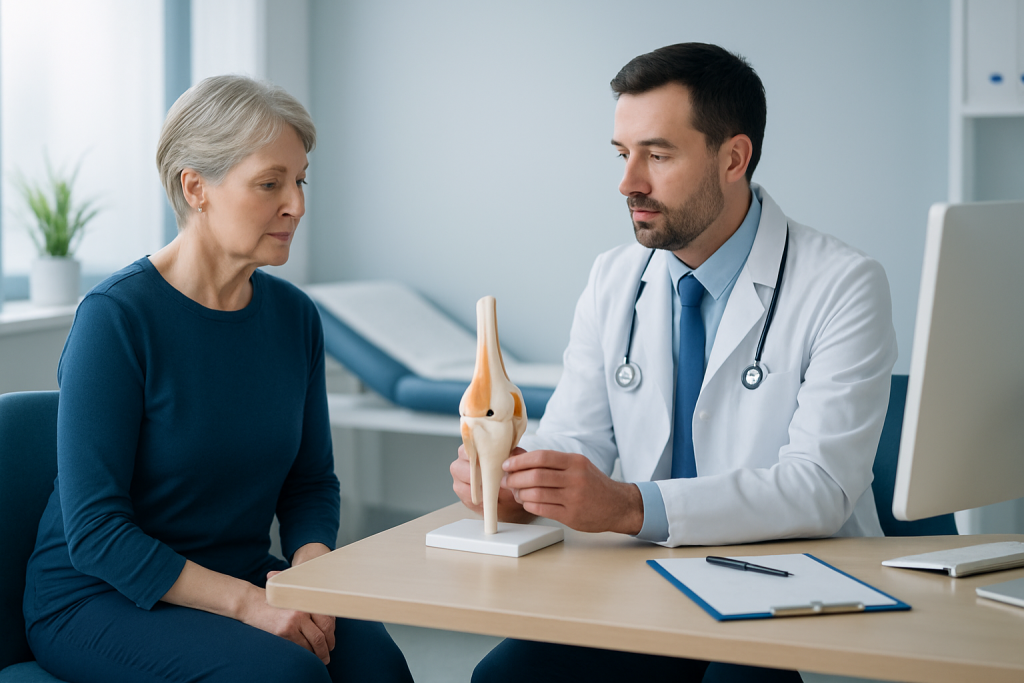
Knee replacement recovery is shaped by the surgery itself, but also by the body’s healing response. Tissue swelling, muscle weakness, and temporary irritation around the joint are all normal parts of the process. The new joint can work well early on, but the surrounding soft tissues still need time to settle.
Several factors can make the first month feel harder. These may include advanced age, obesity, diabetes, smoking, poor pre-surgery conditioning, limited home support, a history of stiffness, or having both knees affected by arthritis. Travel arrangements can also influence recovery if they lead to fatigue, dehydration, or missed therapy sessions.
For international patients, recovery abroad adds a few practical risks rather than new medical ones. Language barriers, unfamiliar medication names, long flights, and uncertainty about who to contact after discharge can all interfere with confidence. Planning these details early helps reduce stress and supports safer healing.
Diagnosis
In the recovery period, “diagnosis” means checking whether healing is progressing as expected and whether any complication is emerging. The team will usually examine the incision, assess swelling, review pain levels, and watch how the patient walks, sits, stands, and bends the knee. Progress is often judged by function as much as by appearance.
Depending on symptoms, a doctor may recommend blood tests, imaging, or a closer wound review. If there are signs of infection or a clot, additional evaluation is needed promptly. If movement is limited more than expected, the care team may focus on whether pain control, swelling, or muscle guarding is slowing progress.
Patients recovering abroad should keep their discharge notes, medication list, and contact details for the surgical team in one place. Clear records make follow-up easier when another clinician needs to understand what happened during surgery and what has occurred since discharge.
Treatment Options
The first month after knee replacement is usually managed with a combination of pain relief, movement, wound care, and rehabilitation. Pain medicines are selected by the surgical team according to the patient’s health history, and the overall aim is to keep discomfort controlled enough to allow walking and exercise without excessive sedation.
Physiotherapy is a central part of treatment. Early exercises often include ankle pumps, gentle knee bending and straightening, breathing exercises, and safe transfers in and out of bed or a chair. The patient may also work on walking with a walker, crutches, or a cane, depending on balance and surgeon preference.
Other supportive measures are simple but valuable. These can include elevation, cold therapy if advised, compression, frequent position changes, and short, regular walks rather than long bursts of activity. The care team may also give guidance on showering, incision care, driving, travel timing, and how to protect the knee while sleeping or using stairs.
For many international patients, treatment continues after leaving the hospital or returning home. That may involve telehealth check-ins, local physiotherapy, and a written rehabilitation plan that explains what has already been achieved and what should happen next. A well-coordinated handoff can make the transition much smoother.
Prevention & Self-care
Good self-care in the first month is less about doing more and more about doing the right things consistently. Patients are usually advised to follow their exercise schedule, walk as instructed, take medications as directed, and avoid sitting still for too long. Small routines repeated throughout the day are often more helpful than a single intense effort.
Swelling management is a daily priority. Elevating the leg, using ice or cold packs if recommended, and taking short walks can help the knee feel less tight. It is also sensible to drink enough water, eat regular balanced meals, and watch for constipation, which may happen with some pain medicines and reduced activity.
Practical planning matters, especially for those recovering abroad. Before travel, patients should confirm who will review the wound, when follow-up will happen, how prescriptions will be refilled, and what to do if symptoms change. A comfortable flight plan, airport assistance if needed, and help at home for the first days after discharge can make the recovery period much less tiring.
- Keep the incision clean and dry according to instructions.
- Use assistive devices until a clinician says they are no longer needed.
- Avoid twisting the knee when turning; move the whole body instead.
- Break long periods of sitting with short movement breaks.
- Carry written contact information for the surgical team and emergency care.
First Month, Week by Week
Week 1: The focus is usually on pain control, wound protection, and getting in and out of bed or a chair safely. Walking is typically short and supervised or guided, and the knee may feel very swollen and stiff. Rest is important, but so is regular gentle movement.
Week 2: Many patients begin to feel more settled, though fatigue is still common. The incision is usually healing, the swelling may begin to ease, and walking distances may increase gradually. Exercises continue to be repeated often, because the knee responds better to steady practice than to occasional effort.
Week 3: Confidence often starts to improve during this phase. The patient may notice better control when standing and sitting, and daily tasks can feel less demanding. It is still normal for the knee to feel tight after activity, especially by the end of the day.
Week 4: The recovery pattern often becomes clearer by now. Some patients are transitioning from a walker to a cane or walking independently, depending on strength and balance. Even when progress is visible, the joint is still healing, so pacing remains important.
When to See a Doctor
Patients should contact their surgeon or local doctor if pain suddenly worsens instead of gradually improving, if the incision becomes more red or starts draining, or if fever develops. A knee that suddenly becomes harder to bend or straighten also deserves review, especially if it was improving before.
Emergency care is needed for chest pain, shortness of breath, severe calf swelling, fainting, or any symptom that suggests a blood clot or serious infection. These problems are uncommon, but they should not be watched at home.
For international patients, it is wise to know in advance which service to contact in the destination country and which clinician will handle follow-up after returning home. Acibadem Health Point’s multidisciplinary specialists and JCI-accredited hospitals support diagnosis and treatment for international patients who need coordinated orthopedic care.
Frequently asked questions
How long does the first month after knee replacement usually take to feel manageable?
Many people begin to feel more comfortable within the first few weeks, but the pace varies widely. The first month is often the period when pain, swelling, sleep disruption, and fatigue are gradually becoming easier to handle rather than disappearing completely.
Is it normal for the knee to be swollen after surgery?
Yes, swelling is very common after knee replacement and may last for several weeks. It often improves slowly with movement, elevation, and the recovery plan given by the surgical team.
Can a patient fly home soon after knee replacement abroad?
That depends on the surgeon’s advice, the patient’s overall health, and how stable the recovery is. Many teams prefer that travel only happens once the wound is stable, pain is controlled, and mobility is safe enough for the journey.
What exercises are usually done in the first month?
Early exercises often focus on ankle movement, knee bending and straightening, breathing exercises, and walking practice. A physiotherapist or surgeon may adjust the routine based on pain, swelling, and progress.
When should a patient worry about infection?
A fever, increasing redness, warmth, worsening pain, or drainage from the incision should be taken seriously and reported promptly. Infection is not the only explanation for these symptoms, but they need medical assessment.
How can international patients stay organized during recovery abroad?
It helps to keep a written discharge summary, medication list, follow-up plan, and emergency contact numbers in one folder or phone file. Good organization makes it easier to continue care after leaving the hospital and after returning home.
References
- American Academy of Orthopaedic Surgeons
- NHS
- Mayo Clinic
- American Physical Therapy Association
- Centers for Disease Control and Prevention
This article is for general information only and is not a substitute for professional medical advice. Please consult a qualified doctor about your individual situation.
More from the Health Library



Related Specialists

Dr. Safiye Sayilir
Physical Medicine & Rehabilitation
Dr. Özgün Barış Çolak
Physical Medicine & Rehabilitation
Prof. Dr. Meltem Vural
Physical Medicine & Rehabilitation
Prof. Dr. Meral Bayramoğlu
Physical Medicine & Rehabilitation