Arm Bones

Key Takeaways
- The arm is made up of the humerus in the upper arm and the radius and ulna in the forearm.
- Arm bone problems often follow falls, sports injuries, overuse, or bone-weakening conditions.
- Symptoms can include pain, swelling, bruising, deformity, weakness, or difficulty turning the hand or lifting the arm.
- Diagnosis usually combines physical examination with imaging such as X-rays, and sometimes CT or MRI scans.
- Treatment ranges from rest and immobilization to surgery and rehabilitation, depending on the injury.
- Prompt assessment is important if there is severe pain, numbness, obvious deformity, or loss of function.
The arm bones provide support, movement, and protection for the muscles, nerves, and blood vessels that make daily activity possible. Understanding their structure and common problems can help a person recognize when pain, swelling, or limited motion needs medical attention.
Overview
The arm is built for precision as much as strength. Three long bones form its framework: the humerus in the upper arm, and the radius and ulna in the forearm. Together, they allow the shoulder, elbow, wrist, and hand to work in coordinated ways for reaching, lifting, carrying, twisting, and fine movement.
These bones are not isolated structures. They are surrounded by muscles, ligaments, tendons, nerves, and blood vessels that all depend on one another. When an arm bone is injured, the effect may extend beyond pain in one spot; it can change how a person bends the elbow, rotates the forearm, or uses the hand in daily life.
For international patients deciding whether to seek care abroad, arm bone conditions are often straightforward to evaluate with modern imaging and an orthopedic examination. Still, the right treatment depends on the exact bone involved, the type of injury, and whether nearby tissues have also been affected.
Symptoms
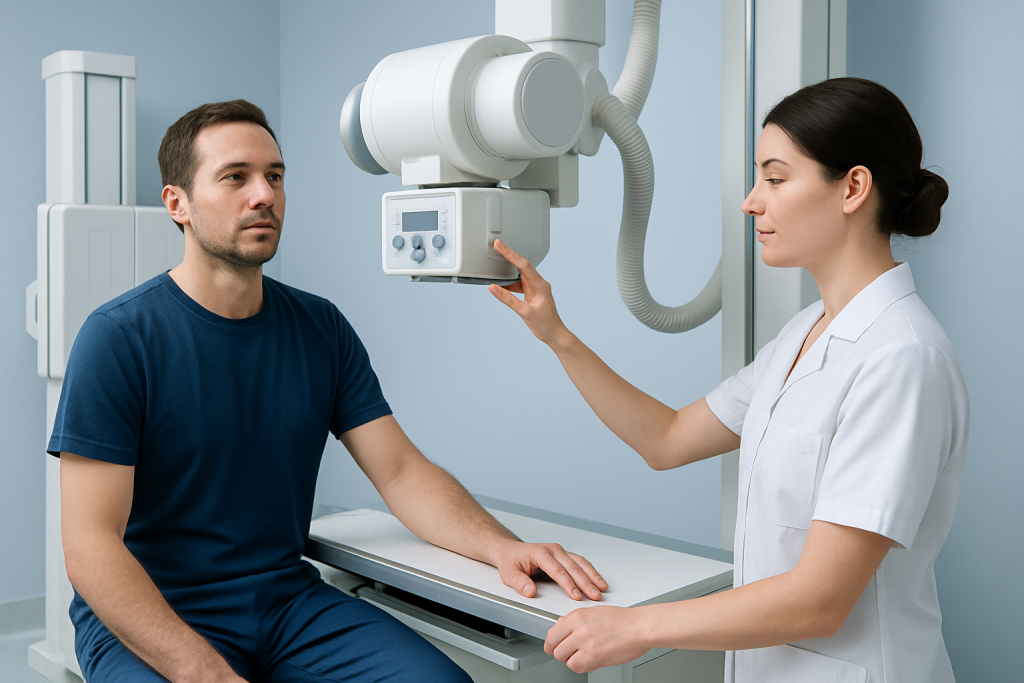
Arm bone problems can appear suddenly after a fall, impact, or accident, or they may build gradually with repeated stress. Pain is usually the first clue, but the pattern of discomfort matters. A fracture or significant injury often causes sharp pain that worsens with movement, while overuse-related conditions may feel more dull, aching, or persistent.
Other common signs include swelling, tenderness, bruising, and difficulty using the arm normally. A person may notice reduced range of motion, weakness, or trouble turning the palm up and down. In more obvious injuries, the arm may look bent, shortened, or out of alignment.
- Pain that increases with lifting or rotating the arm
- Visible swelling or bruising
- Limited elbow, wrist, or shoulder motion
- Numbness, tingling, or weakness in the hand
- Clicking, grinding, or unusual instability after injury
Because nerves and blood vessels travel close to the bones, symptoms such as numbness, coolness, or color change in the hand should be assessed promptly. These signs do not always mean a serious complication, but they do deserve timely medical review.
Causes & Risk Factors
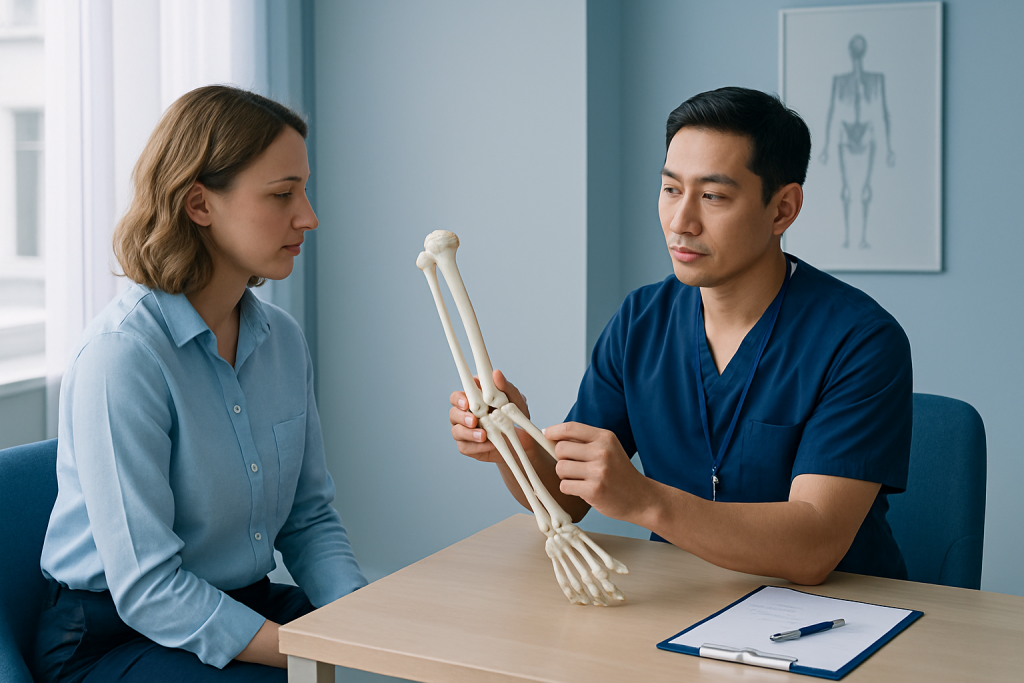
The most common cause of arm bone injury is trauma. Falls onto an outstretched hand, sports collisions, bicycle accidents, and road traffic injuries can all lead to fractures or joint-related bone damage. In children, the bones may bend or break differently than in adults because growing bones respond differently to force.
Some arm bone problems develop without a major accident. Repetitive motions such as throwing, racquet sports, manual work, or long hours of lifting can contribute to stress injuries and strain around the bones. In older adults, bones may be more vulnerable if osteoporosis or another condition has reduced bone strength.
Risk can also increase when balance is poor, vision is reduced, or the environment contains hazards such as loose rugs, slippery surfaces, or poor lighting. A history of previous fractures, certain medications, and bone diseases may also influence how easily an arm bone is injured and how well it heals.
Diagnosis
Diagnosis begins with a careful history and physical examination. A clinician will ask how the injury happened, where the pain is located, and whether the person can move the shoulder, elbow, wrist, and fingers. Checking circulation, sensation, and muscle strength is also important, especially after trauma.
X-rays are usually the first imaging test because they show most fractures clearly and help identify whether the bone is displaced or aligned. If the injury is complex, a CT scan may provide more detail about the fracture pattern. MRI can be useful when a doctor suspects soft tissue injury, stress fracture, or pain that is not fully explained by X-ray findings.
In some cases, follow-up imaging is needed during healing to confirm that the bone remains in good position. For international patients, this step can be especially important before travel home, since the care plan may need to include a clear timeline for immobilization, repeat scans, or rehabilitation visits after arrival.
Treatment Options
Treatment depends on the type of injury, the person’s age, and whether the bone is stable or displaced. Simple fractures may heal with rest, splinting, or casting, while more complex breaks may need reduction, pins, plates, screws, or other surgical support. The goal is to restore alignment, protect function, and allow the bone to heal in the right position.
Pain control is usually part of early care, along with elevation and temporary immobilization. A doctor may also recommend limiting certain activities, avoiding heavy lifting, and using a sling or brace for comfort and support. If surgery is needed, the orthopedic team will explain the expected recovery steps, wound care, and signs that should prompt a return visit.
Rehabilitation often plays a major role after the bone begins to heal. Gentle exercises help reduce stiffness and rebuild strength, especially around the elbow and wrist, where immobility can quickly affect motion. Recovery plans are usually individualized and may be adjusted based on repeat imaging and how well the arm is functioning.
For patients who travel for orthopedic care, it is helpful when the treatment plan includes coordination for follow-up outside the treating center. That may involve written instructions, imaging reports, and a practical roadmap for physical therapy once the patient is back home.
Prevention & Self-care
Not every arm bone injury can be prevented, but some risks can be reduced. Safe movement habits, protective equipment in sports, and attention to fall prevention can lower the chance of trauma. People with osteoporosis or other bone-thinning conditions may also benefit from medical evaluation of bone health and lifestyle guidance.
At home, it helps to keep walkways clear, use good lighting, and wear shoes that support balance. In sports or physical work, proper technique and gradual training progression can reduce repetitive stress. Adequate calcium, vitamin D, and overall nutrition support bone health, though dietary changes should be tailored to the individual’s needs.
When an arm injury is already present, self-care should stay within the doctor’s instructions. Resting the arm, using ice if recommended, and keeping the limb elevated may ease discomfort in the early stage. It is best not to force movement, remove a splint without guidance, or return to sport before healing is confirmed.
When to See a Doctor
Medical evaluation is important after any arm injury that causes severe pain, visible deformity, inability to move the arm normally, or concern for fracture. A person should also seek prompt care if the hand becomes numb, weak, pale, blue, or cold, since these symptoms may point to nerve or circulation problems.
Even when symptoms seem mild, a doctor should assess pain that does not improve, swelling that is increasing, or discomfort that follows a fall or impact and continues for more than a short time. In children, pain near a growth plate should not be ignored, because some injuries are subtle on first examination.
For patients considering treatment abroad, the safest approach is to plan care around both the initial injury and the recovery phase. Acibadem Health Point’s multidisciplinary specialists and JCI-accredited hospitals can diagnose and treat arm bone conditions for international patients, while helping organize follow-up in a practical and medically sound way.
Frequently asked questions
What bones make up the arm?
The upper arm contains the humerus, while the forearm contains the radius and ulna. These bones work with the shoulder, elbow, wrist, and hand to create movement and support daily activities.
How can someone tell if an arm bone is broken or just bruised?
A fracture often causes more intense pain, swelling, tenderness, and difficulty using the arm, but bruises can sometimes feel similar at first. An X-ray is usually needed to confirm whether a bone is broken.
Can an arm bone heal without surgery?
Yes, many arm bone injuries heal without surgery if the bone is stable and properly aligned. A doctor decides this based on the fracture type, location, and overall function of the arm.
How long does recovery take?
Healing time varies widely depending on the bone involved, the severity of the injury, and a person’s age and bone health. A doctor can give a more accurate timeline after examining the injury and reviewing imaging results.
Why is rehabilitation important after an arm bone injury?
Immobilization can protect the bone, but it can also make the elbow, wrist, and hand stiff. Rehabilitation helps restore motion, strength, and coordination once healing is far enough along.
When should numbness or tingling after an arm injury be checked?
Numbness, tingling, weakness, or changes in hand color should be assessed promptly. These symptoms can sometimes mean that nerves or blood flow are affected and should not be ignored.
References
- World Health Organization
- American Academy of Orthopaedic Surgeons
- Mayo Clinic
- National Institute of Arthritis and Musculoskeletal and Skin Diseases
This article is for general information only and is not a substitute for professional medical advice. Please consult a qualified doctor about your individual situation.
More from the Health Library



Related Specialists

Psk. Feyza Ağaç Çelebi
Clinical Psychology
Prof. Dr. Mert İlker Hayıroğlu
Cardiology
Prof. Dr. Celaletdin Camcı
Internal Medicine
Dr. Savaş Beyaztaş
Cardiology