Hypothalamus: Function, Disorders and Health

Key Takeaways
- The hypothalamus acts as a control center linking the brain, hormones, and many automatic body functions.
- Symptoms of hypothalamic problems can include appetite changes, temperature instability, sleep disruption, thirst changes, and menstrual or fertility issues.
- Causes may include tumors, injury, inflammation, infection, congenital conditions, or surgery involving nearby brain structures.
- Diagnosis often requires a careful history, hormone testing, and imaging such as MRI.
- Treatment focuses on the underlying cause and may also include hormone replacement and supportive care.
Medically reviewed by the Acıbadem clinical team — August 19, 2026
The hypothalamus is a small but essential brain region that helps regulate hormones, body temperature, hunger, thirst, sleep, and stress responses. When it is affected by disease or injury, symptoms can be wide-ranging, but many causes are treatable with timely medical care.
Overview
The hypothalamus is a small structure deep in the brain, but its influence is broad. It helps coordinate the body’s internal balance by working as a bridge between the nervous system and the endocrine system. In practical terms, it helps decide when the body should release hormones, conserve heat, seek water, feel hunger, or prepare for sleep.
For patients, it is easiest to think of the hypothalamus as a supervisor rather than a single-organ specialist. It monitors changing signals from the body and sends instructions to the pituitary gland, which then directs many other hormone-producing glands. Because of that role, a problem in the hypothalamus can affect several systems at once.
When the hypothalamus is healthy, these controls usually happen quietly in the background. When it is disrupted, the effects can be subtle at first, such as changes in appetite or fatigue, or more obvious, such as unusual thirst, temperature swings, or menstrual irregularity. Understanding the hypothalamus helps explain why some symptoms seem unrelated but actually point to a shared cause.
Symptoms
Hypothalamic problems do not present with one single pattern. The symptoms depend on which functions are disturbed and how much of the region is affected. Some people notice hormone-related changes first, while others experience changes in daily body regulation that are harder to connect to the brain at all.
Common symptoms can include:
- Changes in appetite or unexplained weight gain or loss
- Excessive thirst or changes in urination
- Feeling too hot or too cold more easily than usual
- Sleep problems, daytime sleepiness, or an altered sleep-wake cycle
- Fatigue or low energy
- Menstrual changes, missed periods, or fertility concerns
- Low libido or other signs of hormone imbalance
- Headaches or visual symptoms if a nearby mass is present
In children and adolescents, hypothalamic disorders may also affect growth, puberty timing, and behavior. Because these signs can overlap with many other conditions, they deserve medical review rather than self-diagnosis. A patient traveling for evaluation may be assessed by more than one specialist, since endocrine and neurologic symptoms often overlap.
Causes & Risk Factors

The hypothalamus can be affected by several different conditions. Some are structural, such as tumors or cysts near the base of the brain. Others involve inflammation, infection, autoimmune disease, trauma, or complications after surgery or radiation in the same area.
Possible causes include:
- Brain tumors near the hypothalamus or pituitary region
- Head injury or surgery involving the skull base
- Inflammatory or autoimmune disorders
- Infections affecting the central nervous system
- Congenital or genetic conditions
- Radiation exposure to the brain region
- Infiltrative diseases that affect multiple organs
Risk factors depend on the cause. A person with a known pituitary mass, a history of cranial trauma, or an inherited condition that affects hormone signaling may have a higher chance of hypothalamic involvement. In international care settings, patients are often referred after tests performed in their home country suggest a complex endocrine or neurologic issue that needs closer review.
Diagnosis
Diagnosing a hypothalamic disorder usually starts with a detailed discussion of symptoms, timing, weight changes, temperature sensitivity, thirst, sleep pattern, puberty or fertility concerns, and any history of brain injury, surgery, or cancer treatment. Because the hypothalamus influences many hormone systems, the clinician may look for a pattern rather than a single abnormal result.
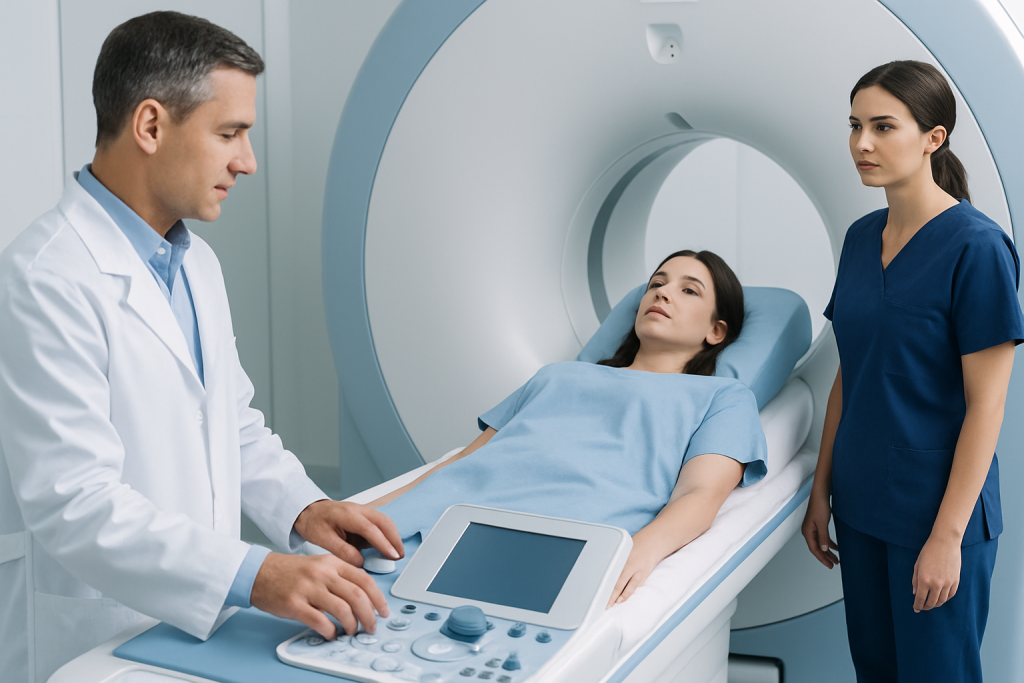
Testing commonly includes blood and sometimes urine studies to assess pituitary and target-gland hormones, blood sugar, electrolytes, and other markers that can reflect dehydration or hormone imbalance. A magnetic resonance imaging scan, usually MRI, is often used to look for tumors, inflammation, or structural abnormalities in the hypothalamic-pituitary region.
In some cases, specialized endocrine testing is needed to see how the hormone system responds over time. Children may also need growth and puberty assessment, while adults may need evaluation of menstrual function, sexual health, or sleep-related symptoms. When the symptoms are complex, diagnosis is often best handled by a team familiar with both neurology and endocrinology.
Treatment Options
Treatment depends entirely on the cause. If a tumor or cyst is found, the plan may involve neurosurgery, radiation, medication, or careful observation, depending on size, location, and behavior. If inflammation or autoimmune disease is responsible, doctors may use medicines that calm the immune system. Infection, when present, is treated specifically according to the organism involved.
When the hypothalamus cannot regulate hormones normally, replacement therapy may be needed for the hormones that are no longer produced adequately downstream. The exact combination is individualized and monitored over time, because the body’s needs can change. Some patients also need treatment for thirst regulation, sleep disturbance, appetite changes, or body-temperature control.
Supportive care matters as much as the main treatment. Nutritional guidance, sleep routines, rehabilitation after neurologic injury, and follow-up endocrine testing can all improve day-to-day stability. For international patients, care planning may also include coordinating imaging, review of prior records, and follow-up arrangements after returning home.
Prevention & Self-care
Not every hypothalamic disorder can be prevented, especially when the cause is genetic or unrelated to lifestyle. Still, some steps can reduce risk of delayed diagnosis and help patients stay more comfortable during evaluation and treatment.
Useful self-care steps include:
- Keeping track of appetite, thirst, sleep, periods, weight, and temperature sensitivity
- Bringing prior imaging, lab results, and surgery notes to specialist visits
- Following hydration and nutrition advice from the care team
- Using a regular sleep schedule when sleep-wake rhythms are disrupted
- Attending endocrine and neurology follow-up visits as recommended
Patients who travel for care may find it helpful to maintain a written symptom log before and after treatment. This can make follow-up more efficient, especially when multiple specialists are involved and care continues across countries. Gentle consistency with meals, sleep, and medication timing can also support recovery.
When to See a Doctor
Medical evaluation is important when symptoms suggest hormone imbalance, especially if several body systems seem affected at the same time. A person should seek assessment if there are unexplained changes in thirst, urination, appetite, body temperature tolerance, periods, puberty, energy, or sleep that persist or worsen.
Prompt attention is particularly important if symptoms begin after head injury, brain surgery, cancer treatment, or the discovery of a mass near the pituitary region. Headache with visual changes, vomiting, confusion, or sudden weakness should be evaluated urgently, as these may indicate a serious neurologic issue needing immediate care.
After diagnosis, ongoing monitoring is essential because hypothalamic conditions can evolve. Patients often benefit from coordinated follow-up with endocrinology and neurology. Acibadem Health Point can support international patients through multidisciplinary specialists and JCI-accredited hospitals that diagnose and treat hypothalamic conditions in a coordinated setting.
Frequently asked questions
What does the hypothalamus do in the body?
The hypothalamus helps regulate hormones, temperature, thirst, hunger, sleep, and stress responses. It acts as a communication hub between the brain and the endocrine system, largely through the pituitary gland.
What are signs of a hypothalamus problem?
Signs can include appetite changes, unusual thirst, sleep disruption, temperature sensitivity, fatigue, and menstrual or fertility changes. Some people also develop headache or vision symptoms if a nearby mass is involved.
Can hypothalamus problems affect weight?
Yes. Because the hypothalamus helps control hunger and energy balance, changes in this area can contribute to unexplained weight gain or weight loss. A doctor may look for both hormonal and structural causes.
How is a hypothalamic disorder diagnosed?
Diagnosis usually includes a detailed symptom review, hormone blood tests, and MRI imaging of the brain region around the hypothalamus and pituitary gland. Some people need additional specialized endocrine testing.
Are hypothalamus disorders treatable?
Many are treatable, especially when the cause is identified early. Treatment may involve addressing a tumor, inflammation, or infection, as well as replacing hormones that are no longer being regulated properly.
Which specialist should evaluate suspected hypothalamus issues?
An endocrinologist is often central to the workup, and a neurologist or neurosurgeon may also be involved depending on the cause. Children and adults may each need tailored assessment based on their symptoms.
References
- National Institute of Neurological Disorders and Stroke
- National Institute of Diabetes and Digestive and Kidney Diseases
- Merck Manual Professional Edition
- Mayo Clinic
- Endocrine Society
This article is for general information only and is not a substitute for professional medical advice. Please consult a qualified doctor about your individual situation.
Explore treatments in Turkey — costs, top hospitals & a free quote
JCI-accredited · board-certified surgeons · reply within 24h
Add us as a Preferred Source to see more of our trusted health content across Google Search, AI Overviews and Discover.