

Hydrotherapy

Key Takeaways
- Hydrotherapy can make exercise easier by reducing body weight on joints and muscles.
- It is commonly used in rehabilitation after injury, surgery, or when movement is limited by pain.
- Water temperature, buoyancy, and resistance all influence how hydrotherapy feels and works.
- A clinician should decide whether hydrotherapy is appropriate, especially for people with open wounds, infection, heart problems, or poor temperature sensitivity.
- Hydrotherapy works best as part of a wider treatment plan that may also include physiotherapy, medication, and home exercises.
Hydrotherapy uses the natural properties of water to support recovery, ease movement, and reduce strain on the body. It is often used in rehabilitation programs for pain, stiffness, weakness, and mobility challenges.
Overview
Hydrotherapy is a form of treatment that uses water to help the body heal, move, and relax. In rehabilitation settings, it usually means guided exercises or therapeutic sessions in a pool or specially designed water environment, rather than a simple spa experience.
Water changes the way the body moves. Buoyancy reduces the load on joints, warmth can relax muscles, and gentle resistance helps build strength without the same impact as land-based exercise. For many people, this makes hydrotherapy a practical way to begin moving again when ordinary exercise feels too difficult.
It is often considered for people recovering from surgery, living with arthritis, managing back pain, or rebuilding function after injury or neurological illness. For international patients planning care abroad, hydrotherapy may be one part of a broader rehabilitation pathway that is coordinated with doctors, physiotherapists, and follow-up care at home.
How Hydrotherapy Works
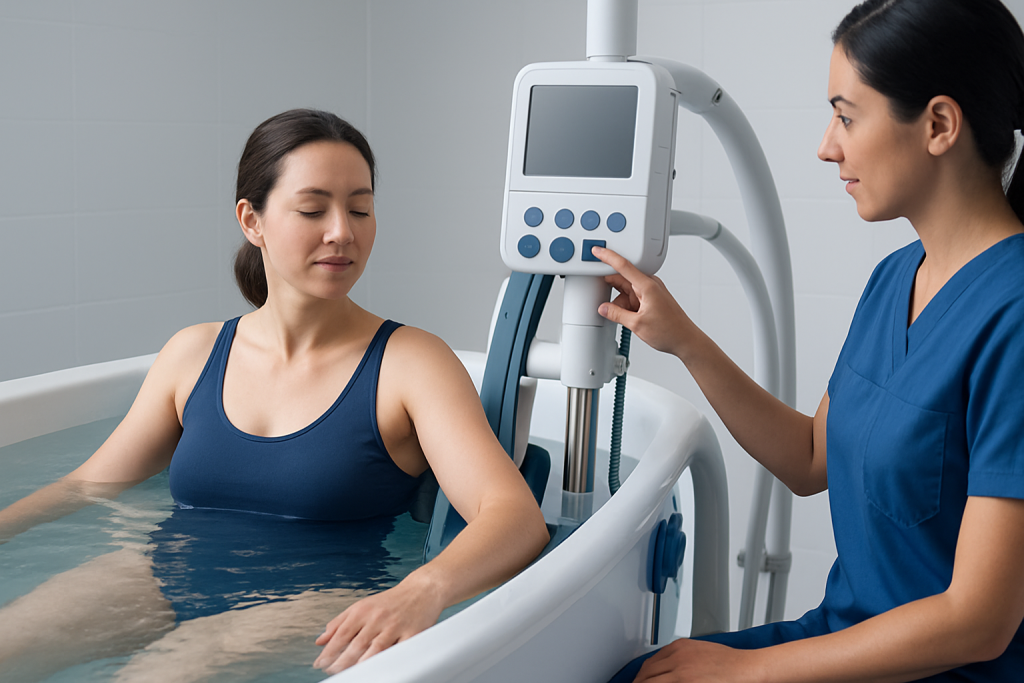
Hydrotherapy relies on a few simple physical principles. Buoyancy helps support body weight, which can reduce pressure on painful joints and make standing, walking, or stretching more comfortable. This is one reason water-based therapy is often easier to start than land-based therapy.
Water also creates gentle resistance in every direction. That resistance can help improve muscle control, balance, and endurance without sudden impact. Warm water may further support relaxation by easing muscle tightness and reducing the feeling of stiffness at the beginning of a session.
Different programs use water in different ways. Some involve individualized exercise sessions with a physiotherapist, while others use group classes focused on mobility, core stability, or functional movement. In some centers, hydrotherapy may also refer to warm baths, contrast bathing, or other water-based treatments used under medical supervision.
Symptoms and Conditions It May Help With

Hydrotherapy is not a cure, but it may help with symptoms that limit movement or make daily activities harder. People often seek it when pain, stiffness, weakness, or balance problems interfere with rehabilitation.
It is commonly used in care plans for osteoarthritis, inflammatory joint conditions, back or neck pain, post-operative recovery, soft tissue injuries, and some neurological conditions such as stroke or Parkinsonian movement difficulties. It may also support general conditioning when land exercise is difficult because of body weight, reduced endurance, or fear of falling.
- Joint pain and stiffness
- Reduced range of motion
- Muscle weakness after injury or surgery
- Balance or coordination challenges
- Difficulty starting an exercise program on land
The response varies from person to person. A treatment that feels helpful for one patient may be too tiring or too intense for another, which is why individual assessment matters.
Causes and Risk Factors
Hydrotherapy is used because many health conditions make regular movement painful, difficult, or unsafe. When joints are inflamed, muscles are weak, or weight-bearing is limited, water can provide a gentler setting for exercise and mobility work.
Risk factors for needing this type of support include recent surgery, long-standing arthritis, chronic pain, sports injuries, neurological impairment, deconditioning after illness, and obesity-related joint strain. Older adults may also find hydrotherapy helpful when balance or stiffness makes standard exercise uncomfortable.
Not everyone is a suitable candidate. A clinician will usually consider skin integrity, wound healing, infection risk, fever, uncontrolled heart or lung disease, seizure risk, and whether the person can safely enter and exit the water. Sensory problems that reduce awareness of heat or discomfort also need careful review.
Diagnosis and Assessment Before Treatment
There is no separate medical diagnosis for hydrotherapy itself. Instead, a clinician evaluates the underlying condition and decides whether water-based treatment fits the rehabilitation goals. This assessment may be done by a doctor, physiotherapist, or rehabilitation specialist.
The review usually includes symptoms, mobility, pain levels, recent procedures, medication use, skin condition, and any history of heart, respiratory, or neurological illness. The team may also ask about travel plans and whether the patient will continue therapy after returning home, since long-distance follow-up can affect how rehabilitation is organized.
For international patients, a useful plan is one that is easy to transfer across borders. A good assessment should lead to clear written guidance about exercise goals, precautions, and when to progress or stop. That makes it easier for the patient’s local care team to continue therapy safely after the trip.
Treatment Options
Hydrotherapy programs are usually tailored to the person’s goals. Sessions may include walking in water, stretching, balance drills, gentle strengthening, range-of-motion exercises, or assisted movement with a physiotherapist. In some cases, the focus is on pain reduction and confidence; in others, it is on rebuilding function after a specific event such as surgery or stroke.
Water temperature, session length, and exercise intensity are adjusted to the patient’s tolerance. Warm water often helps with relaxation and flexibility, while a more active program may use deeper water or specific tools such as floatation aids, resistance devices, or hand-held equipment. Progress is typically gradual so the body can adapt without flare-ups.
Hydrotherapy is most effective when it is one part of a broader plan. Depending on the condition, that plan may also include land-based physiotherapy, medication, mobility aids, home exercises, activity modification, and regular review. For some patients, multidisciplinary rehabilitation at a center such as Acibadem Health Point, with specialists working alongside JCI-accredited hospitals, can help coordinate diagnosis and treatment for international patients.
Prevention and Self-care
Hydrotherapy can be supported by simple habits outside the pool. Patients are usually encouraged to stay well hydrated, follow the exercise plan given by their clinician, and notice how the body responds over the next day or two. Mild tiredness after a session can be expected, but increasing pain or swelling should be reported.
Practical self-care also matters. Comfortable footwear for entering the pool area, a safe plan for transport, and help with dressing if needed can reduce strain. People traveling for treatment may benefit from scheduling sessions with enough rest time before and after flights or long transfers.
- Keep skin clean and follow facility hygiene instructions
- Stop and report dizziness, shortness of breath, or unusual pain
- Use prescribed mobility aids when getting in or out of the water
- Continue home exercises if they are part of the plan
- Attend follow-up appointments to adjust the program safely
Because water can mask effort, it is easy to overdo an exercise session. A paced, steady approach usually leads to better results than trying to push through discomfort.
When to See a Doctor
Medical advice should be sought before starting hydrotherapy if there is a new injury, recent surgery, open skin wound, fever, infection, uncontrolled medical illness, or uncertain diagnosis. A doctor’s review is also important when pain is severe, movement is suddenly worse, or a person cannot safely stand or walk.
During treatment, the patient should inform the team if symptoms worsen, dizziness develops, or breathing becomes difficult. Hydrotherapy should be paused and reassessed if there is chest discomfort, unusual swelling, skin irritation, or any sign that the water environment is not well tolerated.
For patients arranging care abroad, it is helpful to choose a center that can explain the treatment plan clearly, coordinate multidisciplinary rehabilitation, and provide documentation for follow-up at home. The goal is not only to start therapy safely, but to make sure the benefits continue after travel ends.
FAQ
What is hydrotherapy used for?
Hydrotherapy is used to support rehabilitation, reduce joint stress, and help people move more comfortably. It is often included in plans for arthritis, recovery after surgery, back pain, injuries, and certain neurological conditions.
Is hydrotherapy the same as swimming?
No. Swimming is a sport or exercise activity, while hydrotherapy is a guided treatment approach that uses water as part of rehabilitation. Sessions are usually designed by a healthcare professional and matched to the person’s medical needs.
Does hydrotherapy hurt?
It should not be painful, although some exercises may feel challenging at first. The water environment is meant to reduce strain, and the program is usually adjusted if pain increases.
Who should avoid hydrotherapy?
People with open wounds, active infections, uncontrolled heart or breathing problems, or significant difficulty sensing heat or pain may not be suitable without special review. A clinician should decide based on the individual situation.
How long does it take to notice results?
That depends on the condition being treated, how often sessions are done, and whether the person continues exercises outside the pool. Some people notice easier movement quickly, while others need a longer rehabilitation period.
Can hydrotherapy be continued after traveling home?
Yes, if a local clinician can provide a suitable pool-based program or adapt the exercises to land-based therapy. Clear discharge instructions and follow-up plans make it easier to continue safely across countries.
Frequently asked questions
What is hydrotherapy used for?
Hydrotherapy is used to support rehabilitation, reduce joint stress, and help people move more comfortably. It is often included in plans for arthritis, recovery after surgery, back pain, injuries, and certain neurological conditions.
Is hydrotherapy the same as swimming?
No. Swimming is a sport or exercise activity, while hydrotherapy is a guided treatment approach that uses water as part of rehabilitation. Sessions are usually designed by a healthcare professional and matched to the person’s medical needs.
Does hydrotherapy hurt?
It should not be painful, although some exercises may feel challenging at first. The water environment is meant to reduce strain, and the program is usually adjusted if pain increases.
Who should avoid hydrotherapy?
People with open wounds, active infections, uncontrolled heart or breathing problems, or significant difficulty sensing heat or pain may not be suitable without special review. A clinician should decide based on the individual situation.
How long does it take to notice results?
That depends on the condition being treated, how often sessions are done, and whether the person continues exercises outside the pool. Some people notice easier movement quickly, while others need a longer rehabilitation period.
Can hydrotherapy be continued after traveling home?
Yes, if a local clinician can provide a suitable pool-based program or adapt the exercises to land-based therapy. Clear discharge instructions and follow-up plans make it easier to continue safely across countries.
References
- World Health Organization
- National Institute for Health and Care Excellence
- American Physical Therapy Association
- NHS
- Mayo Clinic
This article is for general information only and is not a substitute for professional medical advice. Please consult a qualified doctor about your individual situation.
Joint and spine care in Turkey — expert assessment & treatment
JCI-accredited · board-certified surgeons · reply within 24h
Add us as a Preferred Source to see more of our trusted health content across Google Search, AI Overviews and Discover.
More from the Health Library



Related Specialists

Fzt. Mustafa Özcan
Physical Medicine & Rehabilitation
Fzt. Gizem Aydın
Physical Medicine & Rehabilitation
Fzt. Elif Tokgöz Nizam
Physical Medicine & Rehabilitation
Dr. Safiye Sayilir
Physical Medicine & Rehabilitation