How to Remove a Blackhead Safely

Key Takeaways
- Blackheads form when a pore becomes plugged and the top stays open, turning dark as it oxidizes.
- Picking or squeezing can push debris deeper, irritate the skin, and increase the chance of marks or scarring.
- Gentle cleansing, non-comedogenic products, and acne-targeted treatments can help reduce blackheads over time.
- Persistent, painful, or widespread blackheads may need evaluation by a dermatologist.
- Professional extraction and tailored acne care can be useful when home care is not enough.
Medically reviewed by the Acıbadem clinical team — August 19, 2026
Blackheads are a common form of acne that appear when pores become clogged with oil and dead skin cells. They can often be managed with gentle skin care and, when needed, professional treatment rather than squeezing at home.
Overview
Taking out a blackhead sounds simple, but the safest approach is usually more careful than forceful. A blackhead is an open comedone: a pore filled with oil, dead skin cells, and sometimes bacteria, with the top exposed to air. That exposed material darkens through oxidation, which is why the spot looks black even though it is not dirt.
Many people notice blackheads on the nose, chin, forehead, chest, or back. They are common in teenagers, but adults can have them too, especially if the skin produces more oil, makeup is not fully removed, or skin care products are too heavy for the face. For travelers seeking care abroad, it can be reassuring to know that blackheads are usually a straightforward dermatology issue, yet the right approach depends on the skin type, acne pattern, and whether inflammation is also present.
The goal is not simply to remove one spot. The better long-term plan is to clear the pore gently, calm the skin, and reduce the chance of new blackheads forming. That is where consistent care usually works better than squeezing or repeated home extraction.
Symptoms
Blackheads are easy to recognize once someone knows what to look for. They are small, dark, flat, or slightly raised dots that usually do not hurt unless the skin has become irritated. Unlike whiteheads, blackheads remain open at the surface, so they often look more visible in areas where pores are larger.
They may appear alone or alongside other acne signs such as whiteheads, red bumps, or oily skin. Some people also notice rough texture, a “plugged” look across the nose, or recurring spots in the same area. It is helpful to remember that not every dark dot is a blackhead; freckles, sebaceous filaments, and pigmentation spots can look similar.
- Small dark plugs in pores
- Oily skin or shiny areas
- Rough or uneven texture
- Occasional mild tenderness from irritation
- Acne in nearby areas such as the cheeks, forehead, or back
If a spot becomes red, swollen, painful, or warm, it may no longer be a simple blackhead. In that case, a clinician may look for inflammatory acne, a cyst, or another skin condition.
Causes & Risk Factors
Blackheads develop when a hair follicle or pore becomes clogged. Skin naturally sheds dead cells, and oil glands produce sebum to keep the skin lubricated. When those materials do not clear out normally, they can accumulate inside the pore and form a plug. If the pore opening stays open, the material darkens on contact with air.
Several everyday factors can make blackheads more likely. Hormonal changes can increase oil production, which is why blackheads often flare during adolescence or around menstrual cycles. Comedogenic or heavy cosmetics, sunscreen, and hair products can also contribute if they are not suitable for acne-prone skin. Sweating, friction from helmets or masks, and not removing makeup before sleep may add to the problem.
Some people are simply more prone to clogged pores because of skin type, genetics, or environmental conditions. Blackheads are not a sign of poor hygiene, and washing too aggressively can make the skin more irritated without preventing new clogs. In international-patient consultations, dermatologists often spend time sorting out what is truly causing the clogged pores, since the most effective plan depends on whether oiliness, hormones, product choice, or broader acne is driving the pattern.
Diagnosis
Most blackheads are diagnosed with a simple skin examination. A dermatologist usually identifies them by appearance and by asking where they occur, how long they have been present, and whether other acne lesions are also happening. In many cases, no special tests are needed.
Sometimes the main task is distinguishing blackheads from look-alike findings. Sebaceous filaments, for example, are normal structures that can resemble tiny gray or yellow dots, especially on the nose. Pigmented spots, small cysts, or skin tags may also be mistaken for blackheads. If the pattern is unusual or the skin is inflamed, the doctor may examine the skin more closely to confirm the diagnosis.
People traveling for dermatology care often appreciate a clear, practical assessment because it avoids unnecessary procedures. A good diagnosis helps determine whether simple skin care is enough or whether a fuller acne treatment plan would reduce recurrence.
Treatment Options
For many people, the safest answer to taking out a blackhead is not manual squeezing at home. Instead, treatment usually begins with ingredients that loosen the plug and prevent new ones from forming. Salicylic acid can help clear pores, while retinoid-based products are often used to normalize skin cell turnover. These approaches take time, but they are generally more effective than repeatedly trying to pop individual spots.
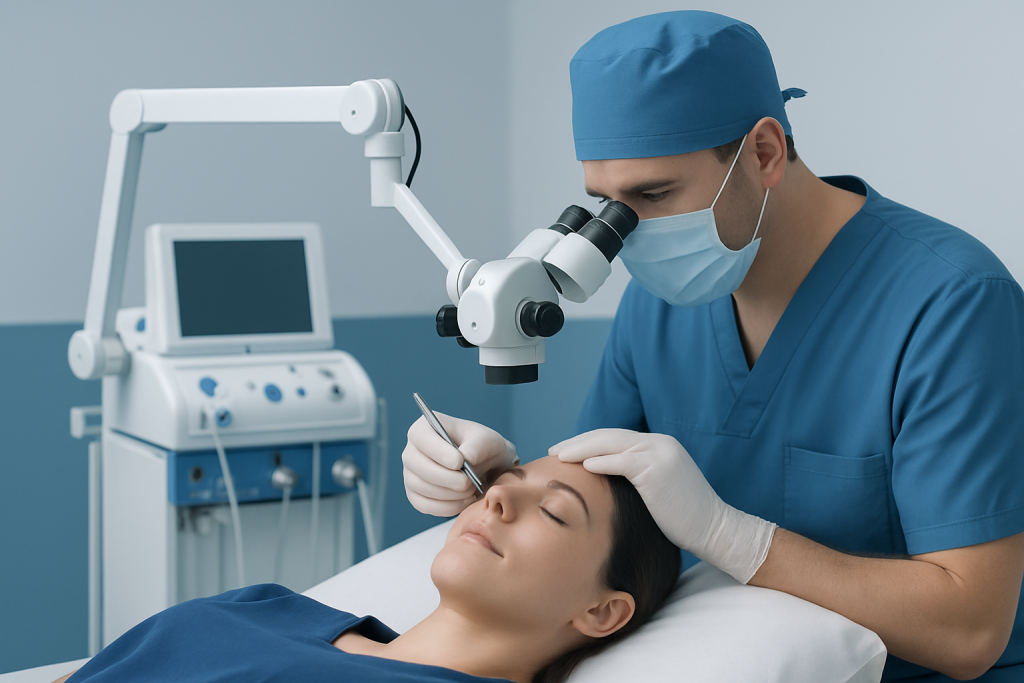
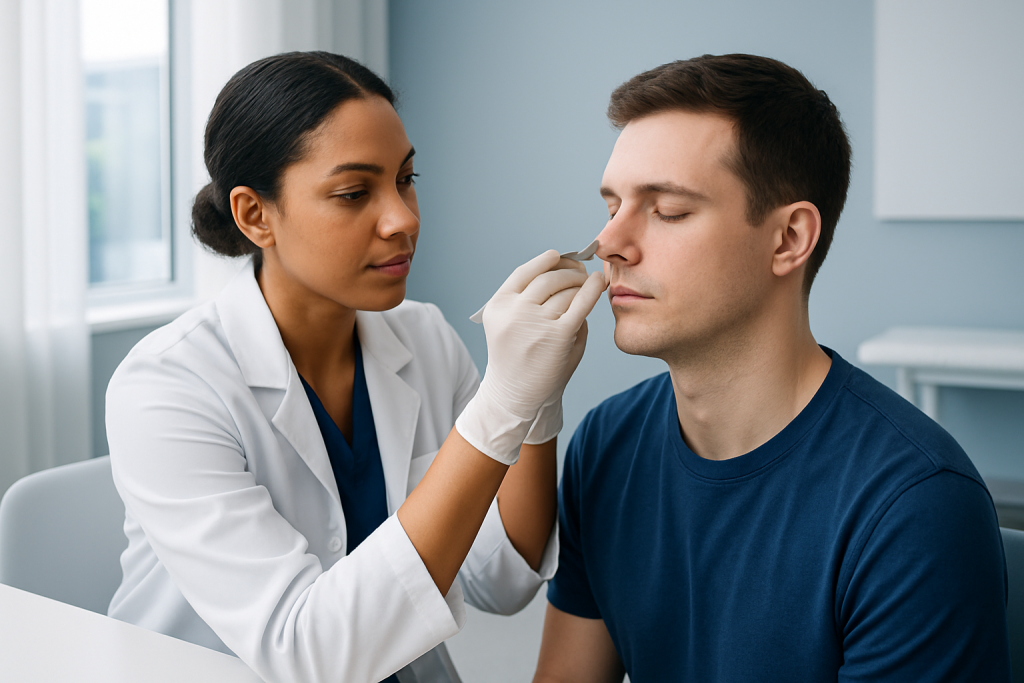
Professional extraction may be appropriate in selected cases, especially when blackheads are stubborn or clustered. In a clinic, a dermatologist or trained provider can remove the blockage using sterile instruments and proper technique, which lowers the risk of skin injury. Chemical peels, comedone-extraction procedures, and broader acne regimens may also be considered depending on the skin’s needs.
When blackheads are part of a larger acne picture, treatment may need to address inflammation, oil production, and scarring risk as well. A dermatologist might recommend a combination approach rather than a single product. For international patients, the plan often includes both in-person treatment and a clear follow-up schedule, so ongoing care remains manageable after returning home.
- Gentle over-the-counter acne cleansers or leave-on treatments
- Topical retinoid therapy when suitable
- Professional extraction for selected blackheads
- Chemical peels or other dermatologist-guided procedures
- Combination acne care if pimples or inflammation are also present
It is important not to overdo treatment. Too many active products, rough scrubs, or frequent extractions can weaken the skin barrier and worsen redness or peeling.
Prevention & Self-care
Blackheads are easier to manage when skin care is steady and gentle. A basic routine that cleanses without stripping the skin usually works better than harsh cleansing. Products labeled non-comedogenic or oil-free may be a better match for acne-prone skin, though individual tolerance still matters.
Daily habits also influence how often pores clog. Make-up should be removed before bed, sweaty skin should be cleaned after exercise, and hair products that touch the face should be chosen carefully. It can help to avoid touching, picking, or using pore strips too often, since repeated irritation can lead to redness and post-inflammatory marks.
For someone recovering after acne treatment while traveling, consistency is especially important. The skin may need a simple, portable routine that is easy to continue across time zones and climates. That usually means choosing a few well-tolerated products and following the dermatologist’s instructions rather than trying many new items at once.
- Wash the face gently once or twice daily as advised
- Choose non-comedogenic moisturizers and makeup
- Avoid harsh scrubs and aggressive exfoliation
- Do not squeeze lesions with fingers or unclean tools
- Introduce new active products slowly to monitor irritation
Sun protection also matters, especially if a retinoid or peel has been part of the treatment plan. A dermatologist can suggest what is most suitable for the person’s skin type and travel routine.
When to See a Doctor
Many blackheads are harmless, but a dermatologist should be involved when they keep returning, cover large areas, or do not improve with reasonable home care. Medical advice is also useful when the diagnosis is uncertain, because some skin conditions can look similar to blackheads but need different treatment.
It is wise to seek care if the skin becomes painful, inflamed, or scarred, or if acne is affecting confidence and quality of life. People who are pregnant, have sensitive skin, or use prescription skincare already may also benefit from individualized guidance before starting a new regimen.
For international patients, a pre-travel consultation can help clarify what can be treated in the clinic and what should continue after returning home. Acibadem Health Point’s multidisciplinary specialists and JCI-accredited hospitals diagnose and treat dermatology conditions for international patients, with follow-up plans designed to stay practical across borders.
- Blackheads are widespread, recurrent, or difficult to clear
- There is redness, swelling, pain, or scarring
- Over-the-counter products cause irritation
- The spots may not be blackheads at all
- Acne is affecting daily life or self-confidence
A qualified clinician can help identify the cause and choose the most appropriate treatment, whether that is a gentle topical routine, professional extraction, or a broader acne plan.
Living With Blackheads: A Practical Perspective
Blackheads are common, manageable, and rarely a reason for alarm. What matters most is choosing a method that protects the skin rather than aggravating it. For some people, that means a simple cleanser and a salicylic-acid product; for others, it means a dermatologist-guided plan that addresses more persistent acne.
Patients who are planning care abroad often do best when they think beyond the single visible blackhead and focus on the full routine: how the skin is cleansed, what products are used, and what follow-up will be realistic after the trip. Clear instructions and a calm, step-by-step approach make the process easier to maintain.
With the right strategy, blackheads can usually be reduced without rough handling or over-treatment. The skin often responds best to patience, consistency, and professional guidance when needed.
FAQ
Can a blackhead be taken out at home?
It is generally safer not to squeeze blackheads at home. Picking can irritate the skin, push debris deeper, and increase the risk of marks or scarring. A gentle acne routine or professional extraction is usually a better option.
Why do blackheads turn black?
The dark color is mainly from oxidation, not dirt. When the contents of a clogged pore are exposed to air, they darken at the surface.
Do blackhead strips work?
They may temporarily remove some surface plugs, but they do not prevent new blackheads from forming. Some people also find them irritating, especially if used often.
What is the best treatment for recurring blackheads?
There is no single best choice for everyone. Salicylic acid, retinoid-based products, and professional extraction are common options, and the best plan depends on skin type and whether acne is also present.
Are blackheads a sign of dirty skin?
No. Blackheads are caused by clogged pores and oil changes, not by being unclean. Overwashing can actually make the skin more irritated without solving the problem.
When should someone stop treating blackheads on their own?
If the skin becomes sore, inflamed, or scarred, or if the spots keep coming back, it is time to see a dermatologist. Medical guidance is also helpful when the diagnosis is uncertain or the person wants a safer extraction option.
Can international patients get help for blackheads during a short visit?
Yes, many dermatology visits can focus on diagnosis, treatment, and a clear home-care plan to continue after travel. That approach is often useful when someone needs care that fits both the clinic visit and life back home.
References
- American Academy of Dermatology
- National Institute of Arthritis and Musculoskeletal and Skin Diseases
- NHS
- Mayo Clinic
- World Health Organization
This article is for general information only and is not a substitute for professional medical advice. Please consult a qualified doctor about your individual situation.
Explore treatments in Turkey — costs, top hospitals & a free quote
JCI-accredited · board-certified surgeons · reply within 24h
Add us as a Preferred Source to see more of our trusted health content across Google Search, AI Overviews and Discover.