Blackhead Remover

Key Takeaways
- Blackheads form when pores fill with oil and dead skin cells, then oxidize and turn dark.
- Gentle cleansers, salicylic acid, and retinoids are commonly used to help clear and prevent blackheads.
- Popping or squeezing blackheads can irritate the skin and may increase the risk of marks or scarring.
- Professional extraction and dermatology-guided treatments may help when blackheads are stubborn or widespread.
- Consistent skin care and non-comedogenic products are often more helpful than aggressive scrubbing or frequent pore strips.
Blackheads are a common form of acne caused by clogged pores that darken when exposed to air. Safe removal focuses on gentle skin care, evidence-based treatments, and avoiding habits that irritate the skin or worsen breakouts.
Overview
Blackheads are small dark plugs that appear when a pore becomes filled with oil, dead skin cells, and debris. The dark color is not dirt; it develops when the contents of the pore are exposed to air and oxidize. For many people, blackheads show up on the nose, chin, forehead, or back, where oil glands are more active.
A blackhead remover can mean several things: a daily skincare product that helps clear pores, an occasional at-home tool, or a professional extraction performed by a dermatologist. The safest approach usually starts with gentle treatment rather than force. That matters especially for people planning care while traveling, since skin irritation can be uncomfortable to manage away from home and recovery is easier when the routine is simple and consistent.
Although blackheads are common and usually harmless, they can be frustrating. The goal is not to “scrub them out” but to reduce pore congestion, calm inflammation, and keep new blackheads from forming as often.
Symptoms and How Blackheads Look
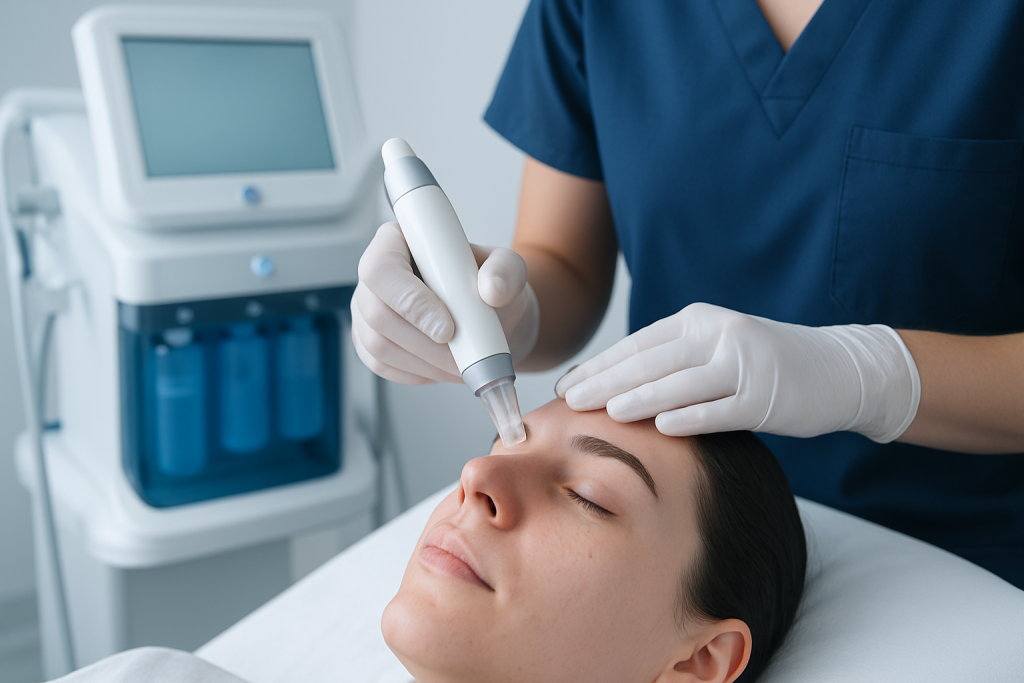
Blackheads are a type of open comedone. They often look like tiny dark dots or slightly raised bumps, and they may feel rough to the touch. Unlike inflamed pimples, blackheads usually do not hurt or become red unless they are irritated by picking, harsh products, or aggressive exfoliation.
Some people notice blackheads as part of oily skin or acne-prone skin, while others see them mainly in areas with larger pores. They can appear alone or alongside whiteheads, which are similar clogged pores but stay closed at the surface.
It is useful to remember that not every dark spot on the skin is a blackhead. Ingrown hairs, sebaceous filaments, freckles, and certain skin lesions can look similar. If a spot changes shape, bleeds, becomes painful, or seems unusual, it should be checked by a clinician rather than treated as a routine pore clog.
Causes and Risk Factors
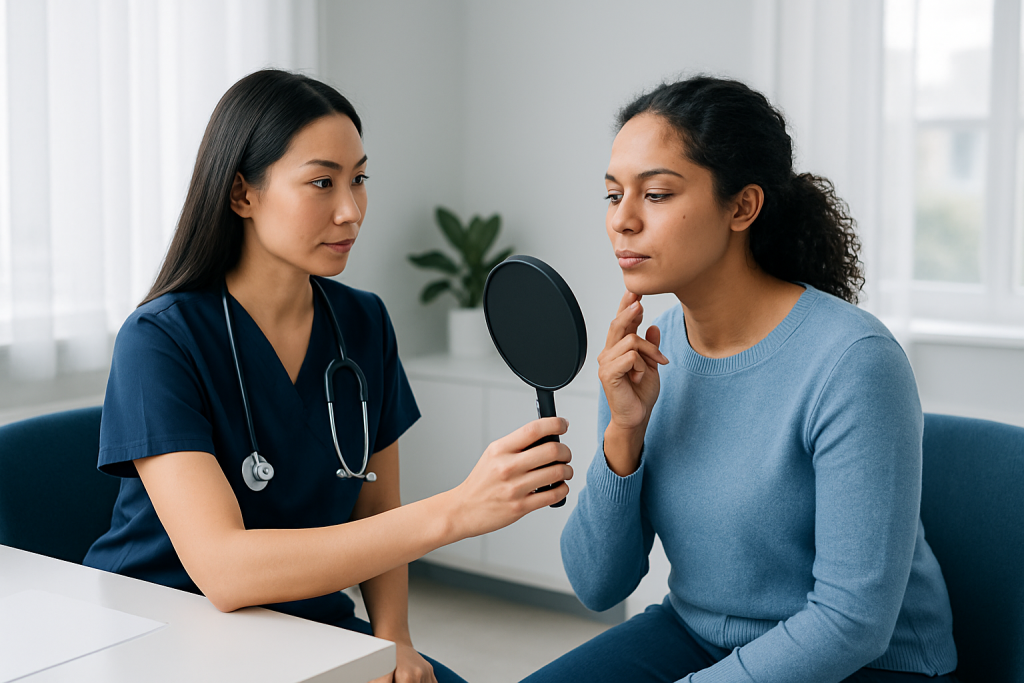
Blackheads develop when the opening of a pore becomes blocked by sebum, dead skin cells, and sometimes makeup or environmental residue. Once the pore is open at the surface, the trapped material darkens through oxidation. This process is more likely when skin produces extra oil or when skin cell turnover is not balanced.
Several factors can make blackheads more likely. Hormonal shifts may increase oil production, which is why blackheads are common during adolescence but can also continue into adulthood. Thick creams, pore-clogging cosmetics, heavy sunscreen textures, and frequent sweating may contribute in some people, especially if the skin is not cleansed gently after exposure.
Risk is also influenced by skin type and habits. Overwashing, harsh scrubs, and alcohol-heavy toners can irritate the skin barrier, sometimes making oil production and breakouts worse. A family tendency toward acne-prone skin can also play a role.
- Oily or combination skin
- Hormonal changes
- Comedogenic skincare or makeup products
- Heavy sweating and not cleansing afterward
- Picking, squeezing, or repeated friction on the skin
Diagnosis
In most cases, blackheads are diagnosed by looking closely at the skin. A dermatologist usually does not need blood tests or scans. The main task is to confirm that the spots are truly blackheads and not another condition that needs different care.
During an in-person visit, a clinician may ask about skincare products, cleansing habits, acne history, medications, and any recent changes in hormones or stress. That practical conversation is often more useful than people expect, because the best treatment depends on the pattern of breakouts and the skin’s tolerance to products.
For international patients, diagnosis can be especially helpful when time is limited and a clear plan is needed before traveling back home. A specialist can identify whether simple over-the-counter treatment is appropriate or whether a more structured acne regimen would be safer and more effective.
Treatment Options
There is no single best blackhead remover for everyone. The most effective plan often combines a gentle cleanser with ingredients that keep pores clear over time. Salicylic acid is commonly used because it helps loosen oil and dead skin inside the pore. Topical retinoids may also help by normalizing skin cell turnover and preventing new clogs.
When blackheads are stubborn, professional extraction can remove trapped material from individual pores. This should be done by trained clinicians or estheticians working under medical guidance, because improper squeezing can inflame the skin or leave marks. In some cases, dermatologists may recommend additional acne therapies if blackheads are part of broader acne.
Common treatment approaches include:
- Gentle, non-drying cleansers used regularly
- Salicylic acid cleansers or leave-on products
- Topical retinoids for recurring blackheads
- Professional comedone extraction
- Other acne treatments if inflammation is also present
Pore strips and extraction tools may remove surface debris temporarily, but they do not correct the tendency to form blackheads and can irritate sensitive skin. Strong scrubs and frequent peeling products may also backfire if they damage the skin barrier.
Prevention and Self-care
The most reliable way to reduce blackheads is a routine that keeps pores clear without stressing the skin. That usually means cleansing once or twice daily with a mild product, removing makeup before bed, and choosing skincare labeled non-comedogenic when possible. For people who travel often, especially across climates, keeping the routine simple makes it easier to stay consistent.
Sun protection and moisturizer still matter, even for oily skin. Lightweight, non-comedogenic moisturizers can help support the skin barrier, which may reduce the cycle of irritation and overproduction of oil. If a person is using retinoids or exfoliating acids, sunscreen is particularly important because these treatments can increase sensitivity.
Helpful habits include:
- Avoid picking, squeezing, or using unsterilized tools at home
- Wash skin after heavy sweating
- Choose makeup and sunscreen that do not clog pores
- Introduce one new product at a time to spot irritation early
- Use exfoliating ingredients only as directed, not in layers that overwhelm the skin
Consistency matters more than intensity. A calm, steady routine often works better than frequent “deep cleaning” sessions.
When to See a Doctor
Medical advice is a good idea when blackheads are widespread, persistent, painful, or accompanied by inflamed acne. A dermatologist can help separate ordinary blackheads from other skin concerns and can build a plan that fits the person’s skin type and schedule.
It is also wise to seek care if over-the-counter products have been used correctly for several weeks without improvement, or if they cause burning, excessive dryness, or worsening redness. People with darker skin tones may especially benefit from early guidance, since irritation and picking can increase the chance of post-inflammatory marks.
If someone is traveling for treatment, follow-up planning matters. The clinician can recommend a regimen that is practical to continue at home, explain what to expect during recovery after extractions or other procedures, and advise when another review is needed. Acibadem Health Point’s multidisciplinary specialists and JCI-accredited hospitals diagnose and treat blackheads and related acne concerns for international patients in a coordinated way.
Living With Recurring Blackheads
Recurring blackheads can be frustrating, but they are often manageable once the skin’s pattern is understood. Many people do best with a combination of daily maintenance and occasional professional care, rather than trying to remove every clog as soon as it appears. This reduces irritation and helps skin look smoother over time.
It may help to think of blackhead care as maintenance rather than a one-time fix. The pore environment changes with hormones, climate, cosmetics, stress, and routine, so treatment may need small adjustments over time. A dermatologist can help decide whether the issue is mainly blackheads, another type of acne, or a mix of both.
When care is individualized, patients usually have a clearer path forward and fewer unnecessary product trials. That can be especially reassuring for people balancing treatment with travel, work, or family responsibilities.
Frequently asked questions
What is the safest blackhead remover?
There is no single best product for everyone, but salicylic acid and topical retinoids are commonly recommended by dermatology professionals. The safest choice is usually one that is gentle, non-comedogenic, and used consistently rather than aggressively. If the skin becomes irritated, the routine should be simplified and reviewed by a doctor.
Can blackheads be removed at home?
Mild blackheads may improve with regular cleansing and over-the-counter acne products. Squeezing or using sharp tools at home is not recommended because it can irritate the skin and may cause marks. If at-home care is not helping, professional extraction may be a better option.
Do pore strips really work for blackheads?
Pore strips may remove some surface debris temporarily, especially on the nose. They do not stop pores from clogging again, and repeated use can irritate sensitive skin. They are best viewed as an occasional cosmetic option, not a long-term treatment plan.
How long does it take to see improvement?
Results depend on the product and how regularly it is used. Gentle acne treatments usually need consistent use over time before the skin looks clearer. If there is no improvement after a reasonable trial, a dermatologist can suggest a more targeted plan.
Are blackheads caused by poor hygiene?
No, blackheads are not simply a sign of poor hygiene. They develop because pores become clogged with oil and dead skin cells, which can happen even with good cleansing habits. Overwashing can actually make the skin more irritated and less balanced.
When should blackheads be checked by a dermatologist?
A dermatologist should assess blackheads if they are painful, widespread, recurring, or not improving with standard over-the-counter care. It is also important to seek evaluation if a spot does not look typical for a blackhead or seems to change over time. A proper diagnosis helps avoid unnecessary irritation and leads to better treatment choices.
References
- American Academy of Dermatology
- Mayo Clinic
- National Institute of Arthritis and Musculoskeletal and Skin Diseases
- Cleveland Clinic
This article is for general information only and is not a substitute for professional medical advice. Please consult a qualified doctor about your individual situation.