Sebaceous Filaments: Causes and Treatment

Key Takeaways
- Sebaceous filaments are normal, not a disease or infection.
- They are often mistaken for blackheads, but they behave differently.
- Gentle cleansing and oil-balancing skin care may make them less visible.
- Picking, squeezing, and harsh scrubs can irritate the skin and worsen redness.
- A dermatologist can help if pores look inflamed, painful, or persistently clogged.
Medically reviewed by the Acıbadem clinical team — August 19, 2026
Sebaceous filaments are a normal part of skin anatomy, most often seen on the nose and central face. They can be managed with gentle skin care, but they do not usually disappear completely because they help move oil through the pore.
Overview
Sebaceous filaments are tiny, tube-like structures inside the pores that help sebum, the skin’s natural oil, move toward the surface. They are most noticeable on the nose, cheeks, and chin, especially in people with oilier skin or more visible pores.
Because they can look like gray, tan, or dark dots, many people assume they are blackheads. In reality, sebaceous filaments are a normal feature of skin anatomy, while blackheads are a type of acne lesion created by a clogged pore. That difference matters, because sebaceous filaments can be managed, but they usually cannot be removed permanently.
For someone deciding whether to seek care, the main question is often practical: is this simply a cosmetic concern, or is the skin also inflamed, painful, or breaking out? If the spots are stable and not uncomfortable, home care is usually the first step. If they are accompanied by acne, irritation, or confusion about the diagnosis, a dermatologist can help clarify what is actually happening in the pore.
What Sebaceous Filaments Look and Feel Like
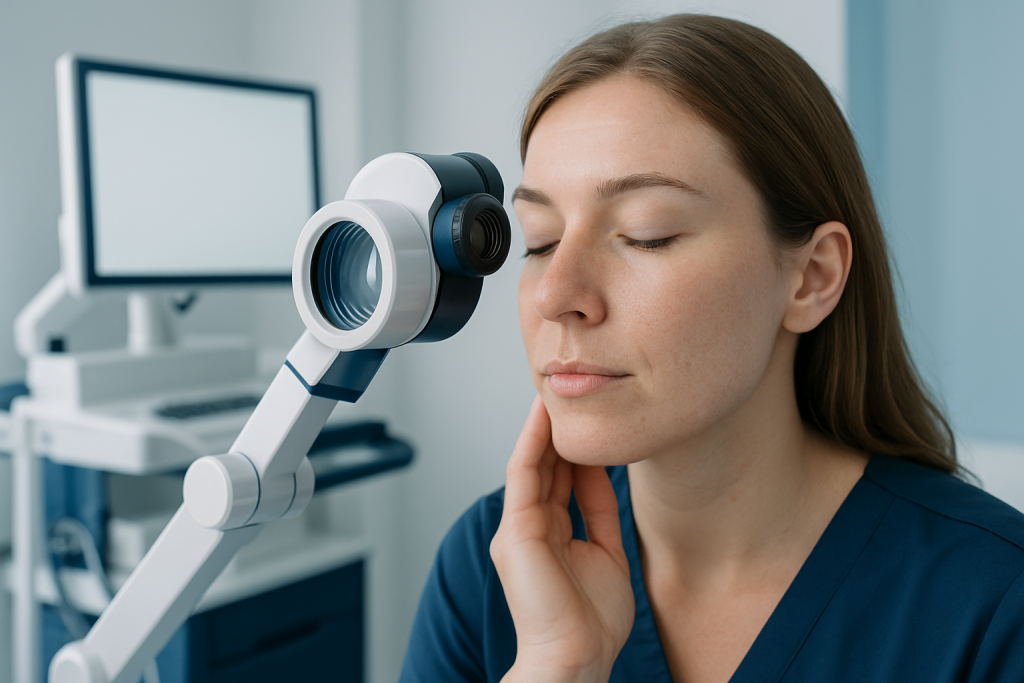
Sebaceous filaments usually appear as uniform dots or fine lines within a pore opening. They may be lighter or darker depending on skin tone, oxidation of oil at the surface, and lighting. The key clue is that they tend to look even and repeat in a predictable pattern, rather than appearing as isolated, inflamed bumps.
They are most common on the nose because that area has many oil glands. Some people also notice them on the forehead or cheeks. Unlike pimples, sebaceous filaments are usually not sore, swollen, or red, and they do not form a pus-filled head.
It can help to think of them as part of the skin’s drainage system. The visible material in the pore is mostly sebum mixed with dead skin cells, not dirt. This is why aggressive scrubbing often makes the skin feel worse without solving the problem.
How They Differ From Blackheads and Other Pore Concerns

Blackheads and sebaceous filaments can look similar at a glance, but they are not the same. A blackhead is a clogged pore in which oil and dead skin cells become trapped and darken at the surface. A sebaceous filament is a normal lining inside the pore that helps channel oil outward.
Blackheads are usually more discrete and can be part of acne. Sebaceous filaments are typically more diffuse, numerous, and evenly spaced. They may become more visible when the skin is oily, when pores are enlarged, or after using products that dry the skin too much and trigger rebound oil production.
Other conditions can also create small facial dots or bumps, including milia, acne, and keratosis pilaris. A trained eye can often distinguish them by location, texture, and whether the skin around them is inflamed. For someone traveling for care, bringing clear close-up photos taken in natural light can be surprisingly helpful during a dermatology consultation.
Causes & Risk Factors
Sebaceous filaments become more noticeable when oil production is higher or pore openings are more visible. Genetics plays a role, as does skin type. People with combination or oily skin often notice them more than people with dry skin.
Several everyday factors can make them stand out:
- Hormonal shifts that increase sebum production
- Enlarged pores, especially around the nose
- Heavy or occlusive skin care and makeup products
- Over-cleansing, which can irritate the skin barrier
- Sun exposure, which may make pores appear larger over time
They are not caused by poor hygiene. Washing more often or using stronger products does not “eliminate” them and may actually lead to dryness, redness, and more visible texture. The skin usually responds best to consistency rather than intensity.
Diagnosis
Most of the time, sebaceous filaments are diagnosed by simple visual examination. A clinician looks at the pattern, color, and texture of the pores and asks whether the area is tender, itchy, inflamed, or changing over time. No special test is usually required.
If there is uncertainty, a dermatologist may compare sebaceous filaments with blackheads, enlarged pores, milia, or acne. In some cases, dermoscopy or a close skin exam helps confirm the appearance. This is especially useful when someone has tried many products and is not sure whether the issue is oiliness, clogged pores, or a separate skin condition.
For international patients, it is often useful to keep a short history of what has been tried, how long the concern has been present, and whether the skin reacts to certain products. That information can make a remote pre-travel review or in-person dermatology visit much more efficient.
Treatment Options
There is no permanent procedure that removes sebaceous filaments for good, because they are part of normal pore function. Treatment focuses on making them less visible, preventing excess buildup, and keeping the skin barrier healthy. Results are usually gradual rather than immediate.
Common dermatologist-guided options may include topical retinoids, salicylic acid, or other acne-directed skin care used appropriately for the person’s skin type. These can help reduce oil buildup and keep pores clearer. Some people also benefit from niacinamide-containing products or a simplified routine that avoids heavy, pore-clogging formulas.
Professional treatments such as extraction, chemical peels, or laser-based procedures may be considered in selected cases, especially when enlarged pores or acne are also present. These should be discussed with a qualified clinician, because the best choice depends on skin sensitivity, pigmentation risk, and whether the goal is cosmetic improvement or acne control. A brief, individualized plan is usually more effective than rotating many products at once.
Prevention & Self-care
Daily skin care can make sebaceous filaments less noticeable and reduce frustration. Gentle cleansing twice a day is usually enough for most people. The aim is to remove excess oil without stripping the skin.
A simple routine often works best:
- Use a mild, non-comedogenic cleanser
- Choose lightweight moisturizer if the skin feels dry or tight
- Wear sunscreen daily, since sun exposure can make pores appear larger
- Avoid picking, squeezing, or pore strips that irritate the skin
- Introduce active ingredients slowly and one at a time
Consistency matters more than force. Harsh scrubs, repeated extraction at home, and stacking multiple acids can injure the skin barrier and make the nose or cheeks look redder and rougher. If a product burns or causes persistent peeling, it is usually a sign to scale back and review the routine with a dermatologist.
When to See a Doctor
Medical advice is helpful when the concern is no longer just cosmetic. A dermatologist should be consulted if the area becomes red, painful, itchy, or inflamed, or if the pores are turning into pimples, cysts, or scarring acne. A clinician can also help if the diagnosis is uncertain or if over-the-counter products have made the skin worse.
It is reasonable to seek evaluation if the skin texture changes suddenly, if one side of the face is affected more than the other, or if there is a new rash, crusting, or swelling. These features may point to a different skin condition that needs treatment tailored to the cause.
For people considering care while traveling, sebaceous filaments are usually straightforward to assess in dermatology. Acibadem Health Point’s multidisciplinary specialists and JCI-accredited hospitals can diagnose and treat this condition for international patients, with attention to both medical clarity and practical follow-up after the visit.
Living With Visible Pores
Visible sebaceous filaments can be frustrating, especially in close-up lighting or on camera. Still, they are common and not a sign that the skin is unhealthy. Many people find that their appearance fluctuates with stress, climate, routines, and hormones.
The most sustainable approach is usually to aim for calmer, smoother-looking skin rather than chasing complete removal. That means treating the skin gently, using products that match its oil level, and allowing enough time to judge whether a routine is helping. If expectations are realistic, the day-to-day experience becomes much less stressful.
When needed, a dermatologist can help create a plan that fits the person’s skin, schedule, and travel needs. For some, that may mean a few targeted products; for others, it may mean in-office treatment and follow-up guidance after returning home.
References
The article is informed by standard dermatology references and patient education materials from reputable medical organizations. It is intended for general education and should not replace an individualized assessment by a qualified clinician.
Frequently asked questions
Are sebaceous filaments the same as blackheads?
No. Sebaceous filaments are a normal part of the pore that helps move oil to the skin surface, while blackheads are clogged pores related to acne. They can look similar, especially on the nose, but they are managed differently.
Can sebaceous filaments be removed permanently?
Usually not. Because they are part of normal skin structure, they tend to refill over time. The goal of treatment is to make them less noticeable, not to eliminate them forever.
Is it safe to squeeze sebaceous filaments out?
It is best not to squeeze or pick them. That can irritate the skin, cause redness, and sometimes lead to broken capillaries or scarring. Gentle skin care is a safer approach.
Do pore strips help sebaceous filaments?
They may make the skin look temporarily clearer, but the effect is brief and can be irritating for some people. Repeated use may not improve the underlying issue and can be too harsh for sensitive skin.
Which ingredients are often used to manage them?
Dermatologists often suggest ingredients that help keep pores clear, such as salicylic acid or retinoids, depending on skin type. These should be introduced carefully, especially if the skin is dry or sensitive.
When should a person get the skin checked?
A check-up is a good idea if the area becomes red, painful, itchy, or starts forming acne-like bumps. It is also helpful if the person is unsure whether the spots are sebaceous filaments, blackheads, or another skin condition.
References
This article is for general information only and is not a substitute for professional medical advice. Please consult a qualified doctor about your individual situation.
Explore treatments in Turkey — costs, top hospitals & a free quote
JCI-accredited · board-certified surgeons · reply within 24h
Add us as a Preferred Source to see more of our trusted health content across Google Search, AI Overviews and Discover.