

How To Make Your Period Come Faster

Key Takeaways
- A late period is common and often linked to stress, travel, illness, weight changes, or hormonal variation.
- There is no guaranteed or instant way to bring on a period safely at home.
- The first step for anyone who may be pregnant is to take a pregnancy test and speak with a clinician if needed.
- Lifestyle measures such as rest, balanced eating, and stress reduction may support cycle regularity over time.
- Medical evaluation is important if periods are repeatedly irregular, very painful, or absent for several months.
Medically reviewed by the Acıbadem clinical team — August 19, 2026
A late period can happen for many everyday reasons, from stress to travel to hormonal shifts. This article explains what may help, what to avoid, and when a doctor’s advice is the safest next step.
Overview
Many people search for ways to make a period come faster when a cycle seems delayed, especially before a trip, event, or important appointment. The body’s menstrual rhythm can feel predictable for months and then suddenly shift, which can be frustrating but is often not a sign that something is seriously wrong.
In most cases, the question is less about “forcing” a period and more about understanding why it is late. Stress, changes in sleep, recent illness, travel across time zones, changes in exercise or weight, and hormone-related conditions can all affect timing. If pregnancy is possible, that possibility should be checked first before trying any home approach.
There is no proven, universally safe method that reliably triggers a period on demand. A careful approach focuses on identifying the cause, avoiding unsafe remedies, and deciding when medical evaluation is the most sensible next step.
Why periods become delayed
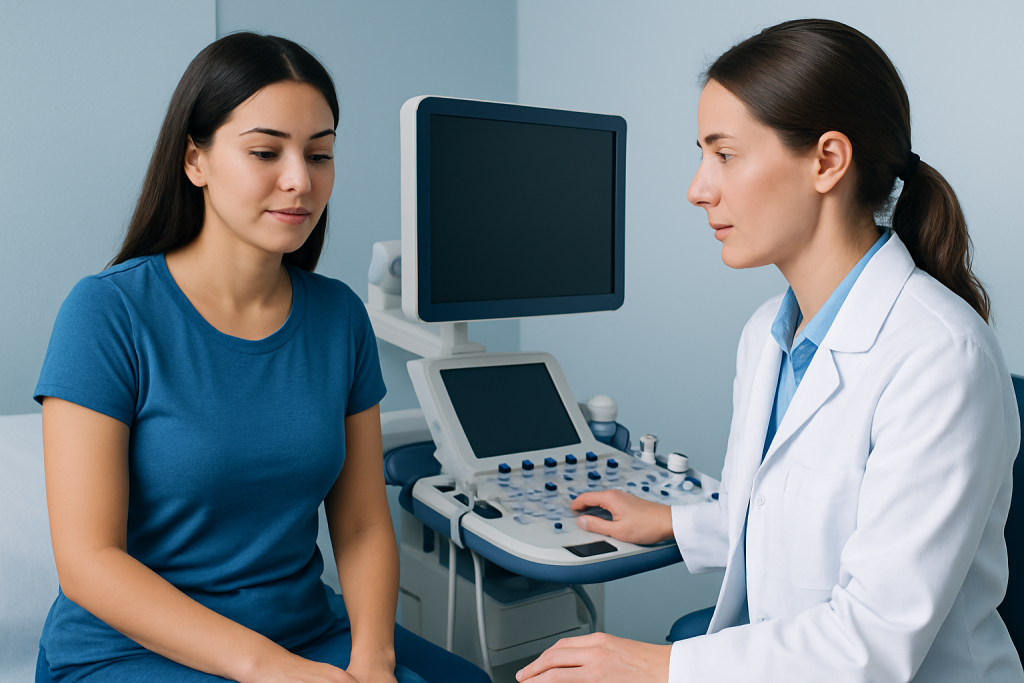
The menstrual cycle is regulated by a network involving the brain, ovaries, and hormones. Even small disruptions in this system can shift ovulation, and when ovulation changes, the period usually changes too. That is why a single late period can happen even in someone who usually has a steady cycle.
Common reasons for delay include emotional stress, poor sleep, intense training, major changes in body weight, recent infection, thyroid problems, polycystic ovary syndrome, and the start or stop of hormonal contraception. Breastfeeding and the years leading up to menopause can also make cycles less predictable.
Sometimes the cause is simple and temporary. At other times, a delayed period may be one part of a broader pattern of irregular cycles that deserves a medical review, especially if it happens repeatedly.
Symptoms and signs to watch for

A late period may appear as a cycle that arrives several days or weeks later than expected, or as a missed period altogether. Some people also notice premenstrual symptoms such as breast tenderness, bloating, mood changes, or mild cramping without bleeding starting.
It is important to pay attention to the whole picture rather than the calendar alone. Spotting, unusual pelvic pain, fever, unusual discharge, dizziness, or very heavy bleeding after a delay can point to a different issue and may need medical assessment.
- Period is late by more than a few days compared with the usual pattern
- Periods have become irregular over several months
- There is a chance of pregnancy
- Severe pain, fainting, or heavy bleeding occurs
Tracking cycle length, symptoms, stress levels, and recent changes in routine can help a doctor identify what is affecting the cycle. This is especially useful for people who travel often or live across multiple time zones, since timing changes may be easy to overlook.
What may help — and what should be avoided
The safest first step is to confirm whether pregnancy is possible. If it is, a home pregnancy test can be an appropriate starting point, followed by medical advice if the result is positive or uncertain. This is important because some remedies marketed online are not safe in pregnancy.
For a delayed period that is not related to pregnancy, gentle self-care may support the body’s natural rhythm. Rest, regular meals, adequate hydration, moderate movement, and stress-reduction strategies such as breathing exercises or calming routines can be helpful, especially if the delay followed a demanding period of travel or emotional strain.
It is best to avoid products or internet tips that promise to “start” a period quickly, especially herbal mixtures, unregulated supplements, or high-dose vitamins taken without medical advice. These can cause side effects, interact with medicines, or delay proper diagnosis of an underlying problem.
Medical causes that need attention
When periods are often late or absent, the cause may be a hormone condition that needs testing and treatment. Polycystic ovary syndrome is a common example, but thyroid disease, high prolactin levels, ovarian insufficiency, and certain medications can also disrupt bleeding patterns.
Sometimes the issue is not just timing but the quality of the cycle itself. Very painful periods, very heavy bleeding, bleeding between periods, or a sudden and persistent change in pattern may suggest conditions such as fibroids, endometriosis, or other gynecologic concerns.
In an international-patient setting, it can be useful to collect past test results, a medication list, and recent cycle notes before traveling for care. That makes it easier for the specialist team to move quickly from questions to focused testing and a practical plan.
Diagnosis
Doctors usually begin with questions about menstrual history, sexual activity, recent stressors, weight changes, exercise, medication use, and pregnancy risk. A physical examination may be recommended, and the next steps depend on the pattern of symptoms and the person’s age and overall health.
Testing often starts with a pregnancy test when appropriate. Depending on the situation, blood tests may be used to check hormone levels, thyroid function, anemia, or other markers. A pelvic exam or ultrasound may be suggested if pain, heavy bleeding, or structural causes are suspected.
Diagnosis is often a step-by-step process rather than a single test. That is especially true when the problem has been developing gradually, because a late period can be one sign among several that point to an underlying hormonal or reproductive issue.
Treatment options
Treatment depends on the reason the period is delayed. If stress, sleep disruption, or changes in routine are the main factors, doctors may recommend supportive lifestyle changes and observation. If pregnancy is involved, care changes entirely and should follow obstetric guidance.
When a hormone imbalance or other medical condition is found, treatment may address that specific cause. For example, thyroid disorders, polycystic ovary syndrome, or medication-related changes are managed differently, and the aim is not only to restore bleeding but also to protect long-term health.
In some cases, a clinician may discuss hormonal treatment to regulate cycles, but this is individualized and depends on the person’s medical history. The most appropriate option is chosen after considering symptoms, future fertility plans, and whether there are any reasons to avoid hormones.
Prevention and self-care
Periods are not always perfectly predictable, but a consistent daily routine can help many people support cycle regularity. Eating regularly, sleeping enough, keeping exercise balanced rather than extreme, and managing stress may all reduce cycle disruption over time.
It can also help to track periods in a calendar or app, along with travel dates, major life events, changes in weight, and any new medicines. This kind of record is particularly useful for people who move between countries frequently or have work schedules that change often.
If contraception is being used, taking it correctly and discussing any irregular bleeding with a healthcare professional can prevent confusion about what is a normal side effect and what should be checked. Self-care is supportive, but it is not a substitute for evaluation when cycles become consistently abnormal.
When to see a doctor
Medical advice is sensible if a period is late and pregnancy is possible, if cycles are repeatedly irregular, or if there has been no period for three months or more when this is unusual for the person. A doctor should also be consulted sooner if there is severe pain, very heavy bleeding, fever, or fainting.
It is also worth seeking help if delayed periods come with acne, excess facial hair, hair thinning, major weight change, nipple discharge, or symptoms of thyroid imbalance such as heat or cold intolerance, fatigue, or palpitations. These clues can help point toward the underlying cause.
For Myomectomy Recovery for International Patients: The Usual Travel Timeline" class="ahp-ilk">international patients, a planned appointment can be a practical way to bundle evaluation, testing, and follow-up in one trip. Acibadem Health Point’s multidisciplinary specialists and JCI-accredited hospitals diagnose and treat women’s health conditions for international patients with coordinated care and clear follow-up planning.
Frequently asked questions
How can someone make their period come faster at home?
There is no guaranteed safe home method that reliably starts a period. The safest first step is to check for pregnancy if that is possible, then focus on rest, regular meals, hydration, and stress reduction while waiting for the cycle to settle.
Can stress really delay a period?
Yes. Stress can affect the hormones that control ovulation, which can shift or delay the next period. Even short-term emotional strain, major life changes, or travel can affect timing.
Is it safe to use herbs or supplements to bring on a period?
Not necessarily. Some products are unregulated, may interact with medicines, and can be unsafe if pregnancy is possible. A doctor can help decide what is appropriate and avoid unnecessary risk.
When should a late period be checked by a doctor?
A doctor should be contacted if pregnancy is possible, if periods are repeatedly irregular, or if there is no period for several months when that is unusual. Severe pain, heavy bleeding, or fainting should be assessed promptly.
What if the period is late but pregnancy test is negative?
A negative test does not explain why the period is delayed. If the cycle remains absent or irregular, a clinician may look for stress-related changes, hormone issues, thyroid problems, medication effects, or other causes.
Can travel affect the menstrual cycle?
Yes. Changes in sleep, time zones, activity, meals, and stress can all affect ovulation and timing. Many people notice a one-time delay after long-distance travel or a disrupted routine.
References
- American College of Obstetricians and Gynecologists
- Office on Women’s Health
- Mayo Clinic
- National Health Service
- World Health Organization
This article is for general information only and is not a substitute for professional medical advice. Please consult a qualified doctor about your individual situation.
IVF & fertility treatment in Turkey — success rates and costs
JCI-accredited · board-certified surgeons · reply within 24h
Add us as a Preferred Source to see more of our trusted health content across Google Search, AI Overviews and Discover.
More from the Health Library



Related Specialists

Dr. Gamze Karababa
Gynecology & Obstetrics
Dr. Onur Özdenoğlu
Gynecology & Obstetrics
Dr. Selcen Bahadır
Gynecology & Obstetrics
Prof. Dr. A. Taner Usta
Gynecology & Obstetrics