How To Get Rid Of A Canker Sore

Key Takeaways
- Canker sores usually heal without treatment, but symptom relief can help meals, speaking, and brushing feel more manageable.
- Common triggers include minor mouth irritation, stress, certain foods, and nutritional deficiencies in some people.
- A clinician may recommend medicated mouth rinses, topical therapies, or further evaluation if sores are frequent, severe, or slow to heal.
- Good oral hygiene, a soft diet, and avoiding acidic or spicy foods can reduce irritation while a sore is healing.
- Ongoing or unusually large mouth ulcers should be checked, especially if they come with fever, weight loss, rash, or difficulty swallowing.
Canker sores are small but often painful mouth ulcers that usually heal on their own. Gentle home care, avoiding triggers, and knowing when symptoms need medical attention can make the healing period easier.
Overview
A canker sore is a small ulcer that forms inside the mouth, usually on the inner lips, cheeks, tongue, or the floor of the mouth. It is different from a cold sore, which is caused by the herpes simplex virus and tends to appear on the outside of the mouth or on the lips.
For most people, a canker sore is a temporary irritation rather than a sign of something serious. The question is often not how to eliminate it instantly, but how to calm the pain, protect the area from further rubbing, and help the mouth recover as comfortably as possible.
Because eating, talking, and brushing can all sting, even a small ulcer can feel disruptive. The good news is that many canker sores heal on their own within one to two weeks, and practical self-care can make that period easier to manage.
Symptoms
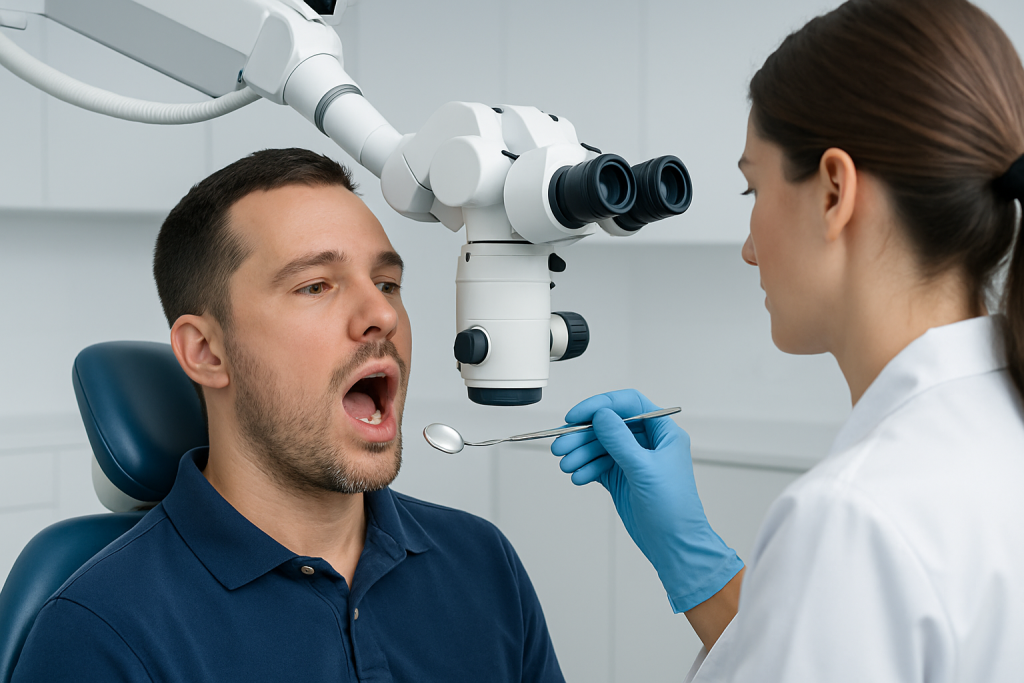
Canker sores usually begin as a tender spot that may look white, yellow, or gray in the center with a red border around it. They can be round or oval and are often found where the mouth tissue is soft and easily irritated.
Many people notice burning or tingling before the ulcer fully appears. Once present, the sore may hurt more with acidic foods, salty snacks, rough textures, or even a toothbrush brushing past the area.
Common features include:
- Small, shallow ulcers inside the mouth
- Pain that is often out of proportion to the sore’s size
- Difficulty eating spicy, crunchy, or acidic foods
- Temporary discomfort when speaking or brushing teeth
Unlike some infections, canker sores do not usually cause blistering on the outside of the mouth. They also do not spread from person to person.
Causes & Risk Factors

The exact reason a canker sore appears is not always clear. In many cases, several small factors come together, such as minor trauma from biting the cheek, a sharp tooth edge, aggressive brushing, or irritation from dental work or braces.
Stress, lack of sleep, hormonal shifts, and certain foods may make some people more likely to develop recurrent ulcers. Acidic fruits, tomatoes, chocolate, and spicy foods are common triggers for some, though not for everyone.
Some canker sores are associated with broader health issues. Repeated episodes can sometimes occur alongside vitamin or iron deficiencies, inflammatory bowel disease, celiac disease, or immune-related conditions. Family history may also play a role in people who have ulcers again and again.
Risk may be higher in people who:
- Often bite the inside of the mouth or have dental appliances that rub
- Experience frequent stress or poor sleep
- Have nutritional deficiencies
- Have a history of recurrent mouth ulcers
Diagnosis
Most canker sores are diagnosed by looking at the mouth and hearing the patient’s story. A clinician will usually ask when the sore started, how often it returns, whether there has been recent trauma, and whether there are other symptoms such as fever, skin changes, or digestive problems.
In straightforward cases, no tests are needed. If the ulcers are unusually frequent, large, slow to heal, or appear with other concerning features, a doctor or dentist may suggest blood tests or other evaluations to look for nutritional deficiencies or underlying conditions.
This step is especially useful for international patients who are planning care across countries. A clear diagnosis before travel can help determine whether a problem is likely to resolve with local treatment or whether it needs a more complete workup during a specialist visit.
Treatment Options
There is no single treatment that instantly removes a canker sore, but several approaches can reduce pain and shorten the uncomfortable phase. For many people, the first goal is to protect the ulcer from further irritation while the mouth heals naturally.
Home measures often include rinsing gently with salt water or another non-irritating mouth rinse, choosing soft and cool foods, and avoiding alcohol-based mouthwash. A soft toothbrush can help maintain oral hygiene without scraping the sore.
When discomfort is more significant, a clinician may recommend topical treatments to reduce pain or inflammation. In some cases, prescription mouth rinses or other medicines may be used, especially when sores are large, persistent, or recurring.
Useful treatment approaches may include:
- Topical pain-relieving gels or protective pastes recommended by a clinician
- Rinses that help keep the area clean and lessen irritation
- Treatment of underlying deficiencies or medical conditions
- Dental adjustments if a sharp edge, brace, or appliance is repeatedly causing injury
People should avoid applying harsh household remedies directly to the sore, since these can worsen irritation. If a sore does not improve as expected, professional assessment is more useful than trying stronger self-treatment at home.
Prevention & Self-care
Prevention starts with noticing patterns. If certain foods, stress periods, or oral care habits seem to precede an outbreak, adjusting those factors may reduce the number of future sores.
Gentle oral care is an important part of prevention and recovery. Using a soft-bristled toothbrush, brushing carefully, and keeping the mouth clean can lower irritation while also reducing the chance of secondary problems.
Helpful self-care habits include:
- Choosing bland, soft foods while a sore is active
- Drinking enough fluids to keep the mouth from becoming dry
- Avoiding very hot, spicy, salty, or acidic foods if they sting
- Managing stress and sleep as part of overall health
- Checking with a dentist about sharp fillings, rough teeth, or braces that rub
For people traveling for treatment, it can help to bring a list of triggers, any supplements taken, and a history of prior episodes. That information can make follow-up visits more efficient, especially when care is coordinated between home and an international clinic.
When To See a Doctor
Medical or dental review is sensible if a sore lasts longer than expected, becomes unusually large, or returns often. Care should also be sought if the pain is severe enough to interfere with eating or drinking, since dehydration and poor nutrition can become a problem when the mouth hurts.
Prompt evaluation is important if mouth ulcers occur with fever, rash, swollen glands, eye symptoms, weight loss, genital sores, or digestive symptoms such as persistent diarrhea. These combinations can point to something broader than an isolated canker sore.
It is also worth arranging an appointment if the sore looks different from past episodes, appears on the lips’ outer surface, or has a firm lump, bleeding that does not settle, or an irregular border. When in doubt, a clinician can distinguish a common ulcer from other mouth conditions.
Acibadem Health Point’s multidisciplinary specialists and JCI-accredited hospitals diagnose and treat conditions like recurrent mouth ulcers for international patients, with care plans tailored to the patient’s needs and follow-up requirements.
Living With Recurrent Mouth Ulcers
For people who get canker sores repeatedly, the most helpful strategy is often pattern recognition combined with practical prevention. Keeping a simple record of when ulcers appear, what foods were eaten, whether stress levels were high, and whether any dental irritation was present can reveal useful clues.
Recurrent sores can be frustrating, but they are usually manageable once triggers are identified and basic oral care is adjusted. A dentist or doctor may also check for conditions that make healing slower or mouth tissue more vulnerable.
If recurrent ulcers are part of a larger health concern, coordinated care matters. Patients who travel for treatment may benefit from a plan that includes diagnosis, local treatment, and a clear follow-up strategy once they return home.
Frequently asked questions
How to get rid of a canker sore quickly?
There is usually no instant way to remove a canker sore, but the pain can often be eased with gentle mouth rinses, soft foods, and clinician-recommended topical treatments. Most sores heal on their own within one to two weeks.
Are canker sores the same as cold sores?
No. Canker sores form inside the mouth and are not caused by the herpes virus, while cold sores usually appear on the lips or around the mouth and are contagious.
What foods should be avoided with a canker sore?
Acidic, spicy, salty, and rough-textured foods often sting and can make a sore feel worse. Soft, bland foods are usually easier to tolerate until the area heals.
Why do canker sores keep coming back?
Recurrent sores can be linked to mouth irritation, stress, nutritional deficiencies, or sometimes an underlying medical condition. A clinician can help look for patterns and decide whether testing is needed.
Should a canker sore be checked by a doctor?
Yes, if it lasts more than expected, is very large or painful, or happens often. It should also be assessed if it comes with fever, weight loss, rash, swelling, or trouble swallowing.
Can mouthwash help a canker sore?
Some gentle rinses may help keep the mouth clean and reduce irritation, but alcohol-based mouthwash can sting and is often best avoided while a sore is active. A dentist or doctor can suggest a suitable option.
References
- Mayo Clinic
- Cleveland Clinic
- American Dental Association
- National Institute of Dental and Craniofacial Research
- NHS
This article is for general information only and is not a substitute for professional medical advice. Please consult a qualified doctor about your individual situation.
Persistent digestive symptoms? Get evaluated in Turkey
JCI-accredited · board-certified surgeons · reply within 24h
Add us as a Preferred Source to see more of our trusted health content across Google Search, AI Overviews and Discover.