

What Causes Canker Sores

Key Takeaways
- Canker sores are not contagious and usually affect the inside of the mouth.
- Common triggers include minor injury, stress, certain foods, and nutritional deficiencies.
- Repeated or severe sores may be linked to underlying medical conditions.
- Most canker sores heal within one to two weeks with supportive care.
- A doctor should assess sores that are unusually large, frequent, or slow to heal.
Canker sores are small, painful ulcers that appear inside the mouth and usually heal on their own, but their causes are often multifactorial. Understanding common triggers, warning signs, and ways to ease discomfort can help patients manage them more confidently.
Overview
Canker sores are small ulcers that form on the soft tissues inside the mouth, such as the inner lips, cheeks, tongue, or floor of the mouth. They often start as a tender spot before developing into a round or oval sore with a white, yellow, or gray center and a red rim.
Many people ask what causes canker sores because the same person may develop them at different times for different reasons. In most cases, there is no single explanation. Instead, canker sores tend to appear when a person has a personal susceptibility plus one or more triggers such as mouth irritation, stress, or a temporary change in general health.
For international patients planning treatment or evaluation abroad, this matters because the issue is usually diagnosed by looking at the mouth and reviewing the pattern over time. A careful history often provides more useful clues than a single test, especially when sores come and go.
Symptoms
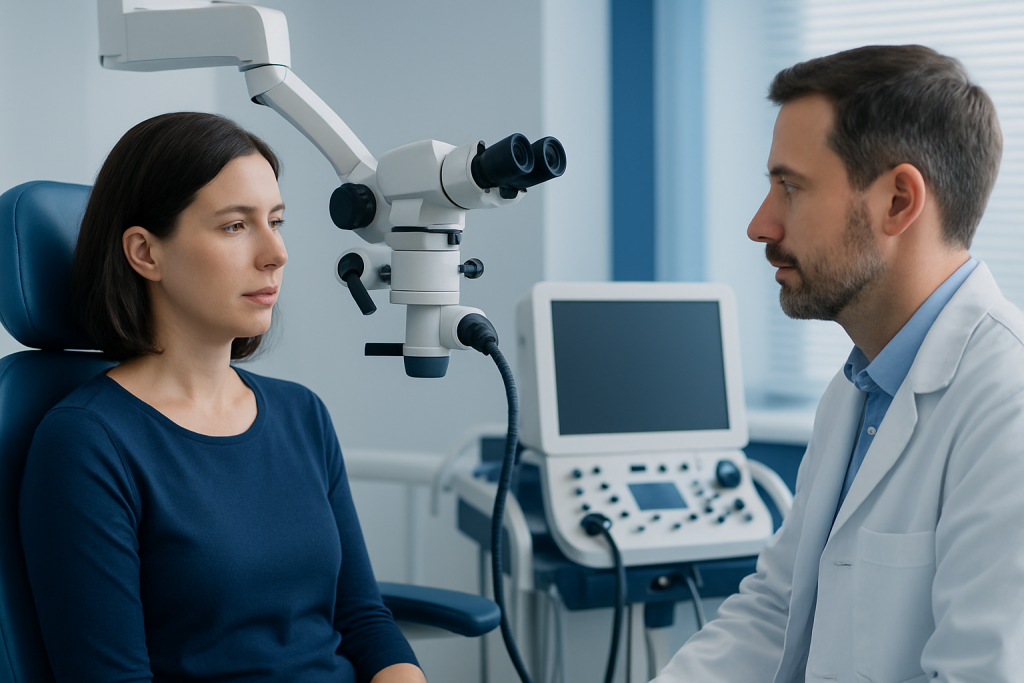
Canker sores usually begin with burning, tingling, or soreness before the ulcer becomes visible. The sore is typically shallow and painful, especially when the person eats salty, acidic, or spicy foods.
Most ulcers are small, but some can be larger and deeper. Larger sores may take longer to heal and can make speaking or swallowing uncomfortable, particularly if they are on the tongue or in areas that rub against teeth or dental appliances.
- Pain or tenderness inside the mouth
- Round or oval ulcer with a pale center
- Red border around the sore
- Discomfort when eating, drinking, or brushing
- Occasional swelling of nearby tissue
Canker sores are different from cold sores, which usually appear on the outer lips and are caused by a virus. That distinction is important because the cause, contagiousness, and treatment approach are not the same.
Causes & Risk Factors

The exact cause of canker sores is not always known, but several patterns are well recognized. Minor trauma is one of the most common triggers, including accidental cheek biting, sharp teeth, braces, rough dentures, or vigorous brushing.
Other common contributors include emotional stress, lack of sleep, hormonal shifts, and certain foods that irritate the mouth in sensitive individuals. Citrus fruits, tomatoes, acidic drinks, and highly seasoned foods may worsen discomfort or seem to bring on episodes in some people.
Nutrition and overall health can also play a role. Recurrent canker sores are sometimes associated with low levels of iron, folate, vitamin B12, or other nutritional issues. They may also be seen more often in people with inflammatory bowel disease, celiac disease, Behçet disease, or a weakened immune system.
Risk can increase when several factors overlap. For example, a traveler adjusting to a new routine, sleep schedule, diet, and stress level may notice more flares, especially if the mouth is already irritated by dry air, dehydration, or dental appliances.
Diagnosis
Diagnosis is usually clinical, meaning a clinician examines the mouth and asks about the pattern of sores. The timing, location, frequency, and duration of the ulcers help separate canker sores from other mouth conditions.
When sores are recurrent, unusually large, or slow to heal, a doctor may look for underlying causes. This may include a review of medications, dietary concerns, digestive symptoms, skin or eye symptoms, and any history of immune or autoimmune disorders.
Tests are not always needed, but they may be considered if the presentation is atypical. Blood tests can help identify anemia or vitamin deficiencies, and further evaluation may be appropriate if the sores suggest another medical condition rather than simple recurrent aphthous ulcers.
Treatment Options
Most canker sores improve without specific treatment, but care focuses on easing pain and helping the mouth heal comfortably. Gentle oral hygiene, avoiding irritating foods, and using non-prescription or prescription mouth treatments may reduce symptoms.
Clinicians may recommend protective mouth rinses, topical pain-relieving products, or anti-inflammatory treatments for more bothersome sores. If an underlying cause such as nutritional deficiency is found, addressing that issue may reduce future episodes.
Supportive measures can include:
- Rinsing with mild saltwater or other soothing solutions as advised
- Choosing soft, non-acidic foods during a flare
- Using a soft-bristled toothbrush
- Avoiding toothpaste or mouth products that irritate the lining of the mouth
- Staying well hydrated
People who travel for care may be reassured that treatment is usually straightforward, but follow-up matters if sores are recurrent. A specialist may adjust the plan based on whether the pattern suggests simple irritation, a deficiency, or a broader health issue.
Prevention & Self-care
Not every episode can be prevented, but patients can often reduce how often canker sores appear by noticing and avoiding personal triggers. A simple symptom diary can help connect flares with foods, stress, fatigue, dental irritation, or changes in routine.
Good oral care is also helpful. Brushing gently, replacing a worn toothbrush, and asking a dentist to smooth a sharp tooth edge or adjust an ill-fitting appliance may reduce repeated trauma to the mouth.
Balanced eating is another practical step. If a clinician suspects a deficiency, dietary improvement or targeted supplementation may be recommended after proper evaluation. It is best not to self-treat with supplements for long periods without guidance, since the right approach depends on the cause.
For patients preparing to travel, it can help to bring a list of past treatments, known triggers, and any related medical conditions. That background often makes specialist review more efficient and can improve continuity once the patient returns home.
When to See a Doctor
Most canker sores do not need urgent medical attention, but a doctor or dentist should assess ulcers that are severe, frequent, or not healing within about two weeks. Repeated sores that interfere with eating or speaking also deserve evaluation.
Medical review is especially important if the sores are accompanied by fever, weight loss, diarrhea, eye pain, skin changes, genital ulcers, or other symptoms outside the mouth. These clues may point to a broader condition that needs proper diagnosis and treatment.
Patients should also seek care if a sore feels unusually hard, bleeds easily, or appears in a location that is not typical for canker sores. A clinician can confirm the diagnosis and rule out other mouth disorders when the appearance is uncertain.
At Acibadem Health Point, multidisciplinary specialists and JCI-accredited hospitals can evaluate and treat this condition for international patients who need coordinated care across specialties. That approach can be especially helpful when mouth ulcers are part of a larger health picture.
Living With Recurrent Canker Sores
When canker sores keep returning, the goal is usually not just to treat one ulcer, but to understand the pattern. That may mean looking at oral habits, recent stressors, nutrition, digestive symptoms, and any medications that could be contributing.
Patients often find that a few small adjustments make a noticeable difference over time. Managing dry mouth, choosing gentler foods during sensitive periods, and treating any corrected deficiency or dental irritation can reduce the burden of future flare-ups.
Because recurrent mouth ulcers can occasionally signal another condition, ongoing communication with a dentist or physician is worthwhile. A calm, step-by-step evaluation usually provides the clearest path to relief and reassurance.
Frequently asked questions
What causes canker sores to keep coming back?
Recurrent canker sores often have more than one trigger. Common contributors include mouth trauma, stress, acidic foods, hormonal shifts, and nutritional deficiencies such as low iron, folate, or vitamin B12. In some cases, they are linked to an underlying medical condition that needs evaluation.
Are canker sores contagious?
No, canker sores are not contagious. They are different from cold sores, which are usually caused by a virus and can spread from person to person.
How long do canker sores usually last?
Most canker sores heal on their own within one to two weeks. Larger sores may take longer, and pain can vary depending on where the ulcer is located and whether it keeps getting irritated.
What foods can make canker sores worse?
Acidic, salty, spicy, or very rough foods may irritate an active sore. Many people also notice discomfort from citrus fruits, tomatoes, and carbonated or acidic drinks during a flare.
Can stress really cause canker sores?
Stress does not usually act as the only cause, but it can be a meaningful trigger in people who are already prone to canker sores. Poor sleep and changes in routine may add to that effect.
When should a person worry about a mouth ulcer?
A sore that lasts more than two weeks, keeps returning often, or comes with other symptoms such as fever, weight loss, diarrhea, eye pain, or genital ulcers should be checked by a doctor or dentist. These features can suggest a condition beyond a simple canker sore.
References
- Mayo Clinic
- Cleveland Clinic
- National Institute of Dental and Craniofacial Research
- American Academy of Oral Medicine
- Merck Manual Professional Edition
This article is for general information only and is not a substitute for professional medical advice. Please consult a qualified doctor about your individual situation.
More from the Health Library



Related Specialists

Dr. Murat Yıldar
Kidney Transplant Center
Dr. Dilek Çoban
Pediatrics
Dr. Ayfer Pepekal Kükrer
Gynecology & Obstetrics
Assoc. Prof. Dr. Ali Titiz
Otorhinolaryngology