How Long To Fast Before Blood Work

Key Takeaways
- Not every blood test requires fasting; many can be done after eating.
- When fasting is needed, 8 to 12 hours is commonly requested, but instructions vary by test.
- Water is usually allowed during a fast and may help make blood draw easier.
- Medicines, coffee, gum, and even flavored drinks can affect some results.
- If instructions are unclear, patients should confirm with the clinic before the test.
Fasting before blood work can help certain lab tests measure glucose, cholesterol, and other substances more accurately. The exact fasting time depends on the test, so patients are usually guided by the ordering clinician or laboratory instructions.
Overview
For many people, the question is not simply whether they should fast before blood work, but which blood work. Some tests are designed to be taken after a period without food so that sugar, fat, or certain hormones can be measured in a more stable state. Others are completely unaffected by eating and may be more convenient when done after a normal meal.
In practical terms, fasting usually means avoiding all food and calorie-containing drinks for a set number of hours before the sample is taken. The most common fasting window is overnight, often 8 to 12 hours, but the right preparation depends on the specific test, the laboratory policy, and the clinician’s goal. For international patients arranging care from another country, the safest approach is to ask for written instructions before travel so the test can be scheduled correctly.
Understanding the reason for fasting helps patients prepare without guesswork. It also reduces the chance of repeating a blood draw because the sample was taken under the wrong conditions. A little planning can make the process smoother and more reliable.
Which Blood Tests Usually Need Fasting?
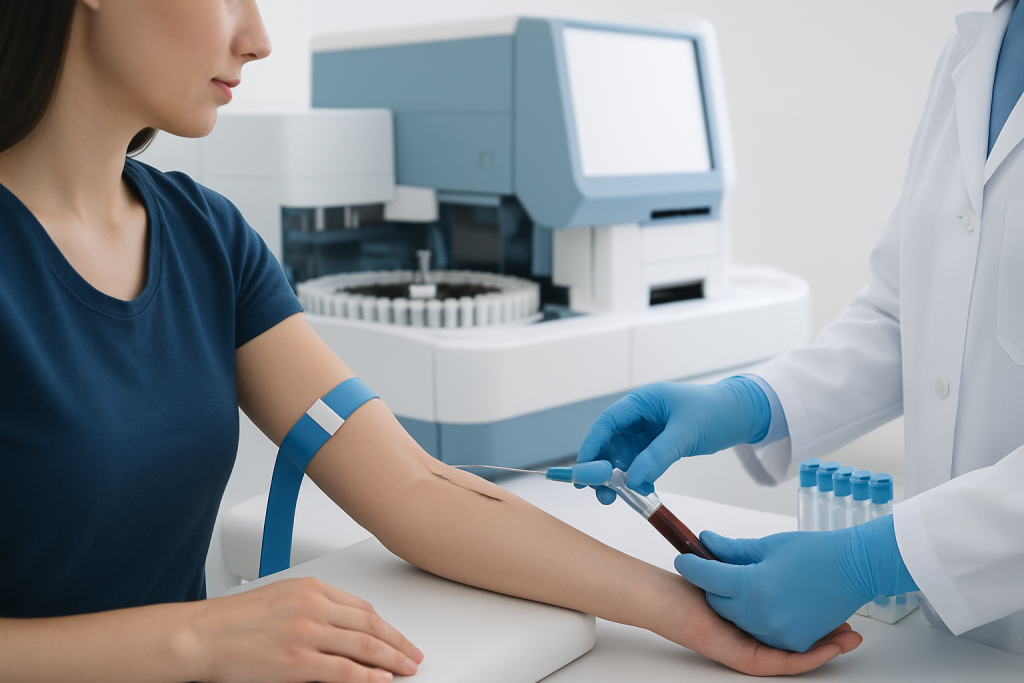
Fasting is most often requested for tests that are influenced by recent food intake. These commonly include blood glucose tests, some lipid or cholesterol measurements, and certain metabolic panels. In some settings, fasting may also be requested for tests that need a very consistent baseline, especially when a clinician is comparing results over time.
That said, many routine tests do not require fasting. Examples often include complete blood counts, thyroid tests, kidney function tests, and many inflammatory markers. Whether fasting is needed can also vary by laboratory method, so two hospitals may give slightly different instructions for the same test name.
- Often fasting: fasting glucose, lipid panel, triglycerides, some metabolic tests
- Usually not fasting: complete blood count, thyroid tests, many liver and kidney tests
- Sometimes case-specific: iron studies, vitamin levels, hormone testing, and specialized panels
Because of this variation, patients should not assume that “blood work” always means fasting. The ordering clinician or lab staff can clarify the preparation needed for each test.
How Long To Fast Before Blood Work

When fasting is required, the most common instruction is to avoid food for 8 to 12 hours before the blood draw. This overnight window is used often because it is long enough for many food-related effects to settle while still being manageable for most people. In many cases, the last meal is taken the evening before an early morning appointment.
The exact duration may be shorter or longer depending on the test. Some laboratories specify 8 hours, while others prefer 10 to 12 hours, especially for certain lipid or glucose-related measurements. Patients should follow the exact instruction they were given rather than relying on a general rule.
Water is usually permitted during the fast and is generally encouraged, since dehydration can make it harder to draw blood and may affect comfort. However, beverages with calories or additives are not usually allowed unless the clinician says otherwise.
What Is Allowed During the Fast?
Fasting rules can be more specific than many patients expect. Plain water is usually allowed, and in many cases it is the only thing recommended. Staying hydrated can help veins remain easier to access and may reduce the chance of lightheadedness during the blood draw.
Other items are commonly avoided because they can affect test results or technically break the fast. These include coffee with milk or sugar, tea with sweeteners, juice, soft drinks, sports drinks, chewing gum, mints, candies, and snacks. Even small amounts of calorie-containing beverages may matter for certain tests.
Medication use is another important point. Some medicines should be taken as usual, while others may need special timing before blood work. Patients should never stop prescribed treatment on their own; instead, they should ask the clinician or laboratory whether any morning medicines should be delayed until after the sample is collected.
Why Fasting Matters for Accuracy
Eating changes the body in predictable ways. Glucose rises after a meal, lipids can shift, and hormones or enzymes may fluctuate depending on the test and the time of day. Fasting creates a more standardized starting point, which helps the laboratory and clinician interpret the result correctly.
This does not mean that non-fasting results are always unreliable. In fact, many modern tests are designed to be useful without fasting. But when fasting is requested, it is usually because the clinician needs a cleaner comparison or wants to reduce the chance that a recent meal will blur the picture.
For patients coming from abroad, this can matter even more because pre-travel planning, time-zone changes, and long journeys can affect meal timing. A clear instruction sheet from the clinic helps avoid confusion and prevents an unnecessary delay in diagnosis or follow-up.
How to Prepare the Day Before
The easiest fasting blood test is one that has been prepared for the night before. Patients are usually advised to choose a normal evening meal, then stop eating once the fasting period begins. It is often helpful to schedule the blood draw early in the morning so the fasting window passes while sleeping.
Patients should also think ahead about exercise, alcohol, and late-night snacking. Some clinicians may advise avoiding alcohol before certain tests, and strenuous exercise can sometimes affect lab values. If the patient is traveling, it is sensible to keep the appointment details, preparation instructions, and any medication list in one place.
- Confirm the fasting duration in advance.
- Drink plain water unless told not to.
- Bring a list of medicines and supplements.
- Ask whether coffee, gum, or morning tablets are allowed.
- Plan a meal or snack for after the test, especially if there is a long wait.
A calm, organized approach is usually enough. The goal is not perfection, but simply matching the laboratory’s instructions as closely as possible.
When to See a Doctor or Ask the Lab
If the fasting instructions are unclear, the patient should ask before the blood draw rather than guessing. This is especially important when several tests are being ordered at once, because some may require fasting while others do not. A quick call can prevent confusion and the need for a repeat sample.
Patients should also speak with a clinician if they have diabetes, a history of fainting, pregnancy-related concerns, or any condition that makes fasting difficult or unsafe. In some situations, the test can be scheduled at a safer time, or the clinician may choose a non-fasting alternative. Children, older adults, and people taking regular medicines may need extra guidance.
After the test, patients who feel unwell, dizzy, or unusually weak should inform the healthcare team, especially if they have fasted for a long time. If treatment or follow-up is needed, Acibadem Health Point’s multidisciplinary specialists and JCI-accredited hospitals can help international patients coordinate diagnosis and care with clear instructions and continuity after travel.
Frequently asked questions
How long do you usually fast before blood work?
When fasting is needed, the most common instruction is 8 to 12 hours. The exact time depends on the specific test, so patients should follow the instructions from the ordering clinician or laboratory.
Can I drink water while fasting before a blood test?
Plain water is usually allowed and is often encouraged. It helps with hydration and may make the blood draw easier, but flavored drinks, juice, and coffee are generally avoided unless told otherwise.
Can I take my morning medicines before blood work?
Sometimes yes, sometimes no. Many prescribed medicines should not be stopped without medical advice, so patients should ask the clinic whether to take them before the test or wait until afterward.
Do all blood tests require fasting?
No. Many common tests do not require fasting at all. The need to fast depends on the purpose of the test and the laboratory method used.
What happens if I accidentally eat before a fasting blood test?
The clinic may still draw the blood, but the result could be harder to interpret for tests that depend on fasting. It is best to tell the staff honestly so they can decide whether to proceed or reschedule.
Is black coffee allowed before blood work?
That depends on the test and the lab’s rules, but many fasting instructions allow only plain water. Because coffee can affect some measurements and may break a strict fast, patients should confirm beforehand.
References
- Mayo Clinic
- Cleveland Clinic
- MedlinePlus
- American Association for Clinical Chemistry
- National Health Service
This article is for general information only and is not a substitute for professional medical advice. Please consult a qualified doctor about your individual situation.
Explore treatments in Turkey — costs, top hospitals & a free quote
JCI-accredited · board-certified surgeons · reply within 24h
Add us as a Preferred Source to see more of our trusted health content across Google Search, AI Overviews and Discover.