Pulmonary Function Test
Key Takeaways
- Pulmonary function tests measure how well the lungs take in, move, and release air.
- These tests are often used to evaluate shortness of breath, cough, wheeze, and known lung disease.
- Preparation is usually simple, but some medicines and habits may need to be reviewed before testing.
- Results help doctors compare lung performance with expected values based on age, height, sex, and background factors.
- A pulmonary function test is noninvasive and is generally performed in a few steps during an outpatient visit.
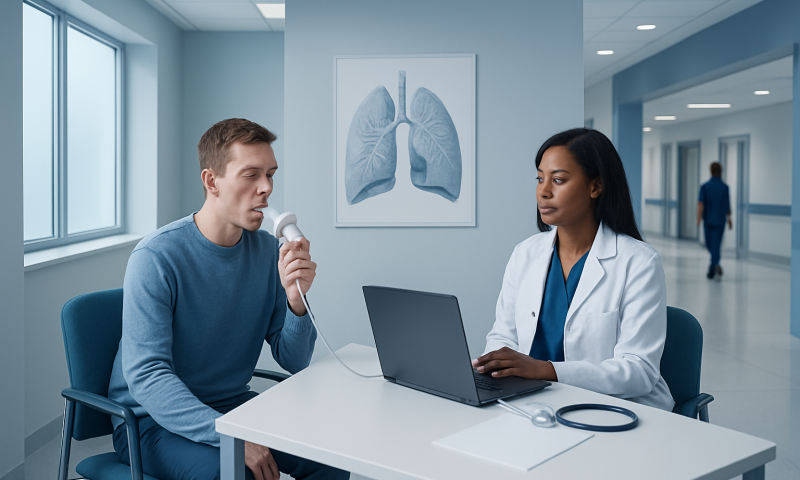
A pulmonary function test is a set of breathing tests that helps doctors assess how well the lungs move air and exchange gases. It can support the diagnosis and follow-up of conditions such as asthma, COPD, and other causes of breathing symptoms.
Overview
A pulmonary function test is not one single exam, but a group of breathing tests that give doctors a clearer picture of how the lungs are working. It can show how much air a person can inhale and exhale, how quickly air moves through the airways, and sometimes how well oxygen and carbon dioxide are exchanged.
For many people, the test becomes part of a practical decision-making path. A doctor may order it after ongoing breathlessness, a persistent cough, repeated chest infections, or a history of smoking or exposure to dust, fumes, or other irritants. It is also commonly used to check how a known lung condition is changing over time.
Because the test is performed without surgery or needles in most cases, it is usually straightforward for patients. The experience can be especially helpful for international patients who want clear answers before planning treatment, travel, or follow-up care, since the results often guide next steps in a very concrete way.
Symptoms That May Lead to Testing
Doctors often suggest pulmonary function testing when symptoms are persistent, unexplained, or interfering with daily activities. A breathing pattern that feels different from a person’s usual baseline can be a useful clue, especially when routine examinations do not fully explain what is happening.
Common reasons for referral include shortness of breath during walking or climbing stairs, wheezing, chronic cough, chest tightness, reduced exercise tolerance, or trouble recovering from respiratory infections. The test may also be used before surgery in selected patients to understand lung reserve.
- Breathlessness without a clear cause
- Ongoing cough, especially if it lasts for weeks
- Wheezing or noisy breathing
- Monitoring asthma, COPD, or other chronic lung disease
- Checking lung health after exposure to smoke, dust, or chemicals
Symptoms alone do not identify the cause, but they can help the doctor decide which parts of lung function need closer attention. That is one reason the test is often paired with a medical history, physical examination, and sometimes imaging or blood tests.
Causes & Risk Factors
Pulmonary function testing is not a diagnosis by itself; it is a tool that helps reveal patterns behind respiratory problems. Abnormal results may be seen with obstructive conditions, where air has trouble leaving the lungs, or restrictive conditions, where the lungs cannot expand fully.
Common causes of abnormal lung function include asthma, chronic obstructive pulmonary disease, interstitial lung disease, chest wall or neuromuscular disorders, and some effects of prior infections or surgery. Smoking is a major risk factor for many lung problems, but non-smokers can also develop breathing difficulties from environmental exposures, allergy-related disease, autoimmune conditions, or inherited disorders.
Other factors can influence testing or interpretation, such as age, height, sex, ancestry-related reference values, recent respiratory illness, and whether a person used inhaled medicines before the appointment. This is why the doctor uses the test together with the full clinical picture rather than reading a number in isolation.
Diagnosis and What the Test Measures
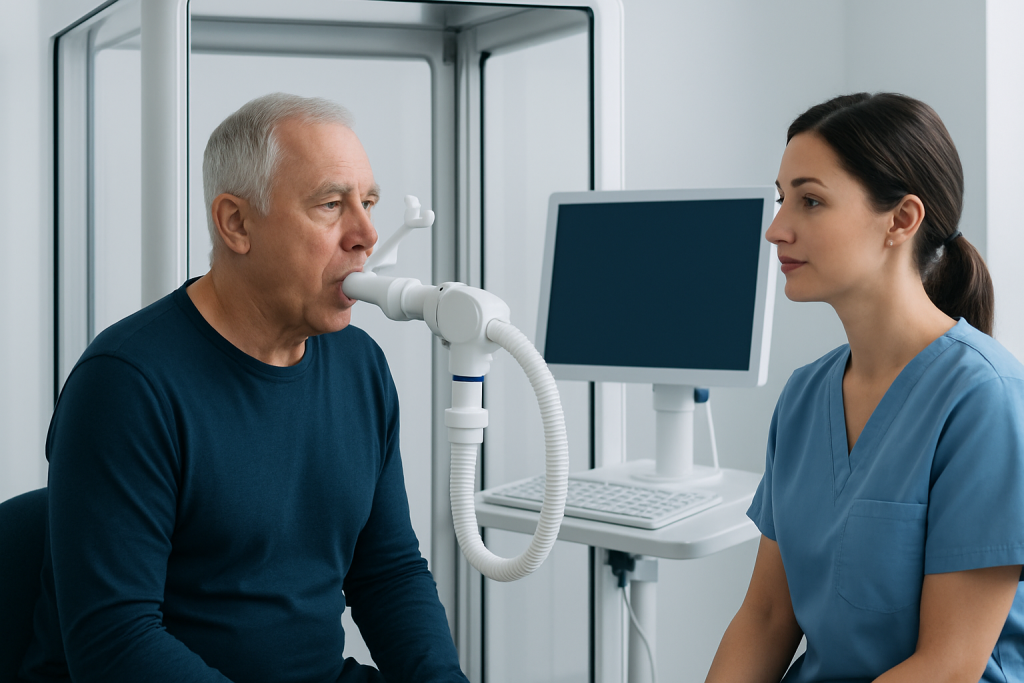
Most pulmonary function evaluations include spirometry, which measures how much air a person can breathe out and how quickly. Depending on the question being asked, the clinic may also use lung volume testing, diffusion capacity testing, or simple pre- and post-bronchodilator measurements to see whether airways open after medicine.
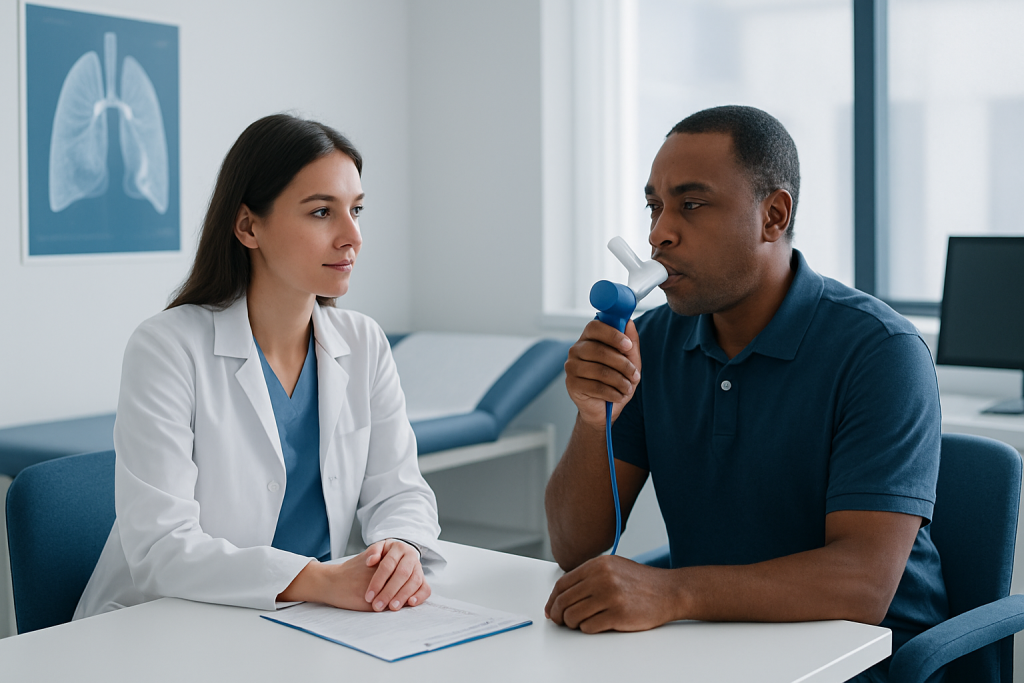
Before the test begins, a staff member usually explains the steps and asks about current symptoms, medications, smoking history, recent infections, and any physical limitations. During spirometry, the patient takes a deep breath and exhales forcefully into a mouthpiece. The effort can feel unusual, but it is typically brief and closely guided by the technician.
Results are compared with predicted values based on the patient’s characteristics. Doctors look for patterns such as reduced airflow, reduced lung size, or impaired gas transfer. These findings can help clarify whether a problem is obstructive, restrictive, mixed, or still needing more investigation.
Treatment Options
The test itself does not treat a lung problem, but it often points the way toward the right treatment. If the results suggest asthma, for example, a doctor may recommend inhaled medications, trigger control, and follow-up testing. If the pattern looks more like COPD or another chronic disorder, the plan may include inhalers, pulmonary rehabilitation, smoking cessation support, vaccination guidance, or specialist review.
In some cases, the next step is simply observation and repeat testing rather than immediate treatment change. That can be reassuring when symptoms are mild or when an outside factor, such as a recent infection, may have temporarily affected breathing performance. For patients traveling from another country, this clarity can help coordinate whether treatment should start before the return trip or continue with a local physician after discharge.
When more advanced disease is suspected, the doctor may recommend imaging, oxygen assessment, sleep-related breathing studies, or referral to a pulmonologist. The plan is usually individualized, with the test results serving as one piece of a broader clinical picture rather than a stand-alone verdict.
Preparation, Prevention & Self-care
Preparation is usually simple, but a little planning improves the quality of the test. The healthcare team may give instructions about inhalers, bronchodilators, caffeine, heavy meals, or smoking before the appointment, because some of these can affect the results. It is important not to stop any prescribed medicine unless the doctor specifically advises it.
Comfortable clothing that does not restrict breathing can make the visit easier. Patients should also mention recent chest infections, surgery, pregnancy, dizziness, or pain with deep breathing, since these factors may change how the test is performed or whether it should be delayed.
For general lung health, prevention and self-care focus on reducing irritants and supporting day-to-day breathing capacity.
- Do not smoke, and seek help if quitting support is needed
- Avoid known triggers such as dust, fumes, and air pollution when possible
- Stay active within personal limits and follow a clinician-approved exercise plan
- Take respiratory medicines exactly as prescribed
- Keep up with recommended vaccines and routine medical follow-up
People arranging care from abroad may find it helpful to carry previous lung test results, medication lists, and imaging reports. Those records can make comparison easier and reduce delays in planning follow-up care after the visit.
When to See a Doctor
A doctor should evaluate breathing symptoms that are new, persistent, or getting worse, especially if they interfere with sleep, daily activities, or exercise. A pulmonary function test may be one of the first tools used to understand what is happening, but it should be arranged through a qualified clinician who can decide whether it is appropriate.
Medical attention is particularly important if shortness of breath appears suddenly, is accompanied by chest pain, blue lips, confusion, fainting, or significant trouble speaking in full sentences. These symptoms need urgent evaluation rather than a routine appointment.
After testing, the doctor should explain what the numbers mean in plain language and how they fit with the patient’s symptoms. If the patient is traveling for care, a clear discharge summary and follow-up plan can help a local clinician continue monitoring without confusion.
Acibadem Health Point can support international patients through multidisciplinary specialists and JCI-accredited hospitals that diagnose and treat lung conditions with coordinated care and follow-up planning.
What Recovery Looks Like After the Test
Most people return to normal activities right after the exam. Some may feel a little tired, lightheaded, or temporarily short of breath from repeated forceful breathing, but these effects usually settle quickly with rest.
If a bronchodilator was used during the appointment, the team may observe the patient briefly afterward. The doctor will then interpret the findings and decide whether further tests, treatment changes, or specialist referral are needed.
For patients who have traveled internationally, recovery after the test is often more about organization than physical healing. Keeping a copy of the report, asking for a clear explanation of results, and knowing who will review the findings next can make the process smoother once the patient is back home.
Frequently asked questions
Is a pulmonary function test painful?
No, it is generally not painful. Some parts of the test may feel forceful or tiring because the patient needs to breathe in and out hard through a mouthpiece, but the procedure is usually well tolerated.
How long does the test take?
The time varies depending on which measurements are included. A basic spirometry session may be brief, while more complete lung function testing can take longer because of extra steps and instruction.
Do patients need to stop inhalers before the test?
Sometimes, but not always. The doctor or testing center should give specific instructions because certain medicines can change the results, and the plan depends on the reason for testing.
What do abnormal results mean?
Abnormal results can suggest that the airways are narrowed, the lungs are smaller or stiffer than expected, or gas exchange is reduced. The doctor interprets these findings together with symptoms, exam findings, and sometimes imaging or blood tests.
Can someone do a pulmonary function test if they recently had a cold?
A recent respiratory infection may affect the test, so the doctor may decide to postpone it. This depends on the severity of the illness and whether the results would still be reliable.
Why might an international patient bring previous lung tests?
Older results help the doctor compare changes over time and avoid repeating tests unnecessarily. They also make it easier to continue care across different hospitals or countries.
References
- American Thoracic Society
- European Respiratory Society
- National Heart, Lung, and Blood Institute
- Mayo Clinic
- NHS
This article is for general information only and is not a substitute for professional medical advice. Please consult a qualified doctor about your individual situation.