

Hip Flexor Exercises

Key Takeaways
- Hip flexor problems often feel like tightness, front-of-hip discomfort, or reduced stride length.
- The best exercise plans usually combine stretching with strengthening and movement retraining.
- Pain that is sharp, persistent, or linked to swelling or injury should be assessed by a clinician.
- Warm-up, posture, and activity changes can make hip exercises safer and more effective.
- People recovering from surgery, injury, or travel-related stiffness may benefit from a tailored rehabilitation plan.
Hip flexor exercises can help improve flexibility, reduce stiffness, and support better movement for people with tight or irritated hip muscles. A balanced routine usually combines gentle stretching, strengthening, and gradual return to activity under guidance when symptoms persist.
Overview
The hip flexors are a group of muscles that help lift the thigh, bend the hip, and support walking, climbing stairs, sitting down, and getting up again. When these muscles become stiff, weak, or irritated, everyday movement can start to feel restricted. Hip flexor exercises are often used to restore mobility and comfort, especially when long periods of sitting or repeated activity have made the front of the hips feel tight.
These exercises are not just about stretching. A useful program usually also includes strengthening and control work so the hips can tolerate daily movement more comfortably. For some people, the right approach is simple home exercise; for others, particularly after injury, surgery, or a long journey, a physical therapist or orthopedist may recommend a more specific rehabilitation plan.
Because hip pain can come from the joint, back, tendons, or nearby muscles, the exercise choice should match the cause. The goal is not to force movement, but to rebuild it gradually and safely.
Symptoms
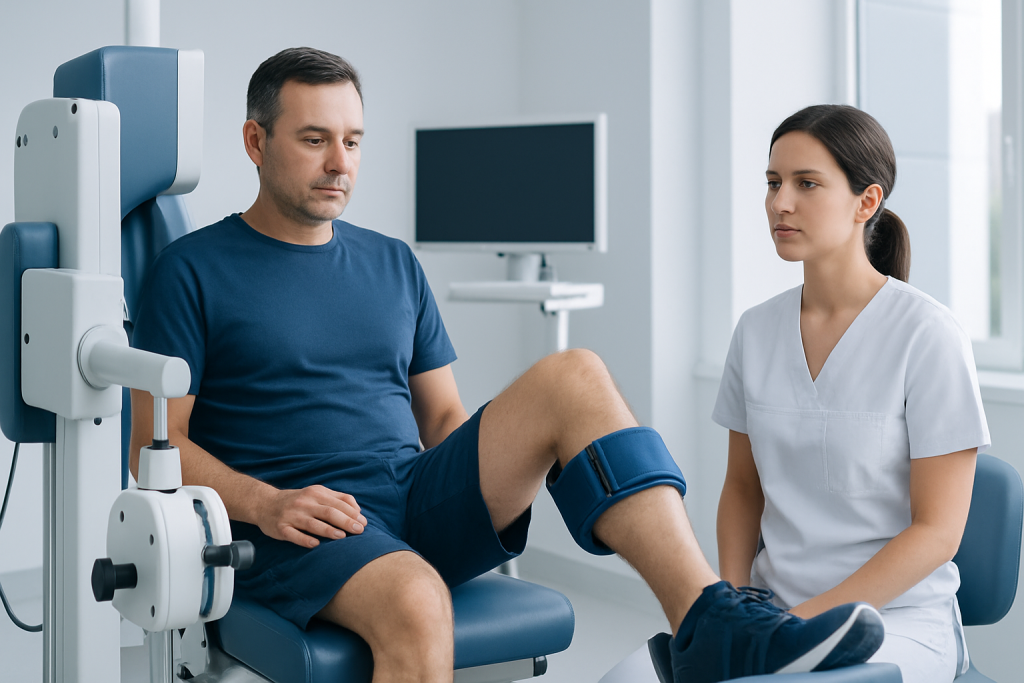
Hip flexor tightness often shows up as a pulling sensation at the front of the hip or groin, especially when standing after sitting for a while. Some people notice that taking longer steps, running, or climbing stairs feels less smooth than usual. Others may feel discomfort during a lunge, a deep squat, or when bringing the knee toward the chest.
Symptoms can vary depending on whether the issue is mainly stiffness, overuse, strain, or tendon irritation. Common signs may include:
- Tightness at the front of the hip or upper thigh
- Mild aching during walking or exercise
- Reduced range of motion when extending the hip
- Discomfort after prolonged sitting
- Weakness or fatigue in the hip during activity
Not every front-of-hip symptom comes from the hip flexors themselves. Pain that feels deep, severe, sudden, or accompanied by swelling, bruising, or a limp deserves medical assessment rather than exercise alone.
Causes & Risk Factors
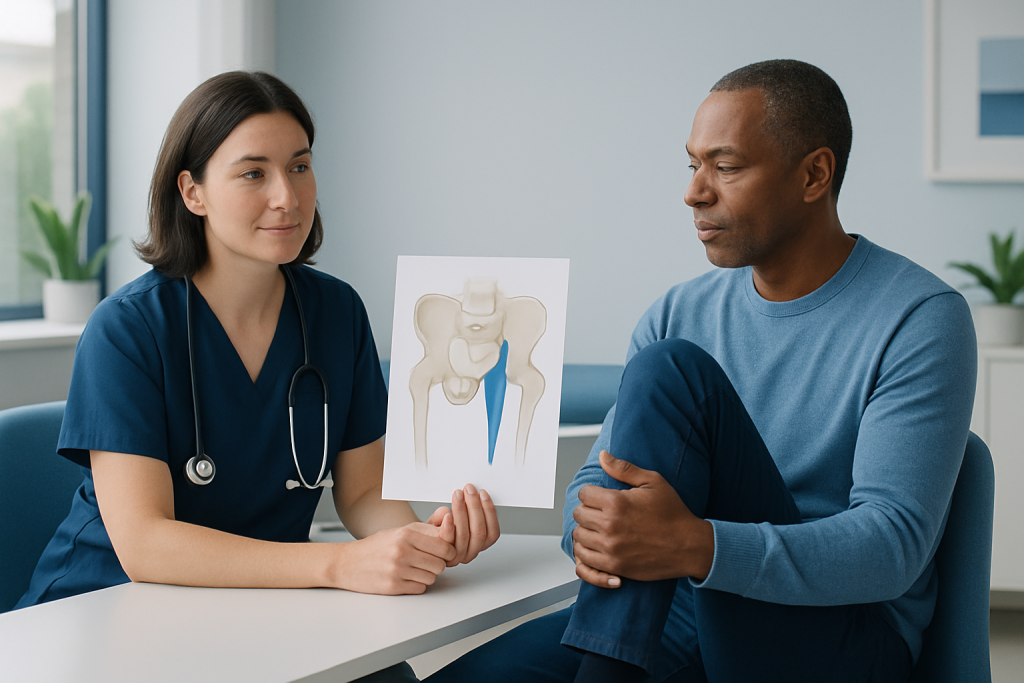
One common reason for hip flexor discomfort is prolonged sitting. When the hips stay bent for many hours, the muscles and tendons at the front of the hip may adapt to that position and feel tight when movement resumes. This can affect office workers, frequent travelers, students, and anyone who spends a long time seated.
Sports and exercise can also contribute. Running, cycling, kicking sports, climbing, and sudden increases in training volume may strain the hip flexors or surrounding tissues. Weak gluteal muscles, limited core control, or poor movement mechanics can shift extra load toward the front of the hip.
Other factors that can increase risk include previous hip or lower back injury, arthritis, tendon irritation, muscle imbalance, and recovery after surgery. In international patients, long-haul flights or multi-leg travel can temporarily increase stiffness, making gentle movement and hydration especially useful during the recovery phase.
Diagnosis
A clinician usually begins with a detailed history and a physical examination. They may ask when the discomfort started, which movements trigger it, whether the pain is constant or activity-related, and whether there was a Knee Pain Relief: Causes and Treatment" class="ahp-ilk">Pain Relief" class="ahp-ilk">sports injury, fall, or sudden strain. This helps separate simple tightness from a tendon, joint, or spine-related problem.
During the exam, the clinician may check hip range of motion, muscle strength, gait, and tenderness around the front of the hip. Specific movement tests can help determine whether the hip flexors are shortened, weak, or painful with loading. If the diagnosis is unclear or symptoms suggest another issue, imaging or other tests may be recommended.
Possible tests depend on the clinical picture and may include X-rays to evaluate the joint, ultrasound for tendon problems, or MRI for soft tissue injury. The purpose of diagnosis is not only to name the condition, but also to make sure the exercise plan is appropriate and safe.
Treatment Options
Most hip flexor exercise plans begin with gentle, pain-limited movement. Stretching is often used when the muscles feel short or stiff, while strengthening helps the hip tolerate bending, walking, and sports demands. A clinician or physical therapist may start with simple drills and progress them gradually as symptoms improve.
Typical exercise categories may include:
- Hip flexor stretches in half-kneeling or standing positions
- Glute bridges and other posterior-chain strengthening exercises
- Core stability work to reduce strain on the hips
- Controlled marching or leg-lift drills for active hip flexion
- Functional exercises such as step-ups or split-stance patterns
Other treatment measures may be used alongside exercise. Short-term activity modification, heat or ice, posture changes, manual therapy, or treatment for an underlying condition may all play a role. If pain is due to a more significant strain, tendon injury, or joint problem, the rehabilitation timeline may be slower and should be guided by a qualified specialist.
It is important to avoid pushing through sharp pain. A useful rule is that mild stretch discomfort may be acceptable, but worsening pain, limping, or symptoms that linger after exercise suggest the program needs adjustment.
Prevention & Self-care
Prevention starts with movement variety. People who sit for long periods may benefit from short standing breaks, hip-opening movements, and regular walks during the day. Runners, cyclists, and gym users often do better when they warm up before training and increase intensity gradually rather than making sudden jumps.
Good self-care habits can make hip flexor exercises more effective:
- Warm up for several minutes before stretching
- Keep movements smooth and controlled
- Balance stretching with strengthening
- Pay attention to posture during work and travel
- Allow recovery time after harder workouts
For people recovering from a procedure or managing symptoms while abroad, consistency matters more than intensity. A simple routine performed regularly is usually more helpful than occasional aggressive stretching. If sitting on a plane or in a car increases stiffness, light ankle pumps, standing breaks, and gentle hip movements can help maintain comfort.
When to See a Doctor
Medical assessment is recommended if hip discomfort is persistent, getting worse, or interfering with walking, sleep, or daily function. A doctor should also evaluate pain that began after a fall, sports injury, or sudden pulling sensation, especially if there is bruising, swelling, or weakness.
It is wise to seek care sooner if the hip feels locked, unstable, or unable to bear weight. Numbness, fever, unexplained weight loss, or pain coming from the back or groin with no clear exercise trigger also deserve attention. In these situations, exercises should not replace an examination.
For patients traveling for care, a clear rehabilitation plan and follow-up schedule are especially helpful before returning home. Acibadem Health Point’s multidisciplinary specialists and JCI-accredited hospitals diagnose and treat hip-related conditions for international patients, with care that can be coordinated across evaluation, treatment, and recovery. The aim is to make the next steps understandable, practical, and safe.
Frequently asked questions
What do hip flexor exercises help with?
Hip flexor exercises can improve flexibility, strength, and control around the front of the hip. They are often used when sitting, walking, running, or climbing stairs feels limited by tightness or mild irritation.
Should hip flexor exercises hurt?
They should not cause sharp or worsening pain. Mild stretching discomfort may be normal, but pain that increases during or after exercise means the routine may be too aggressive and should be adjusted.
Is stretching enough for tight hip flexors?
Not always. Stretching may help if the muscles feel short, but strengthening the hips and core is often needed to keep the improvement going. A balanced program usually works better than stretching alone.
How often should someone do hip flexor exercises?
That depends on the cause of symptoms and overall fitness level. Many people benefit from short, regular sessions rather than infrequent intense workouts, but a clinician or physical therapist can tailor the frequency.
Can sitting make hip flexors tight?
Yes. Long periods of sitting keep the hips bent for extended stretches, which can contribute to stiffness and reduced mobility. Regular movement breaks and simple daily exercises can help counter that effect.
When is professional assessment important?
Professional assessment is important if pain is severe, persistent, linked to injury, or affecting walking and daily life. A clinician can identify whether the problem is truly the hip flexors or another structure in the hip, spine, or pelvis.
References
- American Academy of Orthopaedic Surgeons
- National Institute of Arthritis and Musculoskeletal and Skin Diseases
- Mayo Clinic
- NHS
- American Physical Therapy Association
This article is for general information only and is not a substitute for professional medical advice. Please consult a qualified doctor about your individual situation.
More from the Health Library



Related Specialists

Prof. Dr. Ahmet Alanay
Orthopedic Surgery & Traumatology
Dr. Sinan Aksu
Orthopedic Surgery & Traumatology
Dr. Sirri Baştürk
Orthopedic Surgery & Traumatology
Prof. Dr. Korhan Özkan
Orthopedic Surgery & Traumatology