Phrenic Nerve

Key Takeaways
- The phrenic nerve carries signals from the neck to the diaphragm to support breathing.
- Injury or irritation can cause shortness of breath, especially when lying flat or during exertion.
- Diagnosis may include imaging, breathing tests, ultrasound, and sometimes nerve studies.
- Treatment depends on the cause and may include observation, respiratory support, rehabilitation, or surgery in selected cases.
- Many people improve with timely evaluation and a plan tailored to their underlying condition.
The phrenic nerve is a key nerve for breathing because it helps control the diaphragm, the main muscle used for inhalation. When it is irritated or injured, breathing patterns can change in ways that range from mild to significant, depending on the cause and whether one or both sides are affected.
Overview
The phrenic nerve is not a nerve people usually think about until breathing becomes harder than expected. It runs from the neck into the chest and gives the diaphragm the signal to contract. That movement draws air into the lungs, making the nerve essential for comfortable, efficient breathing.
Because the phrenic nerve is so closely tied to respiration, problems with it can be noticed in everyday moments: climbing stairs, speaking for long periods, bending forward, or trying to sleep flat. Some people have no symptoms at all and only learn about a phrenic nerve issue after a scan, an ultrasound, or a breathing evaluation done for another reason.
For international patients, the pathway to care often begins with a practical question: is this a temporary irritation, or is the nerve not working well enough to affect day-to-day breathing? The answer depends on the cause, the side involved, and whether the diaphragm is weakened on one or both sides.
Symptoms
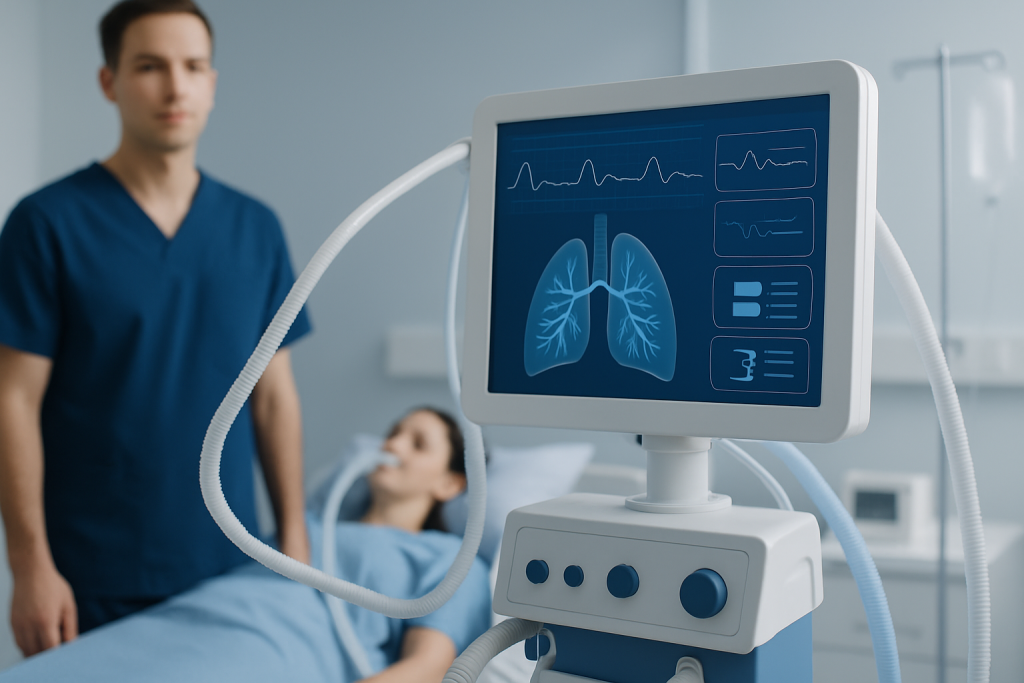
Symptoms can be subtle when only one phrenic nerve is affected, because the other side of the diaphragm can partly compensate. Some people notice mild breathlessness with exertion, a sense of not taking a full breath, or difficulty breathing when lying down. Others may first notice reduced exercise tolerance or waking at night feeling short of breath.
When both phrenic nerves are affected, symptoms are usually more noticeable. Breathing can become labored more easily, and there may be a stronger need to sleep propped up. In children or people with underlying lung disease, the impact can appear sooner and be more disruptive.
- Shortness of breath, especially when lying flat
- Shallow breathing or reduced ability to take a deep breath
- Fatigue during activity
- Sleep-related breathing difficulty
- Hiccups or neck/shoulder discomfort in some cases
Symptoms are not specific to the phrenic nerve, which is why a careful medical evaluation matters. Asthma, heart conditions, lung disease, anemia, anxiety, and other problems can create similar sensations and should be considered during assessment.
Causes & Risk Factors

The phrenic nerve can be affected anywhere along its long path from the neck to the diaphragm. Causes include surgery in the chest, neck, or heart region; trauma; tumors that press on the nerve; inflammatory conditions; and, less commonly, infections or autoimmune disorders. In some people, no clear cause is found, particularly when the nerve weakness develops gradually.
Because the nerve travels close to important structures, procedures involving the heart, lungs, cervical spine, or mediastinum can sometimes lead to temporary or lasting irritation. People with nerve-related diseases, certain cancers, or significant chest injuries may have a higher risk of phrenic nerve dysfunction.
Risk is also influenced by overall health. A person with chronic lung disease, obesity, sleep-disordered breathing, or reduced muscle strength may feel the effects of even a one-sided phrenic nerve problem more strongly than someone with otherwise healthy lungs.
It is useful to think of phrenic nerve problems in two broad groups: direct injury to the nerve, and diaphragm weakness from another condition affecting its function. Sorting out which pattern is present helps guide treatment and follow-up.
Diagnosis
Diagnosis begins with listening carefully to the story of when symptoms started, what makes them better or worse, and whether there has been recent surgery, trauma, or a known medical condition that could affect the nerve. A physical examination may reveal rapid, shallow breathing or reduced chest expansion on one side.
Testing often includes chest imaging. A chest X-ray can sometimes show an elevated diaphragm, while a fluoroscopic “sniff” test may show abnormal movement of the diaphragm. Ultrasound is increasingly used because it can show diaphragm motion at the bedside without radiation and can be helpful for follow-up over time.
Depending on the case, doctors may also order pulmonary function tests, nerve conduction studies, electromyography, or CT/MRI scans to look for compression, inflammation, or another cause along the nerve’s route. If a patient is traveling for care, these tests are often planned in a coordinated sequence so the diagnosis can be completed efficiently during a short visit.
No single test answers every question. A complete picture usually comes from combining symptoms, exam findings, and several targeted studies rather than relying on one result alone.
Treatment Options
Treatment depends on why the phrenic nerve is affected and how much breathing is being impacted. If symptoms are mild and the cause appears temporary, observation may be appropriate while the nerve recovers. In other situations, treatment focuses on the underlying problem, such as relieving compression, treating inflammation, or addressing a related medical condition.
Some people benefit from respiratory support, especially during sleep. This may include noninvasive ventilation in selected cases, which helps support breathing without the need for intubation. Pulmonary rehabilitation or breathing exercises may also be recommended to improve stamina and reduce the sense of breathlessness.
When the diaphragm remains significantly weakened and symptoms persist, doctors may consider procedural or surgical options. These can include diaphragmatic plication in selected patients, which can help improve lung expansion by stabilizing the diaphragm. If a structural cause is present, it may be treated directly. In certain complex cases, specialist evaluation is needed to determine whether nerve-directed treatment or another approach is most suitable.
The best plan is individualized. Age, general lung function, the cause of the nerve problem, and whether symptoms are improving all matter. For international patients, a multidisciplinary team is especially useful because pulmonology, neurology, thoracic surgery, and rehabilitation may all contribute to the final plan.
Prevention & Self-care
Not every phrenic nerve problem can be prevented, especially when the cause is related to surgery, trauma, or a disease process outside a person’s control. Still, some practical steps can support nerve and respiratory health and may reduce avoidable strain.
People recovering from surgery or chest injury should follow postoperative instructions closely, including breathing exercises if they are prescribed. Keeping follow-up visits is important, because diaphragm weakness may be easier to manage when it is recognized early rather than after symptoms become more limiting.
- Keep chronic lung and heart conditions well managed.
- Attend follow-up imaging or breathing tests if recommended.
- Use prescribed respiratory devices consistently.
- Sleep in a position that eases breathing, if advised.
- Avoid smoking and exposure to lung irritants.
Self-care should be realistic rather than restrictive. Many patients do better when activity is paced, sleep is protected, and new symptoms are reported early so the care team can adjust the plan before breathing becomes more difficult.
When to See a Doctor
Medical evaluation is important if breathing changes are new, persistent, or clearly different from a person’s usual pattern. This is especially true after surgery, neck or chest injury, or a diagnosis that could affect the nerves or lungs. Even when symptoms are mild, a consultation can help determine whether the diaphragm is being affected.
Prompt assessment is wise if shortness of breath worsens when lying down, sleep becomes disrupted by breathing difficulty, or there is a new inability to exercise at the usual level. These patterns can point to diaphragm weakness and deserve careful review.
Emergency care is needed if breathing becomes severe, lips turn blue, chest pain occurs, or a person cannot speak in full sentences. For non-urgent concerns, an outpatient evaluation with a clinician experienced in respiratory and nerve conditions is often the best next step.
At Acibadem Health Point, multidisciplinary specialists and JCI-accredited hospitals support international patients who need diagnosis and treatment for phrenic nerve-related conditions, with care coordinated across relevant specialties when needed.
Living With Phrenic Nerve Dysfunction
Living with phrenic nerve dysfunction often means learning how the body responds to effort, rest, and posture. Some people adjust quickly once they understand what triggers symptoms, while others need a longer period of monitoring and rehabilitation. The experience can be frustrating, but it is also one where clear diagnosis makes a real difference.
Follow-up is important because recovery can be gradual. A nerve that has been irritated may improve over time, while a nerve that has been compressed or injured may need a different strategy. Reassessment helps determine whether symptoms are stable, improving, or requiring another step in treatment.
For patients traveling from another country, the most helpful care plans are the ones that include both the immediate evaluation and a realistic follow-up strategy at home. That may mean written instructions, local testing plans, and clear guidance on which symptoms should trigger re-evaluation.
Outlook
The outlook for phrenic nerve problems varies widely because the nerve is affected for many different reasons. Temporary irritation can improve, especially when the underlying cause is treated and the diaphragm remains strong enough to compensate. More persistent cases can still be managed effectively, particularly when breathing support, rehabilitation, or surgery is considered at the right time.
What matters most is not only the diagnosis itself, but how complete the evaluation is and how well the treatment matches the cause. A thoughtful, stepwise approach usually gives the best chance of preserving comfort, sleep, and daily function.
Patients who notice a new breathing pattern should not assume they simply need to “push through it.” A timely medical review can clarify whether the phrenic nerve is involved and help prevent months of uncertainty.
Frequently asked questions
What does the phrenic nerve do?
The phrenic nerve sends signals to the diaphragm, the main muscle used for breathing. When it works normally, the diaphragm contracts and helps the lungs draw in air. If the nerve is weakened or injured, breathing can become less efficient.
Can phrenic nerve problems go away on their own?
Sometimes they can, especially if the nerve was temporarily irritated after surgery or from inflammation. Recovery depends on the cause and the extent of the injury, so follow-up is important. A doctor can help determine whether watchful waiting is safe.
How is phrenic nerve injury different from lung disease?
Both can cause shortness of breath, but they arise from different problems. Lung disease affects the lungs themselves, while phrenic nerve dysfunction affects the nerve signal that helps the diaphragm move. Testing is usually needed to tell them apart.
Is a weak diaphragm always caused by the phrenic nerve?
Not always. Other conditions can affect diaphragm movement or make breathing feel difficult. That is why doctors often look for several possible explanations before deciding on treatment.
What tests are commonly used to check the phrenic nerve?
Doctors may use chest imaging, diaphragm ultrasound, pulmonary function tests, and sometimes fluoroscopy or nerve studies. The choice depends on the symptoms and the suspected cause. Often, more than one test is helpful.
When should someone seek urgent help?
Urgent care is needed if shortness of breath becomes severe, chest pain develops, or breathing difficulty interferes with speaking or daily activity. These symptoms can have several causes and should be assessed promptly. If symptoms are mild but persistent, an outpatient evaluation is still important.
References
- National Institute of Neurological Disorders and Stroke
- MedlinePlus
- American Thoracic Society
- Mayo Clinic
- Cleveland Clinic
This article is for general information only and is not a substitute for professional medical advice. Please consult a qualified doctor about your individual situation.